
The Tomb of Horemheb in Saqqara: The Temple-Tomb of Egypt’s Greatest General
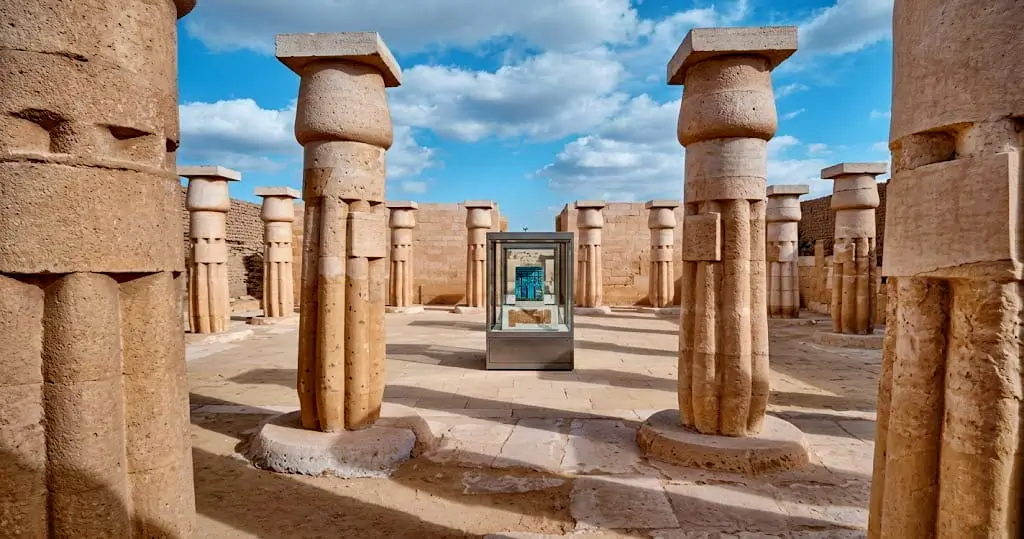
The Tomb of Horemheb in Saqqara is a pre-royal masterpiece that reflects the General’s immense power before he became Pharaoh. This “temple-tomb” is famous for its sophisticated architecture and realistic military reliefs, including the iconic “Gold of Honor” ceremony and detailed depictions of foreign captives. Transitioning between the Amarna and Ramesside styles, it remains the most significant New Kingdom monument in the Saqqara necropolis.
The Tomb of Maya and Meryt at Saqqara: A Masterpiece of Egypt’s Golden Age
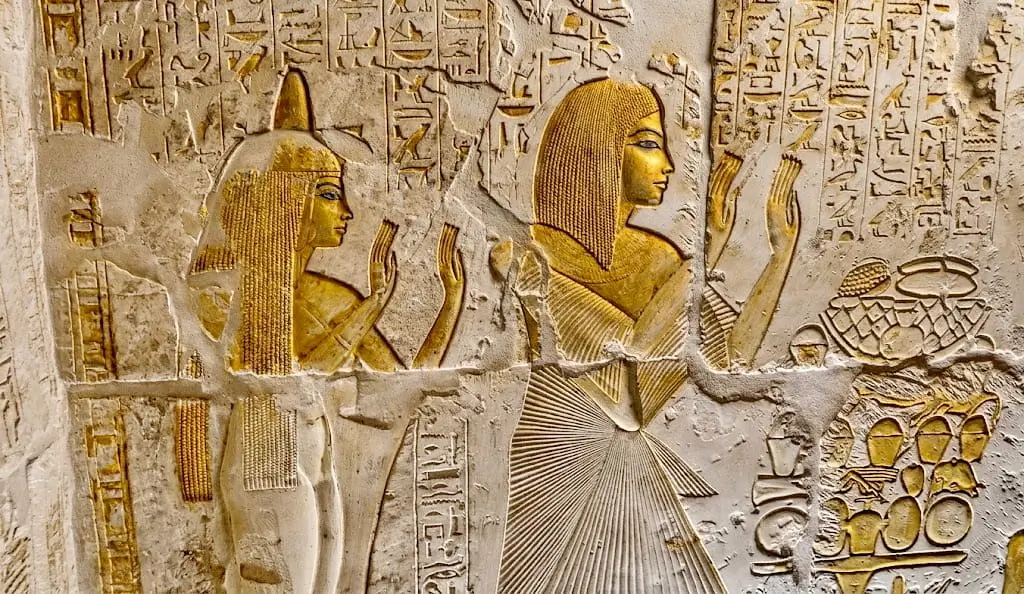
The Tomb of Maya and Meryt stands as a pinnacle of New Kingdom artistry and a testament to archaeological perseverance. Located in the Saqqara necropolis, this “temple-tomb” belongs to Tutankhamun’s treasurer and his wife, a high-ranking songstress. Its history is defined by a dramatic double discovery: first documented in 1843, then lost to the shifting desert sands for over a century, and finally rediscovered in 1986. Beyond its historical narrative, the tomb is famous for its unique subterranean reliefs painted in a vibrant monochrome yellow, symbolizing a golden, divine eternity. Today, it remains a critical link to the post-Amarna restoration period, offering a rare glimpse into the lives of the elite officials who rebuilt the Egyptian empire.
The Tomb of Neferseshemptah: Guardian of Teti’s Pyramid
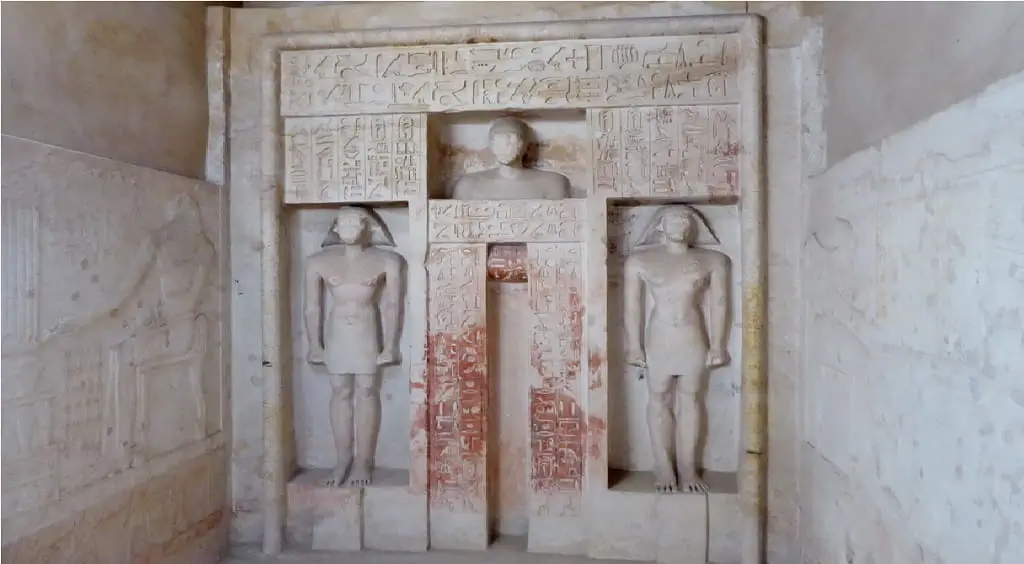
The Tomb of Neferseshemptah at Saqqara is a 6th Dynasty masterpiece. As the Steward of Teti’s Pyramid and husband to Princess Sesheshet, Neferseshemptah held immense power. The mastaba is famous for its architectural innovation, featuring a False Door with a unique 3D bust. Additionally, the interior preserves vibrant reliefs of daily life, including detailed poultry-feeding and bird-netting scenes. Since its 1899 discovery by Victor Loret, the tomb has served as a vital record of the social status and artistic brilliance of the Old Kingdom elite.