
The Mastaba of Prince Unas-Ankh: Exploring the Life of a Fifth Dynasty Prince
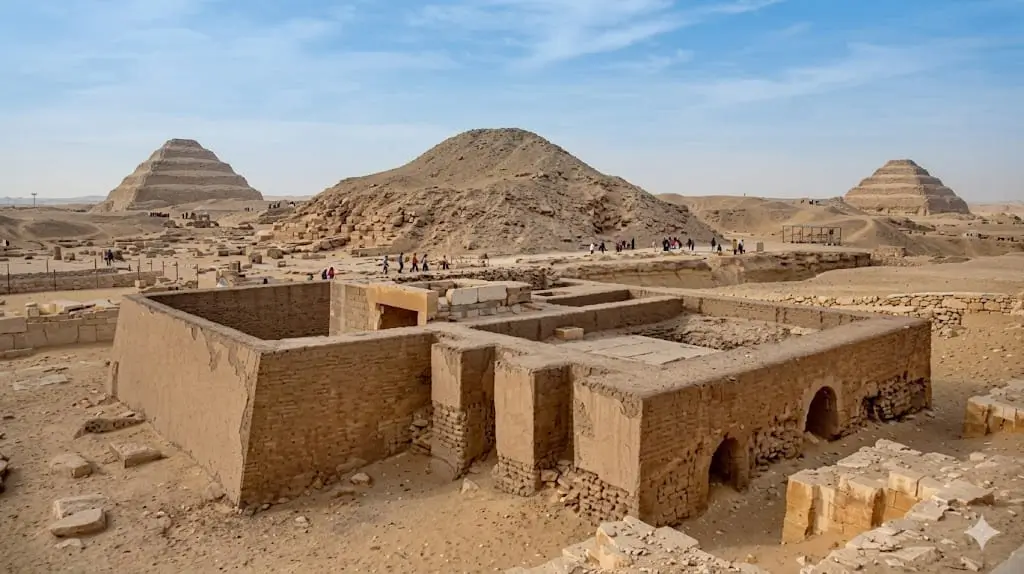
The Tomb of Unas-Ankh serves as a vital historical bridge within the Saqqara Necropolis, marking the transition between the Fifth and Sixth Dynasties. As the eldest son of Pharaoh Unas, the Prince built a sophisticated limestone mastaba featuring vivid reliefs of Nile life and elite offering rituals. His premature death triggered a major succession crisis, making this monument a primary source for understanding the political and artistic evolution of the late Old Kingdom.
The Tomb of Pay and Raia: A Masterpiece of New Kingdom Art at Saqqara
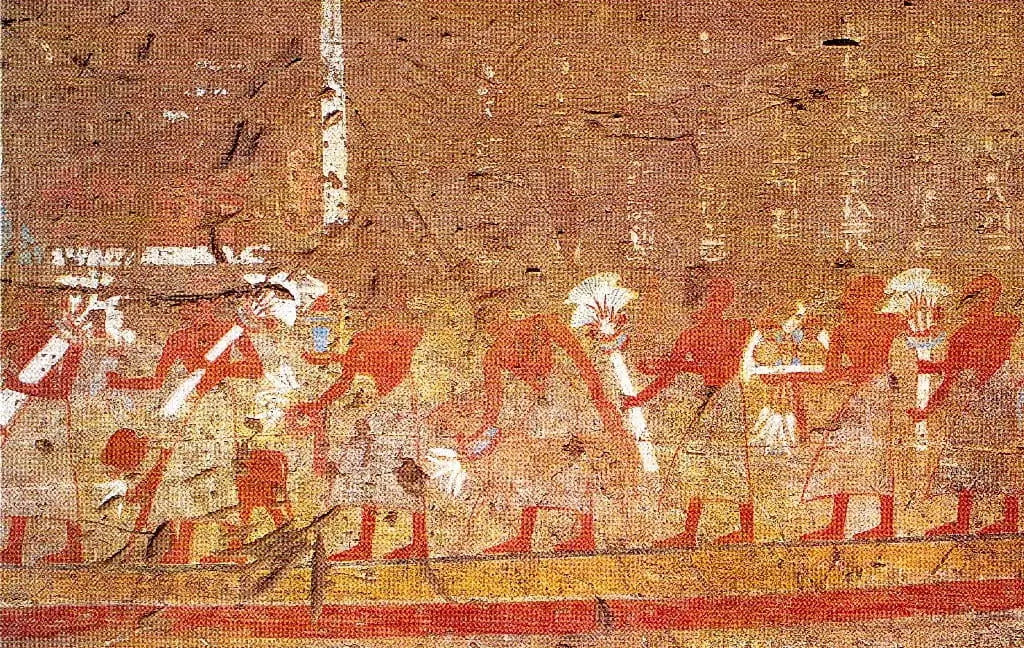
The Tomb of Pay and Raia is a remarkable “temple-tomb” located in the New Kingdom cemetery of Saqqara. Built during the transition after the Amarna period, it serves as the eternal home for two high-ranking officials: Pay, an overseer of the royal household, and his son Raia, a high priest. The structure is famous for its elegant limestone reliefs that blend traditional Egyptian art with the naturalistic style of the late 18th Dynasty. Today, this double tomb offers visitors a unique look at ancient family loyalty and the professional lives of the elite who served Egypt’s most powerful pharaohs.
The Tomb of Hekashepes: Unveiling the Golden Secret of Saqqara
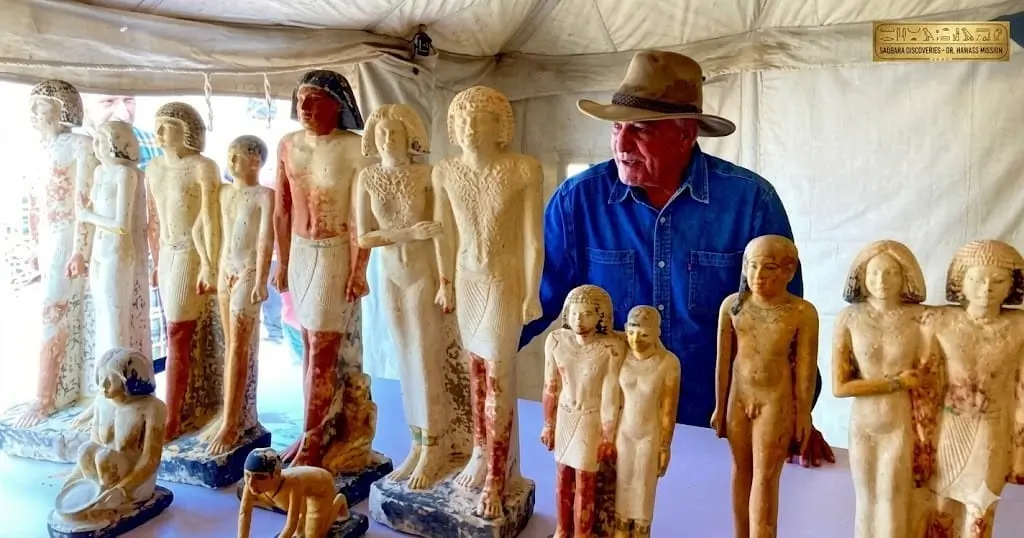
The Tomb of Hekashepes is a landmark 2023 discovery in Saqqara’s Gisr el-Mudir, revealing a 4,300-year-old limestone sarcophagus that remained sealed since the Old Kingdom. Inside, archaeologists found what is considered the oldest and most complete non-royal mummy ever discovered, remarkably preserved in layers of genuine gold leaf. This find shatters previous timelines of advanced mummification and provides an untainted look into the immense wealth and religious sophistication of Egypt’s elite bureaucracy.