
Wadi Al-Natrun: The Living Legacy of Egypt’s Monasteries
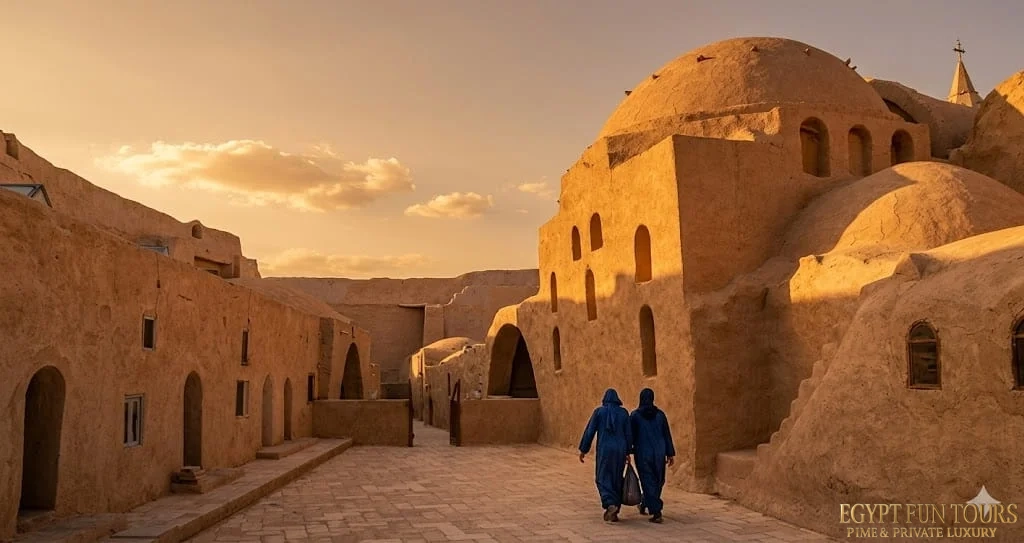
The monasteries of Wadi El-Natrun stand as silent, profound witnesses to an enduring legacy of human devotion. From their origins as humble hermitages in the harsh desert landscape to their evolution into world-renowned centers of theology and manuscript preservation, these sites have remained a vital bridge to the ancient world. They represent more than just stone and mortar; they are living repositories of the Coptic tradition, safeguarding a wisdom that has transcended centuries of change. As you conclude your journey through the history, architecture, and daily life of this sacred valley, the true significance of Scetis becomes clear. It is a place where silence fosters clarity, where tradition honors the past, and where the relentless pursuit of the divine continues to shape the spiritual landscape of the modern world.
The Ultimate Guide to Monasteries in Egypt: History & Heritage
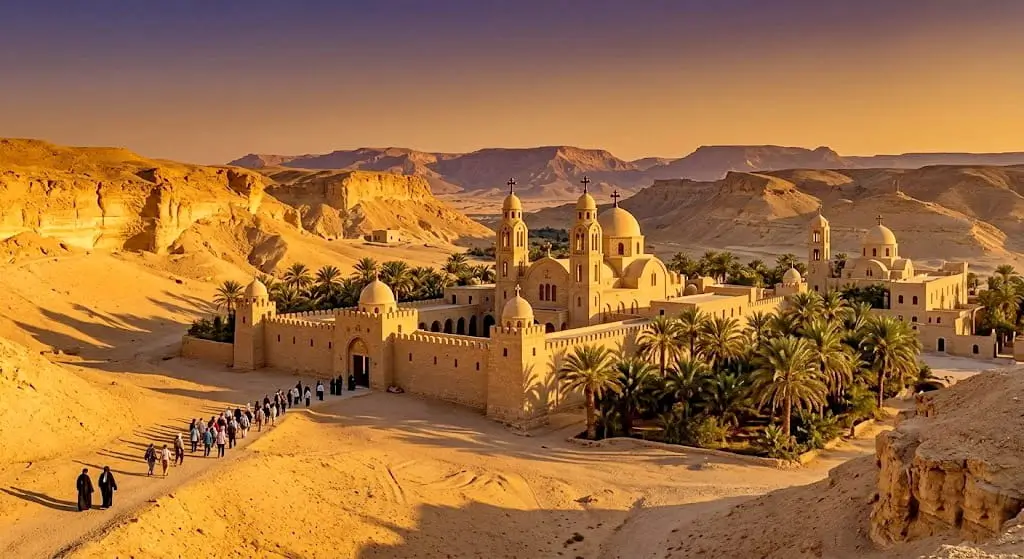
This guide serves as a comprehensive resource exploring the rich history, unique architecture, and enduring spiritual significance of monasteries in Egypt. Throughout this article, we examine how these sacred spaces evolved from the solitary caves of early hermits into the thriving, fortress-like communal centers that define the Coptic tradition today. You will learn about the distinct architectural features designed for both protection and worship, as well as the essential role these sites play in preserving ancient manuscripts and artistic heritage. Furthermore, we highlight major monastic hubs—including the historic retreats of Wadi El Natrun, the ancient sites near the Red Sea, and the world-renowned library at Saint Catherine’s. Whether you are a dedicated pilgrim, a history enthusiast, or a curious traveler, this guide provides the vital context needed to understand the profound legacy of monasteries in Egypt and their ongoing influence on modern faith.
The Oracle Temple of Siwa: Alexander the Great & Ancient Prophecies
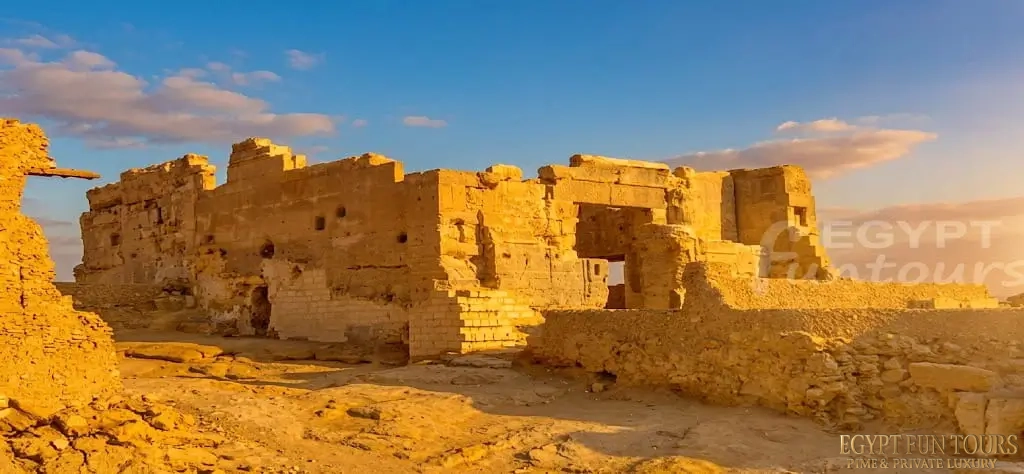
The Oracle Temple of Siwa, perched atop the ancient ruins of Aghurmi village, stands as one of the most enigmatic and historically charged sites in Egypt’s Western Desert. Renowned in antiquity for the prophetic power of its priests, the temple served as a vital spiritual and political nexus where Egyptian, Libyan, and Hellenistic traditions converged. Most famously, it was the site of Alexander the Great’s historic pilgrimage in 331 BCE—a pivotal journey that culminated in his proclamation as the “son of Amun,” forever altering his imperial destiny. Today, the enduring limestone remnants of this sanctuary offer a profound glimpse into a world where kings braved the treacherous Sahara to seek divine truth, marking the site as a timeless monument to the intersection of ancient faith and political ambition.