
Shali Fortress: The Ancient Heart and Soul of Siwa Oasis

Shali Fortress stands as the most iconic symbol of the Siwa Oasis. Built in the 13th century, this labyrinthine mudbrick citadel represents a masterpiece of desert engineering and Amazigh heritage. This guide explores the history of Shali, from its strategic origins as a fortified sanctuary to its transformation following the legendary 1926 rains. Discover the unique karshef construction techniques that allowed this "city of salt" to withstand centuries of desert extremes, and learn how modern preservation efforts are securing its legacy for future generations. Whether you are a history enthusiast or a luxury traveler planning an exclusive journey to Egypt’s Western Desert, this resource provides a comprehensive look at the resilient soul of Siwa.

The Ghost City in the Sands: An Introduction to Shali Fortress

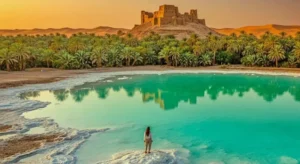
In the heart of the Great Sand Sea, the golden Sahara meets the emerald Siwa Oasis. Shali Fortress rises here, defying the centuries. In the local Siwi dialect, people simply call it “the city.” This 13th-century citadel stands as a monument to human ingenuity. It clearly reflects the resilient spirit of the Amazigh people. The structure emerged from the desert floor like a jagged crown. For over eight hundred years, this labyrinthine fortress served as the heart of Siwa. Consequently, it acted as a sanctuary, guarding residents against marauding groups and the harsh desert climate.

Shali Fortress: Mastering Desert Engineering

Walking toward Shali reveals a masterpiece of ancient design. The builders crafted the entire fortress from karshef. This material consists of a unique blend of sun-dried salt, clay, and mud. They harvested these components from the shores of Siwa’s ancient salt lakes. Therefore, the fortress stands as more than just a simple ruin. It represents a dialogue between humanity and a tough environment.

Each narrow alleyway and multi-level chamber served a specific purpose. These designs successfully baffled potential invaders. Furthermore, the thick walls naturally regulated the intense heat of the Western Desert. This created a sustainable, self-contained ecosystem. Indeed, it remained centuries ahead of its time.

Shali Fortress: A Legacy of Resilience

A catastrophic rainstorm in 1926 eroded the structural integrity of the mudbrick walls. Nevertheless, this event could not destroy the history they hold. Today, Shali remains the soul of the oasis. Moreover, it functions as a bridge between the ancient world and the present. The site stands as a silent sentinel of Siwan identity. Additionally, it preserves the memory of a culture that thrived in isolation. Hidden springs nourished this culture. Meanwhile, these walls protected its people. As we uncover the layers of history, we learn how this community mastered the desert. Ultimately, this journey provides a glimpse into one of Egypt’s most mystical secrets.

FUN

Historical Origins: The 13th-Century Foundations

Historical Origins The 13th-Century Foundations

The construction of Shali began in the 13th century. At that time, the people of Siwa needed a secure refuge. They faced frequent threats from neighboring Bedouin groups and marauding invaders. Consequently, a group of forty men established the fortress on a high, limestone plateau. This location provided a strategic vantage point over the entire oasis.

Building on this elevated site allowed the inhabitants to monitor the horizon for potential attackers. The community functioned as a tightly knit, insular society. Because of this isolation, the Siwans developed their own unique culture and language. This heritage remains distinct from other parts of Egypt today.

Shali Fortress: The Strategic Value of Isolation

Geographic factors played a key role in the fortress’s design. The surrounding desert created a natural barrier against large-scale armies. However, smaller groups still posed a constant danger to the local farmers. Therefore, the people designed Shali as an impenetrable labyrinth.

The narrow, winding alleys confused outsiders who were not familiar with the layout. Furthermore, the massive, fortified walls offered protection against physical assault. Every aspect of the fortress served a clear defensive purpose. It was not merely a place to live; it functioned as a defensive mechanism.

Residents constructed their homes stacked vertically within the walls. This density maximized the limited space available on the plateau. As a result, the entire population lived in proximity. This social structure fostered a strong sense of community and collective responsibility. Even today, the legacy of this early social cohesion defines the Siwan spirit.

FUN

The Engineering Marvel: Karshef Construction

The Engineering Marvel Karshef Construction: Shali Fortress

The structural brilliance of Shali relies on a unique material known as karshef. This substance consists of salt-rich mud and clay extracted from the edges of Siwa’s salt lakes. Because of its specific mineral composition, karshef creates an incredibly durable, rock-like surface once it dries under the desert sun. Consequently, the builders possessed a sustainable material that was both readily available and exceptionally resilient.

Architects mastered the art of layering these blocks to form massive, thick walls. These structures provided necessary insulation against the harsh climate of the Western Desert. During the blistering summer days, the density of the karshef prevented heat from penetrating the living quarters. Conversely, the walls retained enough warmth during the chilly winter nights to maintain a comfortable indoor temperature. Therefore, this ancient technique acted as a precursor to modern, passive-cooling architectural designs.

Furthermore, the construction process utilized a specialized mortar that bound the blocks together tightly. As the salt within the mud recrystallized over time, the entire structure effectively hardened into a singular, cohesive unit. This process explains why portions of the fortress stood tall for eight centuries despite centuries of environmental exposure. However, the same salt that provides this strength also makes the structures vulnerable to heavy, prolonged moisture.

Shali Fortress: Urban Planning and Passive Cooling

The layout of the fortress also played a vital role in temperature regulation. The streets were designed to be extremely narrow and winding. This specific orientation ensured that sunlight rarely reached the ground level of the alleys. Furthermore, it encouraged the flow of cool air through the city, even during the peak of afternoon heat.

Because the houses were built vertically, they functioned like a honeycomb. Each family unit was constructed on top of the next. This vertical stacking allowed for better ventilation and shared structural support. Moreover, it minimized the footprint of the fortress, which helped defend the perimeter effectively. The integration of these features demonstrates that the ancient Siwans were masters of climate-responsive planning.

The White Desert: A Geomorphological and Paleontological Marvel

The White Desert of Egypt features unique chalk formations carved by wind and water from...
Related post
FUN

Shali Fortress: The Architecture of Daily Life

The Architecture of Daily Life

Life within Shali was a complex, organized dance. The city functioned as a vertical honeycomb, where every square meter of the limestone plateau was utilized. Families constructed their homes reaching up to five or six stories. Because of this, the skyline of Shali looked like a jagged, protective shell.

Daily life took place in these dense, multi-level dwellings. Most houses followed a specific pattern. The ground floors served as storage areas for crops like dates and olives. Meanwhile, the upper levels contained living quarters. Women generally occupied the upper, more private floors. This arrangement ensured safety while maintaining the privacy essential to Siwan customs.

Navigating the Labyrinth

Narrow, winding alleyways formed the city’s arteries. They were intentionally designed to be disorienting. If an enemy force managed to breach the main gate, they would quickly become lost in the maze. Furthermore, the height of the walls kept the streets in constant shadow. This shade provided a natural cooling system for people traveling between homes.

Small, elevated bridges once connected some of these houses. Consequently, residents could move throughout parts of the city without ever touching the ground. This connectivity offered a strategic advantage during times of conflict. It allowed the inhabitants to move supplies or reach defensive points rapidly.

The Old Mosque and Social Hub

The Old Mosque served as the heart of the community. Its minaret acted as both a place of prayer and a vital watchtower. From this high point, sentries could scan the desert for approaching caravans or potential threats. Moreover, the mosque provided a communal space where elders met to settle disputes.

Governance in Shali was collaborative. Each clan held specific responsibilities for the maintenance of the fortress walls. Therefore, the physical preservation of the city was a shared duty. This collective approach to living ensured that the fortress remained strong for generations. Even now, the remnants of these public spaces reflect a society that prioritized unity over individual status.

Alexandria: The Pearl of the Mediterranean

Discover Alexandria, the "Pearl of the Mediterranean." This legendary city, founded by Alexander the Great...
Related post
FUN

The Turning Point: The Great Rains of 1926

The Turning Point The Great Rains of 1926: Shali Fortress

For centuries, Shali remained an unconquerable sanctuary. It successfully withstood regional power struggles, tribal skirmishes, and the harsh desert elements. However, the fortress faced an adversary that its thick walls could not repel: water. In 1926, the Siwa Oasis experienced three days of uncharacteristically torrential rainfall. Because the city was constructed primarily from karshef—a mixture of salt and mud—the structure was inherently susceptible to water damage.

The downpour dissolved the mortar holding the ancient blocks together. Consequently, many houses within the fortress collapsed within a matter of days. This event fundamentally altered the history of the city. Before the rains, the majority of the population resided within the high walls of the fortress. Afterward, the site became largely uninhabitable.

A Forced Migration

The disaster compelled the residents to move outside the city gates. They began to build new, modern homes on the surrounding plains. This transition marked the end of an era. The densely packed, vertical living of the medieval fortress gave way to more spacious, single-story housing. Furthermore, the migration changed the social fabric of the community. While the family clans remained intact, the architectural barrier that once defined their daily life had disappeared.

Despite the destruction, the abandoned fortress was not forgotten. Many inhabitants salvaged materials from the ruins to use in their new houses. Because of this, the spirit of the old city lives on in the modern town of Siwa. Today, the ruins stand as a powerful monument to the resilience of the Siwan people. They remind visitors of the time when these earthen walls served as the only shield against an unforgiving desert.

Cultural Significance and Identity

The legacy of Shali extends far beyond its physical ruins. It serves as the primary anchor for Siwan identity. For centuries, the fortress physically separated the Siwan people from the outside world. This isolation allowed them to protect their distinct Amazigh culture. Consequently, they maintained their own language, Siwi, which remains spoken by the community today.

The fortress represents the collective memory of the Siwan people. Every family in the modern town can trace their lineage back to those who lived within the high walls of Shali. Therefore, the site is not viewed as a collection of dead ruins by the locals. Instead, it is seen as a living ancestral home. It embodies a history of communal resilience and self-reliance that continues to define the local spirit.

A Symbol of Shared Heritage

Sociologists often point to Shali as a masterclass in social cohesion. Because the architecture forced people into close living quarters, the residents had to develop a sophisticated system of social rules. They mastered the art of mediation, ensuring that disputes did not compromise the safety of the group. Even now, these values of hospitality and mutual support define the Siwan experience for visitors.

The site also acts as a bridge between generations. Elders share stories of life in the “old city” with the younger generation. Through these oral histories, the traditions of the fortress are passed down. For example, traditional crafts, weaving styles, and agricultural practices remain deeply tied to the lifestyle that once existed within the fortress walls.

Ultimately, Shali stands as a silent guardian of Siwa’s unique cultural autonomy. It serves as a physical reminder that this community survived by sticking together against the backdrop of the vast Sahara. As visitors walk through the ruins, they are not just seeing old mud bricks. They are witnessing the architectural shell of a resilient culture that refuses to fade away.

Abydos: Royal Tombs, City of Osiris, and the Birthplace of Egyptian Kingship

Abydos represents the sacred heart of ancient Egyptian identity, serving as the definitive birthplace of...
Related post
FUN

Modern Conservation and the Future

Modern Conservation and the Future: Shali Fortress

In recent years, protecting the remnants of Shali has become a top priority. International organizations and local authorities recognize the site as a world-class archaeological treasure. However, conservation in a desert climate presents unique challenges. Because the karshef material reacts poorly to moisture, experts must carefully balance structural stabilization with the preservation of the site’s historic appearance.

Restoration efforts currently focus on preventing further erosion. Specialists use traditional methods, such as applying natural earth-based mortars, to repair cracks and weakened walls. Moreover, they work to improve drainage systems around the fortress to mitigate the impact of rare but damaging rainfall. By utilizing these ancient building techniques, they ensure that the repairs remain authentic and environmentally compatible.

Shali Fortress: Ethical Tourism and Sustainability

The management of Shali has also shifted toward sustainable tourism. Because the site is fragile, the goal is to allow visitors to appreciate its history without causing physical harm. Consequently, the local community now plays a leading role in how the fortress is presented to the world. They view the site not just as a landmark, but as an integral part of their ongoing economic and cultural development.

Luxury tourism, in particular, offers a unique opportunity for this preservation. By focusing on private educational tours, providers can limit foot traffic while providing an in-depth understanding of the site’s history. Furthermore, these exclusive experiences often fund the very projects necessary to keep the ruins standing. This creates a positive cycle where high-end travel directly supports local heritage.

Looking Toward the Future

The future of Shali remains tied to the resilience of the Siwan people. They are not merely preserving a collection of old buildings; they are maintaining their connection to their ancestors. As more travelers discover the magic of Siwa, the fortress will likely become a global symbol for sustainable, community-led heritage management. Ultimately, Shali will continue to stand as a bridge between the ancient wisdom of the desert and the modern world.

Shali Fortress: Beyond the Rubble

Shali Fortress remains far more than a crumbling relic of the past. It serves as a profound testament to human ingenuity and the enduring nature of the Siwan spirit. Throughout its eight-hundred-year history, the fortress functioned as a resilient sanctuary. It protected a unique culture from the harsh, unpredictable winds of the Sahara.

Today, the site stands as a bridge between two worlds. It connects the wisdom of the ancient Berber ancestors to the modern Siwa community. As travelers journey through these winding, earthen corridors, they experience a rare, visceral connection to history. Every salt-stained brick tells a story of survival, community, and innovation.

Ultimately, the preservation of Shali is a shared responsibility. By respecting the fragility of this landmark, we ensure its legacy continues to inspire future generations. Whether through supporting local conservation efforts or choosing intentional, private tours, visitors play a crucial role in safeguarding this treasure.

As we look toward the future, Shali will undoubtedly continue to stand as a silent guardian of the oasis. It reminds us that even when the storms of time erode our foundations, the strength of our collective identity remains. We invite you to experience this extraordinary piece of Egypt’s history firsthand. Discover the resilience of the Siwan people, and walk the path where the ancient desert meets the soul of a civilization.

FUN
God_Anubis_Icon
13-day Egypt guided tour package - Egypt Fun Tours

Easily the best two days of the year!

We were doing the 14-day Mediterranean cruise and were in Egypt for two days. I was searching the internet for about 4 days and finally found Egypt Fun Tours as my guide in Egypt. It ended up being the best 2 days of the entire cruise trip. Since this is

More »

Absolutely the best

We visited Cairo over a 15-hour layover. Egypt Fun Tours organized a customized and wonderful experience for us. We could not be happier. The day included a visit to all the great sites, the marketplace, dinner, a boat ride on the Nile, and a host of other special requests. I

More »

My Dream Came True

I had waited 60 years to get to Egypt; in fact, it was my 60th birthday gift to myself. I went with my oldest daughter, and the experience was excellent. It was meticulously planned by the tour company and was designed for me and my daughter. I never had a

More »

A great day!!!!

Thank you Hamada for an incredible day! Thank you for the stories and the history, you are so knowledgeable and we didn’t feel rushed at all or like we missed out on things, will definitely be recommending this tour to everyone 🙂

More »

Great guided tour of pyramids

We travelled to Cairo on Friday, May 3, 2019, from Toronto. We landed at 0530 and were met by a representative of Fun Tours at the departure gate. We were only on a layover of 6 hours, and the tour company came with a private van, water, a driver, and

More »
God_Anubis_Icon

Top-rated Tour Packages

God_Anubis_Icon