
Deir El-Medina: The Secret Village of the Valley of the Kings Artists

Discover Deir El-Medina, Luxor's ultimate "hidden gem." This is the secret 3,000-year-old village of the artists who built the Valley of the Kings. Explore their stunningly vibrant, colorful tombs, which are filled with personal art showing daily life, not just royal rituals. Then, walk the "main street" of the actual village ruins. It’s a unique, "behind-the-scenes" look at the real people of ancient Egypt.

While the grand monuments of the West Bank celebrate the eternal journeys of the Pharaohs, Deir el-Medina offers an intimate, behind-the-scenes look at the people who actually built the Egyptian Empire. Tucked away in a natural amphitheater on the Luxor West Bank, this 3,000-year-old settlement was home to the “Servants in the Place of Truth”—the elite stonemasons, scribes, and painters responsible for the masterpieces in the Valley of the Kings.

At Egypt Fun Tours, we consider Deir el-Medina to be the ultimate “hidden gem”. Because these residents were the finest artists in the land, they applied their secret techniques to their own private burials. As a result, you will find some of the most vibrant, best-preserved, and human-scale artwork in all of Egypt. In this comprehensive pillar guide, we explore the “Village of the Workers,” the stunning “Sistine Chapel” of the ancient world, and the daily lives of the elite craftsmen who lived behind these ancient walls.

FUN

Why Deir el-Medina is a “Must-See.”

How Were the Artisans of Deir el-Medina Paid

Before you finalize your Luxor itinerary, you must understand why this site stands apart from every other location on the West Bank. Specifically, Deir el-Medina provides the human narrative that completes the story of the royal valleys.

  • The Faces of History: Instead of cryptic spells and distant gods, the walls here depict families, picnics, and domestic life. Consequently, you feel a direct connection to the people who walked these streets 3,300 years ago.
  • Explosive Color: Because these tombs are small and remained sealed for millennia, the pigments are shockingly bright. In fact, many visitors find the colors in the Tomb of Sennedjem more vivid than those found in the major royal tombs.
  • A Living Snapshot: Notably, Deir el-Medina is one of the few places in Egypt where you can walk through the actual ruins of an ancient domestic village. By exploring the stone foundations of their homes, you can visualize the kitchens, living rooms, and social structures of the ancient middle class.
  • The “Ostraca” Archive: This site is historically famous for the thousands of limestone “notepads” found here. Through these records, we have learned about the world’s first documented labor strikes, legal disputes, and even the love poems of the workers.

What This Guide Covers

To help you plan the perfect visit, this guide breaks down the Deir el-Medina experience into four essential sections:

  1. The Masterpiece Tombs: A deep dive into the burials of Sennedjem, Inherkhau, and Pashedu.
  2. The Village Layout: Exploring the stone ruins, the ancient houses, and the mysterious “Great Pit.”
  3. The Ptolemaic Temple of Hathor: A look at the beautifully preserved late-period temple on the site.
  4. 2026 Logistics: Updated info on the cashless ticket system, the best time to visit, and how to combine this with the Valley of the Queens.

Step Behind the Royal Curtain

If the Valley of the Kings is the “Grand Stage” of Ancient Egypt, Deir el-Medina is the “Backstage Pass.” By visiting this secret valley, you witness the humanity behind the monuments. Are you ready to explore the stunning details of the artists’ final resting places?

FUN

The Masterpiece Tombs: Art Beyond the Royal Rules

The Masterpiece Tombs Art Beyond the Royal Rules

While the Pharaohs followed strict religious protocols, the artists of Deir el-Medina claimed remarkable creative freedom. Because they painted for themselves and their families, they infused these chambers with an emotional depth and vibrancy that royal monuments often lack. Notably, the following three tombs showcase the absolute pinnacle of ancient craftsmanship.

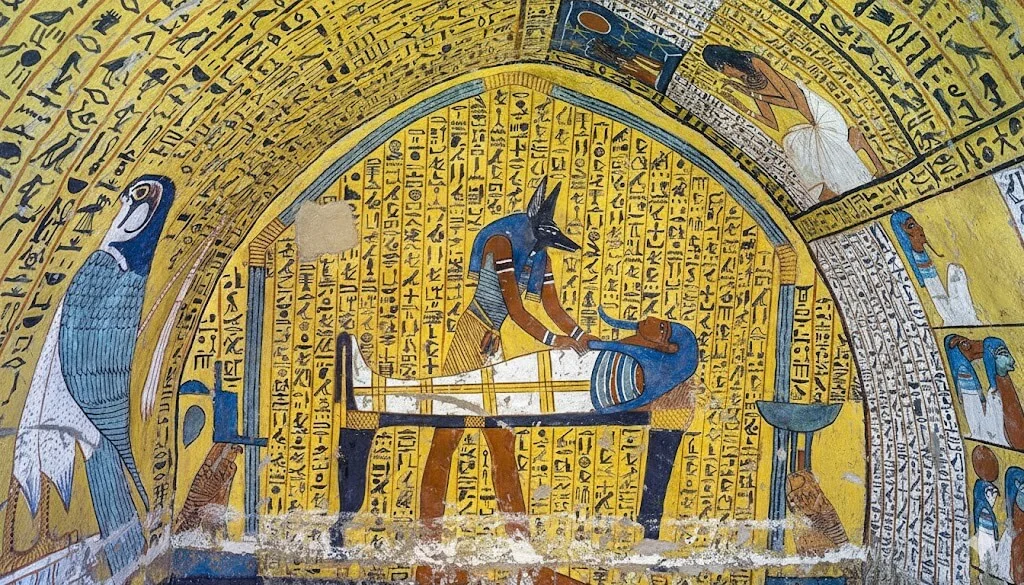
1. The Tomb of Sennedjem (TT1) – The “Sistine Chapel” of the Workers

Sennedjem served under Seti I and Ramesses II, and his tomb remains the undisputed crown jewel of the village. As soon as you descend the wooden ladder into the burial chamber, the intensity of the golden-yellow backgrounds strikes you immediately.

  • The Fields of Iaru: On the eastern wall, the artist illustrates a stunning version of the Egyptian paradise. Sennedjem and his wife harvest grain and plow fertile fields together in the afterlife.
  • Flawless Preservation: Since Gaston Maspero discovered this tomb completely intact in 1886, the pigments have never seen enough light to fade. As a result, the turquoise, deep ochre, and charcoal blacks look as fresh as the day the brush touched the plaster.

2. The Tomb of Inherkhau (TT359) – A 20th Dynasty Masterpiece

Inherkhau held the prestigious title of “Foreman of the Lord of the Two Lands.” Consequently, his tomb reflects his high status through a more sophisticated and refined artistic style.

  • The Great Cat of Heliopolis: One of the most iconic images in all of Luxor appears here: the sacred cat slays the serpent Apophis under a persea tree. Furthermore, the intricate details of the family’s linen clothing and jewelry provide a high-definition look at ancient New Kingdom fashion.

3. The Tomb of Pashedu (TT3) – The Image of Devotion

Pashedu worked as a stonemason, and his tomb radiates raw emotional power. As you reach the end of the vaulted corridor, you encounter a scene that photographers worldwide prize above almost any other.

  • The Palm Tree Scene: The painting shows Pashedu kneeling in humble prayer beneath a palm tree on the banks of a river. Because this image captures the ancient Egyptian longing for peace and cool water, it remains one of the most moving pieces of art in the entire Theban Necropolis.

The King Tut Story: Howard Carter’s House & The Tomb Replica

Go "behind-the-scenes" of the King Tut discovery! Visit Howard Carter's House in Luxor, a 1920s...
Related post
FUN

Exploring the Village Ruins: Walking the “Main Street”

Exploring the Village Ruins Walking the Main Street

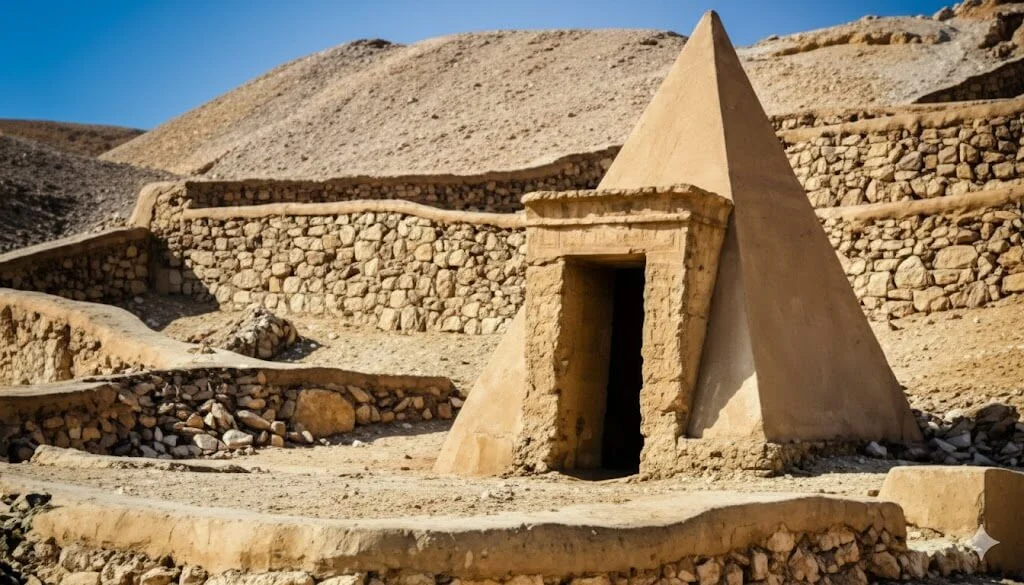
After emerging from the tombs, we recommend walking through the actual village ruins. Unlike the stone temples built for the gods, the residents built these homes for the living. By walking the ancient streets of Deir el-Medina, you create a tangible connection to the past.

  • Domestic Architecture: Specifically, you can identify the typical four-room layout of a worker’s home. Most houses featured a front reception room with a small altar, a central hall with a single pillar for the roof, a bedroom, and a rear kitchen with an open roof to vent smoke.
  • The Great Pit: Just outside the village wall lies a massive excavation originally intended as a well. However, when the workers failed to hit water, they used it as a community archive. Ironically, archaeologists found thousands of ostraca (sketches and letters) inside, documenting everything from neighborhood gossip to the first recorded labor strikes in history.

The Ptolemaic Temple of Hathor and Ma’at

The Ptolemaic Temple of Hathor and Ma’at

To complete your tour, visit the small but perfectly preserved temple at the northern end of the site. Although builders finished it much later (around 200 BC), it honors the long tradition of the valley. Notably, the temple pays tribute to Hathor, the goddess of beauty, and Ma’at, the goddess of truth and balance. Because the artists of Deir el-Medina lived by the code of “The Place of Truth,” this temple serves as a beautiful tribute to their moral legacy. Inside, you can see rare depictions of the “Weighting of the Heart” ceremony that rank among the best-preserved examples from the Greco-Roman era.

Guide to the Tombs of the Nobles in Luxor: A Window into Daily Life

The Tombs of the Nobles in Luxor offer a vivid, intimate window into the daily...
Related post
FUN

Visitor Logistics: Planning Your Deir el-Medina Experience

Masters of Their Craft; The Artisans of Deir el-Medina

Regarding the practical side of your journey, the 2026 season requires updated planning to ensure a seamless visit. At Egypt Fun Tours, we suggest the following strategies to help you navigate the “Village of the Workers” like a professional.

  • The Cashless Requirement: Notably, as of early 2026, the Ministry of Tourism has transitioned the Deir el-Medina ticket booth to a 100% cashless system. Therefore, you must carry a valid credit or debit card, as the site no longer accepts cash for entry permits.
  • Strategic Timing: Since the village sits in a sheltered natural basin, it can become quite hot by midday. Consequently, we advise arriving before 10:00 AM. This allows you to explore the open-air village ruins comfortably before the sun reaches its peak.
  • The “Hidden Path” Access: Interestingly, a scenic mountain path connects Deir el-Medina to the Valley of the Queens. If you enjoy hiking, our guides can lead you on this trail, which offers breathtaking panoramic views of the entire Theban Necropolis.
  • Photography Guidelines: Currently, your standard entry ticket includes smartphone photography (without flash). However, if you intend to use a professional tripod or a DSLR camera, you must purchase a specific permit at the main West Bank inspector’s office.

The Tomb of Princess Idut: Saqqara’s Masterpiece of Old Kingdom Art

The Tomb of Princess Idut remains one of the most significant artistic treasures in the...
Related post
FUN

Summary: Why Deir el-Medina Completes Your Luxor Story

NMEC

Ultimately, Deir el-Medina serves as the essential “missing piece” of the ancient Egyptian puzzle. While the grand temples and royal valleys showcase the power of the gods and kings, this secret valley celebrates the brilliance of the human spirit. From the vibrant, “Sistine Chapel” quality of Sennedjem’s burial to the tangible stone streets where families once lived, the site offers a level of intimacy you won’t find anywhere else in the world. Furthermore, the incredible preservation of color and the wealth of daily life records ensure that Deir el-Medina remains a top priority for any traveler seeking the true heart of Egypt in 2026.

FAQs: Deir el-Medina

How is Deir el-Medina different from the Valley of the Kings?

While the Valley of the Kings houses the Pharaohs, Deir el-Medina preserves the homes and private tombs of the artists who built them. The art here is significantly more personal, focusing on family life, nature, and agriculture rather than royal funerary texts.

Which is the best artist’s tomb to see?

Most visitors consider the Tomb of Sennedjem (TT1) the highlight because of its flawless preservation and iconic “Fields of Paradise” painting. However, the Tomb of Inherkhau is equally famous for its unique 20th Dynasty style and the “Sun Cat” depiction.

Is Deir el-Medina included in a Luxor Pass?

Yes. If you purchase the Luxor Pass (Standard or Premium), Deir el-Medina is included. Otherwise, you must purchase a specific ticket at the site’s entrance using a credit card.

Can I visit Deir el-Medina and the Valley of the Queens on the same day?

Absolutely. In fact, we recommend this pairing. Because they are located in adjacent valleys, combining them into a single morning tour saves travel time and allows you to compare the art of the royal queens with that of the artisans.

Explore the “Place of Truth” with Egypt Fun Tours

At Egypt Fun Tours, we specialize in the stories that other tours overlook. Instead of just walking through ruins, we introduce you to the personalities of the artists, the drama of their labor strikes, and the beauty of their private paradise.

Our 2026 Deir el-Medina packages include:

  1. Expert Narration: Our Egyptologists decode the specific “neighborhood gossip” found on the village ostraca.
  2. Seamless Logistics: We handle all cashless ticket transactions and timing to ensure you avoid the crowds.
  3. Private Transport: Enjoy door-to-door, air-conditioned service from your Luxor hotel or cruise ship.

Are you ready to step into the secret world of the royal artists? Contact Egypt Fun Tours today to book your private 2026 Deir el-Medina exploration!

Explore Wonders...
DIscover the Nile River and the Red Sea Charming activities....
God_Anubis_Icon
12 Days Solo Woman Tour Package (Queen Cleopatra)

Mohamed is Very Kind Person

Mohamed. I just want to thank you again for your kindness. You made our trip memorable. Give your family and the Egypt Fun Tours crew all my love and thank them again for me. Take care. Enjoy the season! Love. Linda

More »

Goes well beyond “tour”

I am tempted to say “my friend Hani” runs an amazing service, because that is how he makes you feel. I first went on the 9-hour layover tour in summer 2011. Hani and driver picked me up at the airport at 3am, and by the time I left at noon

More »
Amir review, October, 2025

BEST EGYPT VISIT EVER

My entire family enjoyed every day of our EGYPT 🇪🇬 vacation.. Our tour guide helped us set up the entire trip from beginning to end .. He helped us in every way .. Transportation, meals , shopping , museum , history , just everything .. and my kids love him

More »
6 Days Elegence of Egypt Group Tour - Cairo and nile cruise affordable tour

Superbly organized

I can’t recommend them enough. I got into Cairo on a 12-hour layover at 2:00 AM. By 3:15 Hani and his driver were meeting me at the airport. For the next five hours we strolled through lovely downtown Cairo & over the Nile, wandered through (friendly, well-organized) Tahrir Square, toured

More »
God_Anubis_Icon

Top-rated Tour Packages

God_Anubis_Icon