
How to Plan the Perfect Egypt Trip: A 10-Step Guide
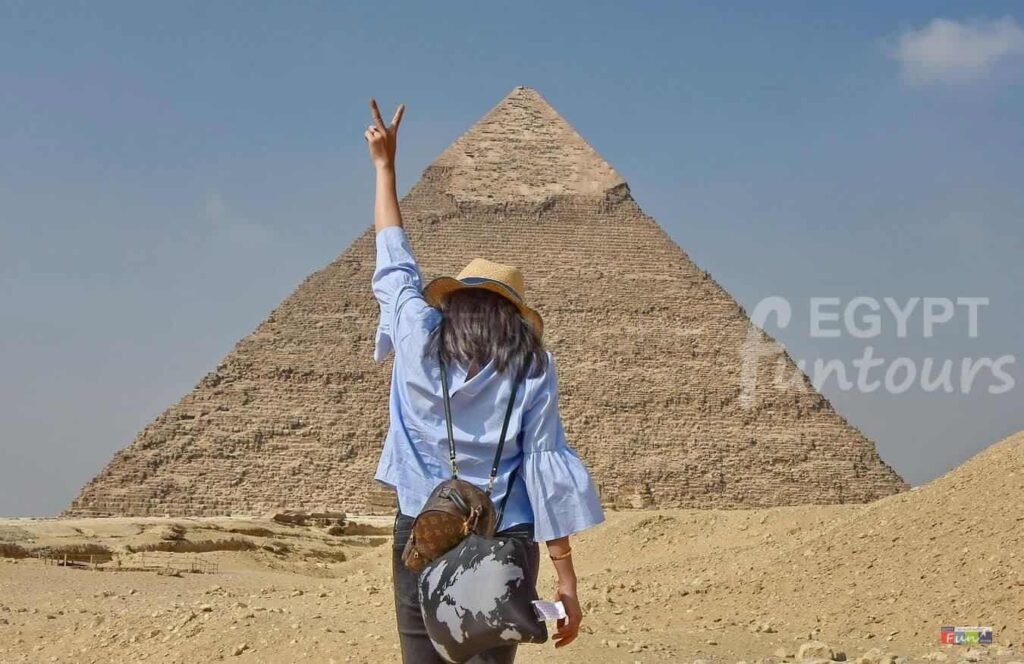
Planning your dream trip to Egypt can feel overwhelming, but this 10-step guide makes it simple. We cover everything you need to know: the best time to go (October-April), the ideal 10-day itinerary, and the “must-see” sights like the Pyramids, Valley of the Kings, and Abu Simbel. Discover why a Nile cruise is the most efficient way to travel, and get practical, expert tips on budget, what to pack, and how to get your visa on arrival.
One Day in Cairo: The Ultimate Guide to Cairo’s Timeless Wonders
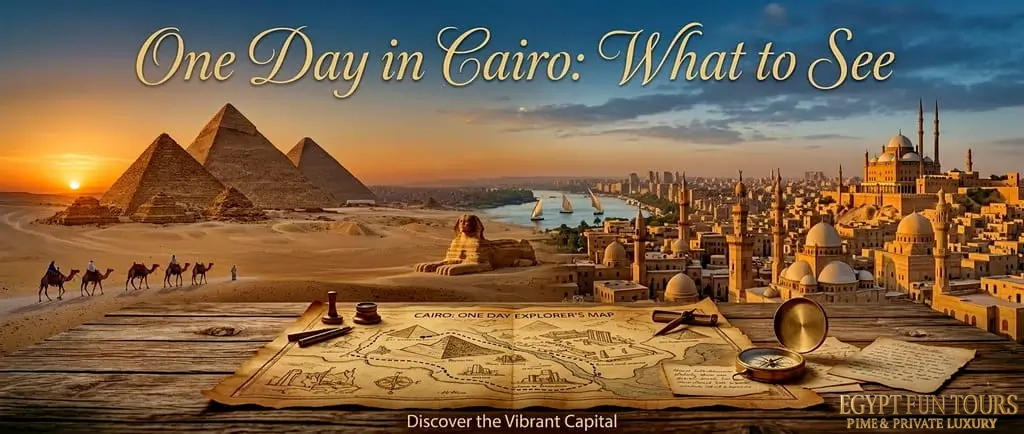
Attempting to encapsulate the profound depth of Cairo within the span of a single day is an ambitious endeavor, as this sprawling, vibrant metropolis serves as a living museum where millennia of history collide with the relentless pace of modern life. Because Cairo’s most iconic treasures are geographically dispersed and often separated by the city’s notoriously heavy traffic, the uninitiated traveler frequently finds that a single day is simply insufficient to absorb the full breadth of its cultural and archaeological significance. However, by leveraging expert logistical strategies and a refined, thematic approach to site selection, you can navigate the city’s complexities with the precision of a seasoned professional. This guide is specifically designed to transform your approach to Cairo tourism, providing you with the authoritative insights and organizational mastery necessary to optimize your itinerary, ensuring that even if your time is limited, your experience is nothing short of comprehensive and deeply memorable.
The Valley of the Queens: A Complete Guide to Egypt’s “Place of Beauty”

The Valley of the Queens, known anciently as Ta-Set-Neferu or “The Place of Beauty,” serves as the magnificent spiritual counterpart to the Valley of the Kings. Nestled in a secluded limestone amphitheater on Luxor’s West Bank, this sacred necropolis contains over 90 tombs belonging to the Great Royal Wives, princes, and high-ranking officials of the New Kingdom. The site is anchored by the breathtaking Tomb of Nefertari (QV66), a masterpiece of Egyptian art where vibrant wall paintings illustrate the Queen’s journey toward eternal life. From the tragic burial chambers of young princes to the pioneering excavations of Ernesto Schiaparelli, the Valley of the Queens offers an intimate look at royal grief, divine devotion, and the unparalleled craftsmanship of the 19th and 20th Dynasties.
The Unfinished Obelisk: Guide to Ancient Egypt’s Engineering Failure
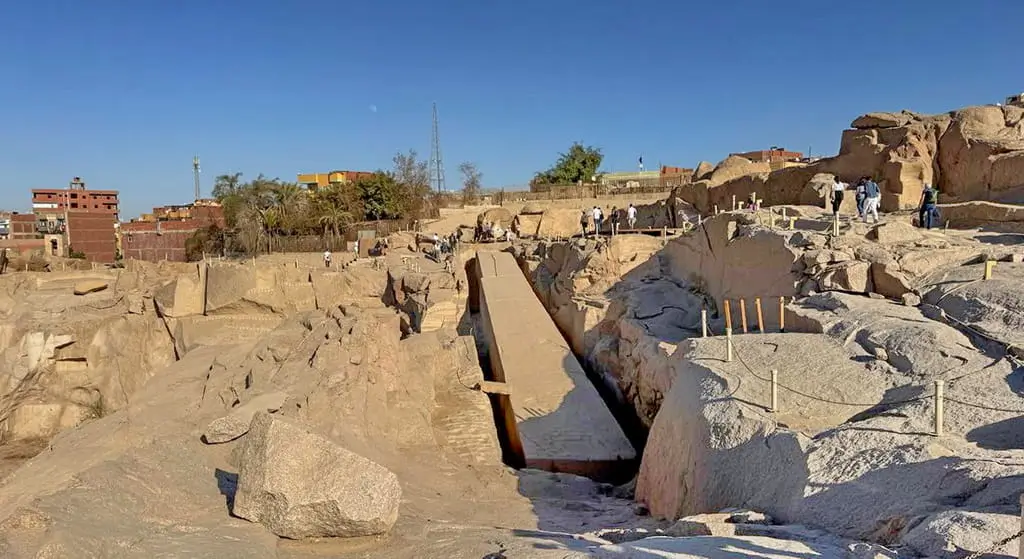
The Unfinished Obelisk stands as a haunting monument to the sheer scale of Ancient Egyptian ambition and the unpredictable reality of engineering. Commissioned by Queen Hatshepsut in the 18th Dynasty, this 1,200-ton granite monolith was designed to be the largest obelisk ever erected, intended to pierce the sky as a “petrified ray” of the sun god. However, as workers painstakingly hammered the bedrock with dolerite pounding balls, a massive crack splintered the stone’s heart, forcing the architects to abandon the project mid-carve. Today, this frozen construction site in the Aswan quarries serves as an unparalleled archaeological blueprint, revealing the exact tools, labor organization, and logistical strategies used by the ancients to move mountains.
The Temple of Edfu: A Complete Guide to Egypt’s Best-Preserved Monument
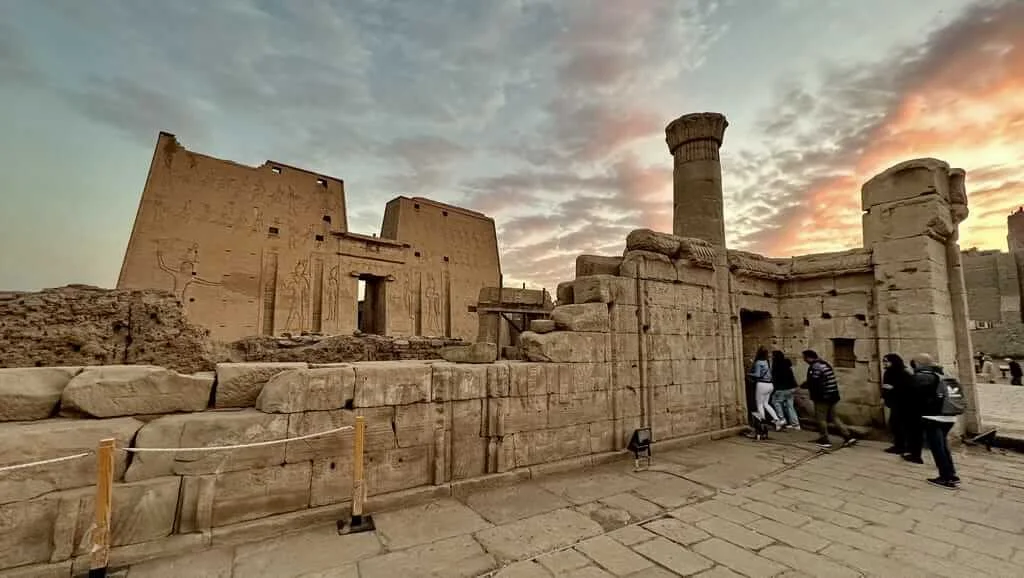
The Temple of Edfu stands as the most impeccably preserved cult monument of the ancient world, offering a 180-year sandstone record of Ptolemaic ambition and Egyptian spirituality. While other ruins whisper through fragments, Edfu speaks with an authoritative voice, housing an exhaustive “library in stone” that details everything from the chemical recipes of sacred incense to the oldest recorded theatrical scripts in human history. From the towering shadows of its Great Pylon to the protective, grotesque faces of the Bes columns in the Mammisi, the temple serves as a bridge across millennia. It reveals the origins of the divine kingship myth and provides a startling blueprint for universal themes of birth and renewal that still resonate in modern celebrations like Christmas. For the traveler or the scholar, Edfu is not merely a stop on a Nile cruise; it is the ultimate repository of a civilization that built for eternity.
Drinks During Your Egypt Trip: Guide to Safety, Juices, Tea, and Alcohol

When planning for Drinks During Egypt Trip, travelers must prioritize safety by strictly using bottled water for drinking and ice, as tap water often causes stomach discomfort. Culturally, Egypt offers a rich array of inexpensive, delicious non-alcoholic beverages like the refreshing sugarcane juice (Asab), chilled hibiscus tea (Karkadeh), and ceremonial Turkish coffee (Qahwa), which serve as central social staples. Since the majority of Egyptians abstain from alcohol, it remains restricted to licensed venues like hotels, Nile cruises, and tourist-focused restaurants, making cultural sensitivity and knowing where to purchase discreetly crucial for visitors who choose to partake.
The Giza Zoo: A Historic Journey Through Cairo’s Iconic Wildlife Park
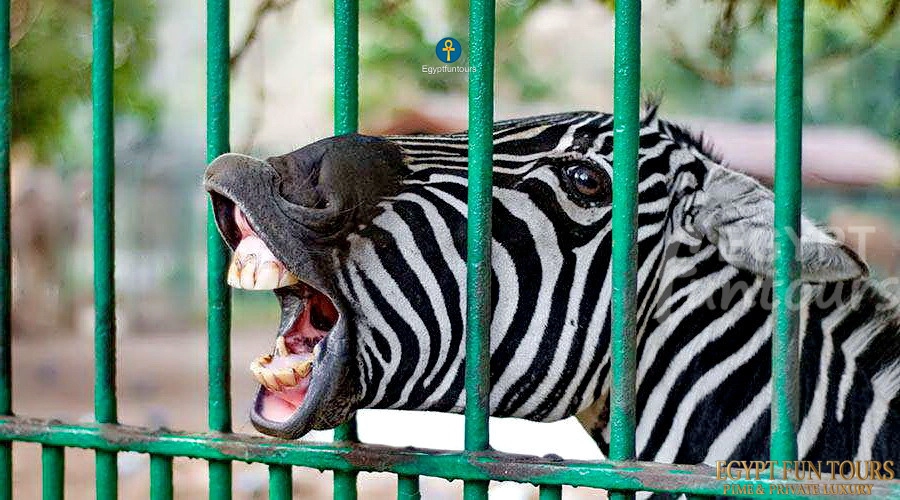
The Giza Zoo, established in 1891 and historically recognized as one of the oldest and most beautiful zoological gardens in Africa, is currently undergoing a comprehensive, multi-billion EGP redevelopment project. After decades of declining infrastructure and criticism regarding animal welfare—which led to the loss of its international WAZA accreditation in 2004—the zoo officially closed in July 2023 to modernize its facilities, transition to open-range habitats, and restore its status as a premier tourist attraction. While long cherished by Egyptians as a rare, accessible green space and a site of significant cultural memory, the ongoing transformation aims to align the park with 21st-century international standards, with a projected reopening expected following the extensive renovation efforts.
Memphis: History of Egypt’s First Capital (The City of White Walls)
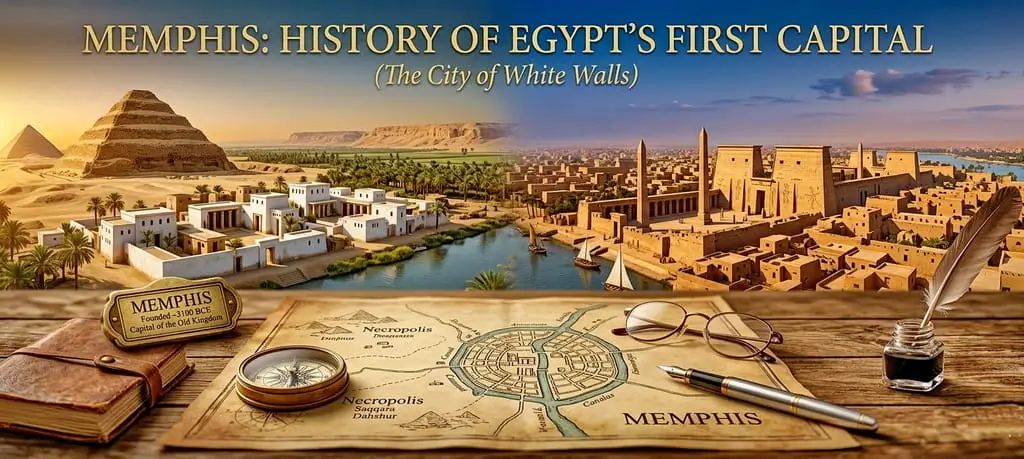
Memphis was the first capital of Ancient Egypt and arguably the first imperial city in human history. Founded by King Menes around 3100 BC to unify the North and South, it served as the administrative heart of the country for over three millennia. Known as “The White Walls,” it was the home of the creator god Ptah and the coronation site of pharaohs. Although it was eventually dismantled to build modern Cairo, its ruins at Mit Rahina and its necropolis at Saqqara remain vital witnesses to its former glory.
Salah El-Din Citadel: Guide to Egypt’s Medieval Fortress
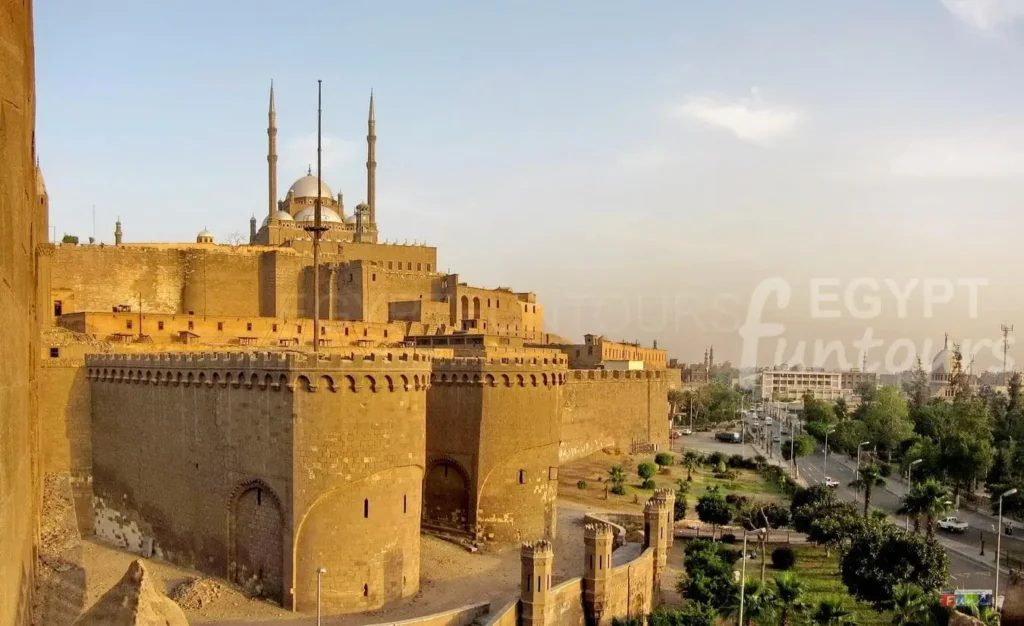
The Salah El-Din Citadel is a monumental fortress that has dominated Cairo’s skyline for nearly 850 years. Perched atop the Muqattam Hills, it was founded by the legendary Sultan Saladin in 1176 to protect the city from Crusader invasions. Over the centuries, it evolved into a luxurious royal city, housing Egypt’s rulers until the late 19th century. Its most iconic feature is the Mosque of Muhammad Ali, whose twin minarets and alabaster walls are visible from across the city. Within its fortified walls, visitors can explore Mamluk mosques, Ottoman palaces, and the National Military Museum. Offering the most spectacular panoramic views of Cairo and the Giza Pyramids, the Citadel remains the ultimate symbol of Egypt’s medieval strength and architectural splendor.
Egyptian Museum in Cairo: Guide to the World’s Oldest Collection

The Egyptian Museum in Cairo, also known as the Museum of Egyptian Antiquities, is a legendary landmark that has housed the world’s most extensive collection of Pharaonic art since 1902. Located in a stunning Neoclassical “Red Palace,” it contains over 120,000 artifacts spanning 5,000 years of history. While the Tutankhamun collection has moved to the Grand Egyptian Museum, Tahrir remains the permanent home of irreplaceable masterpieces like the Narmer Palette, the Statue of Khafre, and the lifelike statues of Rahotep and Nofret. It is an essential destination for travelers who want to experience the authentic, historic atmosphere of early Egyptology in the heart of downtown Cairo.
The Pharaonic Village: A Living Journey Through Time
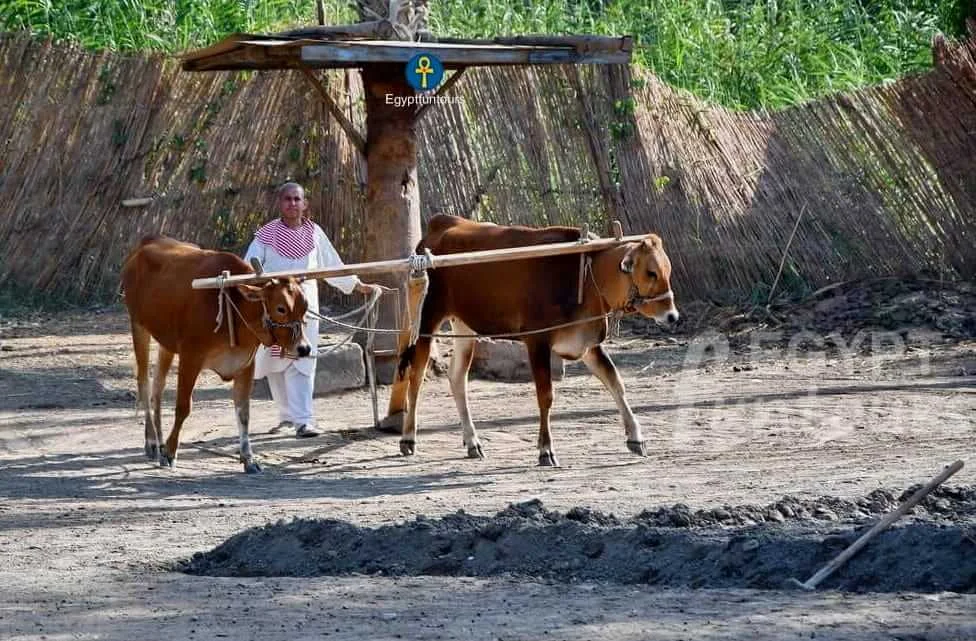
The Pharaonic Village is Cairo’s premier “living museum,” located on a lush island in the Nile. Founded by Dr. Hassan Ragab, it offers a motorized boat tour through history where actors reenact the daily life, farming, and industries of Ancient Egypt. The village features a world-class replica of Tutankhamun’s tomb, 12 specialized museums, and a functioning papyrus farm. Perfect for families and history enthusiasts, it provides a tactile, immersive experience that complements the traditional artifact-heavy museums of Cairo.
Why Egypt Fun Tours is the Best Travel Agency in Egypt
If you are planning an unforgettable trip to the land of the Pharaohs, you need to find the best travel agency in Egypt. At Egypt Fun Tours, we understand that your vacation should be seamless, personal, and deeply rewarding. Because we are recognized as the best travel agency in Egypt, we prioritize your unique needs […]