Mountain of the Dead (Gabal al-Mawta)
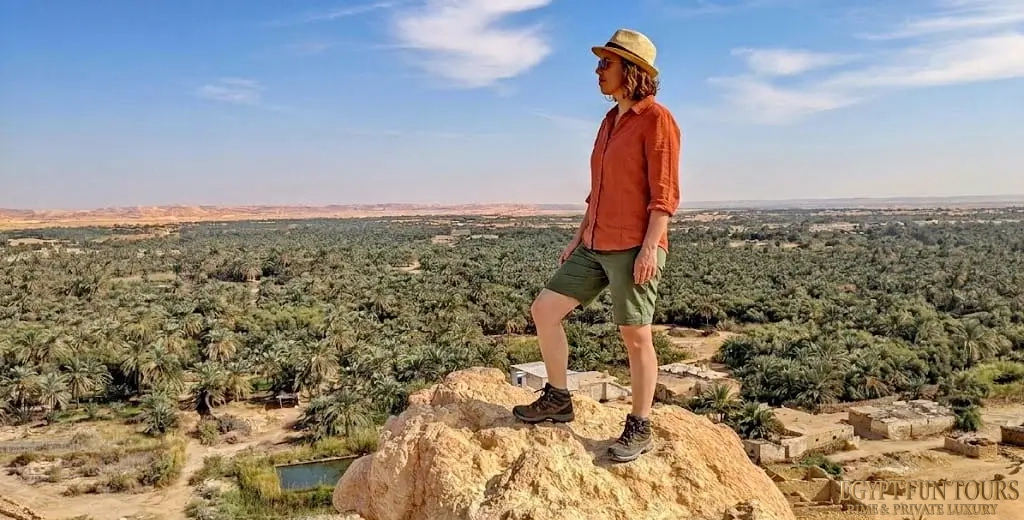
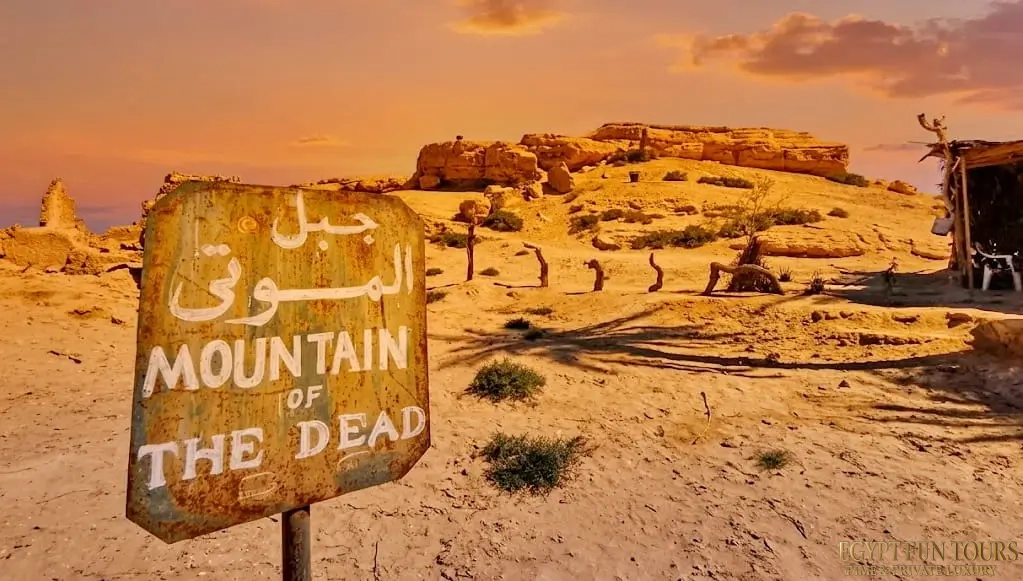
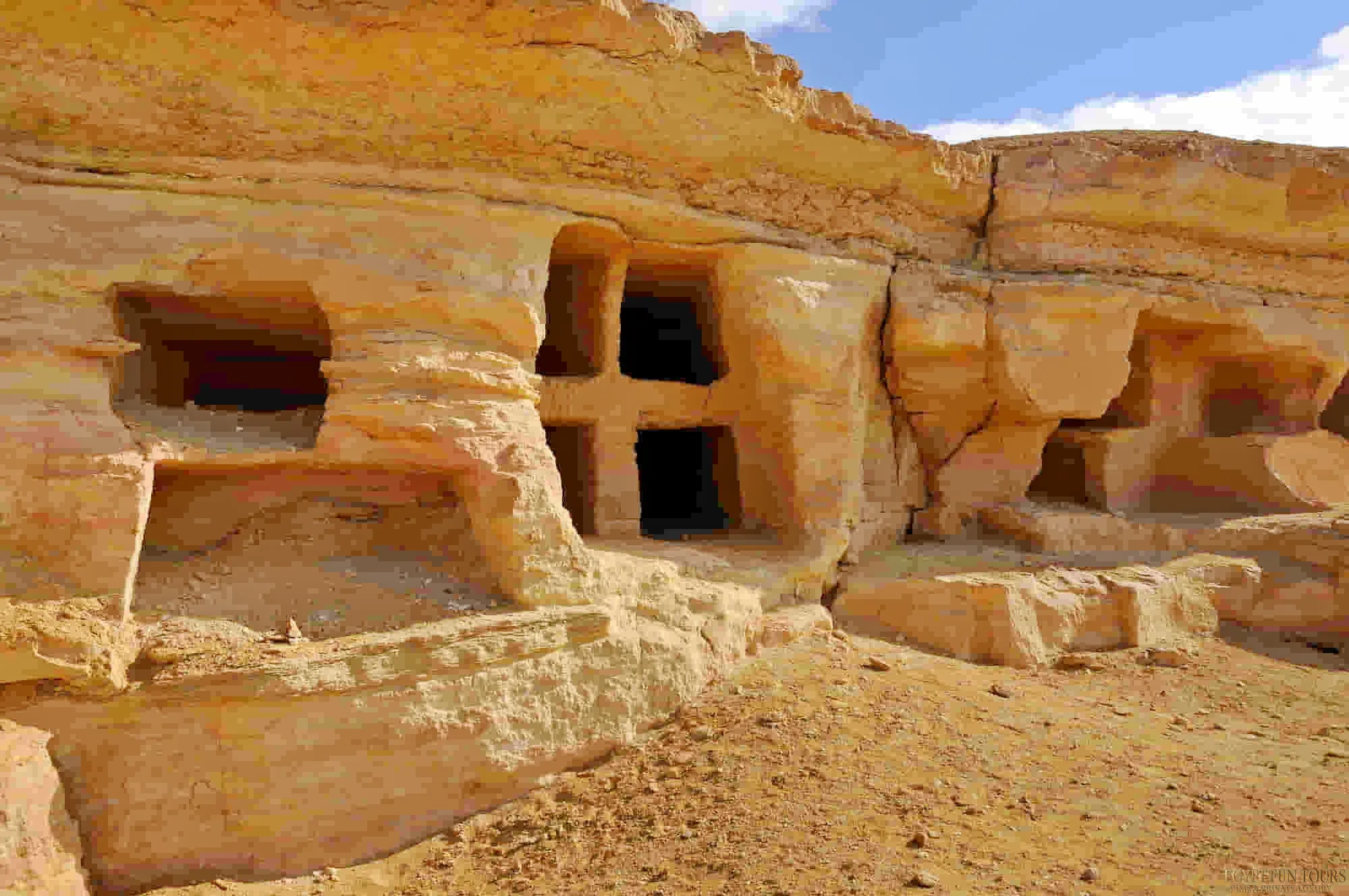
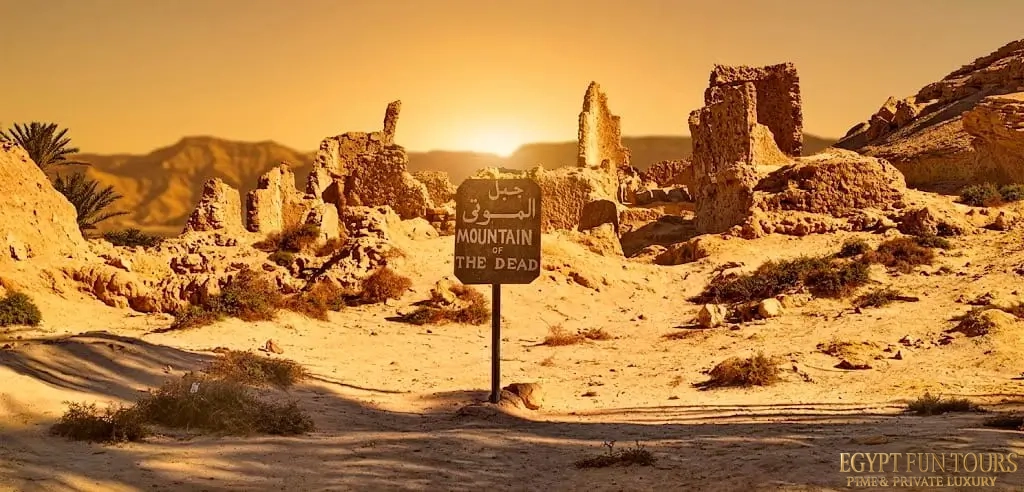
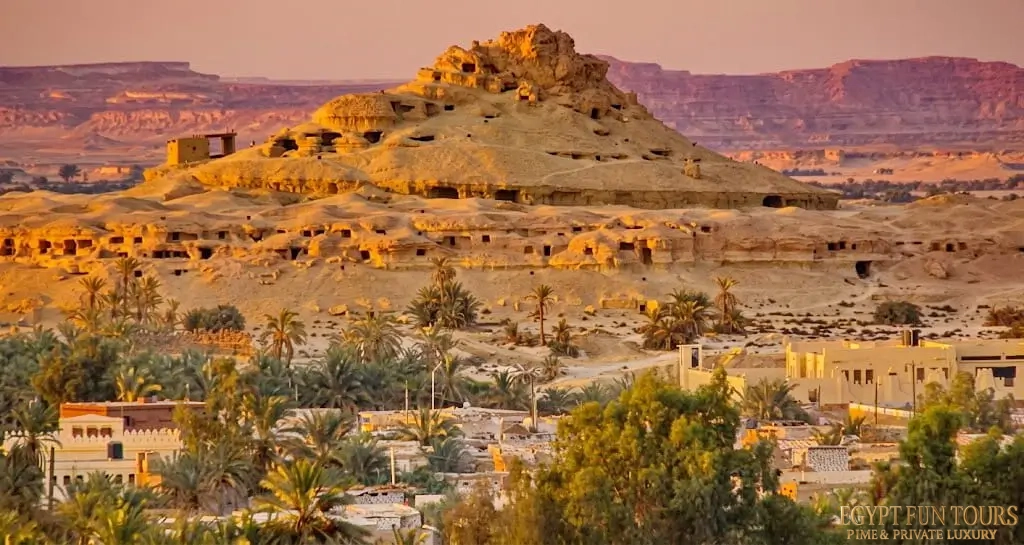
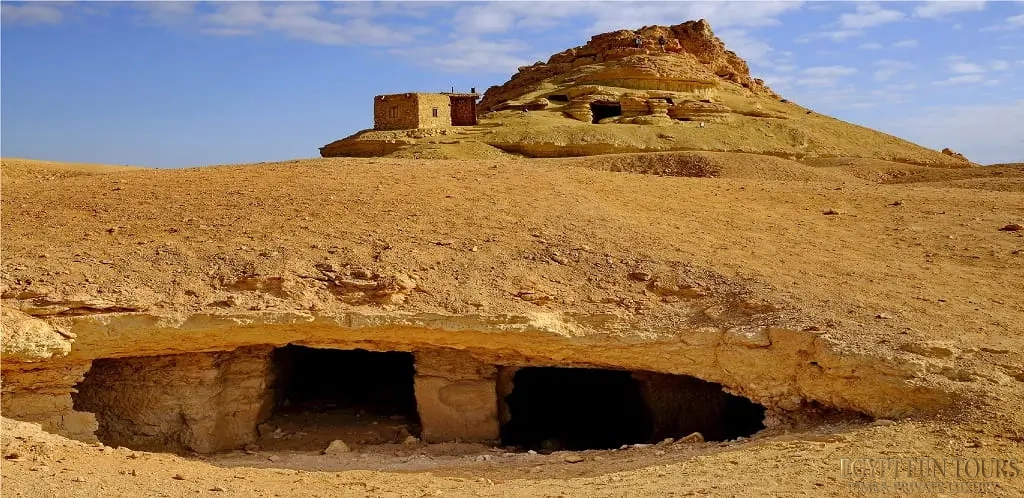
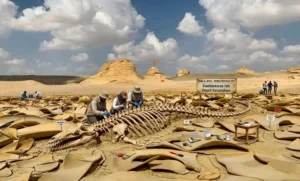
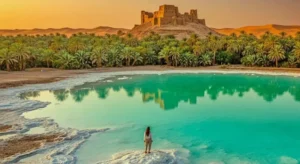
The Mountain of the Dead, known locally as Gabal al-Mawta, rises sharply above the Siwa Oasis. This limestone hill features thousands of rock-cut tombs. It acts as a major archive for the history of Siwa. Most of these tombs date back to the 26th Dynasty and the Greco-Roman period. They offer a rare glimpse into ancient funerary customs.
For many travelers, the site represents more than just a cemetery. It highlights how the Siwan people respected their desert home. People often group this site with Egyptian monasteries because both share a lonely, desert landscape. However, these sites serve different purposes. The monasteries act as living communities for active prayer. In contrast, this mountain served as a final, silent sanctuary for ancestors.
Understanding the Mountain of the Dead helps you grasp the full scope of Egypt’s heritage. It shows how the silence of the Sahara has shaped human faith for millennia. Furthermore, it clarifies how ancient traditions differ from later monastic movements.