Siwa Salt Lakes: A Journey Through Egypt’s Hidden Oasis

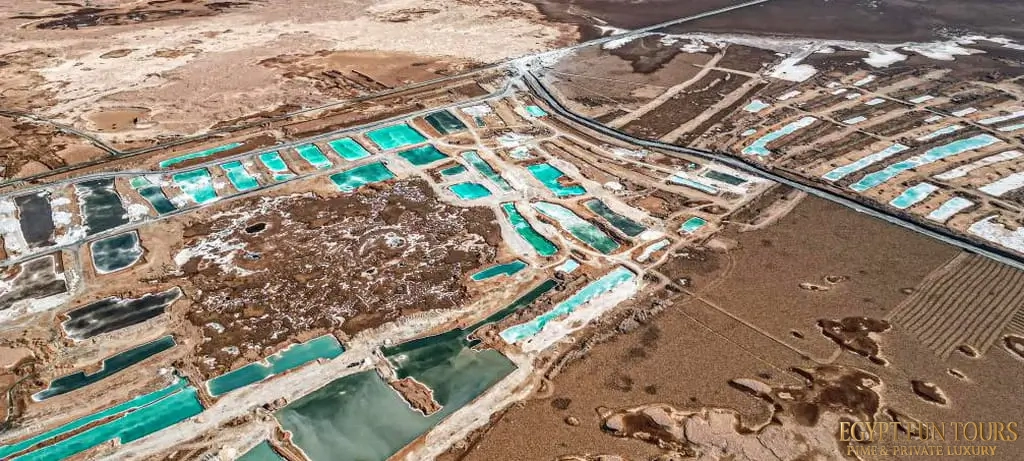
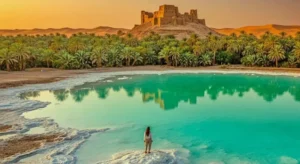
The Siwa Salt Lakes are a mesmerizing collection of turquoise pools set against the stark, golden backdrop of Egypt’s Western Desert. Formed by a unique blend of ancient geological activity and modern agricultural irrigation, these hypersaline waters are celebrated for their incredible buoyancy and reported therapeutic properties. Beyond their stunning visual appeal, the lakes serve as a focal point for the region’s traditional culture—where ancient Kershef architecture and local livelihoods have evolved in harmony with the salt-rich landscape. As both a must-visit destination for travelers seeking an ethereal desert experience and a protected site requiring sustainable stewardship, the lakes represent a delicate, timeless wonder at the heart of the Siwa Oasis.

Deep within Egypt’s Western Desert lies a rare phenomenon. Here, you will find the stunning Siwa Salt Lakes. Tucked away in a desert depression, these lakes are a true geographic marvel. They serve as the heart of one of the world’s most remote destinations. For the traveler, these lakes offer a unique experience. The water is so dense with salt that you do not just swim. You float effortlessly. It feels like you are suspended in a turquoise mirror under the desert sun.

A World Apart from the Nile

The beauty of Siwa reaches far beyond its surface. Isolated from the Nile Valley by miles of sand, Siwa has developed a distinct culture and history. This oasis boasts an ecosystem that you will not find anywhere else. The local people have long revered the healing properties of these waters. Today, we must balance this natural wonder with the need for sustainable travel.

Why You Should Explore Siwa

In this guide, we explore the true essence of the Siwa Salt Lakes. We go beyond the viral social media photos. We look at the history, the local culture, and the geography of this sanctuary. Whether you seek restorative silence or a high-end desert expedition, you must understand these lakes. This is the first step toward uncovering the secrets of Siwa. Join us as we navigate the magic that makes this desert oasis a cornerstone of Egypt’s most exclusive travel experiences.

FUN

The Geography and Origins: How the Salt Lakes Formed

The Geography and Origins How the Salt Lakes Formed

Many travelers wonder how these vibrant blue lakes exist in the middle of a hyper-arid desert. The formation of the Siwa Salt Lakes is a fascinating tale of geology and human intervention. To understand them, we must look at the unique nature of the Siwa Depression.

A Landscape Below Sea Level

The Siwa Oasis sits in a deep geological depression. In some parts, the land drops nearly 19 meters below sea level. Because the basin is so low, it acts as a natural collection point. Groundwater naturally seeps up from underground aquifers, which have sustained life here for thousands of years.

The Role of Modern Agriculture

While natural springs have always existed, the lakes have grown significantly in recent decades. The primary driver is modern agriculture. As local farmers expanded their date palm and olive groves, they increased the use of irrigation. Excess water from these farms has no natural outlet to the sea. Consequently, it drains into the low-lying areas of the basin, creating vast, permanent bodies of water.

Why the Lakes Are So Salty

Why the Lakes Are So Salty

You might wonder why these lakes are so incredibly salty. The answer lies in the intense desert heat. As the irrigation water collects in these depressions, the sun causes it to evaporate rapidly. While the water disappears into the atmosphere, the minerals and salts remain behind.

Over time, this process creates an extreme concentration of salt. In some spots, the concentration levels are nearly ten times higher than in the ocean. This extreme salinity is what allows you to float with such ease. It also creates the stunning, crusty salt formations that line the shores of the lakes, turning the landscape into a shimmering, white-and-blue masterpiece.

FUN

The Healing Power: Swimming in the Salt Lakes

The Healing Power Swimming in the Salt Lakes

The Siwa Salt Lakes are famous for more than their beauty. Many travelers visit them for their reported health benefits. The high mineral content of the water creates a unique environment for the body. Whether you are looking for relaxation or potential therapeutic relief, a dip in these waters is a bucket-list experience.

Why Floating Feels Different Here

Because of the extreme salt concentration, the water is incredibly buoyant. You do not need to exert any effort to stay on the surface. When you enter one of the pools, you will feel your body lift instantly. This sensation of weightlessness is deeply relaxing for both your muscles and your mind. It provides a rare moment of total calm in the middle of a desert expedition.

Potential Health and Skin Benefits

Local traditions have long held that the salt and minerals found here are beneficial. Many visitors report that their skin feels softer and clearer after a swim. The natural salt acts as a gentle exfoliant. Additionally, the minerals are believed to help soothe irritated skin or tired muscles after a long day of exploring Siwa’s ancient ruins.

Important Tips for Your Swim

Important Tips for Your Swim

While the experience is wonderful, you must be prepared to protect yourself. The salt crystals on the edges of the lakes can be very sharp. Please follow these simple rules to ensure your visit remains pleasant:

  • Wear Water Shoes: Protect your feet from the razor-sharp salt edges by wearing sturdy water shoes.
  • Avoid Face Contact: Due to the extreme salinity, the water will sting your eyes. Avoid splashing or getting water on your face.
  • Limit Your Time: Salt is naturally dehydrating. Plan to spend about 20 to 30 minutes in the water at most.
  • Rinse Off: Always bring fresh water to rinse your skin thoroughly after your swim. This will prevent salt buildup and irritation.

By keeping these tips in mind, you can enjoy the healing, buoyant waters safely. This unique natural spa is one of the true highlights of any visit to the Siwa Oasis.

Ain Sokhna: Your Quick Guide to Cairo’s Red Sea Paradise

Discover Ain Sokhna, Cairo's closest Red Sea paradise, located just 1.5 hours away. This stunning...
Related post
FUN

The “Big Four”: Exploring Siwa’s Major Salt Lakes

The Big Four Exploring Siwa’s Major Salt Lakes

While hundreds of small, shimmering salt pools dot the Siwa depression, four major lakes define the region’s geography. Each one offers a distinct atmosphere for the traveler. Whether you are looking for a dramatic sunset, a quiet swim, or a glimpse into the local landscape, these lakes are essential stops on any itinerary.

1. Lake Zeytoun: The Eastern Giant

Lake Zeytoun is the largest salt lake in the oasis. It stretches across the eastern side of Siwa, near the ancient ruins of the Aghormy Temple. Because of its massive size, it serves as an important ecological buffer for the region. While swimming is more common in smaller pools, the sheer scale of Zeytoun is perfect for landscape photography. It provides a stunning, vast backdrop that highlights the isolation of the desert.

2. Lake Maraqi (Fatnas Lake): The Sunset Favorite

Located in the western part of the oasis, Lake Maraqi is arguably the most famous spot in Siwa. It is often called “Fatnas Lake” because of its proximity to the iconic Fatnas Island. Travelers flock here in the late afternoon. The water reflects the vibrant oranges and purples of the desert sunset, creating an unforgettable view. It is an ideal spot for those who want to combine a refreshing float with the perfect travel photograph.

3. Lake Aghormy: The Historical Center

Positioned between Zeytoun and Maraqi, Lake Aghormy is closely linked to the history of the oasis. It sits near the remains of the Oracle Temple, where Alexander the Great once sought guidance. The lake is known for its high purity and calm waters. It offers a quieter, more reflective experience than the busier tourist sites. It is a fantastic place to contemplate the deep history of Siwa while enjoying the natural surroundings.

4. Lake Shiata: The Remote Wilderness

For those seeking true adventure, Lake Shiata is the ultimate destination. Located about 60 kilometers west of the main town, it lies near the edge of the Great Sand Sea. This lake is less accessible than the others, requiring a dedicated desert excursion. However, the reward is total silence and untouched nature. It is the perfect choice for guests of Egypt Fun Tours who want to escape the crowds and experience the raw beauty of the Sahara.

Makadi Bay: Your Guide to the Red Sea’s Upscale Oasis

Escape to Makadi Bay, a luxury Red Sea oasis just 30 minutes from Hurghada. This...
Related post
FUN

The Cultural Heart: Salt as a Way of Life

The Cultural Heart Salt as a Way of Life

In Siwa, salt is not just a geological curiosity. It is a fundamental part of the local identity. For centuries, the people of this oasis have lived in harmony with the surrounding salt pans. They have transformed this harsh, saline environment into a unique cultural heritage.

Traditional Architecture: The Art of “Kershef”

If you explore the ancient fortress of Shali, you will see a fascinating building style known as Kershef. This traditional architecture relies on salt blocks harvested from the nearby lakes. These blocks are mixed with clay and sand to create a strong, durable mortar.

For centuries, Kershef structures have protected families from the desert heat. The salt-rich walls provide excellent insulation, keeping homes cool during the day and warm at night. While modern materials have become more common, many local builders still value this ancient technique. It remains a testament to the ingenuity of the Siwa people.

Culinary Traditions and Preservation

Beyond construction, salt plays an essential role in the Siwan diet. Because the oasis is so remote, the locals developed clever ways to preserve food long before refrigerators arrived.

  • Meat Preservation: Raw meat is cut into thin strips and cured in salt. It is then hung to dry for several days. This method allows the meat to be preserved for months. It remains a tradition served during special occasions, such as weddings and festivals.
  • Daily Staples: Salt is a key ingredient in many local dishes, including mjardak, a traditional bread. You might also encounter shneenett, a local drink made from water, lemon, and salt. It is often consumed to refresh the body and contrast the sweetness of the famous Siwan dates.

Sustainable Stewardship

Today, the local community is focused on protecting its heritage. The rise in salt lake levels—caused by agricultural drainage—threatens both the land and these historic building styles. As a visitor, you can support the oasis by choosing local crafts. Look for handmade salt lamps or locally sourced olive oil. By supporting these traditional industries, you help ensure that the culture of Siwa remains vibrant for generations to come.

Protecting the Oasis: Conservation and Challenges

Protecting the Oasis Conservation and Challenges

The beauty of Siwa’s salt lakes masks a complex environmental story. While these lakes have become a major draw for tourism, the oasis faces significant pressures. Balancing local growth with the preservation of this delicate ecosystem is the primary challenge for the future.

The Rising Tide

The most pressing issue is the expansion of the lakes. Over the past few decades, the surface area of these salt lakes has grown significantly. This growth is largely due to modern agricultural expansion. Increased irrigation for date palms and olive groves, combined with poor drainage systems, has caused excess water to collect in the low-lying areas of the oasis. This rising water level threatens more than just land; it has begun to submerge homes and historic structures, putting Siwa’s unique architectural heritage at risk.

Modern Engineering Solutions

Recognizing these risks, the Egyptian government has launched major restoration projects to restore the oasis’s hydrological balance. Key interventions include:

  • New Drainage Canals: Large-scale engineering efforts, such as the construction of major open drainage canals, now redirect excess water away from residential areas and toward uninhabited depressions.
  • Well Management: Authorities have begun decommissioning old, unregulated shallow wells. By replacing these with deep, controlled freshwater wells, the region is reducing the amount of saline drainage entering the lake system.
  • Strengthening Embankments: Engineers have upgraded and elevated protective banks around the primary lakes to contain water levels and prevent flooding in vulnerable areas.

A Sustainable Future for Travelers

As visitors, we play a role in the future of the oasis. Sustainable tourism is not just a trend in Siwa; it is a necessity. Choosing eco-friendly lodges that respect traditional Kershef building methods, supporting local artisans, and minimizing your footprint during desert excursions helps the community. By visiting with an awareness of these environmental realities, you contribute to a model of tourism that values preservation as much as discovery.

The transformation currently underway in Siwa is an inspiring example of how modern science and traditional knowledge can work together. For Egypt Fun Tours, our commitment to this region means ensuring that every journey supports the long-term health of this magnificent desert sanctuary.


Avaris Hyksos Capital: Unveiling the Forgotten City of the Hebrews

Discover the lost history of Avaris, the powerful Hyksos capital that once dominated the Nile...
Related post
FUN

Practical Guide: Planning Your Siwa Salt Lakes Adventure

Practical Guide Planning Your Siwa Salt Lakes Adventure

Visiting the Siwa salt lakes is a highlight for many travelers, but it requires careful planning. Because the oasis is remote and the environment is unique, these practical steps will ensure your journey is comfortable, safe, and memorable.

Siwa Salt Lakes: The Best Time to Visit

The Siwa climate is extreme. Summer temperatures often soar above 40°C, making outdoor activities difficult.

  • The Ideal Window: Plan your trip between October and April. During these months, daytime temperatures are mild (18°C–28°C), making it perfect for exploring the Great Sand Sea, visiting temples, and swimming.
  • Winter Considerations: If you visit in December or January, be prepared for cold nights. Bring layers, including a warm jacket, as the desert temperature drops significantly after sunset.
  • Cultural Events: If you hope to experience local culture, look for the Siwa Festival in October, which takes place at the Mountain of the Dead.

Getting to the Oasis

Siwa is roughly 750 kilometers from Cairo, and the journey is a long but scenic drive through the desert.

  • Private Transfers: For a seamless experience, we recommend booking a private car. This allows for flexible photo stops, a smoother ride, and the convenience of direct door-to-door service.
  • Overnight Bus: Budget-conscious travelers often use the overnight bus from Cairo. It is an affordable option that allows you to rest while traveling.
  • Travel Time: Expect a 9 to 12-hour journey, depending on your mode of transport and road conditions. Most routes take you through the coastal city of Marsa Matrouh, which makes for a great halfway stop.

Siwa Salt Lakes: Essential Gear for Your Visit

The salt-crusted environment and intense sun require specific preparations to keep your equipment—and yourself—in good shape.

  • Water Shoes: Always bring a sturdy pair of water shoes. The salt edges are sharp and can easily cut bare feet.
  • Protective Clothing: Pack lightweight linen or cotton clothing for the day to shield yourself from the sun. A scarf is a versatile accessory that protects you from dust and sun during desert safaris.
  • Photography Kit: Bring a microfiber cloth to wipe salt spray from your lens. A polarized filter is highly recommended to reduce glare on the water and make the turquoise colors pop.
  • Self-Care: High-SPF sunscreen and lip balm are non-negotiable. Bring a reusable water bottle to stay hydrated, as the dry air and salt can dehydrate you quickly.

Siwa Salt Lakes: A Note on Responsible Tourism

As a guest in this unique ecosystem, your presence has an impact.

  • Protect the Environment: Step lightly near the white salt rims. Trash and footprints can linger in this delicate environment for a long time.
  • Respect Local Privacy: Always ask for permission before taking photographs of local people. A friendly smile and a polite inquiry go a long way in building trust.
  • Support the Community: Spend your time and budget at local craft stalls. Whether you buy salt lamps or locally sourced olives, your support helps maintain the traditional lifestyle that makes Siwa so special.
FUN
God_Anubis_Icon

Highly Recommend Egypt Fun Tours!

Several weeks ago, I reached out to Egypt Fun Tours regarding a 9-hour layover in Cairo. From the very beginning, Hani Ahmed was responsive and professional, quickly providing a well-organized itinerary tailored to our limited time. The itinerary included a visit to the pyramids, other historical sites, a delicious dinner,

More »

Goes well beyond “tour”

I am tempted to say “my friend Hani” runs an amazing service, because that is how he makes you feel. I first went on the 9-hour layover tour in summer 2011. Hani and driver picked me up at the airport at 3am, and by the time I left at noon

More »
Cairo belly dance show - Egypt Fun Tours

The BEST tour – a dream come true

I’ve been dreaming of going to Egypt since I was 7 years old. At 37, I finally made it. Even with the warnings that it’s not safe for Americans. Thankfully, Egypt Fun Tours quickly put any worry aside. Hamada, the owner, was recommended by a friend. He was our personal

More »
God_Anubis_Icon

Top-rated Tour Packages

God_Anubis_Icon