
hieroglyphs divider-small

Ancient Egyptian Pyramids: The Definitive Guide

The ancient Egyptian pyramids are the most iconic structures ever built. For over 4,500 years, they have stood as monuments to the power of the Pharaohs and the ingenuity of their architects. In 2026, these sites remain the heart of Egyptian tourism. However, discoveries and high-tech scanning are currently rewriting the history of how they were built.

At Egypt Fun Tours, we believe that understanding the pyramids requires seeing more than just Giza. You must follow the timeline of their evolution from the first stone experiments to the massive peaks of the Fourth Dynasty.

The Evolution of the Pyramid Form

The “true” pyramid did not appear overnight. It was the result of centuries of trial and error.

1. The Mastaba: The Foundation

Before pyramids, kings were buried in Mastabas. These were flat-topped, rectangular tombs made of mud-brick. They were designed to protect the body and house the soul’s earthly possessions. You can still see magnificent examples of royal mastabas at Saqqara.

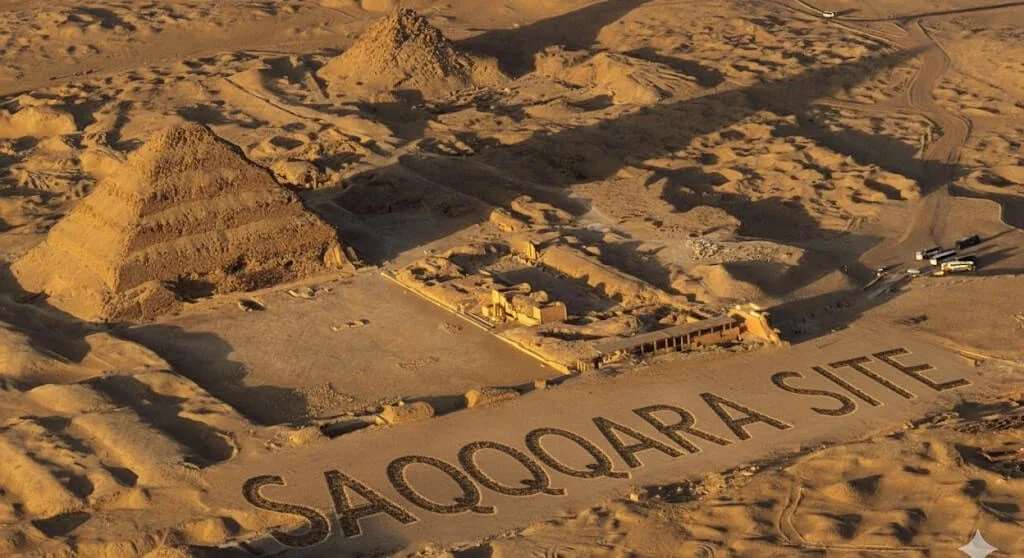
2. The Step Pyramid of Djoser (The First Stone)

Around 2630 BCE, the architect Imhotep changed history. He decided to stack six mastabas on top of each other for King Djoser. This created the Step Pyramid.

  • Significance: It was the first large-scale building made entirely of stone.
  • 2026 Update: Ongoing restoration in the tunnels beneath the pyramid has recently opened more chambers for researchers to study.

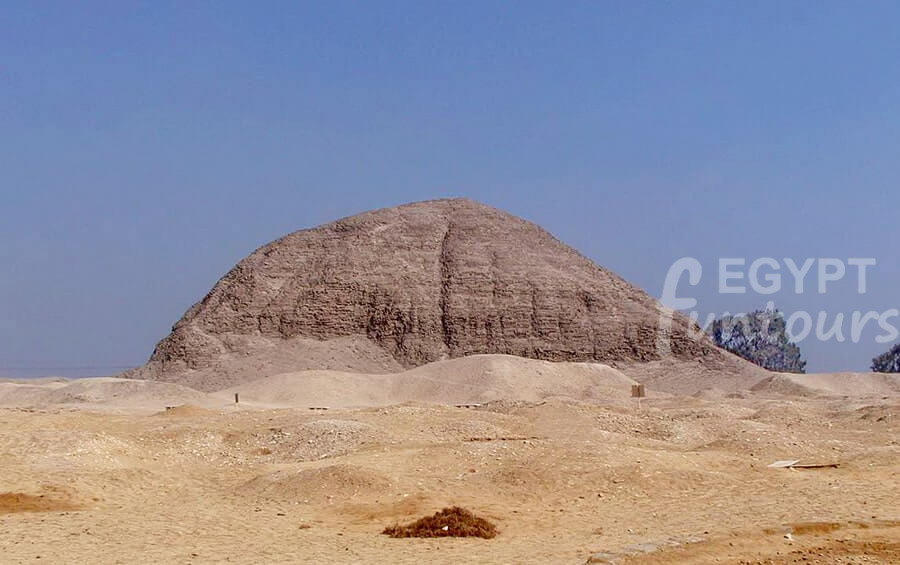
3. The Meidum Pyramid (The “Collapsed” Experiment)

The Pharaoh Sneferu attempted to build the first smooth-sided pyramid at Meidum. However, the outer casing was founded on sand rather than rock. Today, it looks like a strange, three-stepped tower because the outer layers collapsed in antiquity.

4. The Bent Pyramid (A Change of Plans)

Still seeking perfection, Sneferu built the Bent Pyramid at Dahshur. Halfway through construction, the architects realized the 54-degree angle was too steep. They changed it to 43 degrees, giving the pyramid its famous “bent” look.

5. The Red Pyramid (The First True Success)

Finally, Sneferu succeeded with the Red Pyramid. Built at a constant 43-degree angle, it is the world’s first successful smooth-sided pyramid. Because it uses red limestone, it glows a beautiful rusty color at sunset.
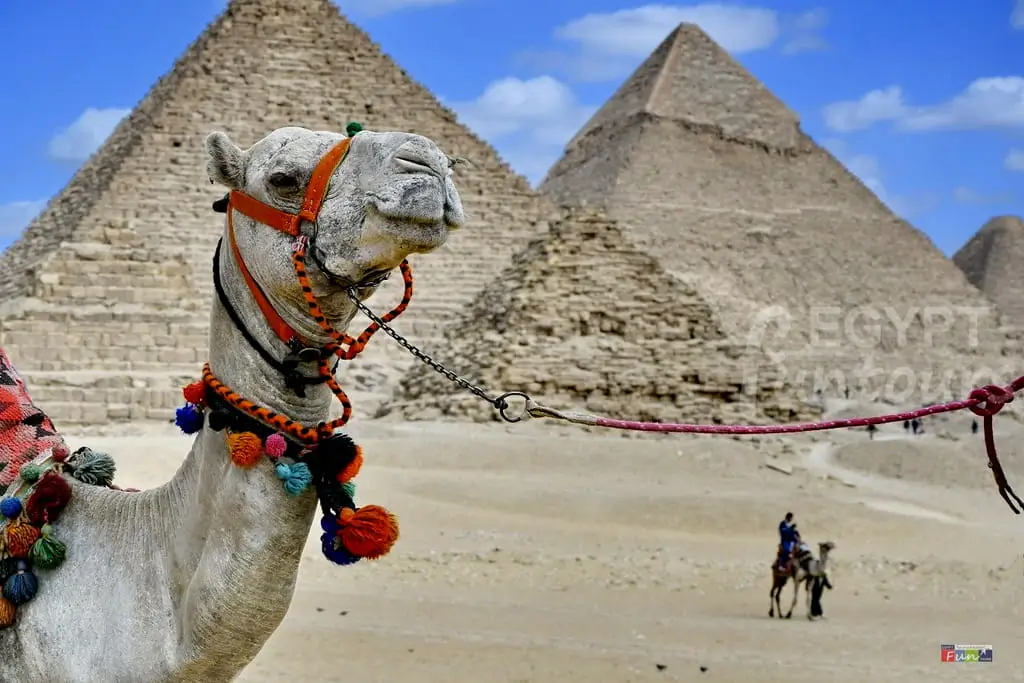

The Great Pyramids of Giza

The Great Pyramids of Giza

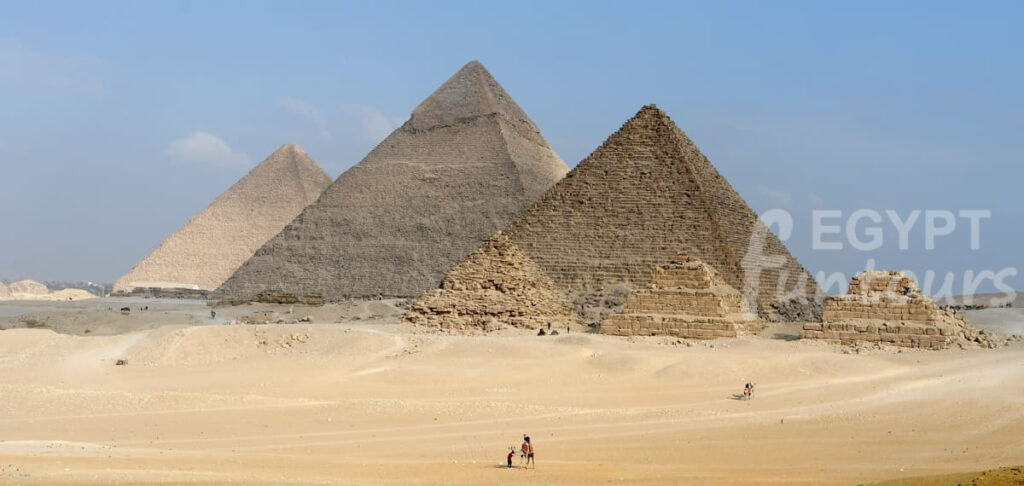
By the time Khufu took the throne, the art of pyramid building was at its peak. The Giza Plateau holds the three most famous structures in history.

The Great Pyramid of Khufu

As the last remaining Wonder of the Ancient World, Khufu’s pyramid is a masterpiece of mathematics. It was the tallest artificial structure on Earth for over 3,800 years.

Breaking News: Leading Egyptologists have recently announced a major new discovery inside Khufu’s pyramid. Advanced scanners have identified a 30-meter hidden corridor leading to a sealed door. This discovery is expected to reveal new secrets about the Pharaoh’s burial in late 2026.

The Pyramid of Khafre

Khafre’s pyramid is the second-largest at Giza. It is easy to identify because it still has its original polished limestone casing at the very top. Although it is shorter than Khufu’s, it appears taller because it sits on higher ground.

The Pyramid of Menkaure

The smallest of the three main pyramids, Menkaure’s tomb is famous for its lower layers made of Aswan granite. This dark stone provides a beautiful contrast to the white limestone of the other pyramids.


Quick Comparison of Major Pyramids

Pyramid Name Location Pharaoh Main Feature
Step Pyramid Saqqara Djoser The world’s first stone pyramid.
Bent Pyramid Dahshur Sneferu Unique angle change mid-build.
Red Pyramid Dahshur Sneferu The first successful smooth pyramid.
Great Pyramid Giza Khufu The largest and last surviving Wonder.

Essential Travel Tips

  • Visit Dahshur for Solitude: If you want to experience a pyramid without the Giza crowds, go to the Red Pyramid. You can often enter the burial chamber and be the only person inside.
  • Combine with the GEM: The Grand Egyptian Museum (GEM) is located just minutes from the Giza pyramids. Plan your visit to see the artifacts found in the workers’ villages after you see the pyramids themselves.
  • Early Morning is Best: Aim to arrive at the Giza Plateau by 8:00 AM. This allows you to beat the heat and the large tour buses that arrive after 10:00 AM.

Ancient Egyptian Pyramids: FAQs

Can you go inside the pyramids?

Yes. You can enter Khufu, Khafre, Menkaure, and the Red Pyramid. Note that the tunnels are narrow and steep. If you are claustrophobic, you may prefer to stay outside.

Were the pyramids built by slaves?

No. Modern archaeological evidence from workers’ villages shows that the builders were skilled, paid laborers who were well-fed and highly respected.

Is the Giza Plateau safe?

Absolutely. Egypt has invested heavily in the security and infrastructure of the Giza Plateau. The area is now more pedestrian-friendly than ever before.

Isis with wings
hieroglyphs divider-small

Egypt Tours FAQs

If you want to apply for a Visa On Arrival that lasts for 30 days, you must be from one of the eligible countries, have a passport that is still valid for at least 6 months, and pay $25 USD in cash. If you want to apply for an Egypt e-Visa that lasts for 30 days, you must have a passport that is still valid for at least 8 months, fill out the online application, pay the fee, and print the e-visa so you can later show it to the airport border You can potentially be one of the fortunate few to be granted a free visa valid for 90 days. Learn more about the travel visa for Egypt.

Egypt tours are highly safe since Egypt is a largely crime-free zone that offers the best holiday to all guests. So long as you use a reputable travel agency and stick close to your tour leader.

The Egyptian government has implemented a lot of safety precautions to safeguard all Egyptian visitors, such as regular cleaning of all sites. To ensure a safe environment for everybody, every visitor to Egypt will be required to produce proof of a negative PCR test, which must be conducted within 72 hours of arrival.

The finest months to visit Egypt are from late August to April, throughout the seasons of autumn, spring, and winter, when the average temperature is 21 C (70 F), suitable for all international visitors who want to enjoy the best of Egypt in a relaxed atmosphere.

A half-day or full-day tour to Egypt’s magnificent pyramids will cost between $45 and $70, depending on the number of participants.

Every Egypt tour package has a different price depending on the style of trip, whether luxury or affordable, as well as the number of days and customers participating in the tour. Budget tours cost between $390 and $1099, while Luxury tours cost between $1099 and $3999.

Ancient Egyptian Pyramids

Let's show you the wonders of Egypt

hieroglyphs divider-small