Amenhotep III: The Dazzling Sun Disk and Golden Age Pharaoh

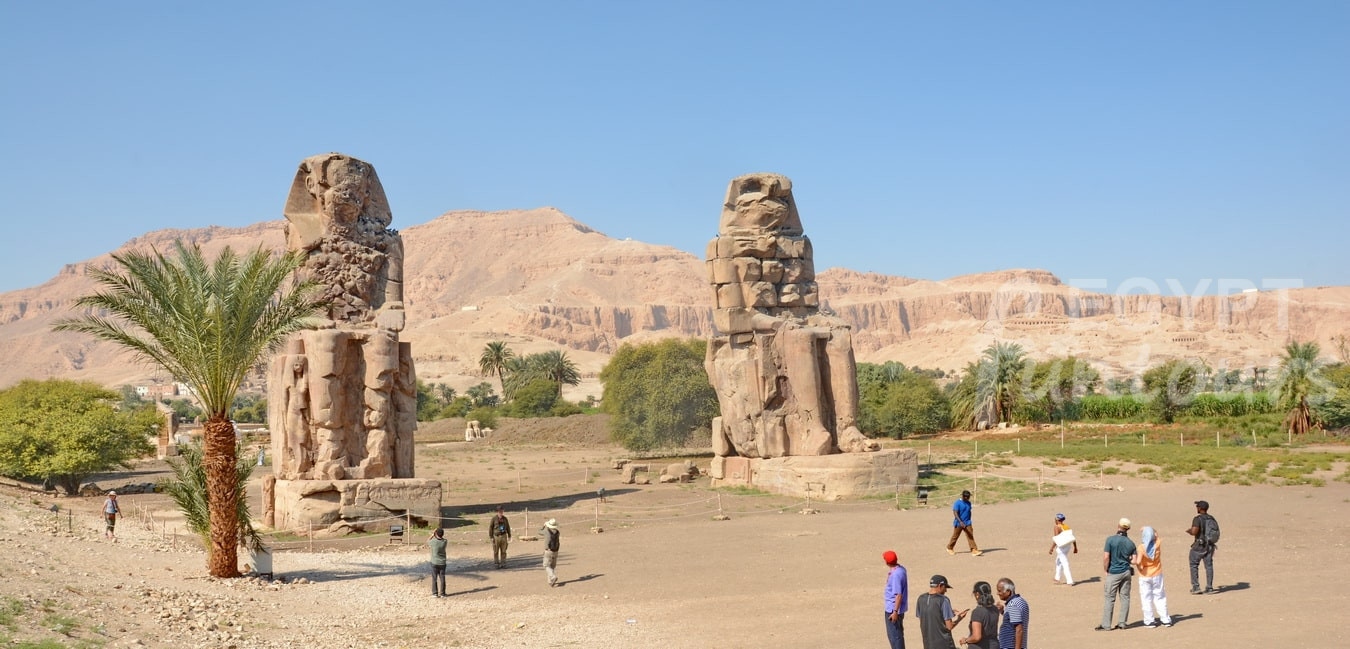
Amenhotep III (reigned c. 1388–1351 BC) was one of ancient Egypt's most magnificent and powerful pharaohs, presiding over the zenith of the New Kingdom's international prestige and wealth. Often called "The Dazzling Sun Disk," he maintained peace across his vast empire through diplomacy and strategic alliances, secured primarily through marriage treaties, rather than constant warfare. Amenhotep III's reign was a time of immense building activity, most famously the magnificent Temple of Luxor and his massive mortuary complex on the West Bank of Thebes, marked today by the colossal Colossi of Memnon. His focus on luxurious living, massive building projects, and diplomatic stability made his era a peak of Egyptian artistic and economic prosperity, setting the stage for the religious revolution of his son, Amenhotep IV (Akhenaten).
WhatsApp
Email
Print

King Amenhotep III: The Magnificent Pharaoh

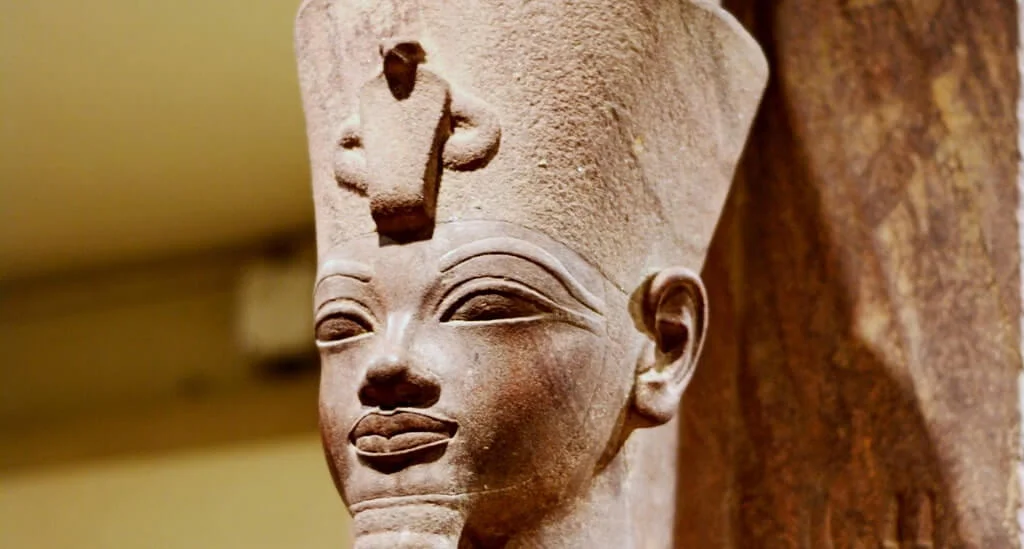
King Amenhotep III was a pharaoh of the 18th Dynasty of Egypt. He ruled during a period of unprecedented prosperity and stability, often called the golden age of ancient Egypt. His reign, from approximately 1386 to 1349 BCE, was one of the longest and most successful in Egyptian history. King Amenhotep III focused on diplomacy and lavish building projects rather than military conquest. This strategy brought peace and immense wealth to the kingdom.

The eye of Horus

A Golden Age of Peace and Power

luxor temple cache location - Amenhotep III

King Amenhotep III inherited a stable and powerful empire from his predecessors. He did not need to lead major military campaigns. Instead, he used diplomacy to maintain Egypt’s dominance. Through a series of royal marriages, he secured alliances with other powerful rulers of the Near East, including those from Babylon and Mitanni. His court was a center of international relations, and he corresponded with his fellow kings through the famous Amarna letters. These diplomatic efforts ensured a long period of peace. This peace allowed him to pour the nation’s vast wealth into artistic and architectural projects. This era of stability also fostered a thriving economy. Egypt became a hub of trade, with goods from across the ancient world flowing into its markets. This economic prosperity further strengthened the pharaoh’s authority and provided the resources for his ambitious building program.

Golden Scarab

The Builder of Monumental Projects

Memnon colossi of king amenophis III 4 min 1

King Amenhotep III was one of the greatest builders in ancient Egypt’s history. His projects were not just grand; they were designed to reflect the pharaoh’s divine status and the prosperity of his reign. He transformed Thebes into a city of unparalleled splendor.

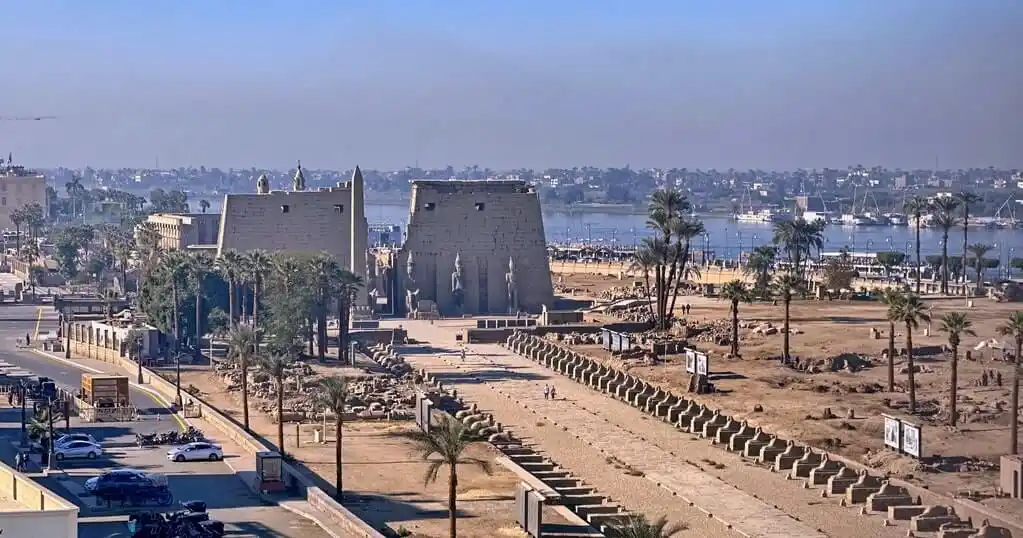
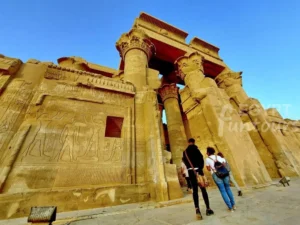
  • The Temple of Amun at Luxor: He initiated the construction of the magnificent Luxor Temple. This temple was dedicated to the Theban Triad of Amun, Mut, and Khonsu. It was built to host the annual Opet Festival, a major religious event that celebrated the pharaoh’s connection to the gods.
  • The Mortuary Temple: His mortuary temple on the west bank of the Nile was the largest of its kind. Today, only two colossal statues remain from this temple. Known as the Colossi of Memnon, they originally flanked the temple’s entrance. The sheer size of these statues gives us a sense of the temple’s original scale.
  • Malqata Palace: He built a vast royal palace complex at Malqata on the west bank of Thebes. This was a city in its own right, with royal residences, administration buildings, and a large ceremonial lake. The palace showcased the pharaoh’s incredible wealth and power.

Alexander the Great: Travel the Path of a Pharaoh-King

Alexander the Great became Pharaoh in Egypt (332 BC). He founded Alexandria, a world capital,...
Related post
The eye of Horus

Art and Cult of King Amenhotep III

4-day-christmas-nile-cruise

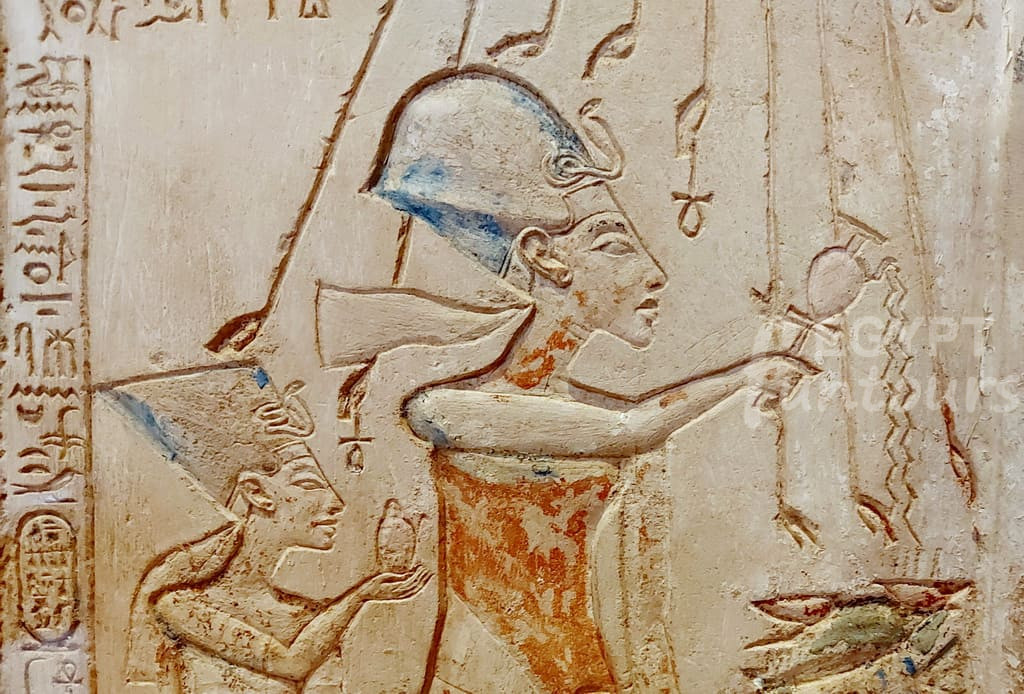
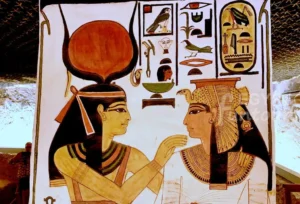
Amenhotep III’s reign saw a flourishing of Egyptian art. Artists created sculptures and reliefs of incredible quality and detail. This artistic output was a key part of his strategy to consolidate power. He promoted the worship of the Aten (the sun disk). He initially did this as a way to enhance his own divine status. This religious shift laid the groundwork for his son, Akhenaten’s, later religious revolution. Amenhotep III elevated his queen, Tiye, to an unprecedented position of prominence. She often appeared by his side in monumental art, showing her great influence. The art from this period is notable for its serene realism and subtle idealism, moving away from the rigid formalism of earlier dynasties.

King Chephren (Khafre): The Pharaoh of the Sphinx and the 2nd Pyramid

King Chephren (Khafre) is the master of the Giza Plateau. While his father, Khufu, built...
Related post
Golden Scarab

Family and Succession

Ankh under the reign of King Akhenaten Ankh the Key of life by the ancient Egyptians Egypt Fun Tours

Amenhotep III had a large family. His most famous son, Amenhotep IV, would later change his name to Akhenaten and lead the Amarna revolution. This radical shift in religion and art, though temporary, would reshape Egyptian history. The transition of power from Amenhotep III to his son was a pivotal moment. It marked the end of a golden age and the beginning of a period of religious turmoil. However, Amenhotep III’s long and stable reign provided the foundation upon which Akhenaten could build his new order, for better or worse.

King Khufu: The Pharaoh Who Built the Great Pyramid (Complete Biography)

King Khufu is the greatest paradox of Ancient Egypt. He built the single largest stone...
Related post
The eye of Horus

The Legacy of Amenhotep III

luxor temple - 5-day wheelchair-accessible tour

King Amenhotep III’s legacy is one of power, peace, and unparalleled artistry. His long and peaceful reign established a period of great stability. It allowed Egypt to reach the height of its power and influence. He left behind a vast number of temples, statues, and monuments that still stand today. They are a testament to his ambition and the resources he commanded. His reign provides a vital link between the triumphs of the early 18th Dynasty and the radical changes of the Amarna Period. His influence is visible not only in the monumental architecture he left behind but also in the diplomatic and artistic traditions he established. He remains one of the most celebrated and studied pharaohs of the New Kingdom.

Weather in Egypt

God_Anubis_Icon

My Dream Came True

I had waited 60 years to get to Egypt; in fact, it was my 60th birthday gift to myself. I went with my oldest daughter, and the experience was excellent. It was meticulously planned by the tour company and was designed for me and my daughter. I never had a

More »

Valley of Whales – Wadi El Hitan and Wadi El Rayan

What a blast! It was an amazing day and a 5-star day trip. Everything was organised from A to Z by Hamada and Mohamed at Egypt Fun Tours in a timely manner. Pick up/drop off from/to the hotel, exquisite lunch and snacks, 4×4 jeep. Everything was as advertised. Also, the

More »

Valley of the Kings, Hepchepsut

I never had a more positive experience and educational time than this tours. Learning about a variety of kings and queens was amazing! The tour guide was super nice and helped me and my friend every step of the way! Including bargaining for a few souvenirs! I will never forget

More »

Good but did not get what I paid for…

I had an 11 hour layover in Cairo. I wrote to them based on recent reviews for them on this site. After a few email exchanges with Hati, who I think is one of the owners, I was ready to get there. I was greeted by Hatem, a very good

More »
hani ahmed 1

Hani Was our Awesome Tour Guide!

We had an 11-hour layover in Cairo on 12/15/2011. We wanted to go to see the Pyramids, Tahrir Square, and possibly the museum. We were so lucky to have a guide, Hani from Egypt Fun Tour, who made it possible to see all the above, plus the Bazaar, and time

More »
God_Anubis_Icon

Top-rated Tour Packages

God_Anubis_Icon
WhatsApp
Email
Print