
Tour Egypt in November: The Perfect Peak Season Guide
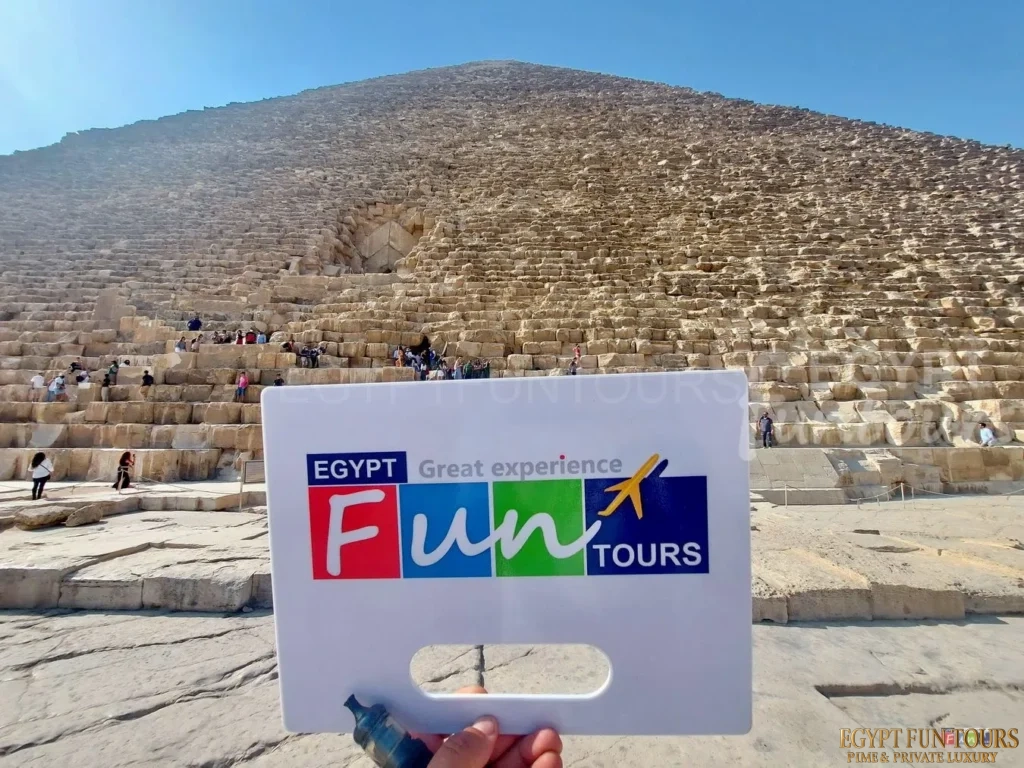
Tour Egypt in November to experience the country at its absolute best. The weather is flawless, offering perfectly mild, sunny days and cool evenings that are ideal for sightseeing. It’s the single best month for a comfortable Nile cruise to Luxor and Aswan and for exploring the Giza Pyramids without the heat. As the start of the popular peak season, be sure to book in advance to lock in this “golden window” before the main holiday rush arrives.
Discover the Islamic Treasures at the Civilization Museum (NMEC)
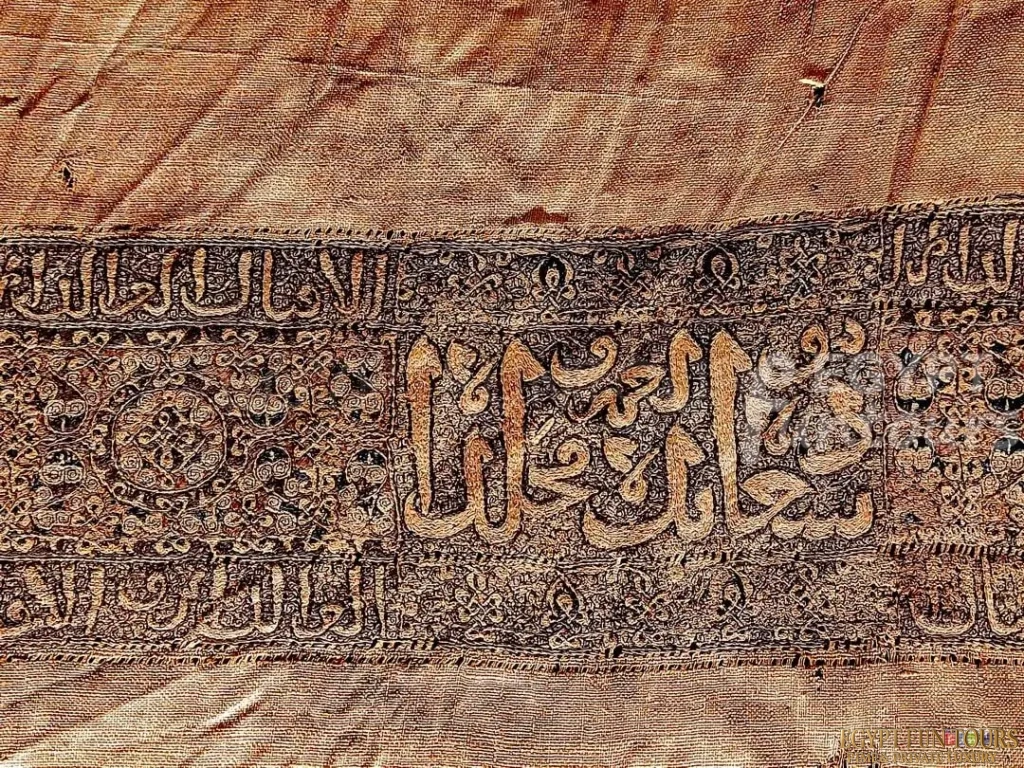
After visiting the Royal Mummies, journey into Egypt’s next great era in the Islamic Artifacts section at the NMEC. This is where you discover the incredible splendor of medieval Cairo, the “City of a Thousand Minarets.” See stunning, hand-illuminated Qurans, intricate metalwork (like astrolabes and lamps), and fine mashrabiya (woodwork). A major highlight is the collection of sacred Kiswa fragments—the ornate, embroidered textiles that cover the Holy Kaaba in Mecca. It’s a beautiful look at the art, science, and culture of Egypt’s Islamic Golden Age.
Explore Egypt’s Coptic Heritage at the Civilization Museum (NMEC)
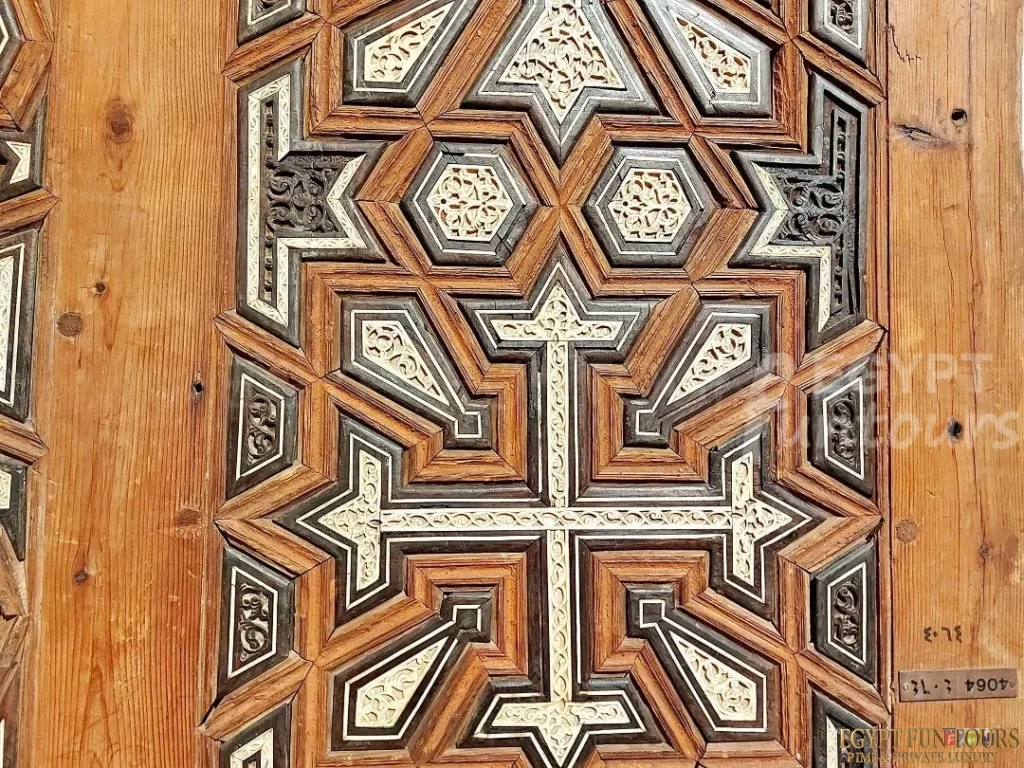
Journey into the fascinating era that bridges the gap between the pharaohs and Islamic Egypt. The Coptic Artifacts Hall at the NMEC showcases the incredible art and faith of Egypt’s earliest Christians. Here, you will discover a unique blend of traditions, where ancient Egyptian, Greek, and Roman art styles merge with new Christian symbolism. Explore beautifully painted icons, see some of the world’s oldest and most intricate textiles, and admire ancient, hand-written Bibles and religious texts. The collection features stunning woodwork, stone carvings from early monasteries, and artifacts that tell the story of a pivotal time in Egypt’s spiritual history.
Explore Egypt’s Greco-Roman Treasures at the Civilization Museum (NMEC)
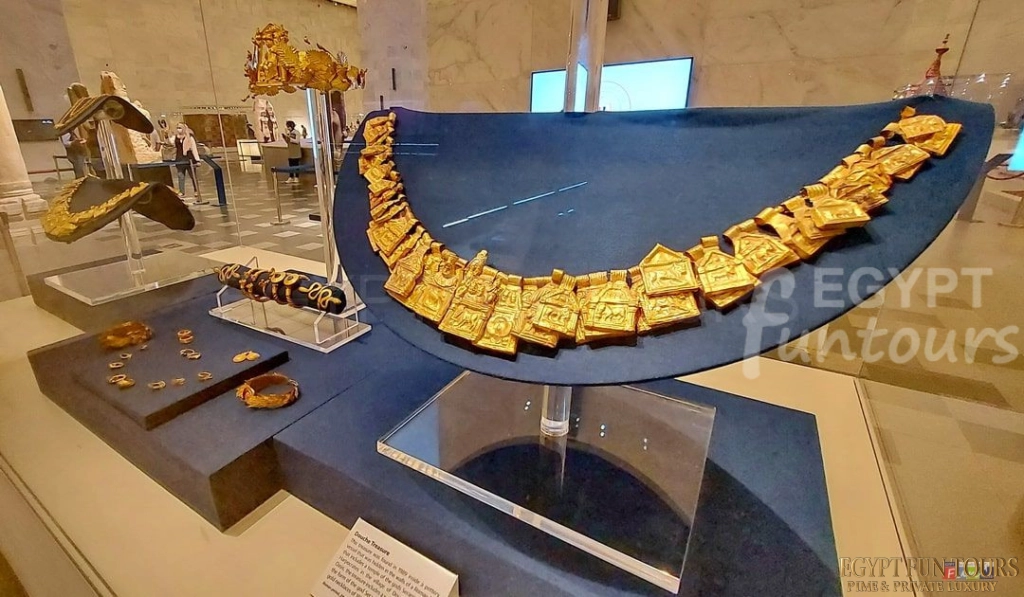
Step into the “melting pot” of ancient history in the Greco-Roman Hall at the NMEC. This fascinating section shows what happened when Egypt’s pharaonic legacy collided with the culture of Alexander the Great and the power of the Roman Empire.
Discover a unique fusion of art and religion, where Egyptian gods were given Greek faces and Roman emperors were depicted as pharaohs. The collection features stunning Fayoum mummy portraits—lifelike paintings of the deceased placed on their mummies, blending Egyptian burial rites with realistic Roman art. You’ll also see elegant statues, pottery, intricate jewelry, and coins that tell the story of a cosmopolitan Egypt, with Alexandria as the intellectual capital of the Mediterranean world.
The Legacy of Egypt: A Masterclass in History, Geography, and Global Tourism
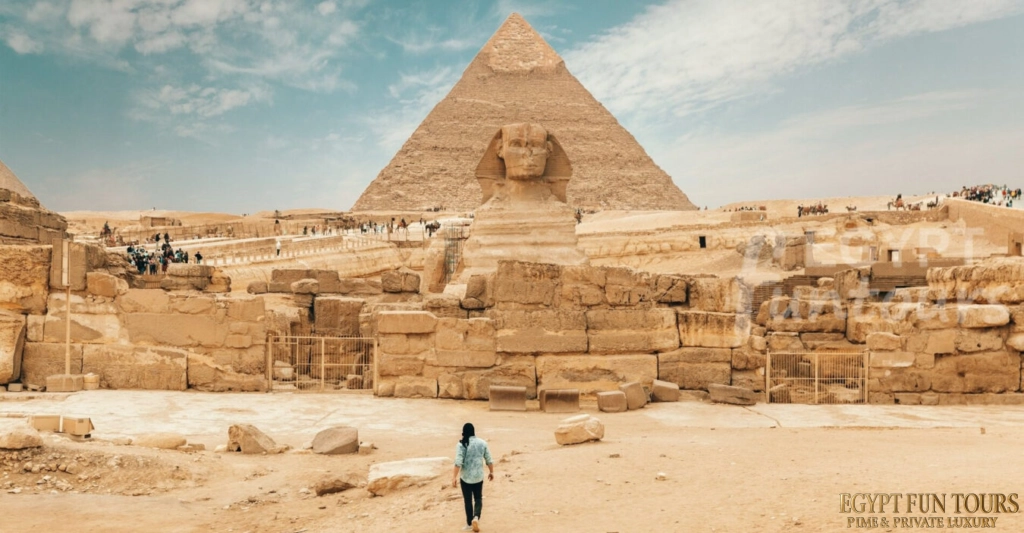
Egypt “Ms Re” Since the beginning of time, a mysterious place inhabited by increasingly more mysterious people has chosen to alter the course of human history and propel humanity into a new era of development and technological advancement to build heaven on earth. According to all criteria, Egypt’s ability to withstand the ravages of time […]
The Map of Egypt: A Complete Guide to Its Geography, Cities, and Borders
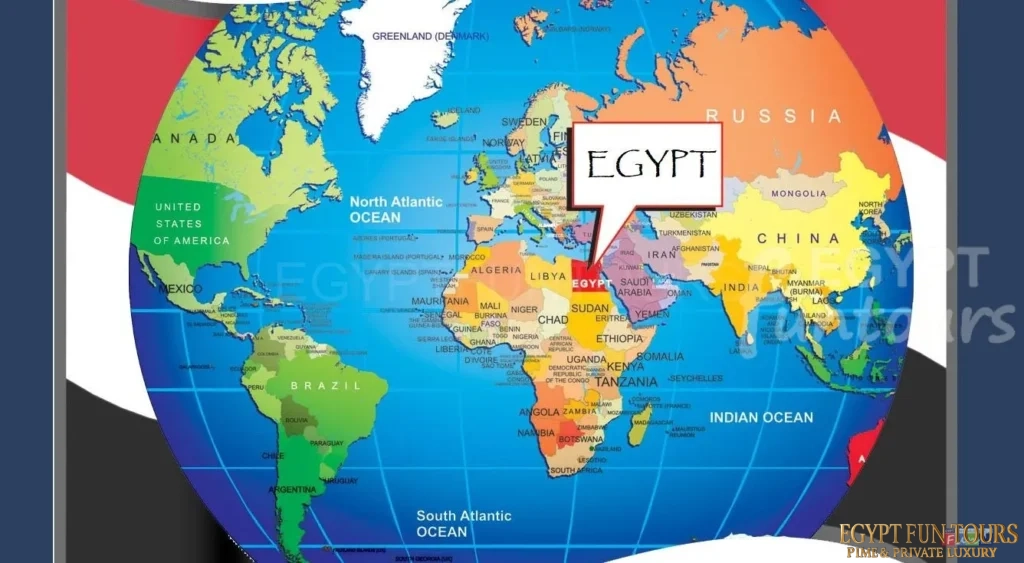
Explore the map of Egypt, a landscape defined by the life-giving Nile River and vast deserts. This guide breaks down the country’s unique geography, from the fertile delta and Mediterranean coast to the strategic borders shared with Libya, Sudan, and Palestine. Discover how Egypt’s location at the crossroads of continents shaped its history, concentrated its population along the riverbanks, and gave rise to major cities like Cairo and Alexandria.
Memphis Open Air Museum: The Colossus and Ruins of Mit Rahina
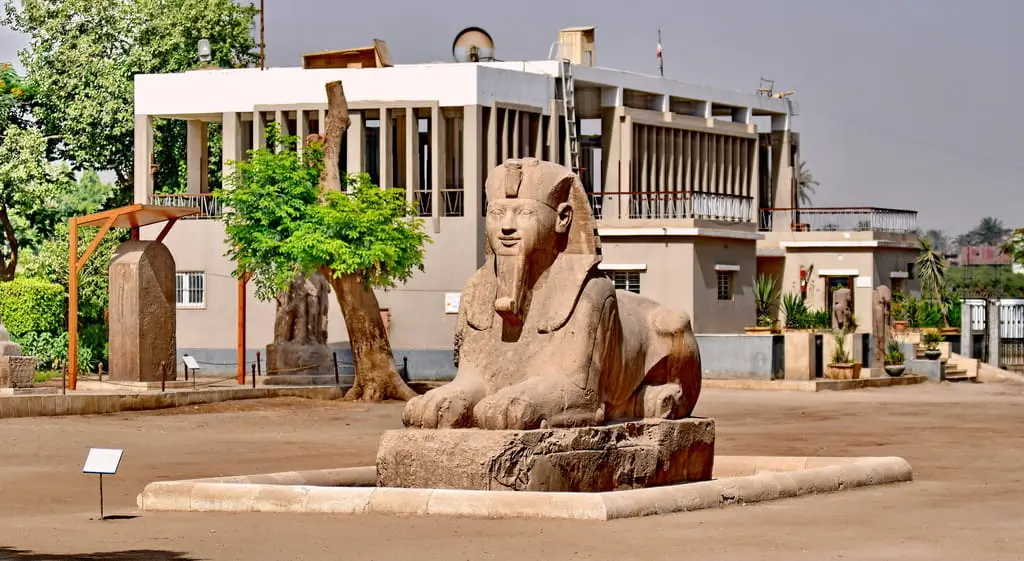
The Memphis Open Air Museum (Mit Rahina) is a small but essential stop on any Saqqara itinerary. Located on the site of the ancient capital, this museum houses two of the most impressive statues in Egypt. The indoor section contains the limestone Colossus of Ramesses II, a 10-meter giant lying on its back that showcases exquisite artistic detail. Outside, the gardens hold the Alabaster Sphinx, the second largest in the country. Together, these ruins offer a tangible connection to the lost grandeur of the “City of White Walls.”
Luxor and Aswan Climate: Weather Guide (Temperatures & Best Time to Visit)
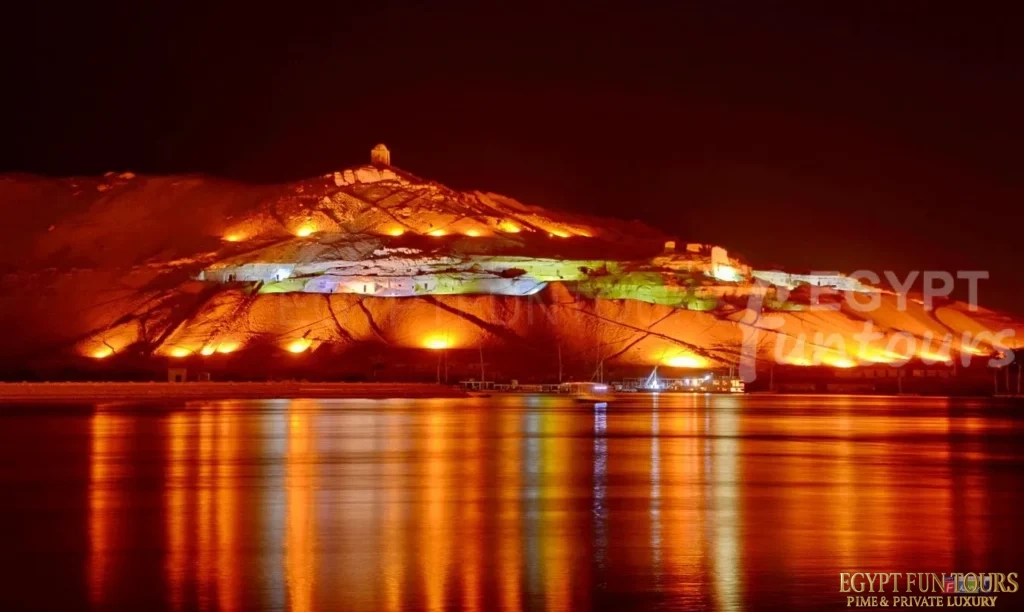
Upper Egypt is one of the driest and sunniest places on Earth. The climate of Luxor and Aswan is defined by two extremes: a mild, perfect winter and a scorching, furnace-like summer. While winter (October to April) offers delightful days with highs around 25°C (77°F), summer (June to August) regularly sees temperatures soar past 45°C (113°F). Furthermore, rain is virtually non-existent, falling perhaps once every few years. Consequently, the “best time to visit” is strictly determined by your tolerance for heat.
Egypt Travel Essentials: Your Ultimate Packing, Money & Connectivity Guide
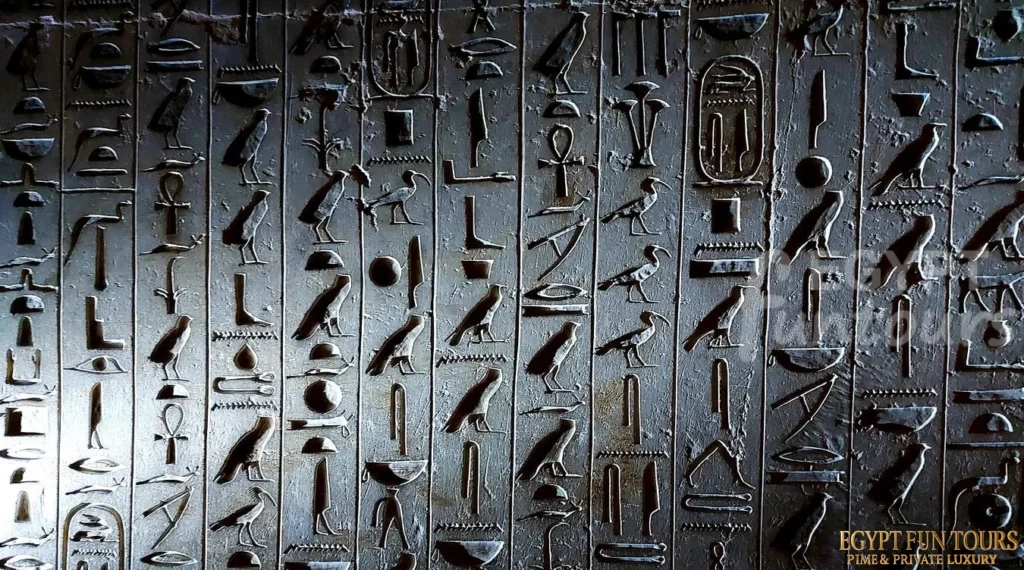
Don’t leave home without it! This definitive guide to Egypt Travel Essentials covers all the crucial logistical details you need for a comfortable and smooth trip. We provide the ultimate packing list, with specific advice on clothing for both the intense heat and cultural modesty. Learn key money matters, including current currency exchange rates (EGP), the ubiquitous practice of tipping (baksheesh), and whether to use cash or card. Plus, get the lowdown on connectivity, from buying a local SIM card (Vodafone/Orange) and understanding Wi-Fi limitations to the necessary electricity adapters. Prepare the essentials now to enjoy your adventure hassle-free.
Explore Egypt’s Deepest Past: The Prehistoric Artifacts at NMEC
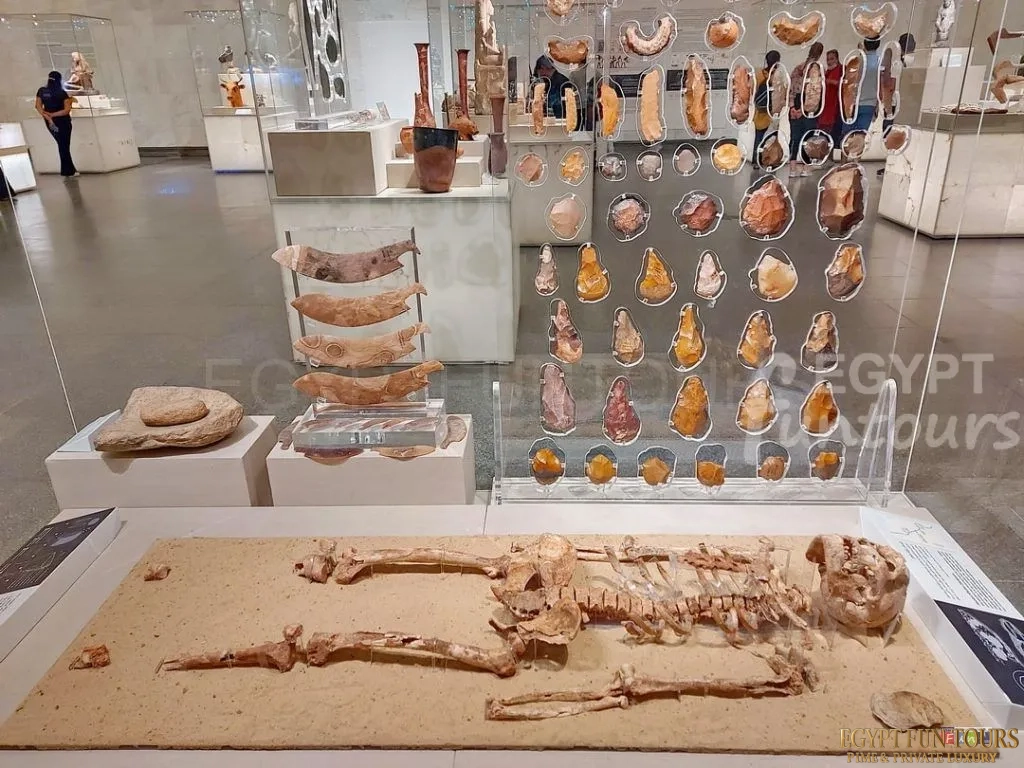
Go back to where the human story truly begins. The Prehistoric Hall at the NMEC takes you on a journey to the deep past, long before pyramids or even farming. This is the era of Egypt’s first inhabitants—the Stone Age hunters and gatherers who roamed the land.
Here, you will see the oldest objects in the entire museum. Come face-to-face with ancient human skeletons, marvel at the sharp flint and stone tools that were essential for survival, and see the first primitive attempts at art. These artifacts are a powerful reminder of how human life began in the Nile Valley, setting the stage for the civilization that was to come.
Discover Egypt’s Dawn: The Predynastic Artifacts at NMEC
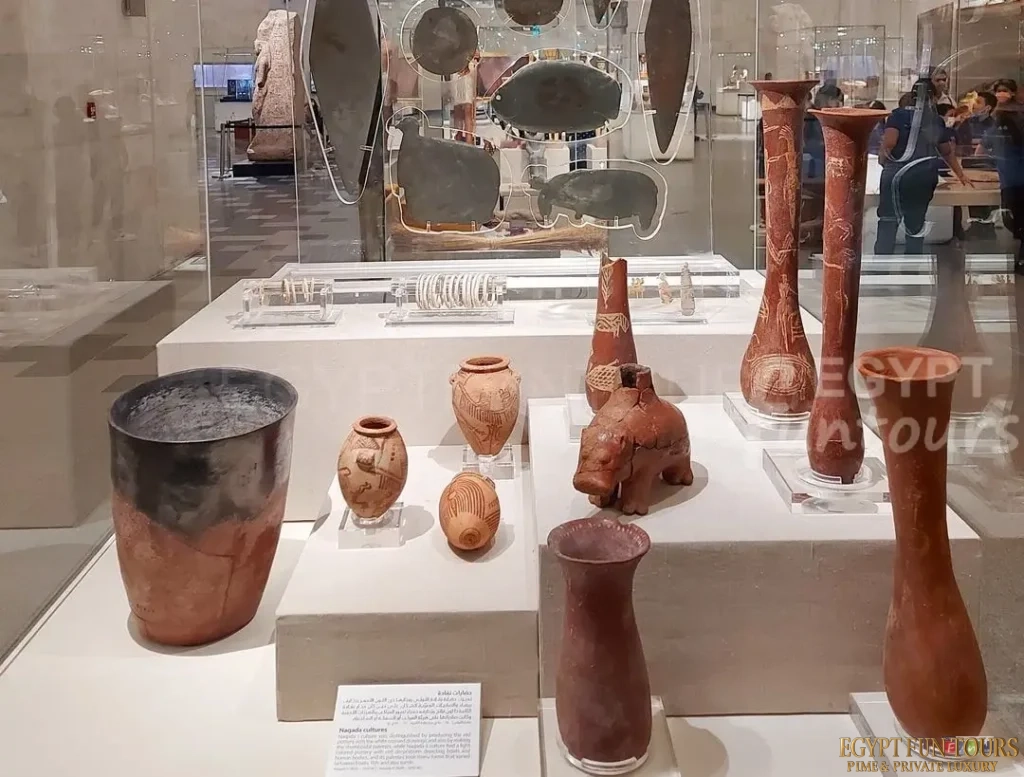
Journey back to the very dawn of Egyptian civilization, before the first pharaohs. The Predynastic Hall at the NMEC is where the incredible story of Egypt begins.
This is your chance to see the earliest traces of life along the Nile, from finely crafted pottery and primitive hunting tools to the first attempts at art and ritual. These artifacts are not just old; they are the seeds from which the pyramid-building civilization grew. You’ll discover the ancient burial items and everyday objects of the people who laid the foundation for the most powerful empire in the ancient world.
Explore the Age of the Pharaohs at the Civilization Museum (NMEC)
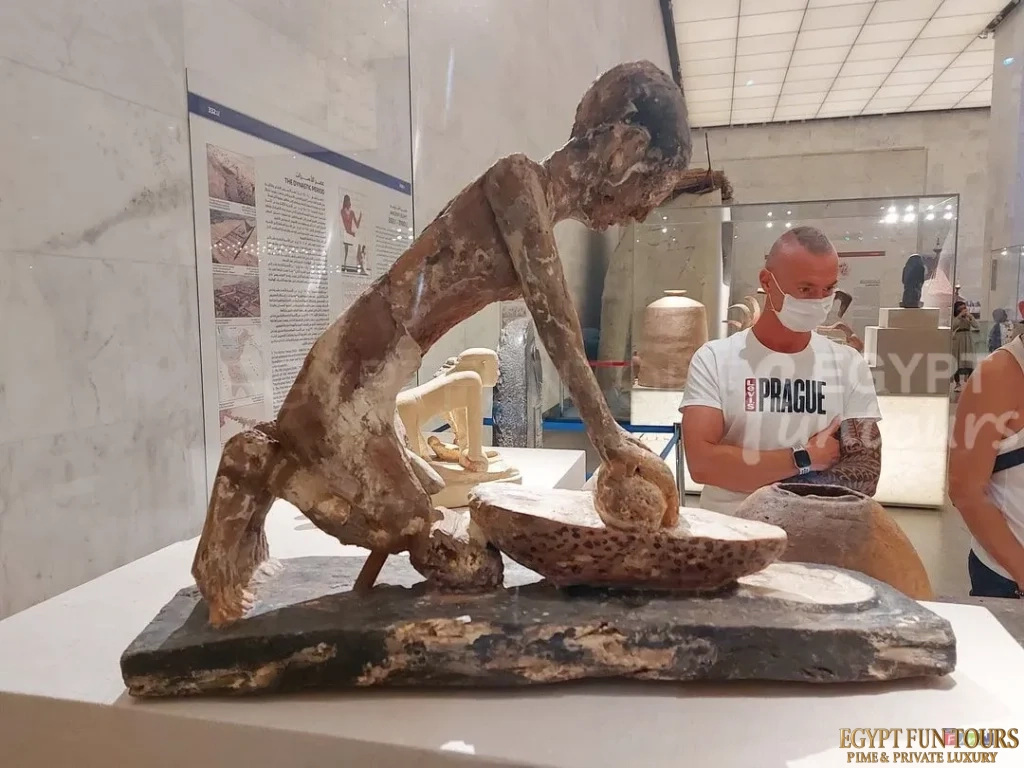
This is where the story of the pharaohs truly begins. The Dynastic Period Hall at the NMEC sets the stage for your entire journey through Egyptian history, leading up to the world-famous Royal Mummies downstairs.
This is the foundational era that built the pyramids, forged an empire, and created the timeless art that has captivated the world for millennia. You’ll come face-to-face with majestic statues of kings and queens, see intricately carved stelae (stone slabs) that tell their stories, and admire beautifully decorated sarcophagi (coffins) built for the journey to the afterlife.
Don’t miss the incredible collection of objects from daily life, including ancient tools, jewelry, and detailed wooden models of boats and workshops, which provide a fascinating window into how ancient Egyptians lived, worked, and worshipped.