
The Pearl of the Mediterranean: A Private Odyssey to Alexandria from Cairo

Embark on a private Alexandria odyssey from Cairo. Explore the Catacombs, Qaitbay Citadel, and the Great Library with an expert Egyptologist. All-inclusive 5-star Mediterranean luxury. Book your 2026 journey!
Aswan Tour to Philae Temple and Unfinished Obelisk

Discover the wonders of Ancient and modern Egypt through this Aswan Tour to Philae Temple, High Dam, and Unfinished Obelisk. Book Now!
An Unforgettable Easter in Egypt: The Ultimate 12-Day Tour

Feel as if you are in paradise while seeing the most important historical sites in Cairo, Luxor, Aswan, and El Minya.
The Grand Easter Expedition: 10 Days in Cairo, Luxor, Aswan & Hurghada
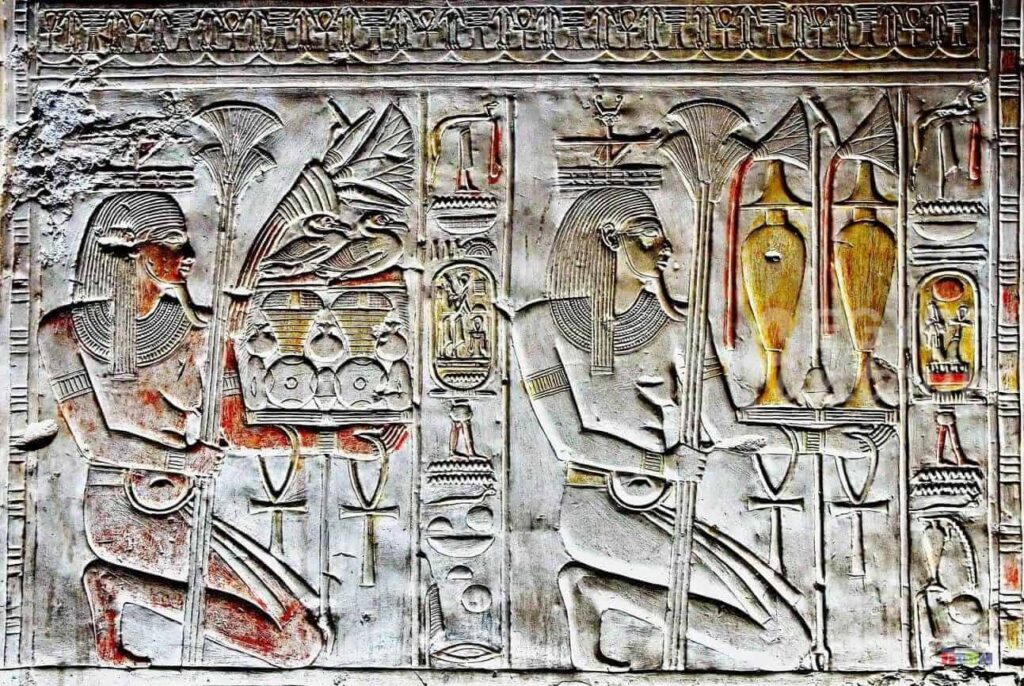
Shine brilliantly throughout the Easter season.
8-Day Easter Holiday In Egypt Exploring Wonders
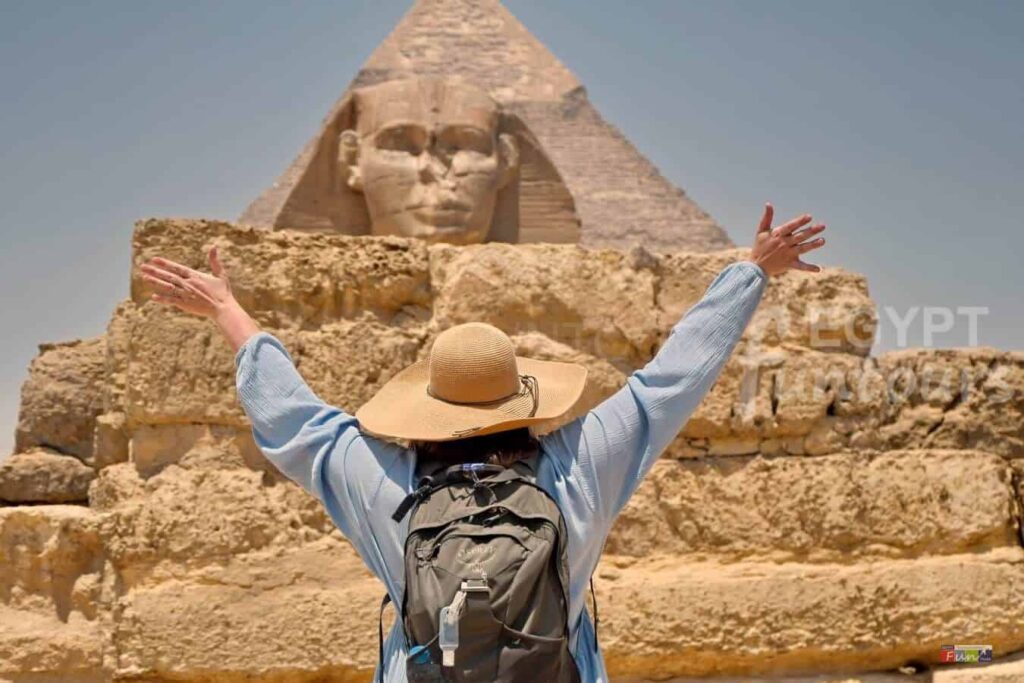
Explore Ancient Egypt and the Red Sea marine life.
7-Day Egypt Easter Tour: Cairo, Luxor & Aswan Package
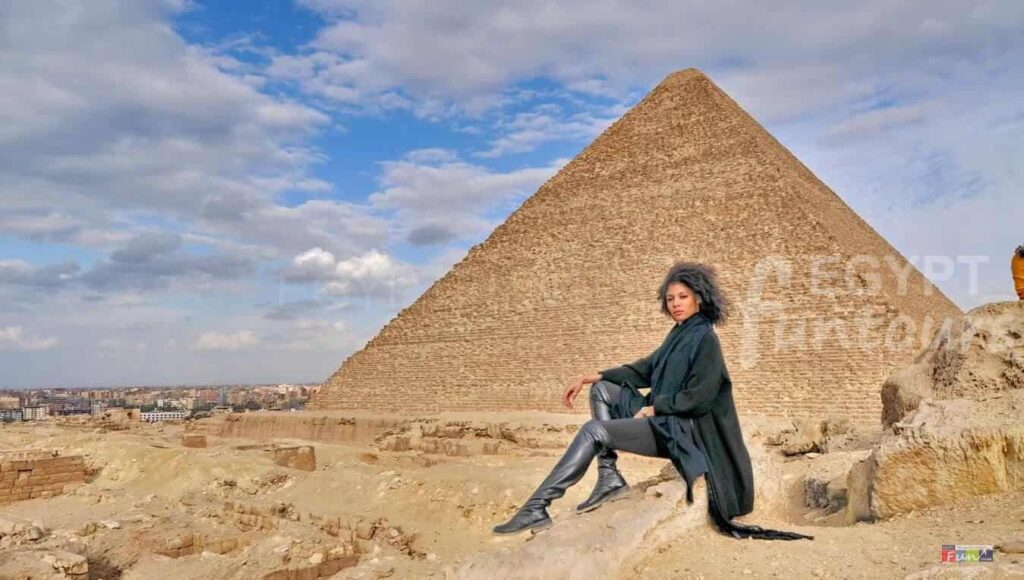
Discover the secrets of ancient Egypt while exploring its magical wonders.
Week of Splendor: Your Private Luxury Egypt Tour
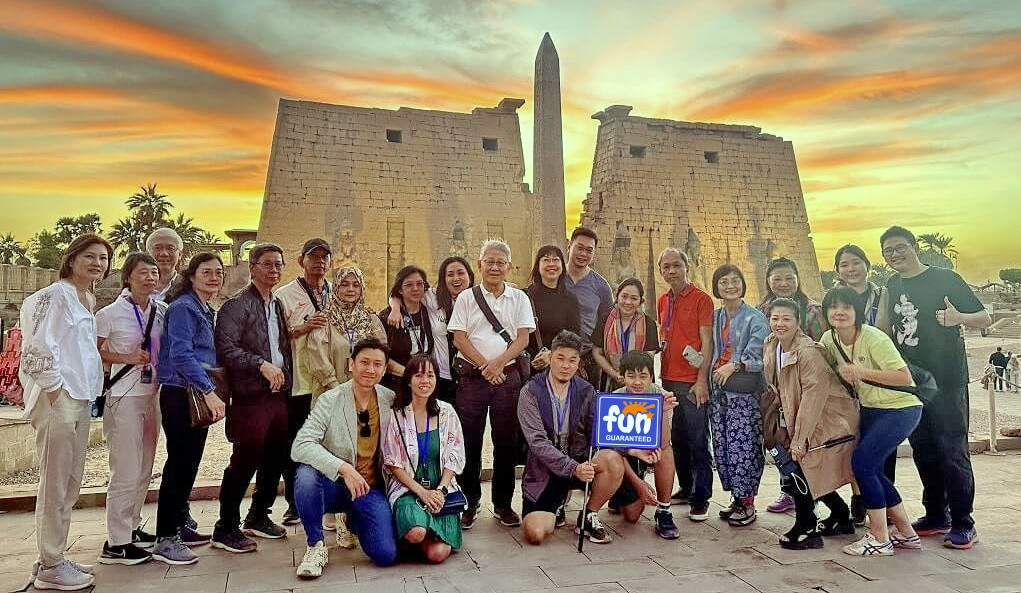
Live a royal lifestyle surrounded by Egypt’s historical wonders.
6-Day Classic Luxury Tour: Egypt’s Treasures

The best vision of beauty and grandeur awaits you
5-Day Private Luxury Retreat to the Wonders of Egypt
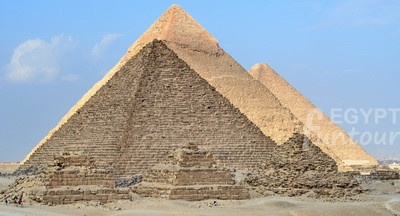
Discover Egypt in Cairo, Luxor, and Abu Simbel in 5 Days.
Explore Egypt’s Greco-Roman Treasures at the Civilization Museum (NMEC)
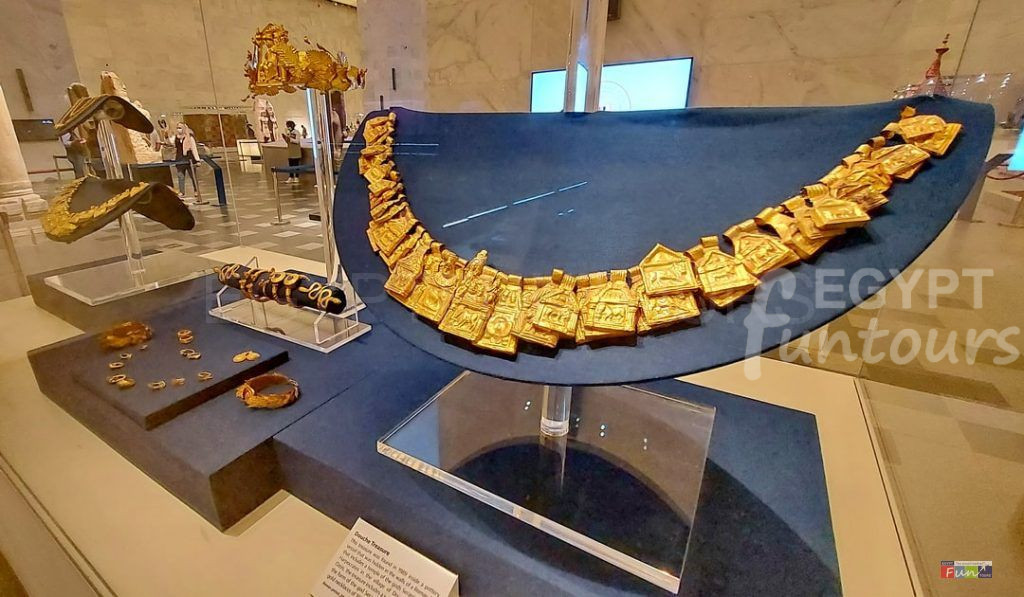
Step into the “melting pot” of ancient history in the Greco-Roman Hall at the NMEC. This fascinating section shows what happened when Egypt’s pharaonic legacy collided with the culture of Alexander the Great and the power of the Roman Empire.
Discover a unique fusion of art and religion, where Egyptian gods were given Greek faces and Roman emperors were depicted as pharaohs. The collection features stunning Fayoum mummy portraits—lifelike paintings of the deceased placed on their mummies, blending Egyptian burial rites with realistic Roman art. You’ll also see elegant statues, pottery, intricate jewelry, and coins that tell the story of a cosmopolitan Egypt, with Alexandria as the intellectual capital of the Mediterranean world.
Discover Egypt’s Dawn: The Predynastic Artifacts at NMEC
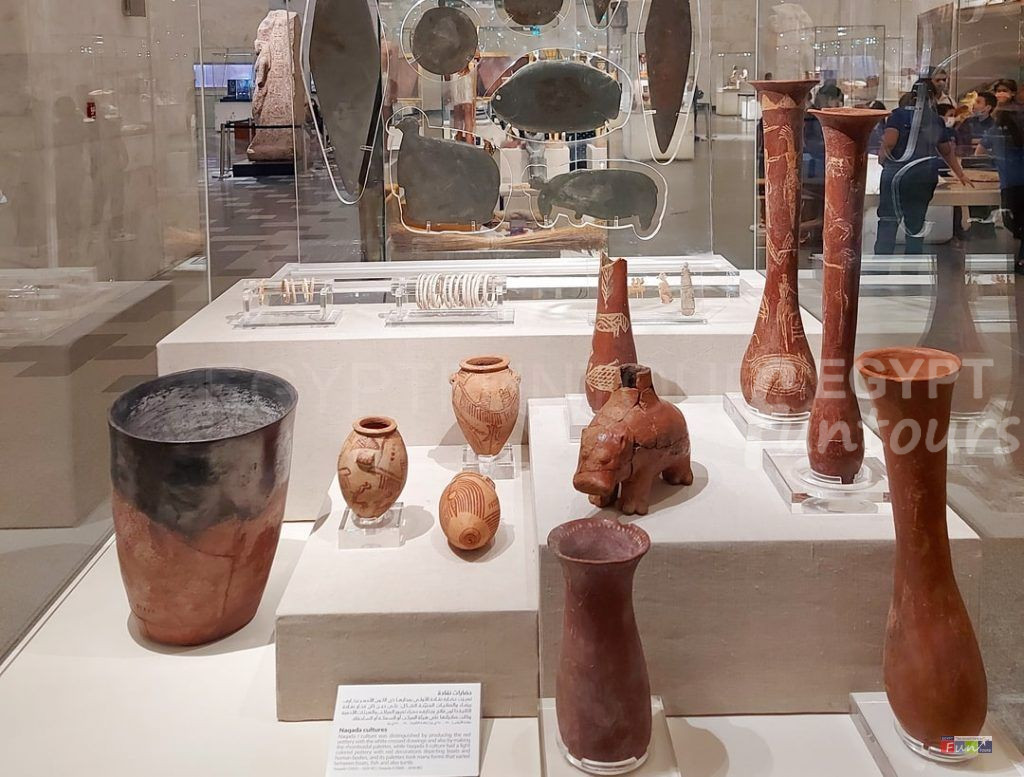
Journey back to the very dawn of Egyptian civilization, before the first pharaohs. The Predynastic Hall at the NMEC is where the incredible story of Egypt begins.
This is your chance to see the earliest traces of life along the Nile, from finely crafted pottery and primitive hunting tools to the first attempts at art and ritual. These artifacts are not just old; they are the seeds from which the pyramid-building civilization grew. You’ll discover the ancient burial items and everyday objects of the people who laid the foundation for the most powerful empire in the ancient world.
Explore Egypt’s Deepest Past: The Prehistoric Artifacts at NMEC
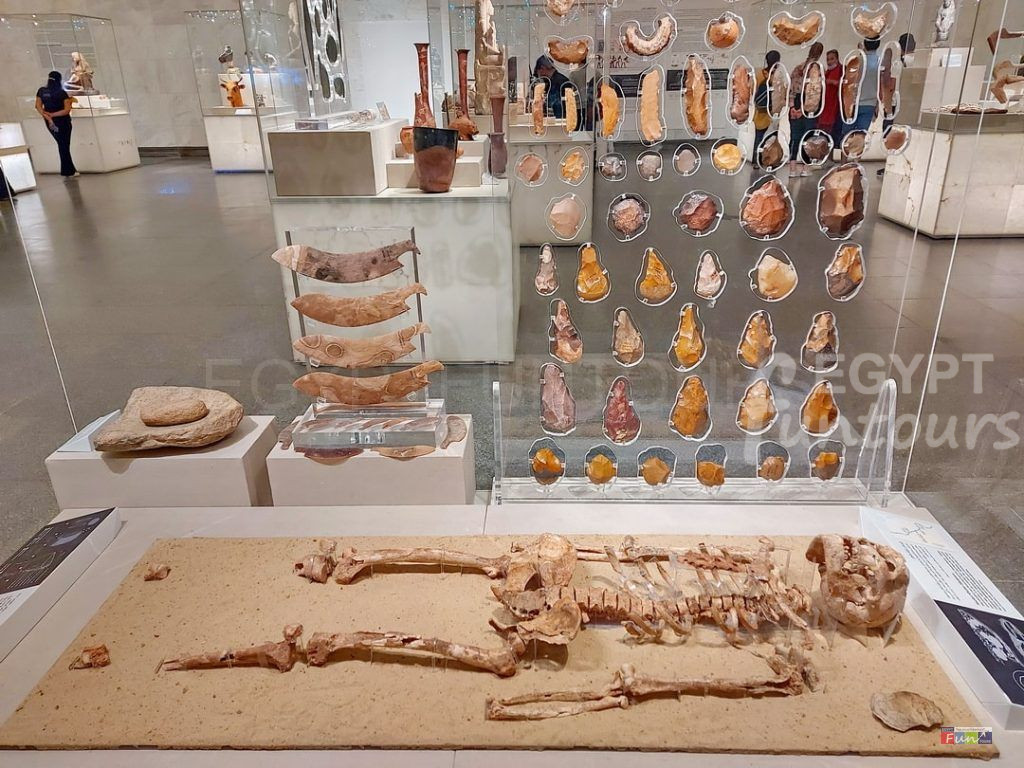
Go back to where the human story truly begins. The Prehistoric Hall at the NMEC takes you on a journey to the deep past, long before pyramids or even farming. This is the era of Egypt’s first inhabitants—the Stone Age hunters and gatherers who roamed the land.
Here, you will see the oldest objects in the entire museum. Come face-to-face with ancient human skeletons, marvel at the sharp flint and stone tools that were essential for survival, and see the first primitive attempts at art. These artifacts are a powerful reminder of how human life began in the Nile Valley, setting the stage for the civilization that was to come.