
Ancient Agriculture in the Northern Oasis: How Qanats Powered Rome

Ancient engineers transformed Egypt’s harsh desert depressions into flourishing agricultural hubs through the sophisticated implementation of Ancient Qanat Irrigation. By tapping into deep-seated aquifers using gravity-fed tunnels, these builders bypassed the need for mechanical pumps to sustain consistent, year-round water supplies for crops. This engineering success allowed the Western Desert to serve as a vital Roman powerhouse, producing high-value wine for the empire while protected by specialized administrative and military infrastructure. Though the eventual depletion of fossil water and shifting climate patterns led to the decline of these systems, the remaining ruins stand as an enduring testament to ancient human ingenuity and sustainable water management.

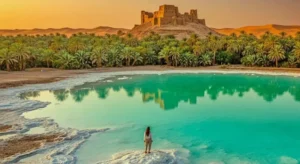
Ancient engineers turned Egypt’s desert depressions into thriving agricultural centers. This achievement remains one of the most sophisticated feats of the ancient world. While the Nile Valley defined Egyptian agriculture, the Western Desert oases—specifically Kharga and Dakhla—acted as crucial hubs for the Roman Empire. These regions satisfied Rome’s constant hunger for wine and grain. To succeed, the ancients mastered Ancient Qanat Irrigation (or foggara). This gravity-fed system tapped into deep underground water within hyper-arid environments.

This article examines the careful engineering of these desert depressions. They served as vital economic engines throughout the Roman period. Ancient builders harnessed hidden aquifers to change the landscape. They did not just survive in the desert; they cultivated a land of abundance. This history proves that human ingenuity can transform even the harshest environments.

The eye of Horus

How Ancient Qanat Irrigation Transformed the Desert

How THis system Transformed the Desert

Ancient engineers treated the Ancient Qanat Irrigation system as a masterpiece of hydrology. They needed to move water across vast distances without modern pumps. First, they identified a reliable water source at a high elevation. They then sank a “mother well” deep into the aquifer. This deep shaft reached the water table directly.

Workers next dug a gently sloping tunnel to bring water toward the agricultural fields. They carefully calculated the slope of the tunnel. A slope that was too steep caused dangerous soil erosion. A slope that was too shallow made the water stagnant and useless. Engineers placed vertical inspection shafts at regular intervals along the tunnel. These shafts served several critical roles:

  • They provided fresh air for the workers digging the tunnels.
  • They offered an easy way to remove heavy debris and excavated soil.
  • They allowed farmers to clear blockages or silt to maintain water flow.

This system required no outside power source. It relied entirely on the natural force of gravity. Because of this, it provided a constant, year-round supply of water for the crops. The stability of this water source allowed the oases to become a wine-producing powerhouse for the Roman Empire.

Golden Scarab

Ancient Qanat Irrigation: The Oasis as a Roman Powerhouse

Ancient Qanat Irrigation The Oasis as a Roman Powerhouse

The Roman Empire viewed Egypt as its primary breadbasket. However, Roman administrators quickly realized the potential for more than just grain in the Western Desert. They organized the oases to produce high-value commodities, including wine. The unique climate of the depression protected the vines from extreme heat. This environment allowed for a longer growing season than the Nile Valley.

The Romans did not just plant vines; they built total infrastructure for success. They constructed forts, wide roads, and administrative hubs near the fields. These structures served two main purposes:

  • They protected the valuable water systems and harvests from desert raiders.
  • They ensured that taxes and tithes flowed efficiently toward the Nile and the Mediterranean.

Textual evidence from places like Ayn Manawir reveals a complex legal system. Farmers followed strict rules regarding their water rights. These contracts often required farmers to pay a percentage of their harvest as a water tax. This arrangement turned the region into a highly regulated agricultural economy. The oases thrived by balancing local engineering with imperial trade demands.

The Profound Egyptian Influence on Greek Civilization

Egypt profoundly influenced ancient Greek civilization in various aspects. Key influences include religious syncretism, with...
Related post
The eye of Horus

Ancient Qanat Irrigation: The Legacy of Ancient Qanat Irrigation

The Legacy of Ancient Qanat Irrigation

The success of these systems allowed people to live in extremely dry zones. Many of these areas would otherwise be uninhabitable for farmers. The Ancient Qanat Irrigation networks provided a steady, reliable water supply. Unlike the seasonal flooding of the Nile, this water flowed year-round.

However, this triumph relied on fossil water. This groundwater accumulated in aquifers during much wetter periods thousands of years ago. As the Roman era continued, the demand for high production increased. Intense extraction of this finite resource caused issues over time. These practices, combined with shifting climate patterns, eventually led to the decline of the oases.

Today, researchers map these ancient tunnels to understand the past. These ruins tell a story of sustainable engineering at a massive scale. They show how ancient societies extended Rome’s power deep into the heart of the Sahara. These desert depressions serve as a powerful reminder of how human innovation once mastered the most challenging environments.

Amun: The Hidden One Who Became King of the Gods in Ancient Egypt

God Amun stands as one of the most powerful and enduring deities of the Egyptian...
Related post
Golden Scarab

Ancient Qanat Irrigation: Why These Sites Matter Today

Ancient Qanat Irrigation Why These Sites Matter Today

Modern travelers can still witness the remarkable scale of these ancient engineering marvels. Visiting the oases offers a rare glimpse into the ingenuity that supported the Roman Empire. You can explore the ruins of ancient forts and the remains of old field systems. These sites provide a direct connection to a time when desert life was at its peak.

Seeing these landscapes reminds us of the importance of sustainable water management. The history of the Ancient Qanat Irrigation systems highlights both success and challenge. It serves as a lesson for modern society regarding our own use of precious water resources. A trip to the Western Desert is more than just a tour. It is an educational journey into how early humans turned the Sahara into a vibrant landscape.

The Logic of Immortality: The Evolution of Egyptian Afterlife Beliefs

Interpretation by: Mr. Muhammed Hussein (Professional Egyptologist & Tour Guide). Uncover the logical, step-by-step evolution...
Related post
The eye of Horus

Experience the Wonders of the Western Desert

Experience the Wonders of the Western Desert

Are you ready to walk in the footsteps of ancient engineers? A journey to the oases is an immersive adventure into history. At Egypt Fun Tours, we specialize in taking you deep into the heart of the Sahara. Our expert guides share the secrets of the landscape that once powered the Roman Empire.

You will see the remains of the qanats that changed the desert forever. You will also explore the ruins of ancient forts and hidden archaeological sites. These locations are rarely seen by typical tourists. We provide a unique, deep dive into the history of Egyptian agriculture. Book your custom desert itinerary with us today to discover these wonders for yourself.

Frequently Asked Questions (FAQ)

What is the difference between a qanat and a well? A well draws water vertically from a single point. In contrast, Ancient Qanat Irrigation systems use a gentle tunnel slope to move water from high aquifers to fields far away. This gravity-fed design allows for the transport of water over long distances without mechanical pumps.

Why was the Western Desert important for Rome? The region served as an essential agricultural hinterland for the Roman Empire. It supplied high-value products like wine and grain that helped sustain Roman food supplies. The unique microclimate of these desert depressions provided the ideal growing conditions for Roman vineyards.

Can tourists visit these ancient sites? Yes, several sites in the Kharga and Dakhla oases are open to visitors. Exploring these areas allows you to see the original infrastructure and ruins that highlight this unique history. At Egypt Fun Tours, we offer specialized itineraries that explore these fascinating, off-the-beaten-path locations.

God_Anubis_Icon
12 Days Solo Woman Tour Package (Queen Cleopatra)

Mohamed is Very Kind Person

Mohamed. I just want to thank you again for your kindness. You made our trip memorable. Give your family and the Egypt Fun Tours crew all my love and thank them again for me. Take care. Enjoy the season! Love. Linda

More »
Souqs and Markets in Egypt - Egypt Fun Tours

Cairo walking tours

After a rocky start (the driver had been in an accident on his way to pick me up,) the company very quickly sent another driver/guide named Mohammed, who was a real pro. Thoroughly enjoyed my first day in Egypt!

More »

My Dream Came True

I had waited 60 years to get to Egypt; in fact, it was my 60th birthday gift to myself. I went with my oldest daughter, and the experience was excellent. It was meticulously planned by the tour company and was designed for me and my daughter. I never had a

More »

Good but did not get what I paid for…

I had an 11 hour layover in Cairo. I wrote to them based on recent reviews for them on this site. After a few email exchanges with Hati, who I think is one of the owners, I was ready to get there. I was greeted by Hatem, a very good

More »

Day trip to Wadi el Hitan and Wadi el Rayan

We went on a full-day trip to Wadi el Hitan and Wadi el Rayan with Mohamed (Hamada). Mohamed was a wonderful guide, always making sure we had plenty of water and enough to eat, and providing us with information about the area and Egypt more generally. He also gave us

More »
God_Anubis_Icon

Top-rated Tour Packages

God_Anubis_Icon