

A Millennium of Grandeur: The Islamic History of Cairo

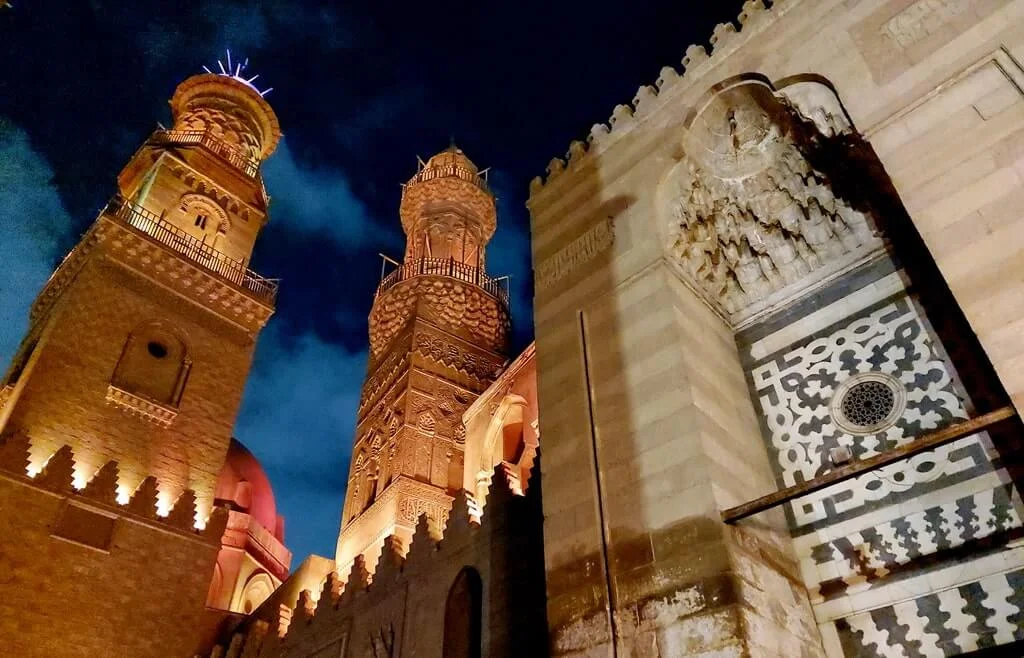
The Islamic history of Cairo began in 641 CE with the founding of Fustat, but the modern city was established as Al-Qahira ("The Victorious") by the Fatimid dynasty in 969 CE. Under successive dynasties like the Ayyubids and the magnificent Mamluks, Cairo flourished into the largest, most powerful, and architecturally rich metropolis of the medieval Islamic world, earning the nickname "the city of a thousand minarets.

The Islamic History of Cairo 🕌

The Islamic History of Cairo is not just a tale of one city; it’s a saga of dynasties, artistic movements, and intellectual growth that shaped the entire Islamic world. From its humble beginnings as a garrison town to its rise as a global metropolis, Cairo’s past is etched in stone, on the walls of its mosques, and in the labyrinthine alleys of its historic core. This article journeys through the key periods and architectural legacies that define this magnificent city.
FUN

The Dawn of an Era: From Fustat to Cairo

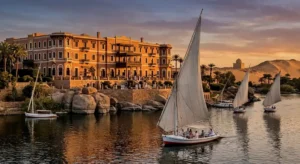
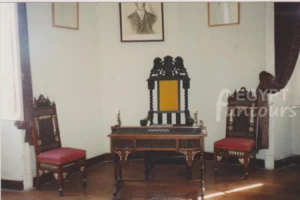
Visitn-the-Mosque-A-view-from-Gayer-Anderson-Museum

The Islamic history of modern-day Cairo begins in 641 CE. The Arab commander Amr ibn al-As established a garrison town called Fustat near the Roman fortress of Babylon. The Mosque of Amr ibn al-As, the first mosque in Africa, was built there. This strategic location near the Nile River and a major trade route was a clear choice. Fustat quickly grew, becoming a vital administrative and economic hub for Egypt under the Umayyad and Abbasid caliphates.

A pivotal moment arrived in 969 CE with the conquest by the Fatimid dynasty. They founded a new capital, Al-Qahira—”The Victorious”—to the north of Fustat. This new city, which we now know as Cairo, was designed as a grand royal enclosure, a center of power and Shi’a religious scholarship. They built the famous Al-Azhar Mosque, which soon evolved into the world-renowned Islamic University of Cairo.

FUN

The Ayyubid and Mamluk Golden Ages ✨

The Ayyubid and Mamluk Golden Ages

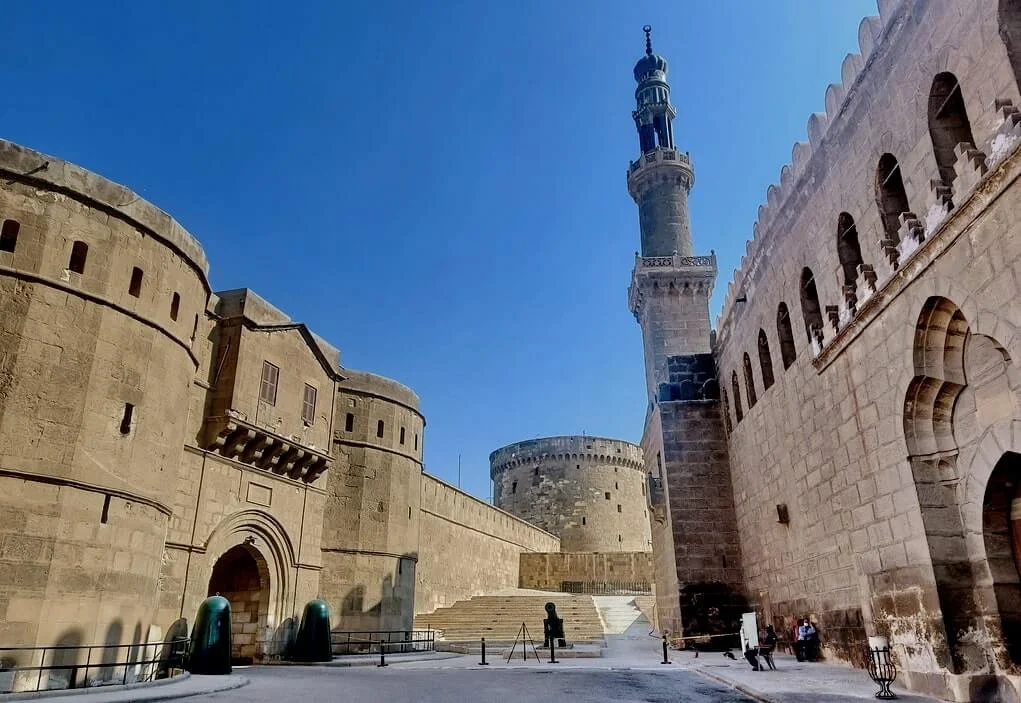
The 12th century brought another major shift. The Ayyubid dynasty, led by the legendary Salah ad-Din (Saladin), overthrew the Fatimids. Saladin moved the seat of government to a new, fortified complex on a hill overlooking the city: the Citadel of Cairo. This massive fortress protected the city and became the center of power for nearly 700 years. Saladin also initiated the construction of a city wall, further securing Cairo.

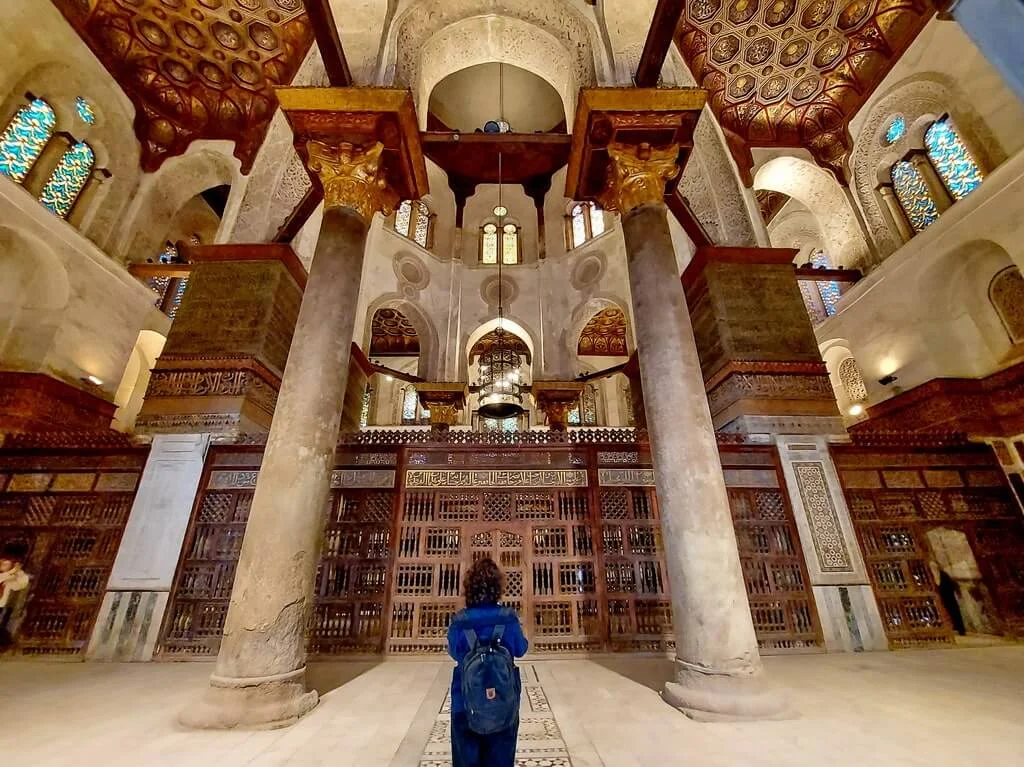
The Mamluk period (1250-1517 CE) represents the undisputed golden age of Islamic Cairo. This era saw an explosion of architectural and cultural achievements. Powerful Mamluk sultans and emirs commissioned monumental religious and civic complexes. These complexes included mosques, madrasas (schools), khans (caravanserais), and mausoleums. The Sultan Hassan Mosque is a prime example of this magnificent architecture, with its immense scale and intricate details. Other masterpieces from this period include the complexes of Sultan Qalawun and Sultan Barquq along the famous Al-Muizz Street.

The Mamluks were prolific builders, and their architecture is a testament to their power and wealth. They developed a unique style characterized by intricate geometric patterns, stunning carved stone domes, and towering minarets with multiple tiers. They also perfected the use of muqarnas, a form of stalactite vaulting that adds incredible depth and ornamentation to their buildings.

The Unification Battle by King Narmer

The Unification Battle by King Narmer The unification battle of King Narmer is shown on...

Related post
FUN

The Ottoman and Modern Eras

The Ottoman and Modern Eras - Islamic History of Cairo

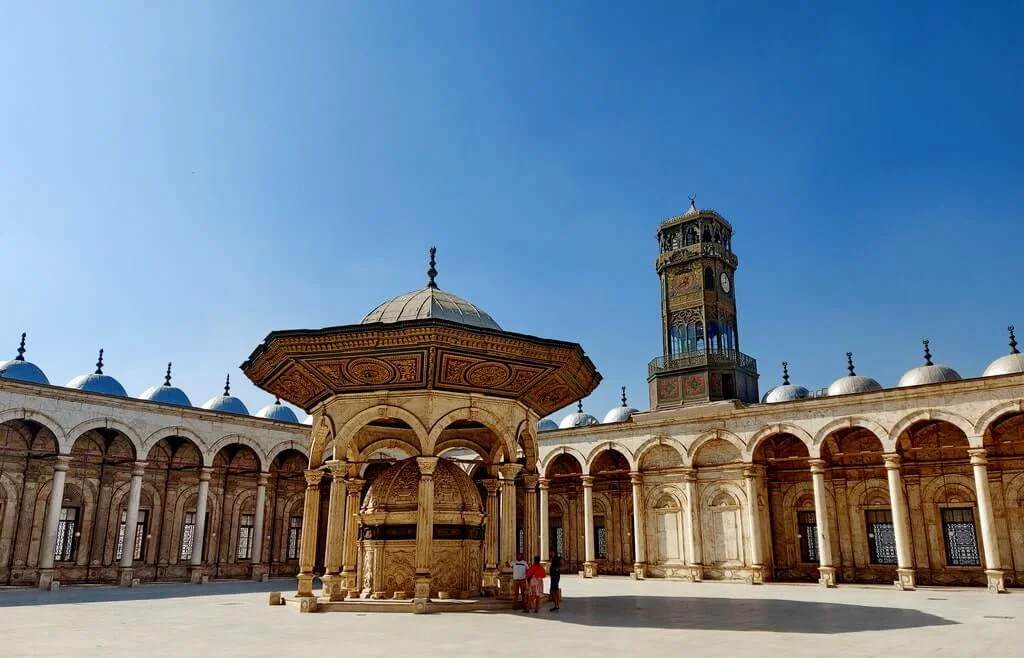
The Ottoman conquest of Egypt in 1517 CE marked the end of the Mamluk Sultanate. While Cairo’s political power waned, its religious and commercial importance remained. Ottoman governors contributed new architectural styles, most notably seen in the Mosque of Muhammad Ali inside the Citadel. This iconic mosque, with its Ottoman-style dome and slender minarets, is a prominent feature of Cairo’s skyline.

In the 19th and 20th centuries, as Egypt underwent modernization, new European influences blended with traditional Islamic architecture. This period, known as the Neo-Mamluk or Neo-Islamic style, saw a revival of Mamluk architectural elements in new buildings, including the famous Museum of Islamic Art in Cairo.

The Lost City of Tanis: Capital of Northen Egypt in Delta

The Ancient Egyptian City of Tanis was the vital capital of the 21st and 22nd...
Related post
FUN

A City of Intellectual and Spiritual Power

A City of Intellectual and Spiritual Power

The significance of Islamic Cairo extends far beyond its physical structures. The city became a magnet for scholars, poets, and mystics from across the Islamic world. The Islamic University of Cairo at Al-Azhar was the intellectual heart, where debates on theology, law, and philosophy flourished. It served as a bastion of Sunni Islamic thought and a vital force for religious moderation and learning. Mausoleums, such as the shrine of Imam al-Shafi’i, became important pilgrimage sites, and the streets buzzed with the activities of Sufi orders.

The Amarna Revolution: Akhenaten, Nefertiti, and the Amarna Style

Discover the captivating story of Akhenaten and Nefertiti, the "heretic" royal couple who shattered a...
Related post
FUN

Islamic History of Cairo: The Living Legacy of a City

Islamic History of Cairo The Living Legacy of a City

Today, the area known as “Islamic Cairo” is a UNESCO World Heritage Site. Its narrow, winding streets are an open-air museum, filled with over 600 historic monuments. The district is a vibrant hub, where the echoes of history blend with the sounds of daily life. It is a testament to Cairo’s enduring legacy as a city of faith, knowledge, and unparalleled architectural beauty.

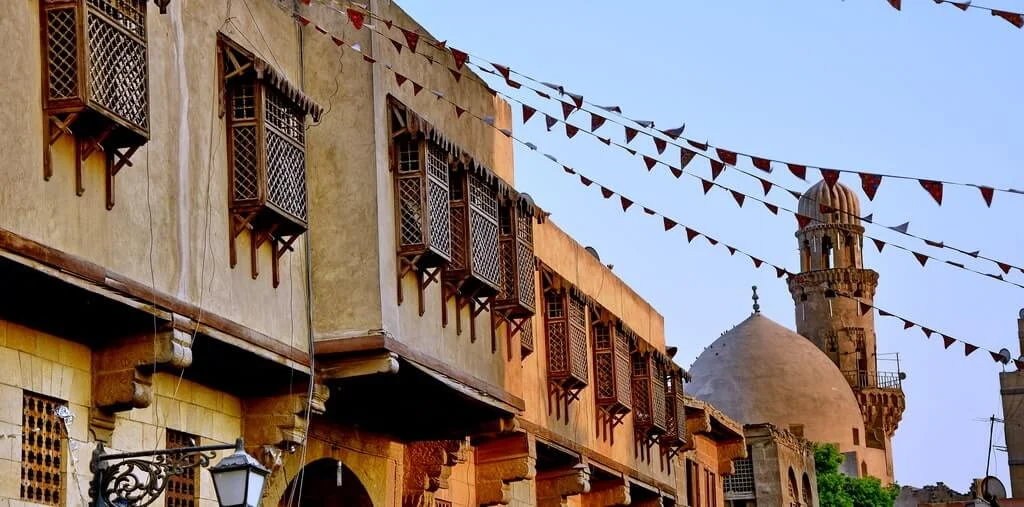
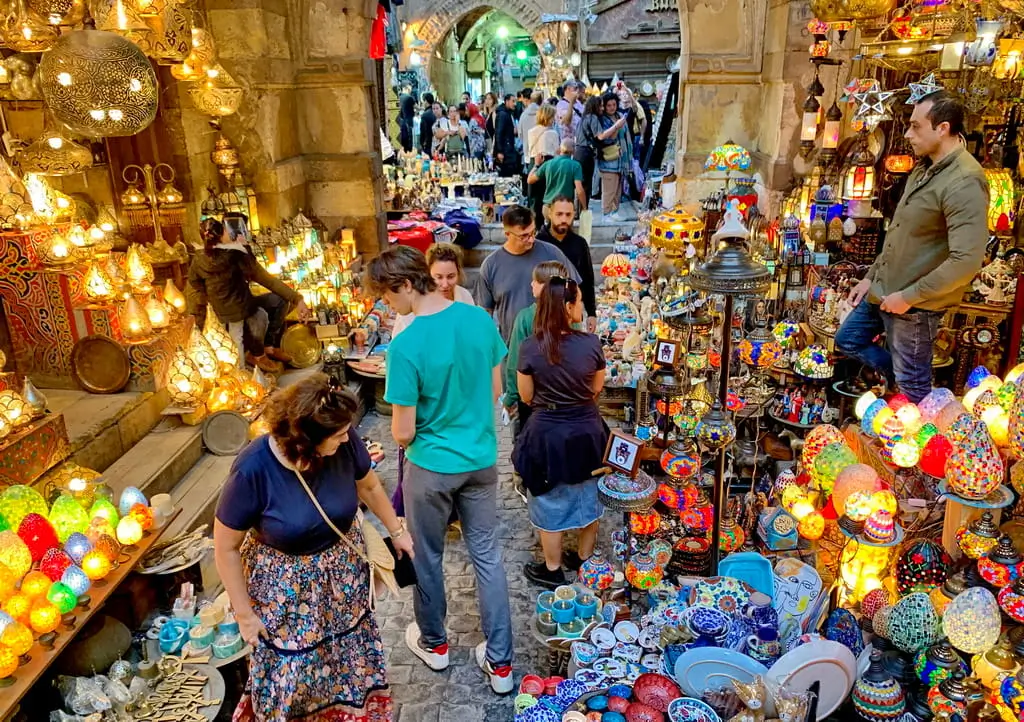
The city’s rich history is not just in its grand mosques and fortresses. It is also found in the smaller, more intimate spaces, like the historic houses with their beautifully carved wooden screens (mashrabiyas) and the bustling markets like the Khan el-Khalili bazaar. These are the places where the city’s story is still being written, day by day.

Islamic History of Cairo: The Daily Rhythm of a Heartbeat

Islamic cairo khan el khalili bazaar 2

To truly experience Islamic Cairo, one must immerse oneself in its daily rhythm. The day begins with the melodic call to prayer echoing from the city’s many minarets. Later, the streets come alive with the sounds of vendors, the aroma of spices, and the constant chatter of people. You can still see artisans practicing centuries-old crafts, from coppersmithing to weaving. Historic tea houses, some operating for over 200 years, offer a glimpse into the social life of the community, where locals gather to sip mint tea and exchange stories. This blend of antiquity and vibrant modern life makes Islamic Cairo an experience unlike any other. It’s a place where history is still alive!

Weather in Egypt

Explore the Giza pyramids, Cairo Museums, Islamic and Coptic Cairo, and many more...
A week of treasure hunting across the legendary UNESCO sites....
FUN
God_Anubis_Icon

The best holiday ever!

The Nile cruise, Luxor, and Aswan were amazing sites to see, especially when you have the best tour guide in Egypt. Hamada was absolutely fantastic, lots of information, and some of it not spoken by others. This guy was not only a simple tour guide for us, but he also

More »
Tailored Services for Corporate Business Transportation Needs

On time, adaptable, and fun!

My friend and I planned a whirlwind trip to Dubai, the Dead Sea, Petra, Cairo, Luxor, and Sharm el Sheikh for early November 2011 – 6 cities in 10 days! We allotted one afternoon and evening for Cairo, and we wanted to see as much as we could! We drove

More »

11 Wonderful Hours in Cairo

I had an 11 hour layover in Cairo, and it couldn’t have been better spent than with Manal from Egypt Fun Tours. I was able to adjust my tour once we left the airport and Manal had some really great suggestions when I told her what it was I wanted

More »

Transit Stopover in Cairo

We have just returned from a two week holiday in Cape Town. On the way out our airline schedule meant that we had a 15 hour stop in Cairo. We decided to arrange a tour of the city and after asking for quotes/itineraries we chose Egypt Fun Tours. This worked

More »
God_Anubis_Icon

Top-rated Tour Packages

God_Anubis_Icon