
A Visitor’s Guide to the Manial Palace (Prince Mohamed Ali Palace)
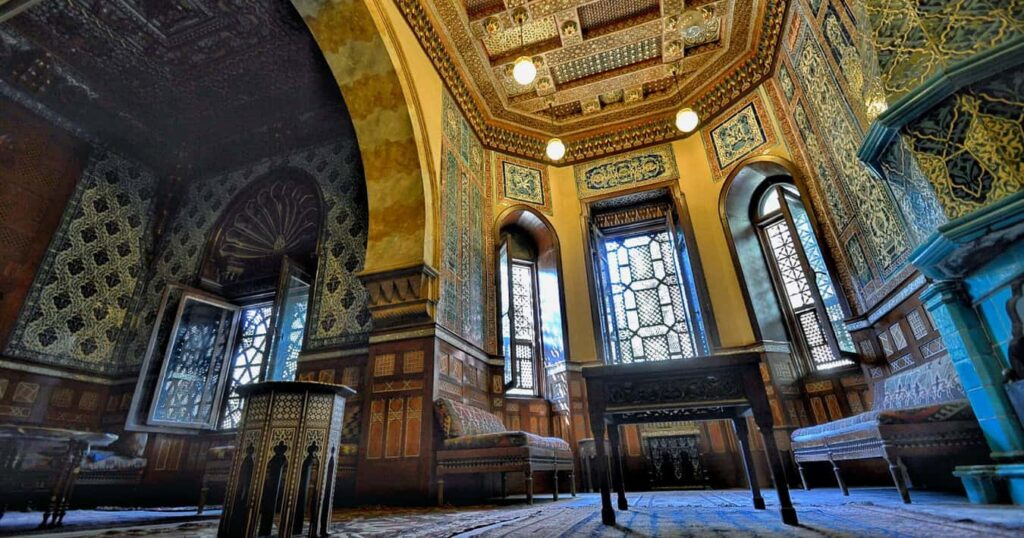
Discover the Manial Palace, the stunning former residence of Prince Mohamed Ali Tewfik on Cairo’s Roda Island. This hidden gem is a sprawling estate featuring a reception palace, a mosque, a throne hall, a hunting museum, and lush gardens, all showcasing a unique blend of Ottoman, Persian, Moorish, and European Art Nouveau styles.
Papyrus in Ancient Egypt: The Plant That Revolutionized Writing
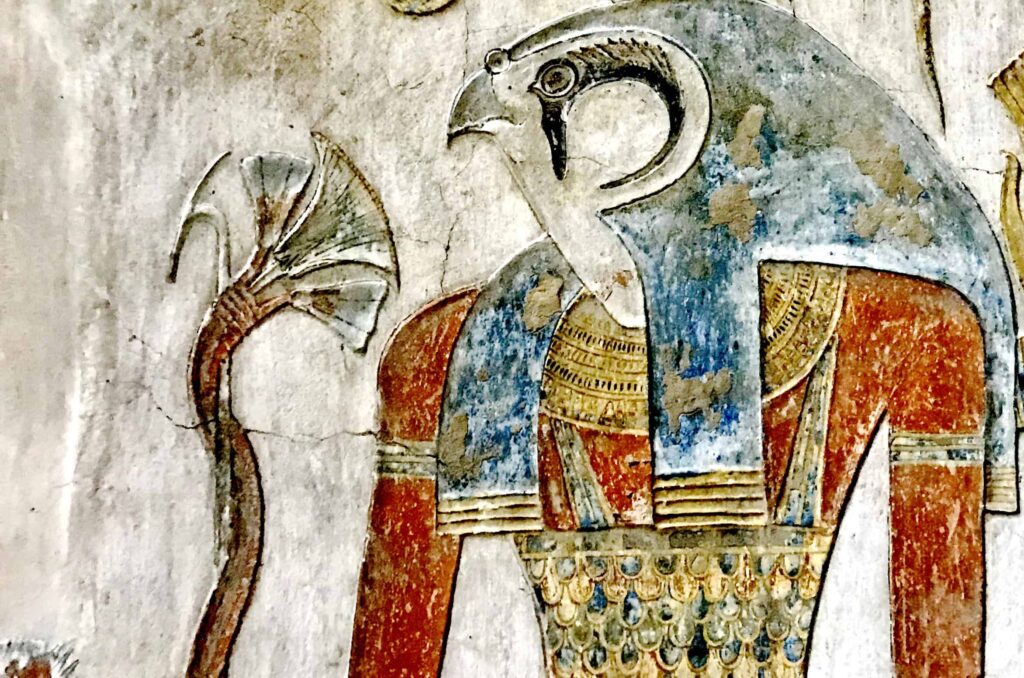
Long before the invention of modern paper, the Ancient Egyptians cultivated the Cyperus papyrus reed along the lush Nile Delta to create one of history’s most enduring technologies. While famous for preserving the secrets of the Pharaohs on scrolls, this versatile plant was also the backbone of daily life, used to craft everything from sandals and mats to river boats. Explore the fascinating history and the meticulous process behind the medium that allowed Egyptian civilization to record its own greatness.
The Sacred Lotus Flower in Ancient Egypt: Symbol of Creation and Rebirth
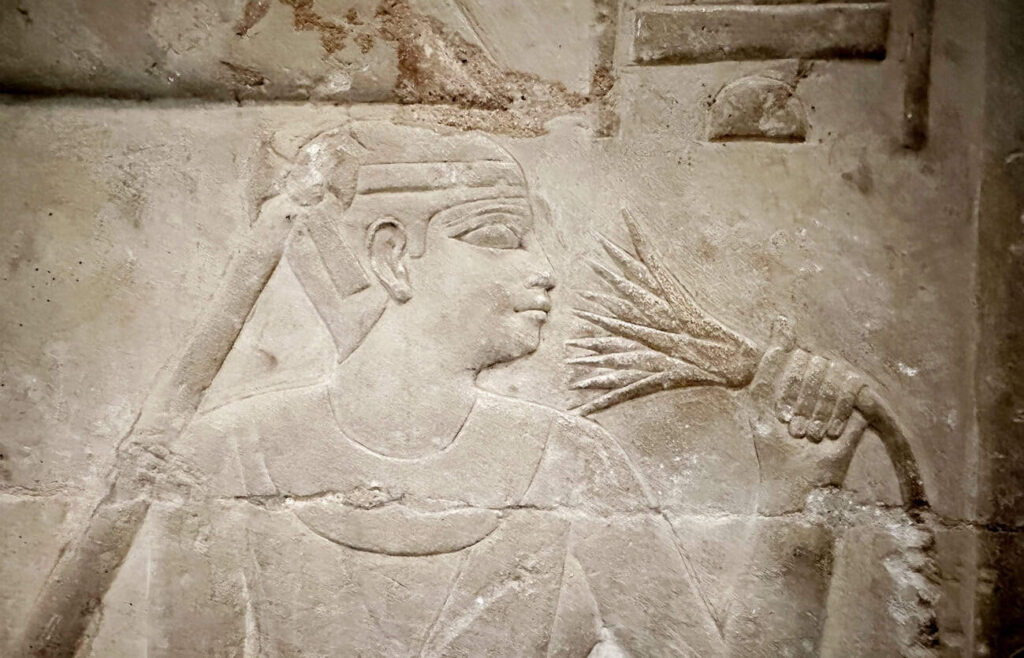
The Ancient Egyptian Lotus Flower (primarily the Blue Lotus, Nymphaea coerulea, and the White Lotus, Nymphaea lotus) was far more than a simple aquatic plant—it was a powerful symbol central to Egyptian religion, cosmology, and art. Revered for its ability to close its petals at night and re-emerge at dawn, the lotus represented creation, rebirth, and the rising sun. This cycle linked it directly to the sun god, Ra, and the primeval waters of Nun, where the world was believed to have originated. Its presence in temples, tombs, and banquets symbolized the eternal life and the promise of resurrection, making it one of the most significant floral motifs in Pharaonic civilization.
Offerings in Ancient Egypt: The Sacred Art of Sustaining the Divine
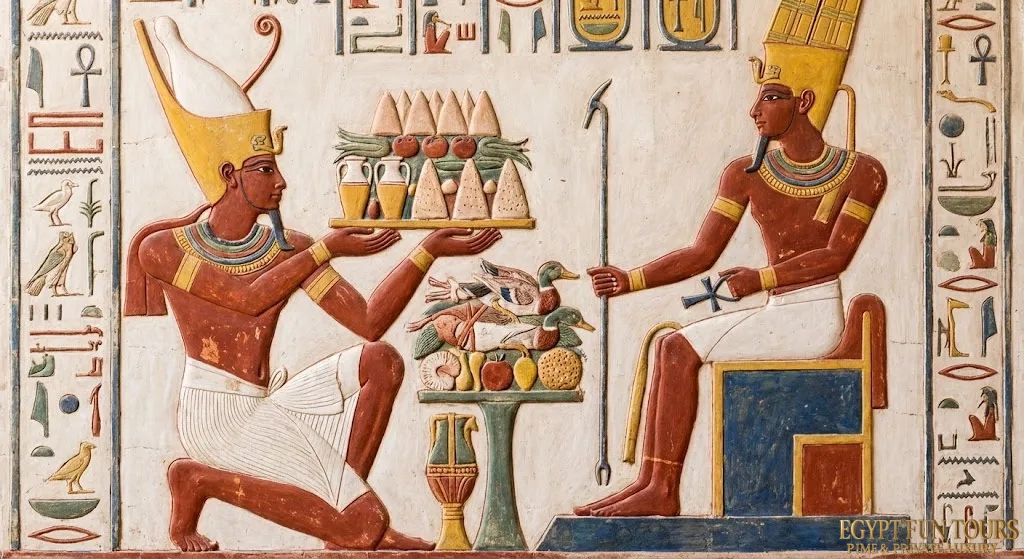
Discover the sacred art of giving in ancient Egypt, where offerings were the literal fuel for the afterlife. This guide explores the vital practice of presenting bread, beer, incense, and Ma’at to the gods and the deceased. Learn how these rituals maintained cosmic order, fed the Ka (soul) for eternity, and transformed simple food into divine sustenance through the power of the “Voice Offering.”
The 10 Plagues of Egypt: Biblical Miracle, Natural Disaster, or Both?
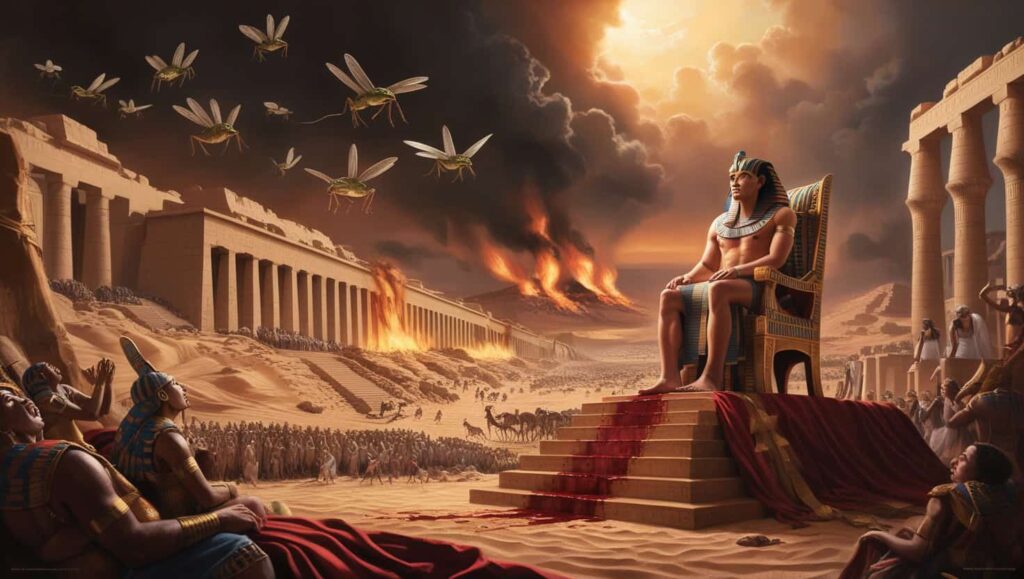
Uncover the history, science, and theology behind the 10 Plagues of Egypt. This guide dissects the biblical battle between Moses and Pharaoh, revealing how every plague—from the Nile turning to blood to the darkening of the sun—was a calculated assault on specific Egyptian gods. We also dive into modern scientific explanations, investigating if a toxic “Red Tide” or the massive Thera volcanic eruption triggered this legendary chain of destruction. From ecological collapse to the death of the firstborn, discover the cataclysm that broke an empire.
The Ancient Egyptian Owl: Symbolism, Hieroglyphs, and Meaning
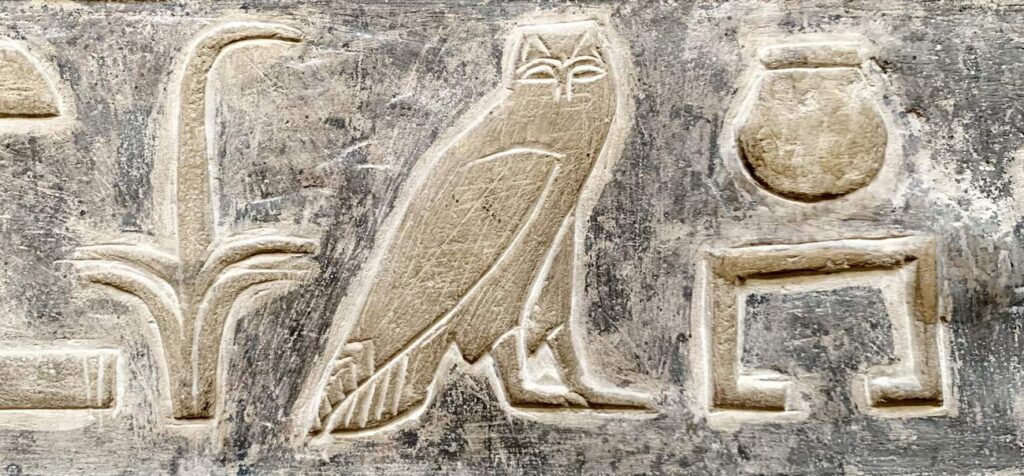
Contrary to popular belief, the Ancient Egyptian owl was never a symbol of wisdom; that distinction belongs to Greek mythology. To the pharaohs, this intense-staring Barn Owl was a creature of the night, a symbol of mourning, and a guardian of the Underworld. While it served a daily practical purpose as the hieroglyph for the letter ‘M,’ its deeper cultural meaning embodied the dangerous, silent precision of the dark rather than intellectual insight.
Dogs in Ancient Egypt: Companions to Guardians of the Underworld
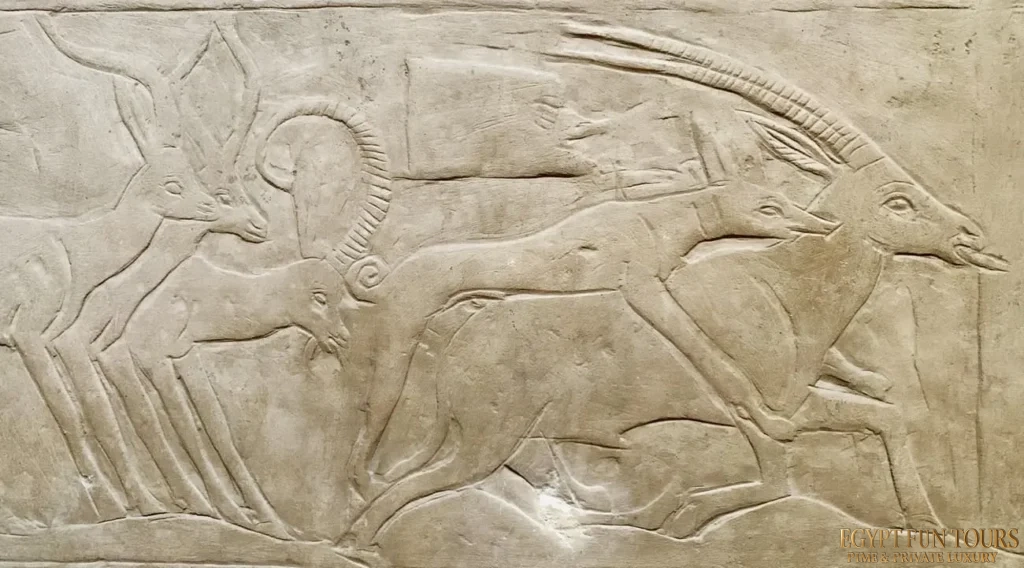
Dogs in Ancient Egypt were revered and essential, serving both practical and spiritual roles. As indispensable companions, specialized Ancient Egyptian Dog Breeds like the Tesem aided in hunting and guarding, receiving unique names and elaborate burials reflecting their status as cherished family members. Spiritually, canines held divine authority through the gods Anubis and Wepwawet, who functioned as psychopomps, or guides of souls, ensuring safe passage through the underworld and underscoring the dog’s profound symbolic role as the ultimate loyal guardian between worlds.
Hyenas in Ancient Egypt: Pets, Scavengers, and Deities of the Desert
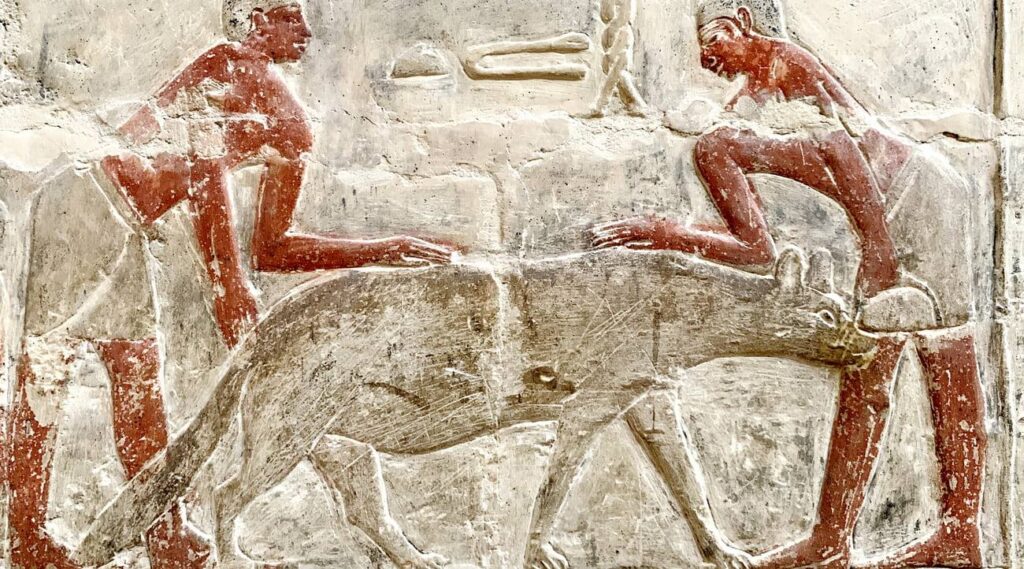
While Ancient Egyptians worshipped the lion and mummified the cat, they ate the hyena. During the Old Kingdom, noblemen attempted a strange biological experiment: domesticating the Striped Hyena. Reliefs at Saqqara depict these bone-crushing predators being bound, force-fed like geese, and fattened for ritual slaughter. However, the experiment failed. Too stubborn to tame and too biologically repulsive to revere, the hyena was eventually cast out of the Egyptian home, becoming the only major African predator with no god to represent it.
The Baboon in Ancient Egypt: Manifestation of Thoth, Worshipper of the Sun
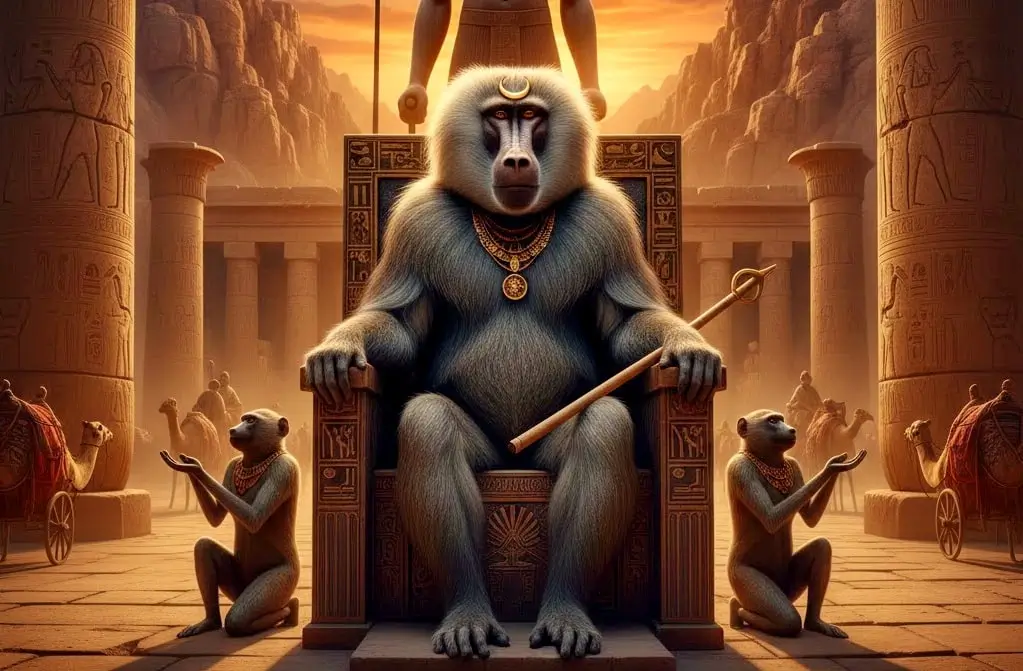
The baboon held the unique position of being the closest animal link to divine intelligence. Egyptians revered the Hamadryas Baboon as the sacred manifestation of the god Thoth, patron of wisdom, writing, and the moon. They observed its chattering at dawn and interpreted this behavior as hymns sung to the rising sun (Ra). Consequently, the baboon was present at the creation, upon the solar barque, and at the final judgement in the Hall of Two Truths, recording the verdict against the human soul.
The Sacred Vulture: Symbol of Motherhood and Divine Power
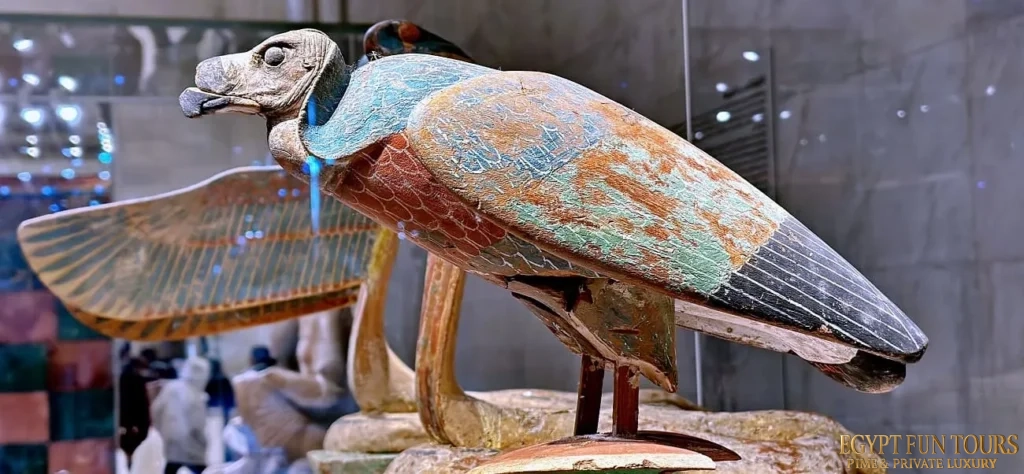
Soaring above the Nile, the vulture was seen by ancient Egyptians not as an omen of death, but as a divine protector and a symbol of motherhood. Discover the sacred role of this powerful bird, its deep connection to goddesses like Nekhbet and Mut, and why its image was used to shield pharaohs and adorn the headdresses of the most powerful queens.
The Egyptian Cobra Snake: Symbolism, Mythology, and the Royal Uraeus
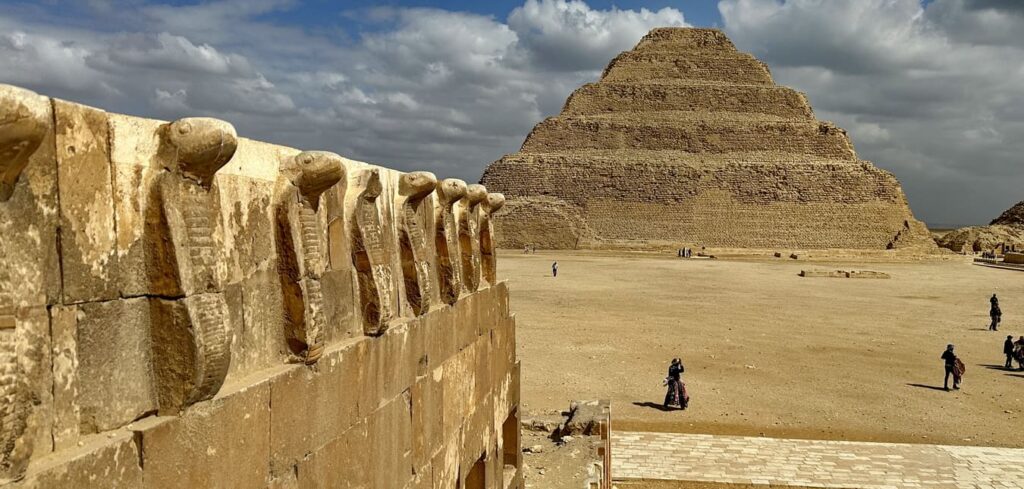
The Egyptian Cobra Snake (Naja haje) was the most potent symbol of royalty and divine protection in Ancient Egypt. Revered and feared for its size, distinctive hood, and deadly venom, this snake was embodied by the goddess Wadjet, the fierce patroness of Lower Egypt. The cobra’s ultimate expression was the Uraeus, the rearing serpent worn on the Pharaoh’s crown. The Uraeus acted as a mythical bodyguard, instantly striking down the king’s enemies with “divine fire” and asserting the ruler’s absolute authority to maintain cosmic order (Ma’at). Though distinct from the chaos serpent Apep, the cobra’s power was essential for survival both in life and the journey through the afterlife.
The Sacred Ibis Bird in Ancient Egypt: God Thoth and Wisdom
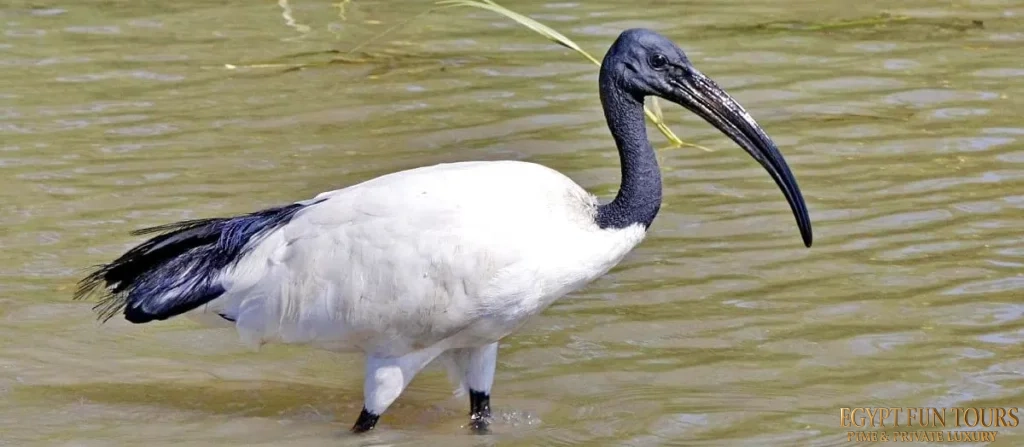
The Sacred Ibis was one of ancient Egypt’s most potent symbols, serving as the earthly manifestation of Thoth, the god of wisdom, writing, and cosmic order. Revered for its long, curved beak that symbolized the scribe’s pen and the crescent moon, the Ibis was critical in the afterlife, recording judgment in the Hall of Two Truths. This intense devotion fueled a massive religious industry, evidenced by the millions of Ibis mummies found in the catacombs of Saqqara, revealing the complex paradox of a divine animal systematically bred and sacrificed to secure popular favor.