
A Visitor’s Guide to St. George’s Church in Coptic Cairo
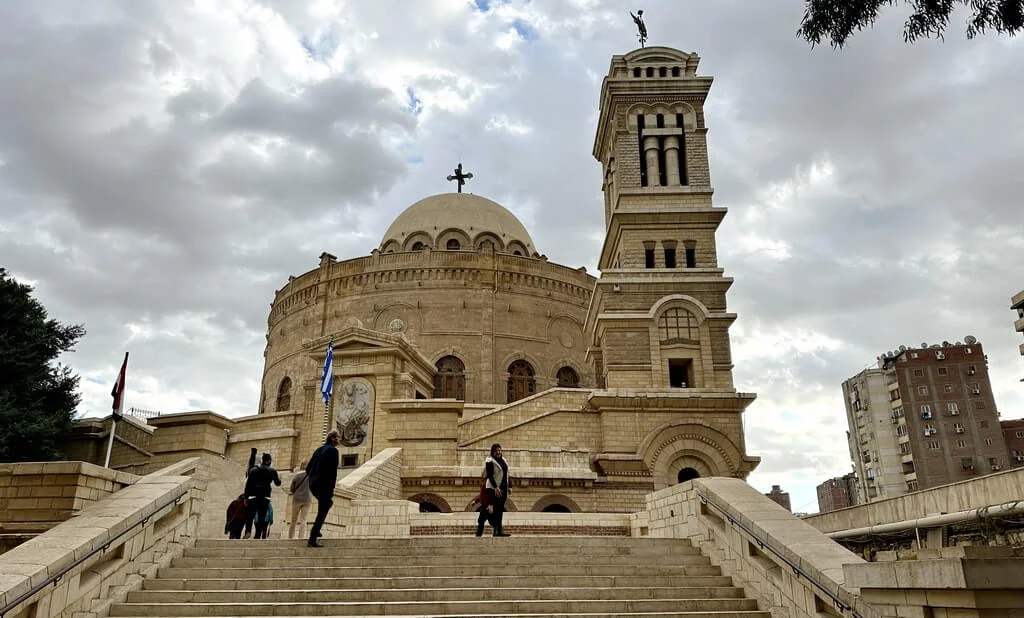
Discover the Church of St. George (Mar Girgis), the principal Greek Orthodox church in Coptic Cairo. Uniquely built in a circular style, it sits atop a massive Roman tower of the Fortress of Babylon. This guide explores its history, its stunning interior adorned with rich icons and dark wood, and its significance as a major pilgrimage site.
The Hanging Church: Cairo’s Church Built Over a Roman Fortress
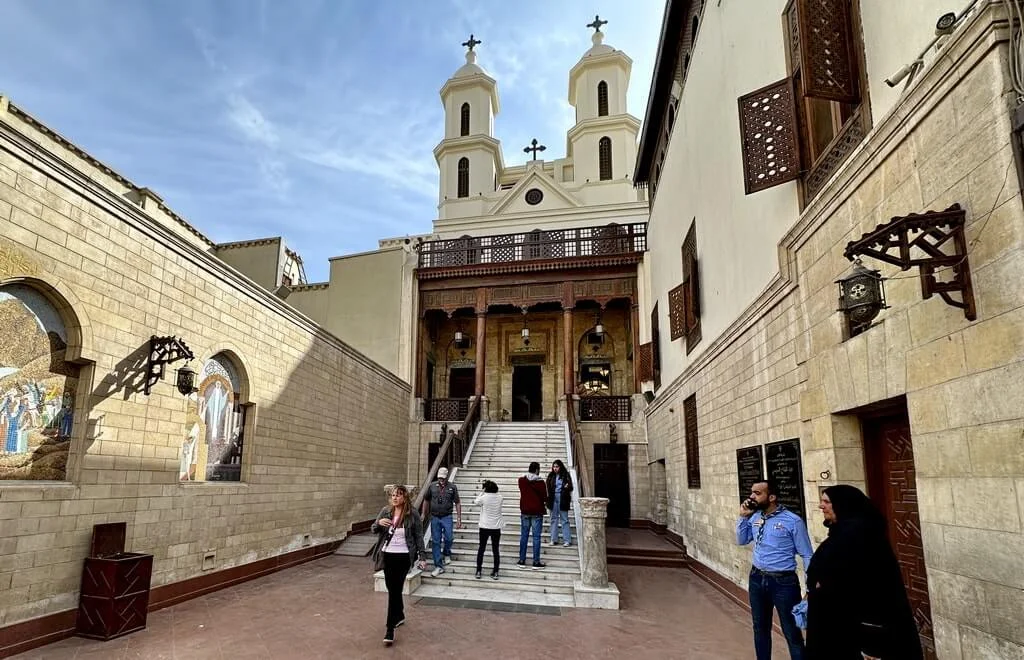
Explore the Hanging Church, a spiritual and architectural icon of Coptic Cairo. Formally known as Saint Virgin Mary’s Coptic Orthodox Church, it is renowned for its unique location, built suspended over the Water Gate of the 4th-century Roman Fortress of Babylon. This article covers its rich history, its famous 13th-century altar screen, and its centuries-long importance as a center of Coptic Christianity, having once served as the residence of the Coptic Pope from the 11th to the 13th century.
Slavery in Ancient Egypt: Roles, Reality, and the Lowest Social Tier
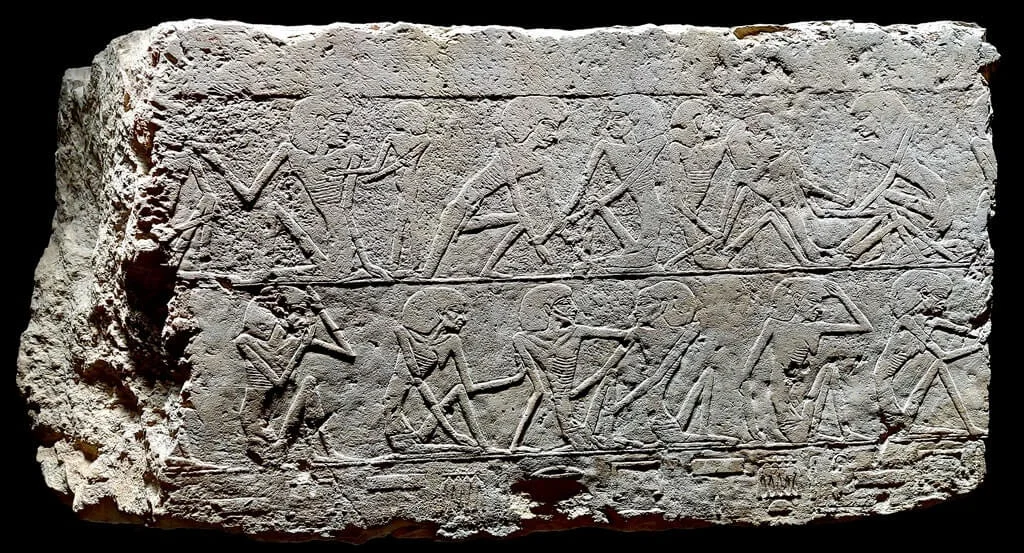
Explore the complex realities of slavery in ancient Egypt. Discover how people entered bondage, primarily as prisoners of war or through crippling debt. This article examines their varied roles—from domestic servants in wealthy homes to forced laborers in brutal mines—and clarifies the critical difference between the life of an enslaved person and that of a free Egyptian farmer.
The Ptolemaic Dynasty in Egypt: Alexander’s Legacy to Cleopatra’s Fall
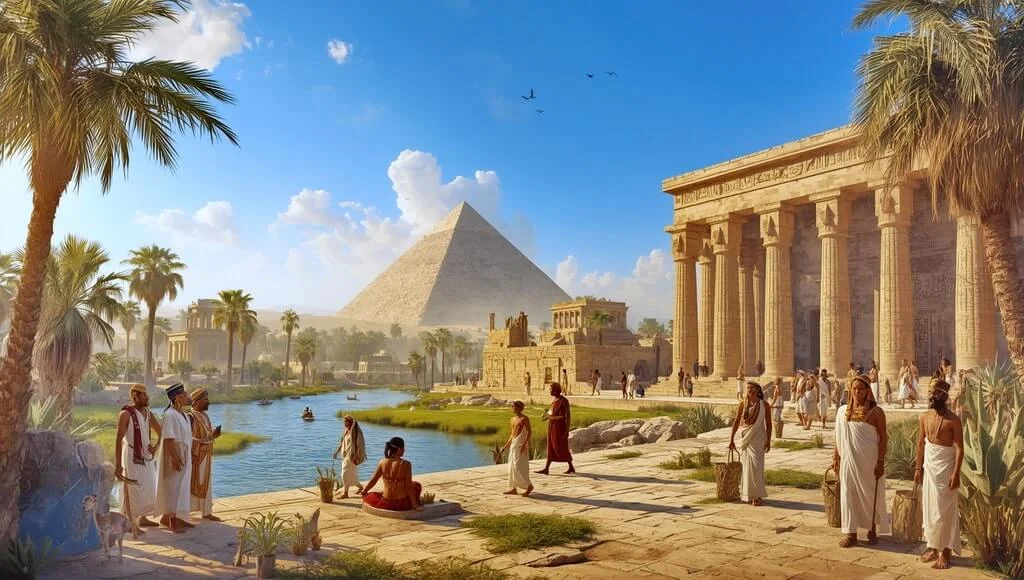
Explore the dynamic era of the Ptolemaic Dynasty (332–30 BCE), founded by Alexander the Great’s general, Ptolemy I Soter. This period defined Hellenistic culture, blending Greek rule with ancient Egyptian tradition. Discover how the Ptolemies transformed Egypt into a world superpower, built Alexandria (home to the Great Library and the Lighthouse of Pharos), and secured their legacy through scientific and artistic patronage, culminating in the dramatic reign and final downfall of its last queen, Cleopatra VII.
Roman and Byzantine Egypt: Breadbasket of Rome & Rise of Christianity
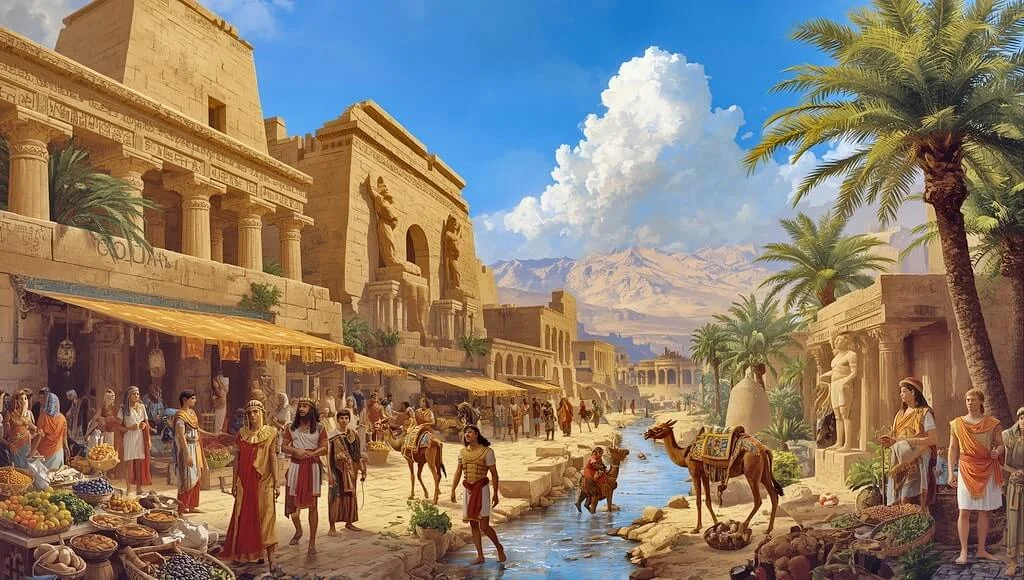
Discover the pivotal era of Roman and Byzantine Egypt, a time of immense transformation following the tragic death of Cleopatra. Learn how Egypt served as the vital “breadbasket” that fed the Roman Empire and became the spiritual cradle of Christianity, giving rise to the Coptic Church and the world’s first monasteries. Trace the history from the rule of distant Emperors to the final Arab Conquest in 642 CE that reshaped the region’s identity forever.
Best Cairo Belly Dance Show

The Cairo Belly Dance Show is one of the most captivating experiences the city has to offer, blending its rich cultural heritage with mesmerizing performances. These vibrant shows attract both locals and tourists, showcasing skilled dancers who perform to the rhythmic beats of traditional Egyptian music. Whether you’re looking for a night of entertainment or […]
The Ancient Egyptian Sarcophagus: A Guide to the House of Eternity
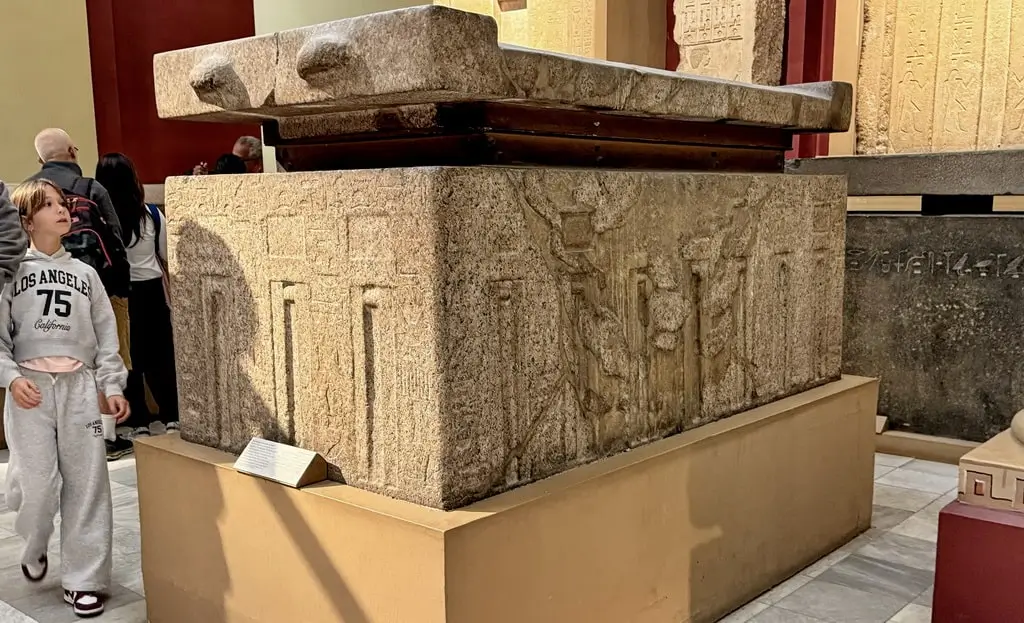
This guide explores the ancient Egyptian sarcophagus, the ultimate “house of eternity.” Discover why the Greek “flesh-eater” name is a complete misconception and how the sarcophagus’s true purpose was to preserve, not consume. We break down the key difference between the massive, outer stone sarcophagus and the inner wooden or gold coffins, and trace its 3,000-year evolution from a simple Old Kingdom box to an intricate, spell-covered masterpiece designed to guarantee the pharaoh’s resurrection.
The Flower of Life Symbol: Meaning, Origins & Sacred Geometry
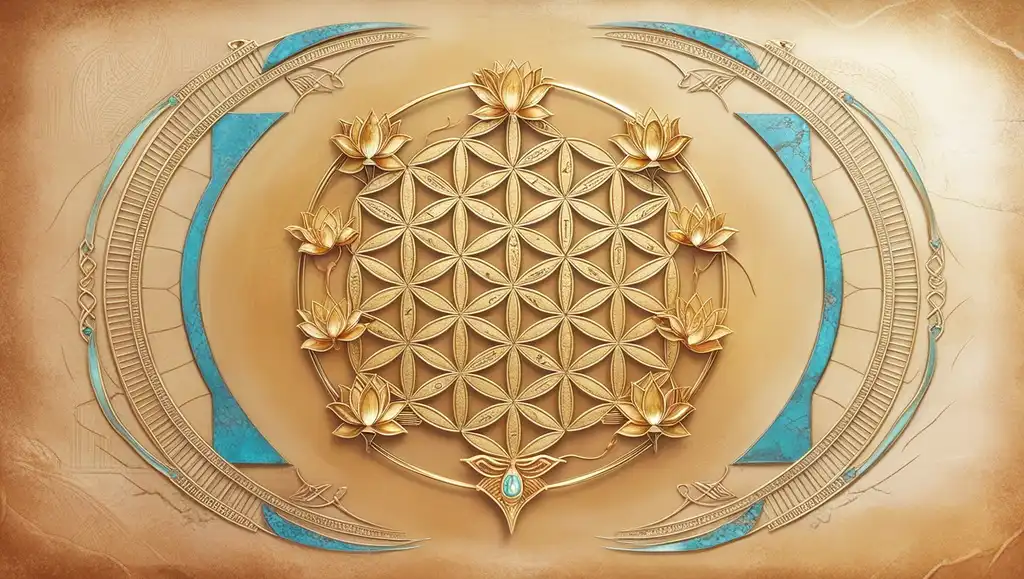
The Flower of Life is a potent symbol in sacred geometry, composed of multiple evenly-spaced, overlapping circles arranged in a hexagonal pattern. Dating back to Ancient Egypt, it is revered across cultures as the blueprint of creation and the source of all existence. This intricate structure is believed to contain the fundamental patterns of the universe, representing the interconnectedness of all life and the continuous, unified cycle of creation.
Ouroboros: Snake Eating Its Tail Meaning
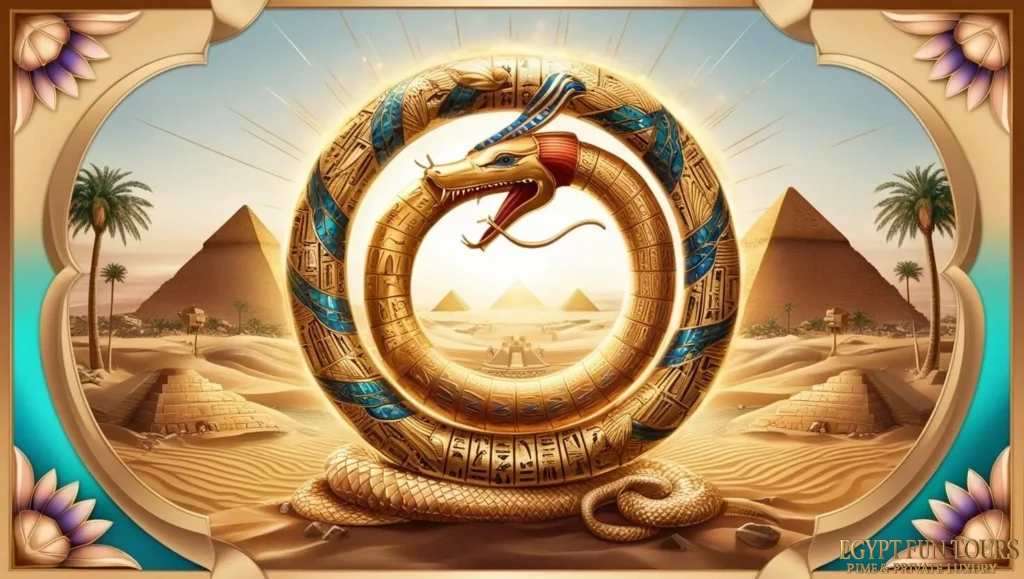
The Ouroboros is an ancient, powerful symbol of a serpent or dragon consuming its own tail, signifying eternal cyclic renewal and the unity of all things. Originating in Ancient Egypt, it was adopted by Greek alchemists, Gnostics, and Norse mythology (Jörmungandr) to represent the endless cycle of creation and destruction. (246 characters)
The Best Time to Visit Egypt and Jordan: The Shoulder Season Sweet Spot
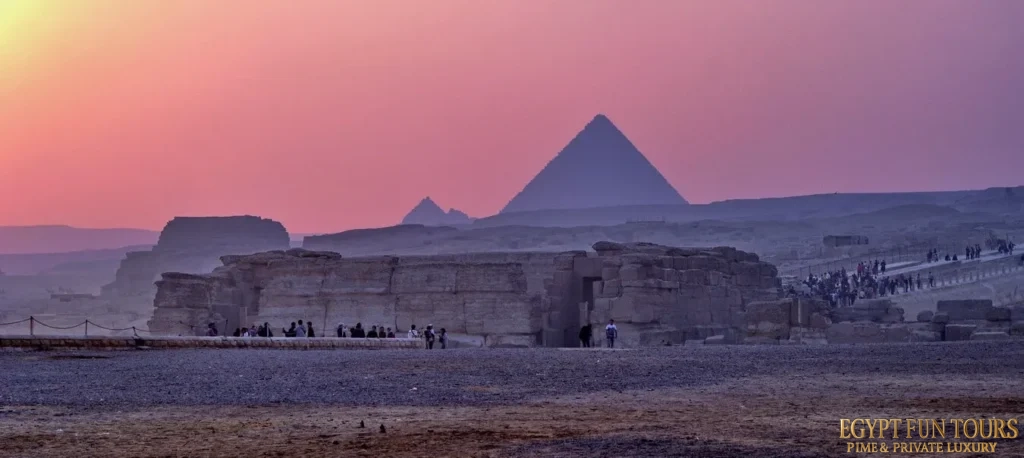
The optimal period for a combined trip to Egypt and Jordan is during the shoulder seasons of Spring (March to May) and Autumn (September to November), as these months offer the most balanced and pleasant weather for both countries. While Egypt’s peak is typically the mild winter (October–April), the spring and autumn periods in Jordan provide perfect temperatures for exploring Petra and Wadi Rum without the scorching summer heat or the extreme winter chill found in Jordan’s highlands. This combined window ensures comfortable sightseeing at the Pyramids, ideal conditions for a Nile Cruise, and the best climate for walking tours across both ancient kingdoms.
A Visitor’s Guide to the Cave Church of Saint Simon (Mokattam)

Discover the Monastery of Saint Simon the Tanner, famously known as the “Cave Church,” one of the largest churches in the Middle East. Carved directly into the Mokattam Hills, this modern marvel serves as the spiritual heart of Cairo’s Zabbaleen (garbage collectors) community. This guide explores its massive rock-hewn amphitheater, its history, and the story of the Coptic saint it honors.
The Miraculous Birth of Horus: Magic, Danger, and Destiny
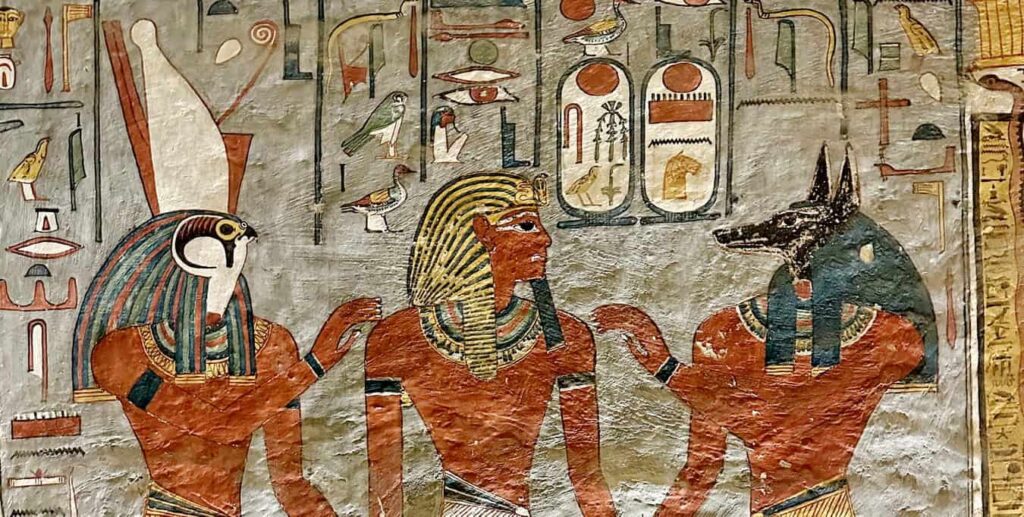
Discover the miraculous Birth of Horus, the ancient Egyptian myth of the “Solar Child” who conquered darkness. This guide explores how Isis used powerful magic to conceive her son after Osiris’s death and hid him in the secret marshes of Chemmis. Learn why the ancients celebrated his birth on December 25th to mark the Winter Solstice, and how the image of the divine mother nursing her savior son influenced religious iconography for millennia.