Avoid Visiting Jordan from December to February
The winters are cool, mainly in the highlands, from December to February. At night during this time, it gets down to around 40°F or 4°C. It even snows quite a lot in those mountain areas, creating a beautiful scene. This is not exactly the time when Jordan is seen, but its natural beauty and historic places wear a different look during winter.
It is good to know the weather in Egypt and Jordan to plan a visit accordingly. The peak seasons in both countries are generally preferred, but spring and autumn are considered the best shoulders, offering a good combination of weather and avoiding crowds. Be it the cooler temperatures or vibrant blooms of spring, the varied experiences of each season make the rich histories and stunning landscapes these amazing destinations have to offer come to life.
Peak Tourist Seasons

The peak time to visit Egypt and Jordan falls in the period between October and April. This is when people around the world would wish to have a time off and be able to see these two countries, which have mild and pleasant weather. The temperatures of the atmosphere, neither too hot nor too cold, are accompanied by clear skies. This is one of the best times to see all kinds of historic sites, along with other wonders of nature in Egypt and Jordan.
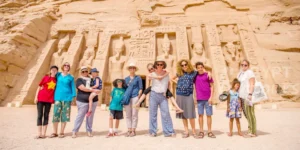
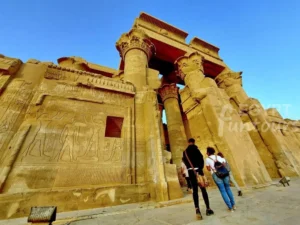
These are those months of the year when such popular places in Egypt, like the “Pyramids of Giza”, “Luxor”, and the “Nile River”, get very crowded. The period is, nevertheless, quite pleasant to visit the ancient temples and tombs since visitors do not have to bear the intense summer heat. Similarly, in Jordan, famous attractions such as “Petra”, “the Dead Sea”, and “Wadi Rum” become beehives of activity. Good weather allows the adventurers to go outdoors, hike, do some sightseeing, and enjoy unique landscapes.
Best Time to Visit Egypt and Jordan: It gets very crowded
Expect popular sites to be very crowded in peak season when the number of tourists swells. Tourists may need to line up in long queues at major attractions or even walk through large crowds. For this reason, booking your accommodation and tours in advance is a good idea. The guided tour that involves skip-the-line access at popular sites is often a good way to ensure the smoothest experience possible for many travelers.
This peak season happens to fall squarely on some local festivals and events that may give meaning to the travel experience. For instance, in Egypt, there is the Cairo International Film Festival in November, which all film enthusiasts go to obtain a deeper understanding of the local arts. In Jordan, the “Jerash Festival of Culture and Arts” in July features music, dance, and general cultural performances that provide an ambiance of vibrancy for the visitor.
The high season gives the best weather; it’s much livelier, though. Tourists must also consider the shoulder seasons in late spring and early autumn, in May and September, respectively. These months may provide a good compromise between fairly decent weather and not so much crowding for those more personal times at popular sites.
The high season, which runs from October through April, brings the best out of Egypt and Jordan. However, with a little planning and consideration of shoulder seasons, places can be less crowded and more enjoyable.