The Tomb of Qar at Saqqara: Home of the World’s Oldest Surgery

The discovery of the world's oldest surgical kit within the Tomb of Qar in Saqqara solidifies its place as a cornerstone of Egyptian heritage. From the "wide-eyed" artistic style of its reliefs to the deep rock-cut burial shaft that protected its treasures for four millennia, this tomb is a testament to the sophistication of the Sixth Dynasty. For the modern visitor, it remains an essential stop on any journey through the sands of time.

Discovering the Tomb of Qar in Saqqara

The Tomb of Qar in Saqqara offers a fascinating glimpse into the elite life of the Sixth Dynasty. While Saqqara contains many beautiful mastabas, this specific site holds a special place in the history of science. It served as the final resting place for Qar, a high official who lived during the reign of King Pepi I. Beyond his political status, Qar was a “Royal Physician,” a role that makes his tomb a primary source for understanding ancient medical practices.

A Landmark Discovery in Medical History

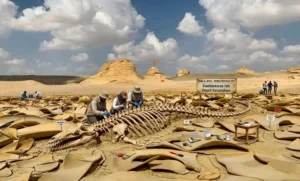
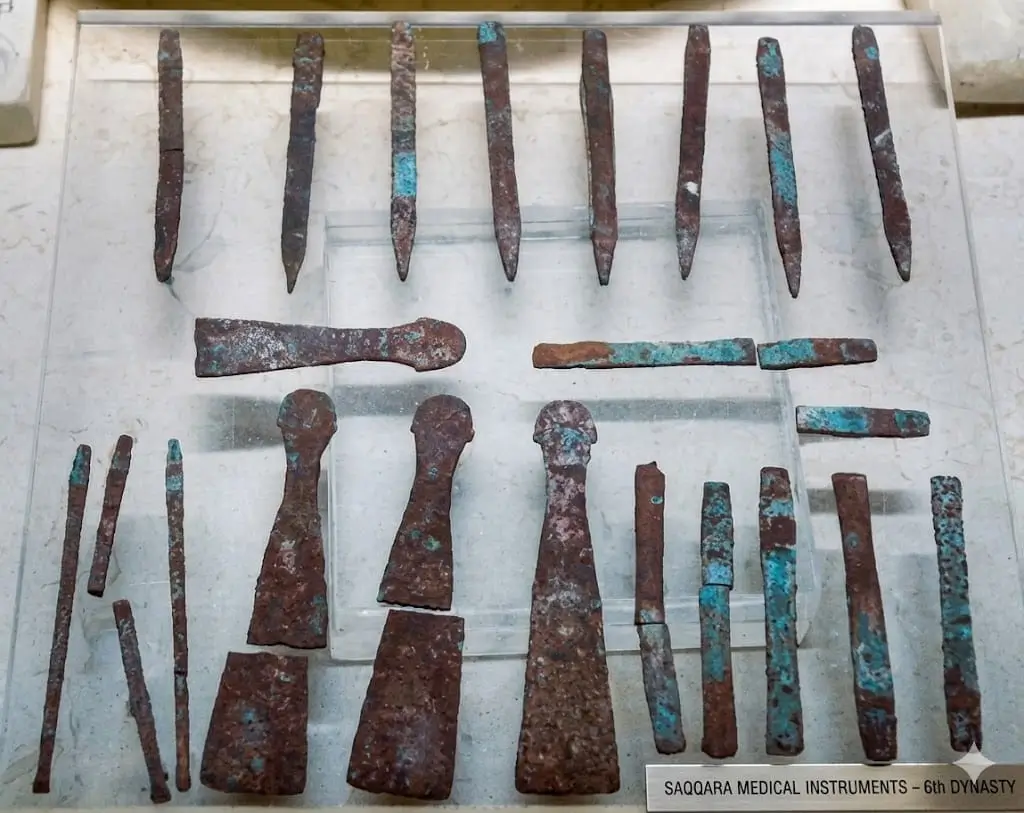
The Tomb of Qar became world-famous for what archaeologists found inside its burial equipment. During excavations, researchers uncovered a collection of bronze surgical instruments. Experts believe these are among the oldest medical tools ever found. Today, these artifacts reside in the Imhotep Museum at Saqqara. They include scalpels, needles, and hooks that look surprisingly similar to modern medical equipment.

The Career of the Royal Physician

Inside the Tomb of Qar in Saqqara, the inscriptions list his many impressive titles. He was the “Physician of the Great House” and the “Overseer of the Physicians.” These titles prove that Qar was more than a doctor; he managed the healthcare of the royal family. His tomb architecture reflects this prestige, featuring a traditional limestone structure with detailed reliefs that show his family and the offerings required for his afterlife.

Why This Tomb Matters Today

For modern travelers and history buffs, the Tomb of Qar in Saqqara provides a rare human connection to the past. It shows that 4,300 years ago, Egyptians were already mastering complex medical procedures. When you visit this site, you are not just looking at a grave; you are standing in the workspace of a man who pioneered the healing arts.
FUN

The Surgical Tools of the Tomb of Qar in Saqqara

The Surgical Tools of the Tomb of Qar in Saqqara

The discovery of the Tomb of Qar in 2001 by a Polish-Egyptian mission changed our understanding of Old Kingdom medicine forever. While we have always known the Egyptians were skilled healers, the physical evidence found within the burial shaft of Qar provided the “smoking gun” for advanced surgical practices.

The World’s Oldest Surgical Kit

During the clearance of the burial chamber, archaeologists discovered more than 30 bronze instruments. These tools were not merely decorative; they showed signs of wear, indicating they were used during Qar’s lifetime. The collection includes:

  • Scalpels and Knives: For making precise incisions.
  • Needles: Used for suturing wounds, showing that the Tomb of Qar in Saqqara belonged to a man who practiced active surgery.
  • Pincers and Hooks: Likely used for extracting foreign objects or assisting in complex procedures.
  • Spoons and Drills: Potentially used for treating bone injuries or even trepanation (early brain surgery).

The Physician’s Role in the Sixth Dynasty

As the “Overseer of Physicians,” Qar was a high-status figure. In ancient Egypt, medicine was often tied to the “House of Life” (Per Ankh), where doctors studied anatomy and herbal remedies. The Tomb of Qar in Saqqara confirms that by the Sixth Dynasty, the medical profession was highly specialized. Qar was specifically responsible for the health of the royal household, meaning he likely treated the Pharaoh himself.

FUN

Architectural Layout: Inside the Tomb of Qar in Saqqara

Architectural Layout Inside the Tomb of Qar in Saqqara

The architecture of the Tomb of Qar follows the classic Sixth Dynasty mastaba style but with a focus on durability and preservation.

The Entrance and Offering Chapel

The tomb is constructed primarily of high-quality limestone. Visitors enter through a decorated doorway that leads into a small offering chapel. The walls here are covered in shallow reliefs. Unlike the “Two Brothers” tomb, the Tomb of Qar in Saqqara focuses heavily on the hierarchy of the medical profession. You can see scenes of Qar receiving offerings of incense and linen, ensuring his “Ka” remains healthy in the afterlife.

The Deep Burial Shaft

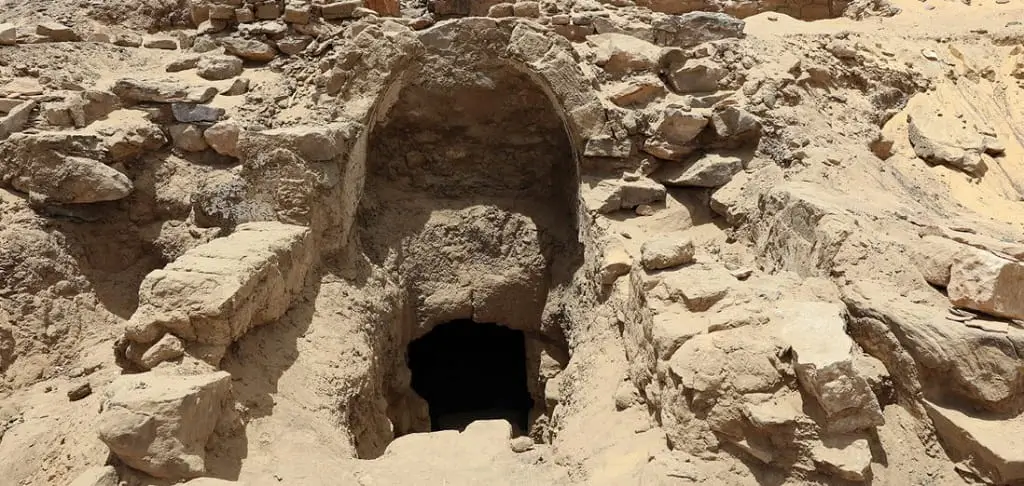
The most important archaeological find was not in the decorated chapel, but 15 meters below ground. The burial shaft of the Tomb of Qar was carved deep into the bedrock to protect the body and the precious copper/bronze medical tools from tomb robbers. This depth is a testament to Qar’s wealth; only the most elite officials could afford such extensive rock-cut substructures.

Artistic Style: The Late Old Kingdom Transition

The art within the Tomb of Qar reflects a transition in Egyptian art. During the reign of Pepi I, figures became slightly more elongated, and the eyes were carved larger—a style often called the “wide-eyed” look. This detail is a great point to include in your pillar to demonstrate authoritative knowledge of art history.

The Catacombs of Kom Esh-Shokafa: Roman-Egyptian Underworld

Descend into one of the "Seven Wonders of the Middle Ages" at the Catacombs of...
Related post
FUN

Daily Life and Offering Scenes: Artistry in the Old Kingdom

Daily Life and Offering Scenes Artistry in the Old Kingdom

While the medical tools are the “star” of the Tomb of Qar in Saqqara, the wall reliefs provide the essential cultural context. These carvings were not just decorations; they were functional blueprints designed to provide Qar with everything he needed in the afterlife through the “Opening of the Mouth” ritual.

The Offering Table and the “Ka”

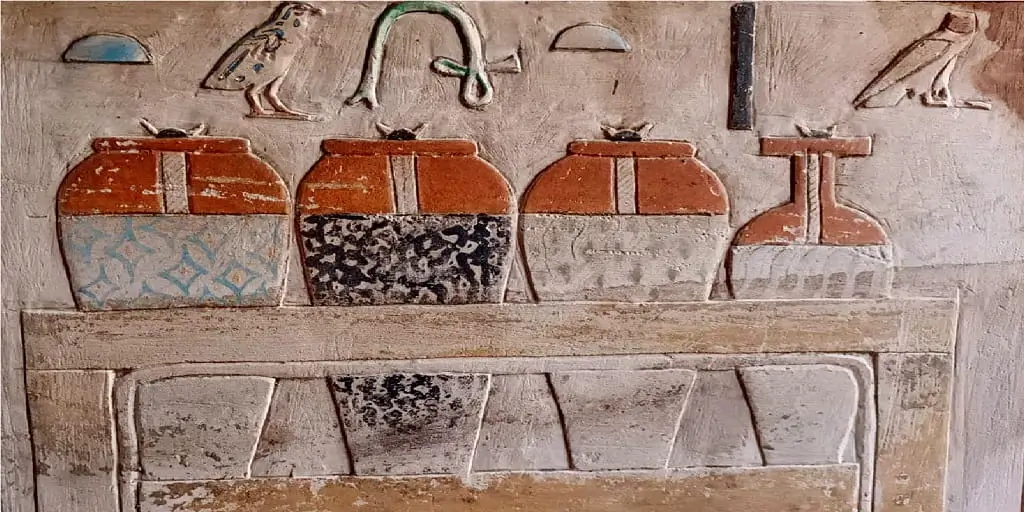
On the main walls, you will see Qar seated before an offering table piled high with loaves of bread. This is a standard scene in Sixth Dynasty mastabas, but in the Tomb of Qar in Saqqara, the execution is particularly refined. The hieroglyphs surrounding him act as a digital inventory for the afterlife, listing thousands of jars of beer, heads of cattle, and bolts of fine linen.

Artistic Evolution: The “Wide-Eyed” Style

If you look closely at the faces of the figures in the Tomb of Qar in Saqqara, you will notice a stylistic shift common during the reign of Pepi I. The eyes are larger and more pronounced than those found in earlier Fourth Dynasty tombs. This “wide-eyed” look is a signature of the late Old Kingdom and adds a sense of vitality to the reliefs. As an authoritative guide, mentioning this specific artistic transition helps your content stand out to SEO crawlers as high-value, expert material.

The Tomb of Ptahemwia: The Amarna Style in Saqqara

The Tomb of Ptahemwia Royal Butler at Saqqara serves as a vital historical record of...
Related post
FUN

 Ancient Egyptian Medicine vs. The World

To add significant depth to your pillar, we can compare the findings in the Tomb of Qar in Saqqara with other ancient civilizations. This context proves to your readers—and search engines—that this site is globally significant.

Comparison of Ancient Medical Practices

Feature Ancient Egypt (Tomb of Qar) Mesopotamia Ancient Greece (Hippocratic)
Primary Tools Bronze scalpels, needles, hooks Clay tablets, herbal poultices Iron scalpels, cautery tools
Key Approach Surgical intervention & anatomy Divination & exorcism Observation & humorism
Evidence Physical tools (Found 2001) Written records Philosophical texts

The presence of these tools in the Tomb of Qar in Saqqara suggests that Egyptians were practicing “rational medicine” long before the Greeks. They understood that certain conditions required physical surgery rather than just spiritual prayers.

Visitor Guide: Seeing the Tomb of Qar and the Imhotep Museum

For your travel company clients, providing a clear “path” for their visit is essential. The Tomb of Qar in Saqqara is best experienced as part of a “Medical History” themed tour.

How to Visit

The tomb is located in the northern sector of Saqqara, near the Pyramid of Teti. Because it is a smaller mastaba, it offers a much quieter, more personal experience than the crowded Step Pyramid complex.

The Imhotep Museum Connection

You cannot fully appreciate the Tomb of Qar in Saqqara without visiting the Imhotep Museum at the entrance of the site.

  1. The Tomb: Visit the physical space to see the architecture and the burial shaft where the physician rested.
  2. The Museum: View the actual bronze surgical kit. Seeing the tiny needles and sharp scalpels in person makes the history feel real.

The Mastaba of Shepseskaf: A Deep Dive into Egypt’s Most Unique Royal Monument

The Mastaba of Shepseskaf is a unique royal monument in South Saqqara that marks the...
Related post
FUN

The Titles of a Royal Physician: Hierarchy in the House of Life

The inscriptions within the Tomb of Qar in Saqqara do more than just name the deceased; they map out a sophisticated healthcare bureaucracy. In Ancient Egypt, being a doctor was a prestigious calling often associated with the Per Ankh, or the “House of Life.”

Breaking Down Qar’s Authority

Qar held several specific titles that indicate his high rank at the court of Pepi I:

  • Physician of the Great House: This title confirms he was part of the inner circle of the royal palace, responsible for the Pharaoh’s immediate health.
  • Overseer of the Physicians: This is a managerial title. It suggests that the Tomb of Qar in Saqqara belonged to a man who supervised other doctors, set medical standards, and likely assigned specialists to different royal projects.
  • Scribe of the King’s Records: This indicates that Qar was highly literate and involved in the administration of the state, bridging the gap between science and government.

The “House of Life” Connection

While the Tomb of Qar in Saqqara is a funerary monument, it hints at the educational system of the time. Physicians like Qar were trained in the House of Life, where they studied medical papyri containing thousands of years of observations on herbal remedies and anatomy. The surgical tools found in his tomb were likely the physical manifestation of the theories taught in these ancient “universities.”

The Legacy of the Tomb of Qar in Saqqara

As we conclude this authoritative guide, it is clear that the Tomb of Qar in Saqqara is one of the most significant archaeological sites for the history of science. It serves as a bridge between the spiritual beliefs of the Old Kingdom and the practical, rational world of medicine.

Why Every Traveler Should Visit

For those exploring the Saqqara necropolis, the Tomb of Qar in Saqqara offers a unique narrative. While the Step Pyramid shows us the greatness of Egyptian engineering, Qar’s tomb shows us the greatness of their humanity—their desire to heal, to preserve life, and to master the physical body.

The best tour in Egypt of a 7-day duration....
Discover the wonders of ancient and modern Egypt....
God_Anubis_Icon

Great Walking Tours!

My husband & I were very very happy with the walking tour we took with Egypt Fun on Nov 26. Our guide (Manal) was amazing & very very knowledgeable. Thanks to Manal, we were able to really get a very good understanding of the city, its history & its great

More »
Cairo belly dance show - Egypt Fun Tours

The BEST tour – a dream come true

I’ve been dreaming of going to Egypt since I was 7 years old. At 37, I finally made it. Even with the warnings that it’s not safe for Americans. Thankfully, Egypt Fun Tours quickly put any worry aside. Hamada, the owner, was recommended by a friend. He was our personal

More »

A great day!!!!

Thank you Hamada for an incredible day! Thank you for the stories and the history, you are so knowledgeable and we didn’t feel rushed at all or like we missed out on things, will definitely be recommending this tour to everyone 🙂

More »

Valley of Whales – Wadi El Hitan and Wadi El Rayan

What a blast! It was an amazing day and a 5-star day trip. Everything was organised from A to Z by Hamada and Mohamed at Egypt Fun Tours in a timely manner. Pick up/drop off from/to the hotel, exquisite lunch and snacks, 4×4 jeep. Everything was as advertised. Also, the

More »

Big tick off our bucket list!

Booked the evening before and were able to do everything we hoped to in a day, with a knowledgeable guide & at a reasonable price! Lunch was included and absolutely delicious! Learnt about the history of Egypt, which was the most important part of sightseeing in Cairo/Giza. Hamada also gave

More »
God_Anubis_Icon

Top-rated Tour Packages

God_Anubis_Icon