The Temple of Alexander the Great: A Unique Legacy in Egypt’s Desert

The Temple of Alexander the Great in the Bahariya Oasis stands as a singular, monumental achievement that bridges the gap between the end of the Pharaonic era and the rise of Macedonian rule. As the only temple in Egypt dedicated to Alexander the Great, it serves as a powerful symbol of his calculated strategy to secure divine and political legitimacy. By commissioning the construction of this site—featuring a unique architectural blend of Hellenistic sensibilities and traditional Egyptian forms—Alexander intentionally aligned himself with the ancient lineage of pharaohs and the authority of the god Amun. Today, the site remains a critical archaeological landmark, offering scholars and visitors a rare, tangible connection to the legendary journey of a conqueror who sought not only to rule Egypt, but to become an integral part of its enduring spiritual tradition.

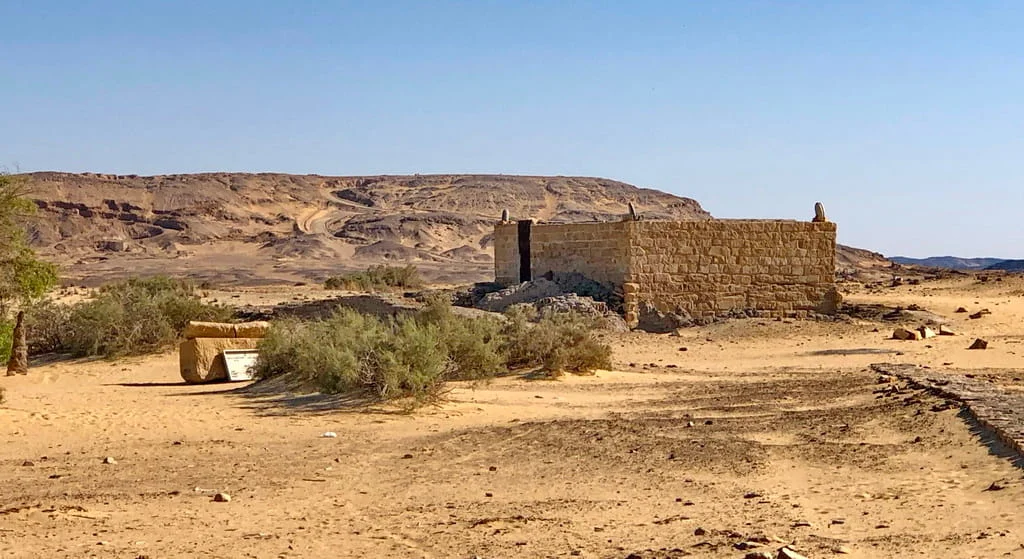
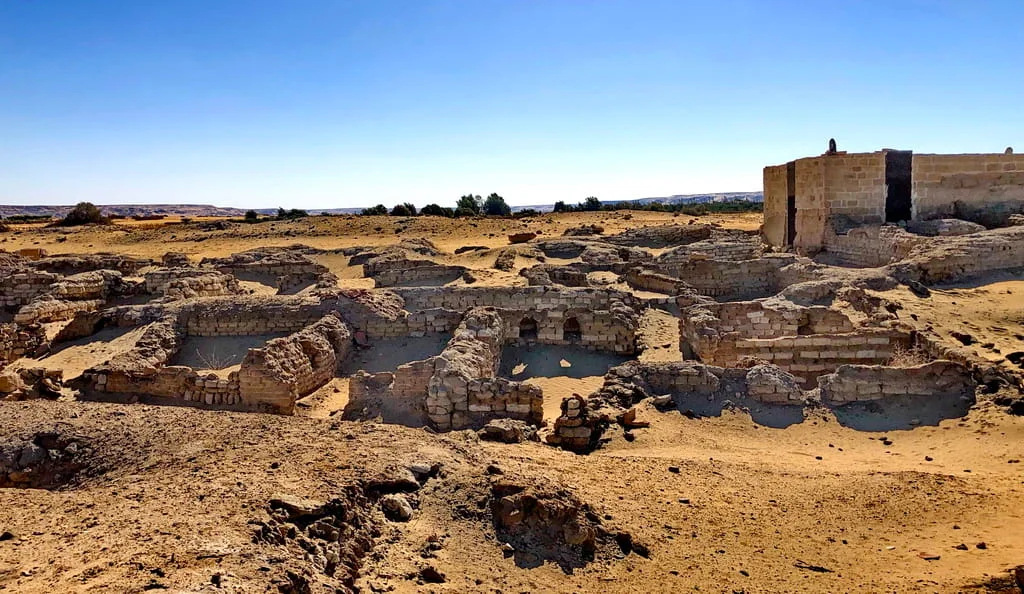
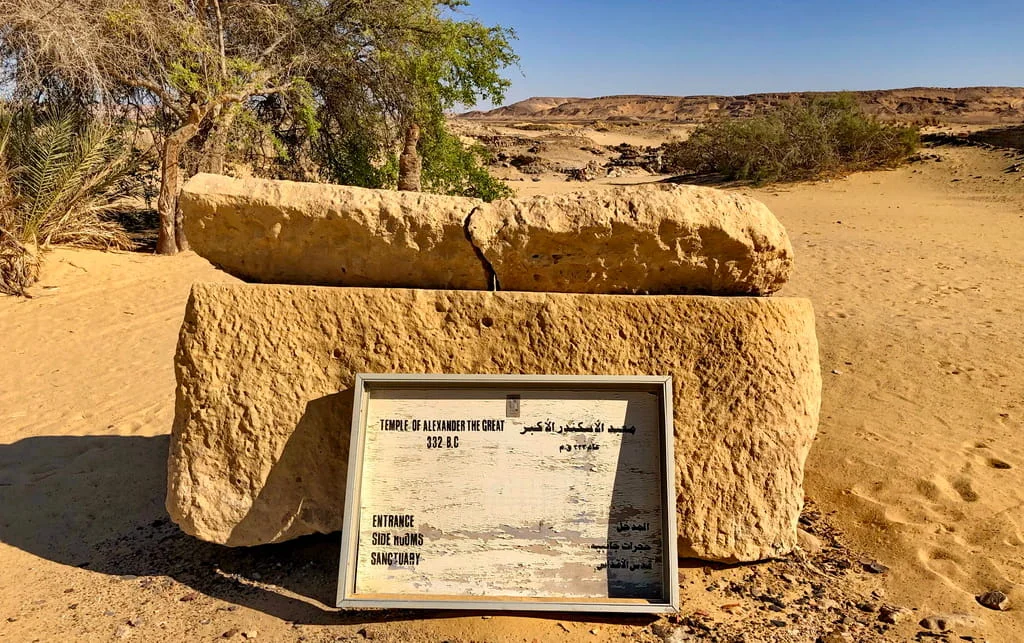
The Temple of Alexander the Great represents a rare and remarkable intersection of Hellenistic ambition and ancient Egyptian tradition. Located within the Bahariya Oasis, this site stands as a singular monument in the Egyptian landscape. While many conquerors passed through the Nile Valley, Alexander chose to leave a permanent, sacred mark here. Consequently, the temple serves as a vital bridge between the end of the Pharaonic era and the rise of the Ptolemaic period.

This article provides an authoritative guide to this enigmatic structure. First, we will examine the historical importance of Alexander’s legendary journey toward the Siwa Oasis. Furthermore, we will investigate the unique architectural features that set this site apart from traditional temples. We will also perform a deep dive into the significance of Alexander’s royal cartouche. By analyzing these elements, we uncover why this temple remains a cornerstone of our understanding of ancient cultural fusion. Join us as we explore the secrets of a site that solidified Alexander’s claim to divine legitimacy in the heart of the Western Desert.

The eye of Horus

The Historical Context: A Conqueror’s Quest for Legitimacy

The Historical Context A Conqueror’s Quest for Legitimacy

To grasp the importance of the temple in the Bahariya Oasis, we must first examine the political climate of the 4th century BC. When Alexander the Great entered Egypt in 332 BC, he did not arrive as a mere conqueror. Instead, he presented himself as a liberator who intended to restore the dignity of a land long suppressed by Persian rule. Consequently, the Egyptian people welcomed him with little resistance. This rapid acceptance provided Alexander with a golden opportunity to secure his new territory through traditional means.

Furthermore, Alexander understood that military dominance alone could not guarantee long-term stability. To rule effectively, he needed to earn the spiritual validation of the Egyptian priesthood. He achieved this by meticulously respecting local traditions, such as offering sacrifices to the Apis bull in Memphis. However, his most ambitious step toward legitimacy involved a dangerous trek deep into the Western Desert. By seeking out the Oracle of Amun in the Siwa Oasis, he aimed to align himself with the ancient lineage of divine pharaohs.

The Bahariya Oasis played a critical role in this legendary journey. As Alexander marched westward, he stopped in the region to make offerings to the gods. Building this temple was a strategic act of devotion. By dedicating a sacred space to Amun and Horus, Alexander solidified his identity as a traditional Egyptian king in the eyes of his subjects. Ultimately, this temple serves as a physical witness to his effort to merge Hellenistic power with the deep, storied spiritual authority of the Egyptian pharaohs.

Golden Scarab

The Journey to Siwa: A Treacherous Path

The Journey to Siwa A Treacherous Path

Alexander’s decision to journey toward the Siwa Oasis remains one of the most debated and fascinating episodes of his life. In 331 BC, after securing his authority in Memphis, he turned his sights toward the Western Desert. The goal was the legendary Oracle of Amun, a site renowned throughout the Mediterranean for its accuracy and divine insight. However, the path to Siwa was not merely a physical journey; it was a grueling test of survival through the unforgiving terrain of the Western Desert.
Alexander led his army across hundreds of kilometers of barren, shifting sands. Ancient sources, such as Arrian and Strabo, describe the immense dangers he faced, including the risk of water shortages and the constant threat of disorientation. The Bahariya Oasis served as a critical stop during this expedition. It provided a necessary refuge where his troops could rest, replenish their supplies, and reorganize before venturing deeper into the void.

This stop was strategically significant for several reasons:

  • Logistical Support: The oasis offered a rare source of water and food, which were essential for maintaining the strength of his forces.
  • Cultural Engagement: By stopping at existing sacred sites in Bahariya, Alexander displayed deep respect for local religious customs.
  • Symbolic Preparation: The time spent in the desert allowed him to prepare mentally and spiritually for the encounter with the Oracle.

The trek to Siwa was far more than a tactical maneuver. It represented a deliberate choice to seek divine approval in a landscape that was both feared and revered. Ultimately, the successful traversal of this terrain cemented Alexander’s reputation as a leader who could conquer not only human enemies but the formidable forces of nature itself.

Queen Hatshepsut’s Temple: The Dazzling Masterpiece of Egypt’s Female Pharaoh

Visit the Mortuary Temple of Queen Hatshepsut, a stunning three-tiered masterpiece carved into the cliffs...
Related post
The eye of Horus

Temple of Alexander the Great: A Unique Fusion of Styles

Temple of Alexander the Great A Unique Fusion of Styles

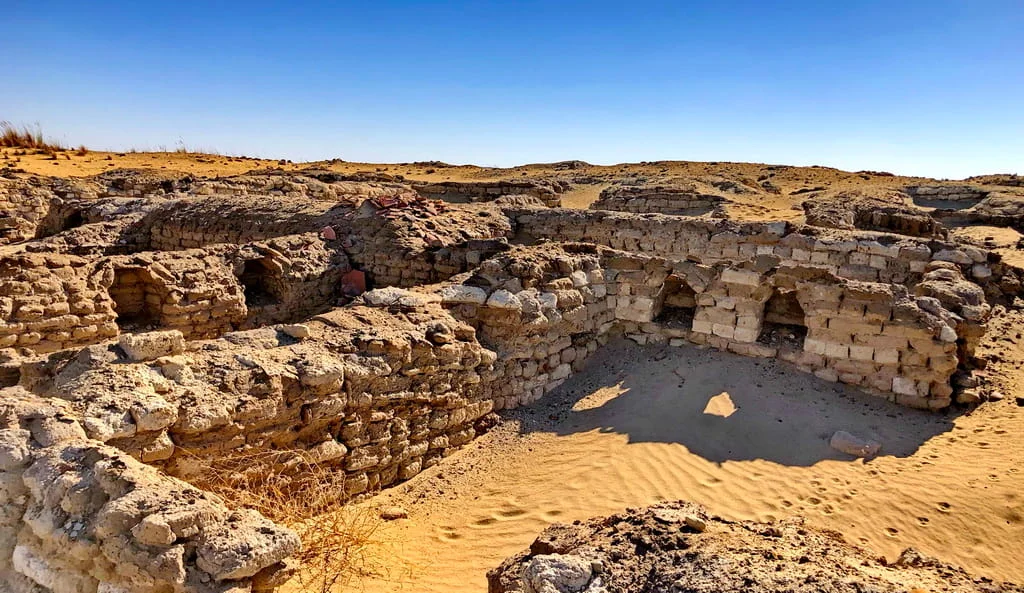
The Temple of Alexander the Great stands as a fascinating case study in architectural evolution. When builders constructed this site, they did not strictly follow the traditional, rigid templates of previous centuries. Instead, they incorporated a unique blend of Hellenistic artistic sensibilities and classic Egyptian structural techniques. This combination makes the Temple of Alexander the Great a distinct landmark, serving as physical evidence of the meeting between two worlds.

The design reflects a calculated effort to remain recognizable to the local population while introducing the aesthetic preferences of the Macedonian visitors. This resulted in several notable architectural characteristics:

  • Adaptive Layouts: The floor plan maintains the traditional sanctuary structure centered on the divine, ensuring it feels inherently Egyptian.
  • Hellenistic Proportions: Subtle modifications in the column spacing and ceiling height suggest a shift toward the more open, balanced styles favored in the Greek world.
  • Limestone Utilization: Builders used high-quality local limestone, which allowed for the delicate carving of both traditional hieroglyphic registers and new, foreign-inspired motifs.
  • Integration with the Oasis: The orientation of the structure purposefully aligns with the surrounding desert landscape, acknowledging the sacred topography of the region.

By analyzing the structure, we observe how the Temple of Alexander the Great served as a platform for cultural syncretism. It was not simply a place of worship; it was a physical manifestation of Alexander’s intent to govern through the synthesis of cultures. Through these architectural choices, the builders successfully anchored Hellenistic authority within the timeless traditions of the Egyptian desert.

The Oracle Temple of Siwa: Alexander the Great & Ancient Prophecies

The Oracle Temple of Siwa, perched atop the ancient ruins of Aghurmi village, stands as...
Related post
Golden Scarab

The Royal Cartouche: A Tool of Political Legitimacy

The Royal Cartouche A Tool of Political Legitimacy

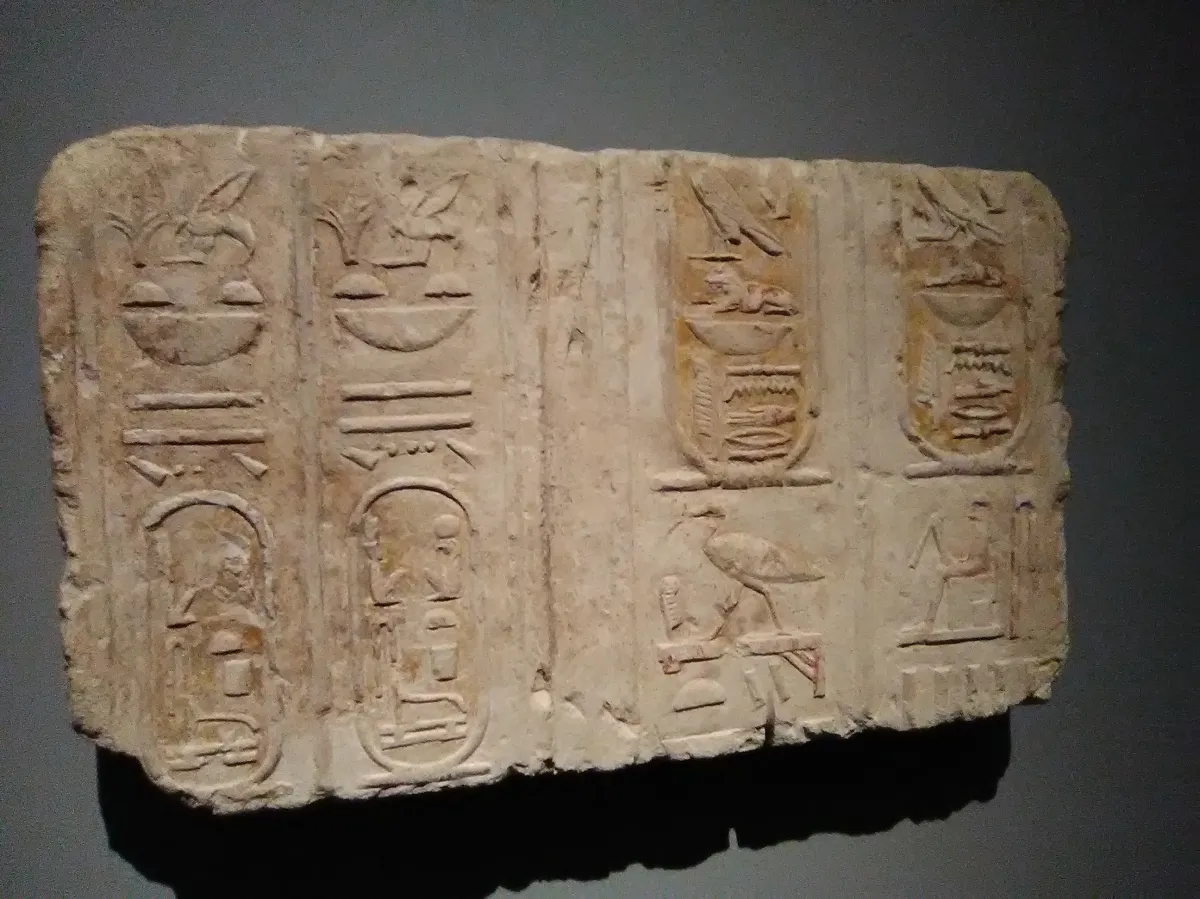
The discovery of Alexander’s royal cartouche within the temple represents one of the most significant archaeological findings in the Western Desert. In ancient Egypt, the cartouche was far more than a decorative frame; it was a sacred, protective oval that enclosed a monarch’s throne name. By inscribing his name in traditional hieroglyphs, Alexander did not simply record his presence. Instead, he claimed the title of Pharaoh, effectively embedding himself into the long, unbroken lineage of Egyptian kings.

This act was a masterstroke of political theater. Alexander understood that the Egyptian people viewed the pharaoh as the physical embodiment of divine order, known as Ma’at. By adopting the regalia and nomenclature of his predecessors, he minimized the potential for rebellion and secured the cooperation of the local priesthood. The cartouche serves as permanent evidence of this strategy. It signals to all who entered the Temple of Alexander the Great that he was not an outsider, but a legitimate ruler ordained by the gods.

Furthermore, the specific placement of these inscriptions—often near the sanctuary or primary entryways—emphasizes his desire to communicate directly with the divine. The cartouche links his name to Amun, the king of the gods, effectively positioning Alexander as a divinely appointed successor. When we study these inscriptions, we are not just looking at ancient writing; we are seeing a calculated effort to blend Greek political aspirations with Egyptian spiritual authority. Through this linguistic bridge, Alexander successfully transformed himself from a foreign conqueror into a rightful, heaven-sanctioned pharaoh.

Comparative Mythology: The Successor to Amun

Comparative Mythology The Successor to Amun

To fully cement his rule, Alexander had to go beyond political gestures. He needed to establish a divine connection that would resonate with the Egyptian populace. Throughout his campaign, he consistently sought to equate himself with powerful deities, both Greek and Egyptian. However, the most pivotal transformation occurred through his identification with Amun, the creator god of the Theban pantheon. By positioning himself as a son of Amun, he bridged the gap between his own Macedonian identity and the ancient, enduring power of the pharaohs.

The mythology of this era was fluid and adaptive. Alexander leaned into these traditions by framing his visit to the Siwa Oasis as a literal “recognition” by the god. Legend suggests that the oracle did not just greet him as a king but as a divine being. This narrative served a dual purpose:

  • Divine Legitimacy: It provided the theological backing required to justify his total control over Egypt.
  • Cultural Fusion: By linking his own success to Amun, he created a syncretic identity that appealed to his diverse subjects.

The Temple of Alexander the Great acts as the primary venue for this theological claim. The iconography within the site does not merely depict a king; it highlights the relationship between the ruler and the divine source of his authority. In Egyptian theology, the pharaoh was the mediator between the gods and the people. By establishing this temple, Alexander ensured that his connection to Amun remained fixed in stone. Consequently, he successfully transitioned from a foreign conqueror into a king whose reign was sanctioned by the highest order of the Egyptian cosmos.

The Unfinished Mystery: A Guide to Qasr El Sagha, Fayoum’s Lost Temple

Journey deep into the Fayoum desert by 4x4 to discover Qasr El Sagha, a 4,000-year-old...
Related post
The eye of Horus

Temple of Alexander the Great: Protecting a Witness to History

Temple of Alexander the Great Protecting a Witness to History

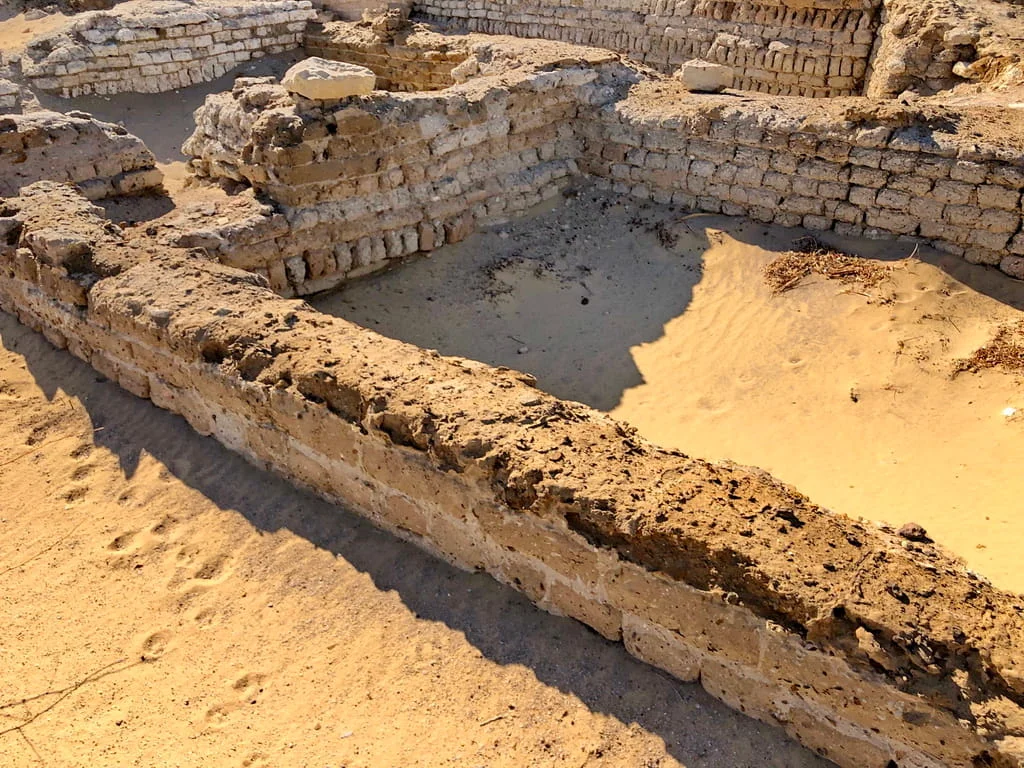
The Temple of Alexander the Great stands as a fragile but invaluable piece of archaeological history. Because the structure was largely constructed from mud-brick and sandstone, it remains highly vulnerable to the harsh elements of the Western Desert. Over the centuries, wind, sand, and fluctuating temperatures have caused significant erosion, leading to the loss of many original inscriptions and delicate reliefs. Consequently, preservation has become a primary concern for modern Egyptologists and site managers.

Ongoing efforts to protect this site focus on stabilization and documentation:

  • Structural Consolidation: Experts have worked to seal cracks and reinforce the remaining walls with mortar, preventing further structural collapse of the mud-brick chambers.
  • Preventative Maintenance: Site management involves clearing encroaching desert sands to prevent further physical weathering of the foundation and lower wall registers.
  • Documentation and Digital Preservation: Given the vulnerability of the remaining reliefs—such as the scene of Alexander offering wine to the gods—archaeologists prioritize high-resolution mapping and photography to preserve the iconography for study even if the physical surfaces continue to degrade.
  • Public Education: By presenting the temple as a unique historical monument, authorities encourage sustainable tourism that funds ongoing conservation and research.

The Temple of Alexander the Great is not just an old building; it is the only temple in Egypt dedicated to the Macedonian ruler. Its proximity to the Valley of the Golden Mummies makes it part of a wider, essential archaeological landscape. By investing in these protective measures, we ensure that the site continues to serve as a physical witness to the meeting of East and West, allowing future generations to understand the complex legacy of a leader who sought to unify his realm through both conquest and cultural respect.

The Enduring Legacy of the Temple of Alexander the Great

The Temple of Alexander the Great serves as a profound monument to a pivotal moment in ancient history. By journeying through the Bahariya Oasis, Alexander did more than march his army across the desert; he stepped into the role of an Egyptian pharaoh, seeking divine validation from the Oracle of Amun. The temple, with its unique fusion of Hellenistic and Egyptian architecture, stands as a testament to his deliberate strategy of cultural syncretism.

Today, the temple is recognized as a vital link in the chain of Egyptian history, marking the transition into a new epoch. Through the discovery of the royal cartouche and the study of the remaining reliefs, we gain a rare insight into how a foreign conqueror navigated the complexities of Egyptian divine tradition to secure his own legitimacy. Despite the challenges of time and the harsh desert environment, the temple remains a cornerstone of our knowledge of the Hellenistic Period. It ensures that the story of Alexander—not just as a military genius, but as a ruler who embraced the gods of his subjects—continues to be told for centuries to come.

God_Anubis_Icon

7 night Egypt Experience Cairo, Aswan, Luxor

Trip of a lifetime!! COVID SAFE!! Knowledgeable guide who loves to share the magic of Egypt with tourists. Friendly and accommodating. This company goes to the extreme to make clients feel welcome and help them. A family company that takes good care of its support staff. Must book the 7-night

More »

Alexandria! Wow!

Muhammad is the best! He showed me a world I never thought possible! The tombs in Alexandria, by far, were my favorite! I never knew there was a place on earth that contained both Greek and Egyptian carvings in the same tombs! The history and culture of Egypt is so

More »
Premium Cairo Tour Package Egypt Fun Tours

THE MOST AMAZING TRIP

Hi Hamada! Sorry, we were so quick to say goodbye—my mom was fading 🙂 I just wanted to say thank you for THE MOST AMAZING trip… You thought of every detail, improvised, adapted, overcame every challenge, multitasked personalities, and did it all with grace, intelligence, and kindness. From the bottom

More »

Cairo Day Trip

My day trip to Cairo was brilliant, and close to the best one-day experience of my life. Hani was an amazing ambassador for his city and country; his wealth of knowledge, courtesy, and good humour was awesome. The itinerary was perfect, I visited most of the famous landmarks as well

More »

Big tick off our bucket list!

Booked the evening before and were able to do everything we hoped to in a day, with a knowledgeable guide & at a reasonable price! Lunch was included and absolutely delicious! Learnt about the history of Egypt, which was the most important part of sightseeing in Cairo/Giza. Hamada also gave

More »
God_Anubis_Icon

Top-rated Tour Packages

God_Anubis_Icon