
The Pyramid of Senusret I: Engineering the Middle Kingdom’s Greatest Wonder
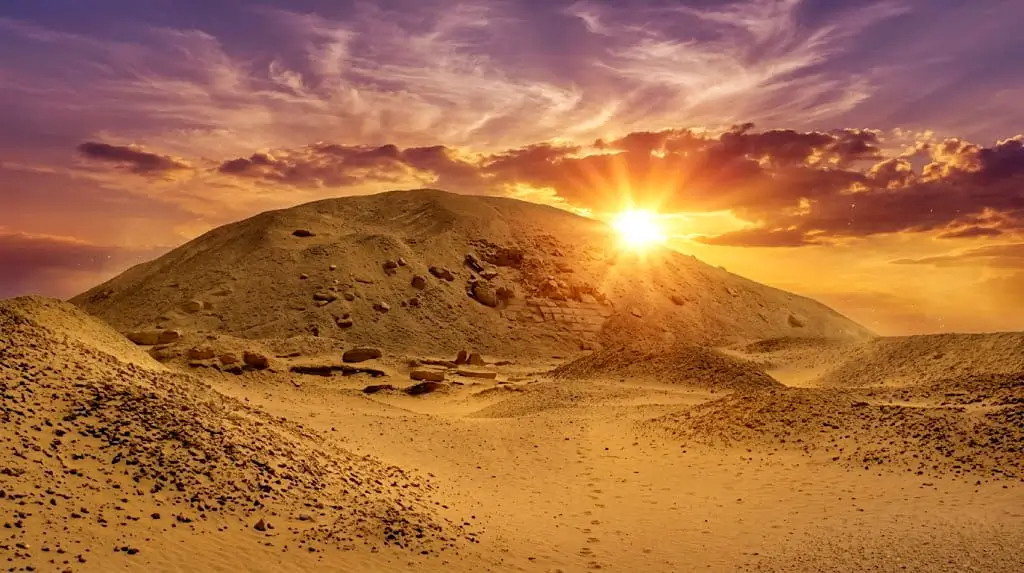
The Pyramid of Senusret I at Lisht marks the architectural peak of the 12th Dynasty. By introducing a revolutionary “grid-wall” skeleton of radiating stone walls, architects solved the structural instabilities of earlier mud-brick cores. This internal frame supported a massive volume of limestone rubble, all encased in high-quality Tura limestone. With its ten satellite pyramids and a gallery of life-sized royal statues, the complex transformed the landscape into a sprawling center of political and artistic power. Ultimately, the monument stands as an authoritative example of the Middle Kingdom “Renaissance,” successfully blending Old Kingdom grandeur with sophisticated, forward-thinking engineering.
The Pyramid of Amenemhat I: The Architectural Rebirth of the Middle Kingdom
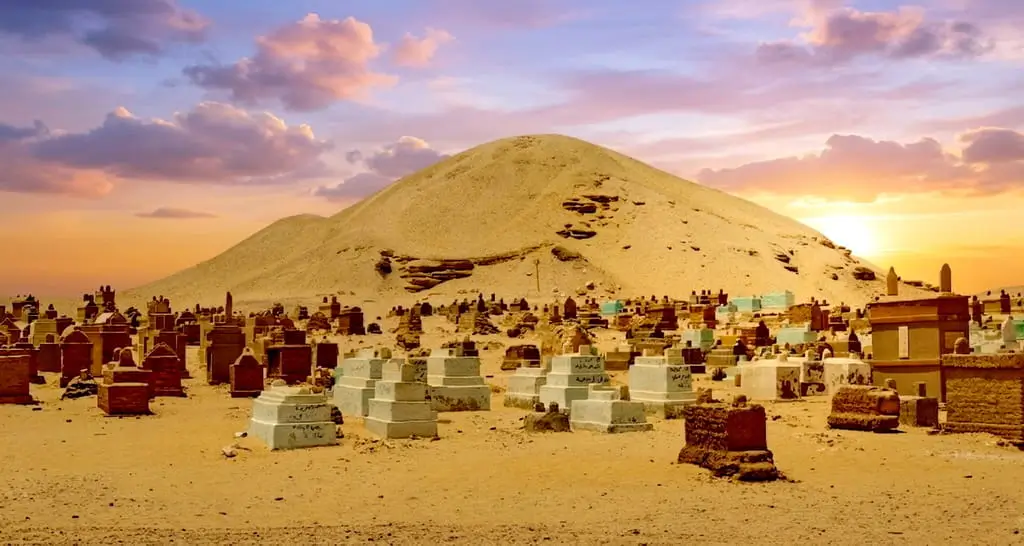
Ultimately, the Pyramid of Amenemhat I serves as the perfect bridge between two eras. It lacks the physical height of the Giza giants, but it possesses a far more complex political story. By recycling the past to build his future, Amenemhat I ensured that the “Pyramid Age” would live on for another four centuries. This monument proves that innovation often involves looking backward as much as looking forward.
The Pyramid of Menkaure: Unlocking the Mystery of Giza’s Third Wonder
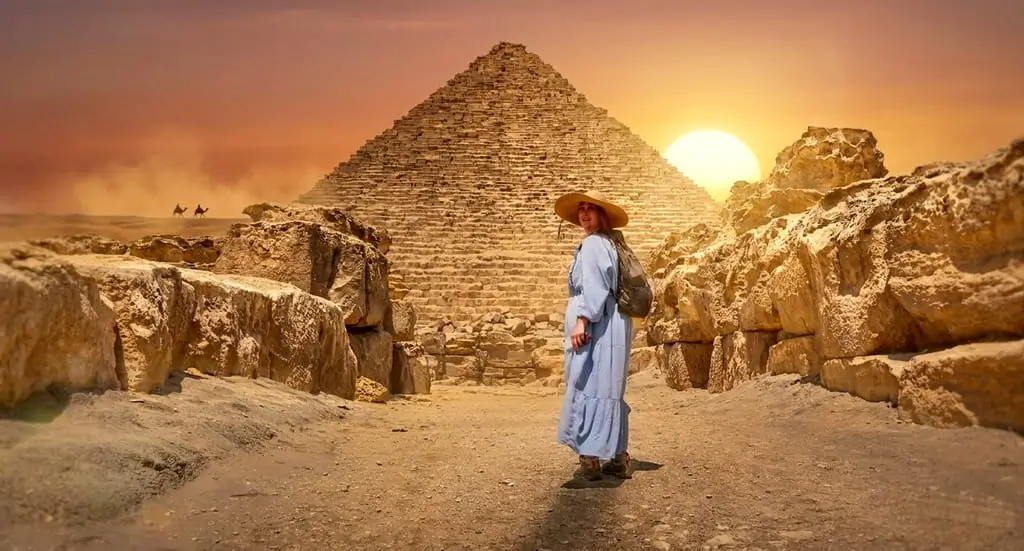
The Pyramid of Menkaure proves that true greatness does not always require record-breaking height. By integrating rare Aswan granite with traditional Tura limestone, Menkaure created a two-tone masterpiece that remains a highlight of the Giza Plateau in 2026. Despite a 12th-century attempt to dismantle its core and the tragic loss of its royal sarcophagus at sea, the structure stands resilient. It acts as a bridge between the divine Pharaoh and the skilled laborers who built the nearby “Lost City.” Ultimately, Menkaure’s monument offers a refined conclusion to the 4th Dynasty, providing an essential, human-scale perspective on the most famous skyline in the world.
The Pyramid of Khafre: Discovering Giza’s Second Wonder
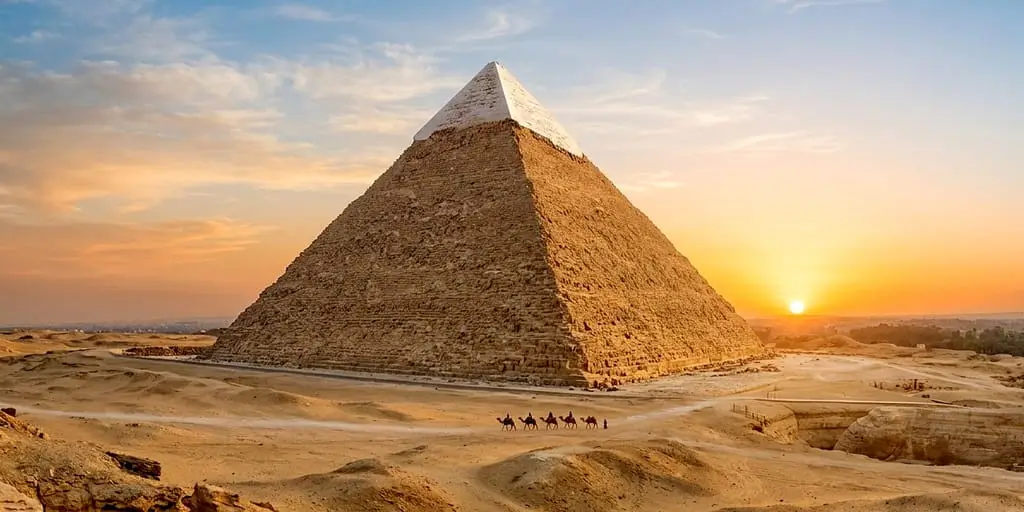
The Pyramid of Khafre stands as a testament to the strategic brilliance of the 4th Dynasty, utilizing a higher bedrock foundation and a steeper slope to achieve a commanding “illusion of height” on the Giza Plateau. As the only structure to retain a significant portion of its original, polished Tura limestone casing at the summit, it offers a unique physical link to the “Golden Age” of the Old Kingdom. From its direct connection to the Great Sphinx to the massive granite blocks of its Valley Temple, the Khafre complex remains an authoritative example of ancient Egyptian religious engineering, proving that his legacy was never truly overshadowed by the Great Pyramid of his father.
The Baron Palace in Cairo: An Architectural Masterpiece of Heliopolis
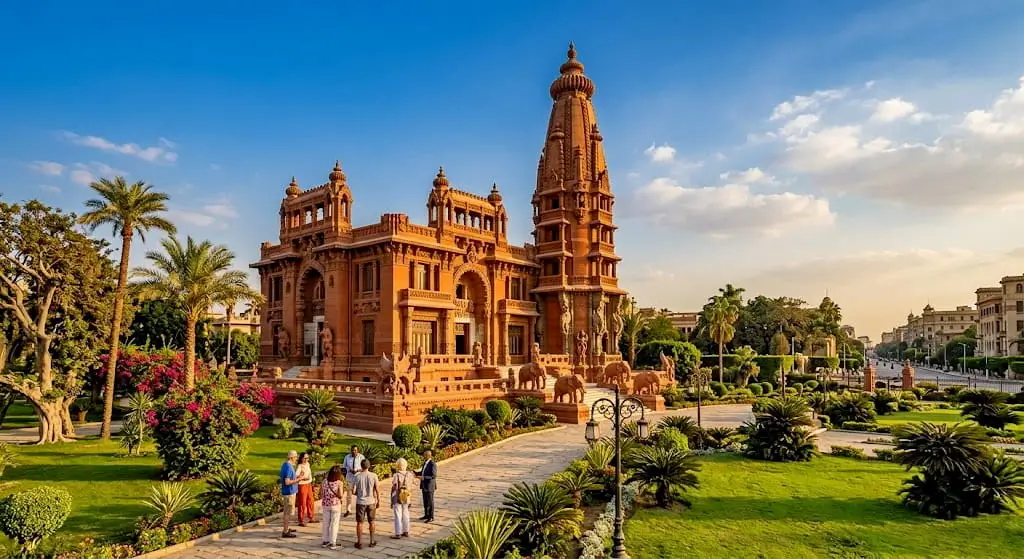
The Baron Palace in Cairo stands as a breathtaking architectural anomaly in the heart of Heliopolis, blending Hindu-Khmer temple aesthetics with early 20th-century European luxury. Built by Belgian industrialist Édouard Empain, this reinforced concrete masterpiece has transitioned from a glamorous private residence to a site of haunting local legends and, finally, to a meticulously restored museum. Today, it serves as an authoritative landmark of Egypt’s cosmopolitan heritage, inviting visitors to explore its enigmatic history, revolutionary engineering, and the visionary “City of the Sun” that surrounds it.
Holy Family Church & Virgin Mary’s Tree in Matareya
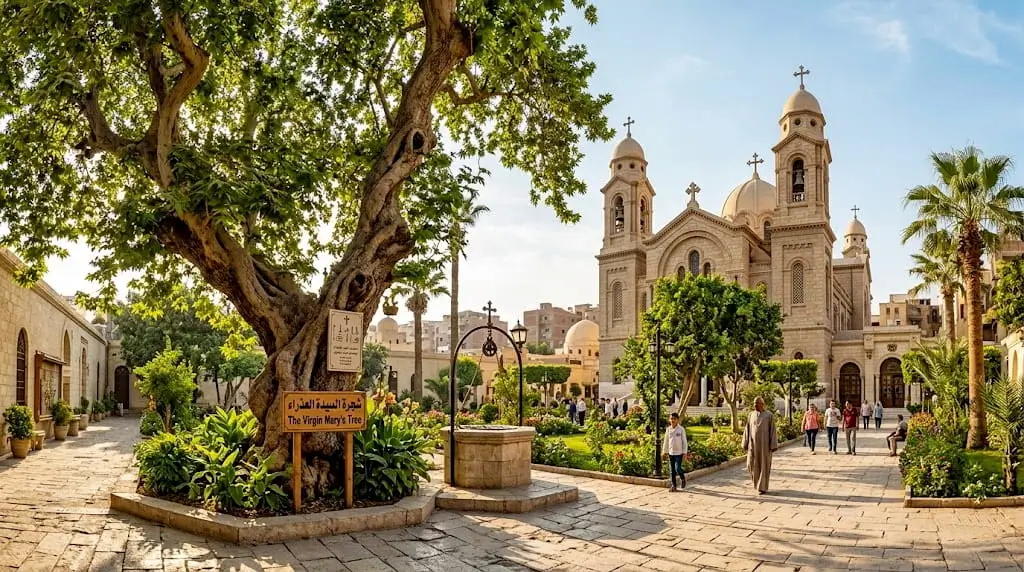
The Holy Family Church in Matareya stands as a premier sanctuary on the biblical Holy Family Trail, guarding the miraculous Virgin Mary’s Tree and a sacred freshwater well. This authoritative site bridges ancient Pharaonic history with Coptic heritage, offering pilgrims and tourists a unique look at the legendary balsam groves, 19th-century Jesuit architecture, and recent archaeological discoveries. Today, it remains a vital symbol of peace and divine protection in the heart of Cairo.
A Luxury Guide to Egypt: From Hot Air Balloons to Private Nile Cruises
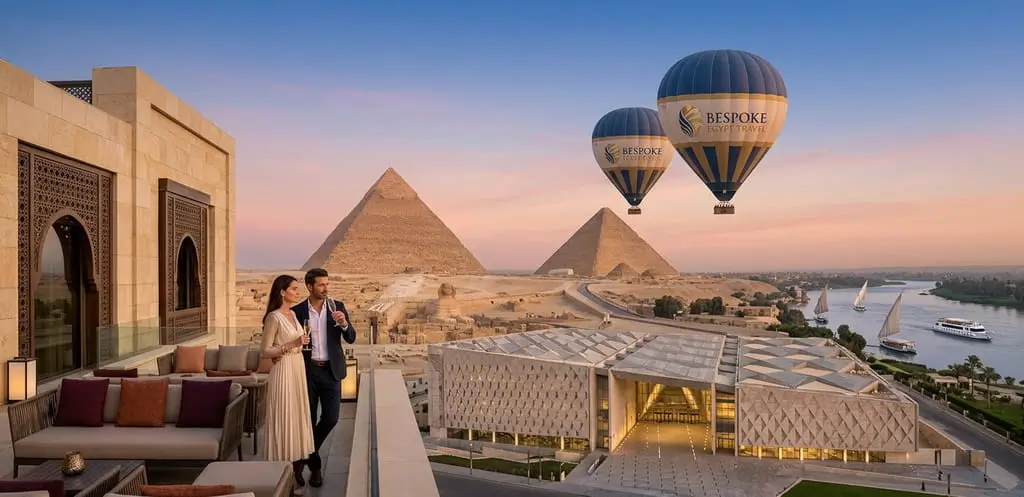
Discover the ultimate Bespoke Egypt Travel Guide, where ancient wonders meet modern exclusivity. From private, after-hours tours of the Grand Egyptian Museum (GEM) and standing between the paws of the Great Sphinx, to sailing the Nile on a handcrafted private Dahabiya, this comprehensive guide redefines luxury travel. Explore the Mediterranean glamour of Ras El Hekma, the regenerative eco-luxury of Marsa Alam, and the world’s most elite hotel suites in Cairo and Luxor. Whether you are seeking a private hot air balloon flight over the Valley of the Kings or gourmet dining overlooking the Pyramids, learn how to access the ‘unseen’ Egypt with expert Egyptologists and VIP fast-track services. Your journey into 5,000 years of history, paired with world-class hospitality, starts here.
Lahun Pyramid: The Revolutionary Mudbrick Masterpiece of Senusret II
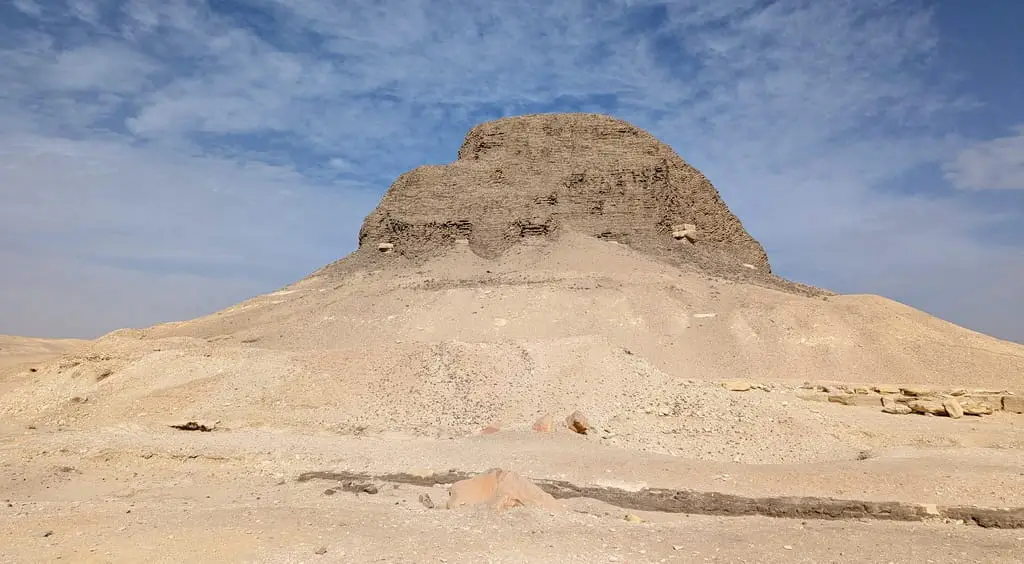
Kahun (or El-Lahun), established during the Middle Kingdom reign of Senusret II around 1895 BCE, represents a revolutionary milestone in urban history as the earliest known example of a planned town. Unlike the organic, sprawling growth typical of ancient settlements, Kahun was constructed on a rigid orthogonal grid, featuring a massive enclosure wall that separated the village into distinct districts based on social hierarchy. The western sector housed smaller, uniform dwellings for laborers and craftsmen, while the eastern sector contained expansive, multi-room villas for high-ranking officials. This sophisticated layout included dedicated drainage channels and centralized administrative buildings, providing archaeologists with a rare, “frozen” blueprint of Ancient Egyptian social stratification and the birth of civil engineering.
The Downtown Antique Trail: Discovering Cairo’s Vintage Treasures
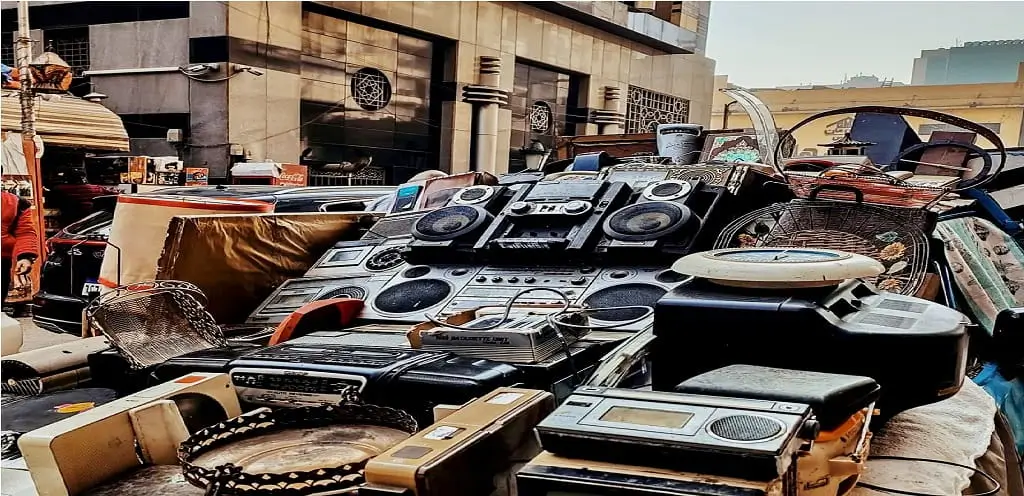
Antique shopping in Downtown Cairo offers a captivating journey through the “Paris on the Nile” era of the 19th and 20th centuries. Specifically, this district serves as a sanctuary for collectors seeking rare vintage treasures from Egypt’s cosmopolitan past. From the bustling energy of the Saturday Diana Market to the refined galleries of Hoda Shaarawi Street, you can discover unique relics, including French-style furniture, Art Deco jewelry, and vintage movie posters. While these shops require patience and polite negotiation, the reward is the “thrill of the find.” In conclusion, adding a Downtown antique trail to your itinerary provides a perfect historical contrast to the ancient monuments of Old Cairo.
Souq Al Fustat: The Definitive Guide to Cairo’s Artisanal Soul
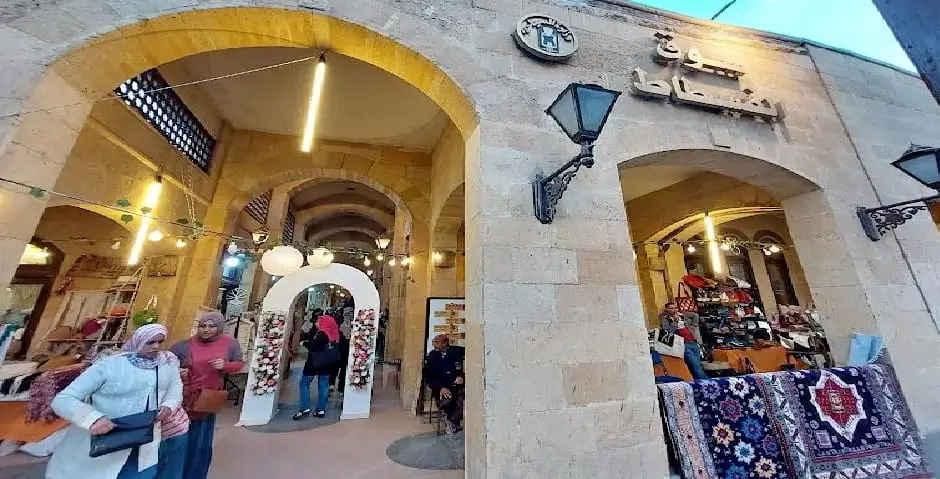
Souq Al Fustat is the refined, artisanal heart of Old Cairo, offering a quiet sanctuary for travelers seeking authentic Egyptian heritage. Located in the historic Fustat district—the site of Egypt’s first Islamic capital—this market is a “living bridge” that revives 1,000-year-old crafts in a modern, gallery-style setting. Unlike the high-energy bustle of traditional bazaars, the souq features wide, sun-drenched corridors where master artisans showcase hand-painted Tunis Village pottery, delicate hand-blown glass, and museum-quality Khayamiya textiles. Situated directly adjacent to the Religions Complex and the Mosque of Amr ibn al-Aas, it is the premier destination for discerning collectors who value fixed-price transparency and the chance to meet the creators behind Egypt’s most iconic handmade treasures.
Siwa Open Market: A Guide to the Hidden Treasures of the Berber Oasis
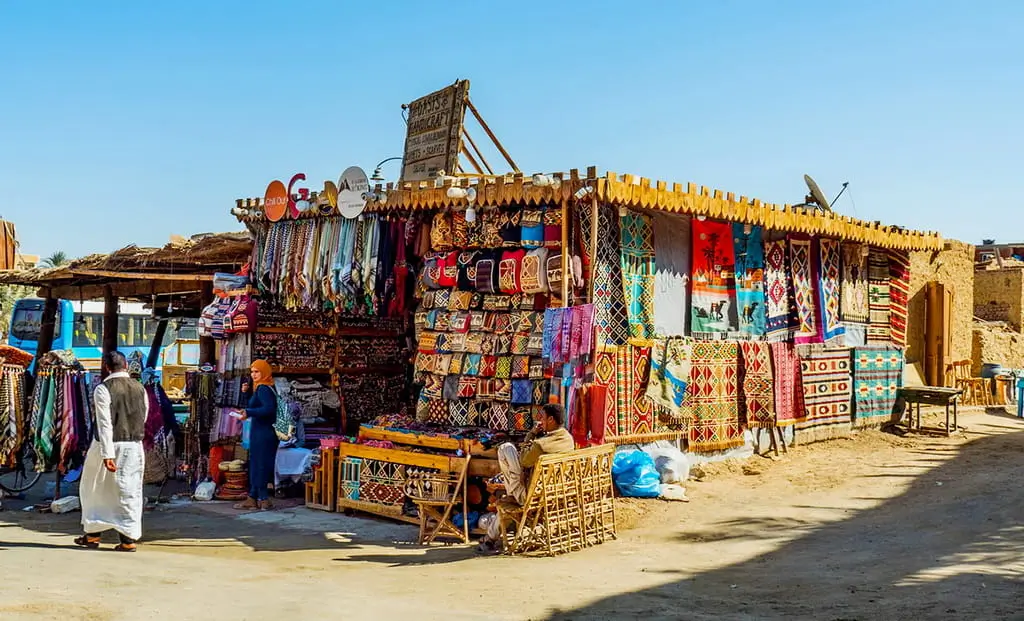
The Siwa Open Market is the cultural heart of Egypt’s most remote Berber oasis. Located at the base of the historic Shali Fortress, this market specializes in authentic Siwi silver jewelry, hand-woven palm-leaf baskets, and world-famous organic dates. Unlike the high-energy bazaars of Cairo, Siwa offers a peaceful atmosphere where trade follows a slow desert rhythm. It is the premier destination for travelers seeking “Liquid Gold” olive oil and the symbolic five-color embroidery that defines the identity of the Western Desert.
Souq El Attarine: The Antique Heart of Alexandria
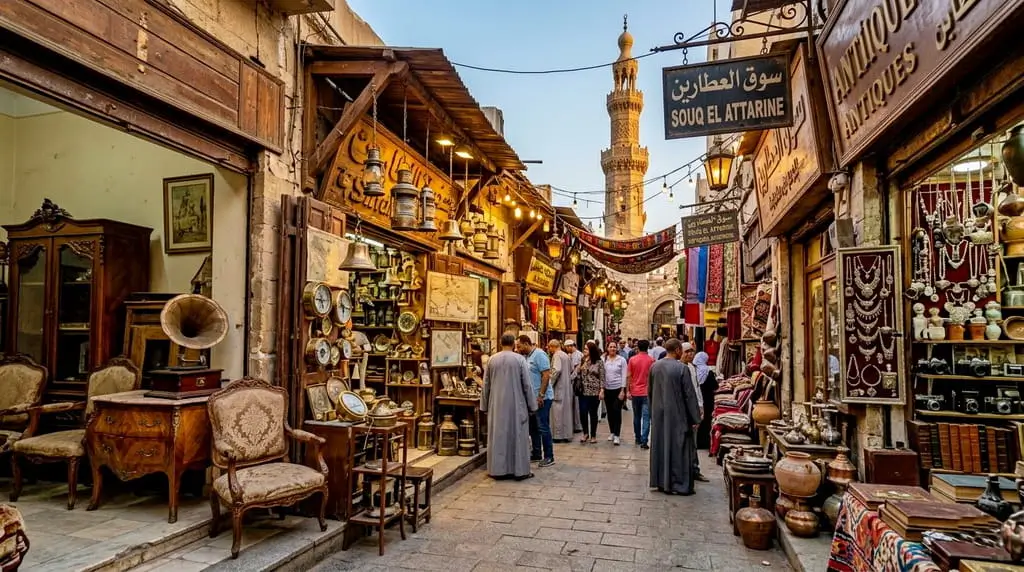
Souq El Attarine is the nostalgic, antique heart of Alexandria, offering a refined contrast to Egypt’s more frantic traditional markets. Located in the historic Attarine district, this labyrinth of narrow alleys serves as a “living time capsule” of the city’s cosmopolitan golden age, where European elegance meets Mediterranean charm. Visitors can discover a curated world of French-inspired furniture, rare maritime relics, and vintage collectibles, alongside the district’s namesake trade in exotic spices and bespoke perfumes. Centered around the architecturally unique Al-Attarine Mosque and neighboring the Roman Amphitheatre, the souq is a premier destination for serious collectors and history enthusiasts seeking to uncover the authentic soul of Alexandria’s vanished eras.