
Shoshenq I: The Chieftain Who Forged Egypt’s 22nd Libyan Dynasty
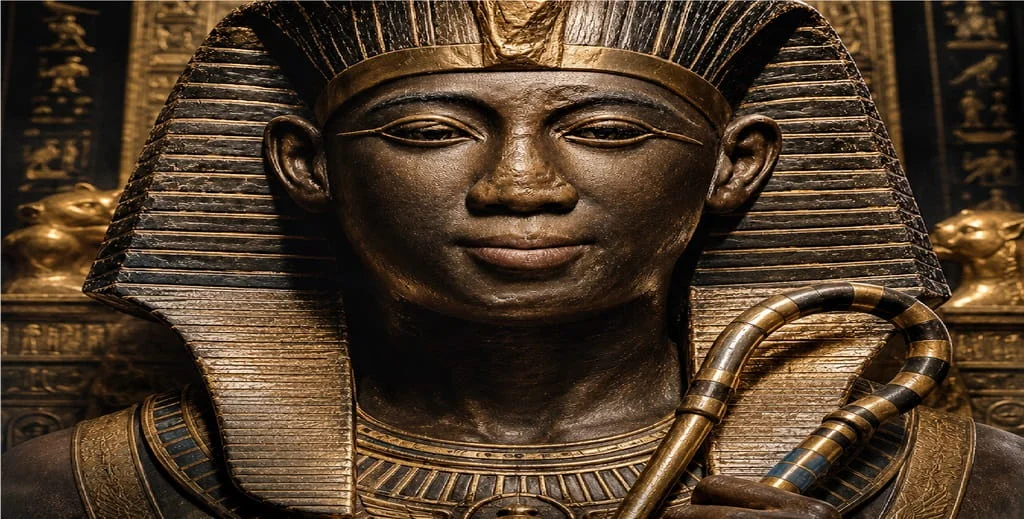
Shoshenq I, the visionary founder of the 22nd Dynasty, expertly stabilized Egypt by centralizing power within his own family and integrating his Libyan heritage with enduring pharaonic traditions. By strategically appointing his sons to critical administrative and religious roles, he effectively neutralized the longstanding influence of the Theban priesthood and created a unified, resilient political structure. His legacy is defined by a massive economic and architectural revival, most notably his grand expansions at Karnak and his decisive military campaign into the Levant, which solidified Egypt’s prestige on the international stage. Through his sophisticated diplomacy and robust state-led building projects, he successfully transformed a fragmented nation into a prosperous, thriving empire.
Pharaoh Psamtik I: The Ultimate Guide to The Savior of Ancient Egypt
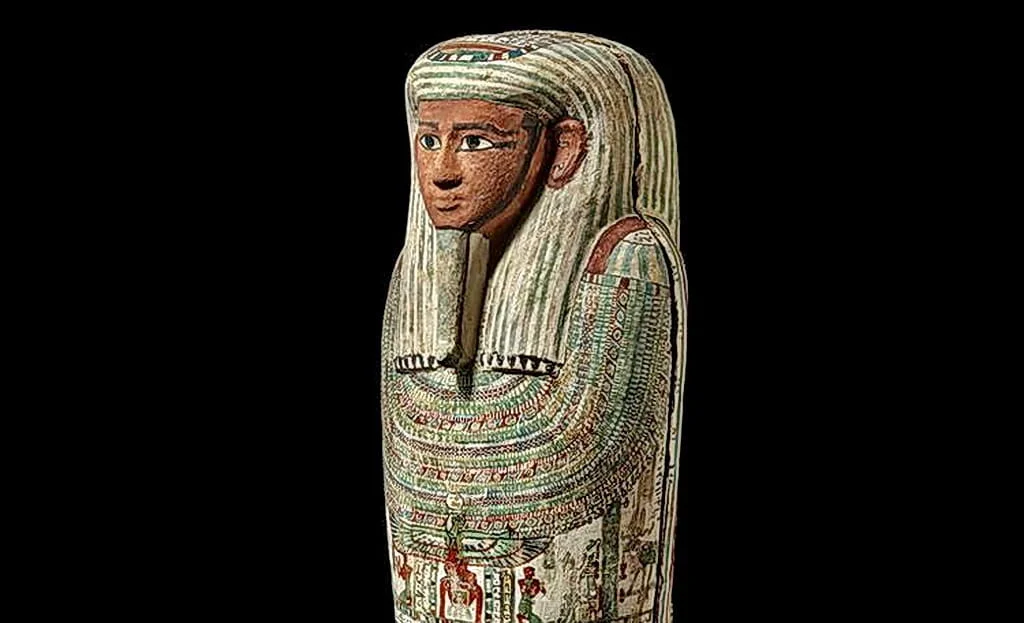
This comprehensive guide explores the extraordinary 54-year reign of Pharaoh Psamtik I, the strategic visionary who rescued ancient Egypt from foreign Neo-Assyrian occupation and internal collapse. Discover how he utilized elite Mediterranean mercenaries to liberate the Delta, engineered brilliant diplomatic alliances to peacefully reunite Upper and Lower Egypt without bloodshed, and ignited the magnificent “Saite Renaissance”—a profound cultural, linguistic, and economic revival that restored classic pharaonic glory and ushered in a final, vibrant golden age of independent global trade.
King Taharqa: The African Emperor Who Restored Egypt’s Glory
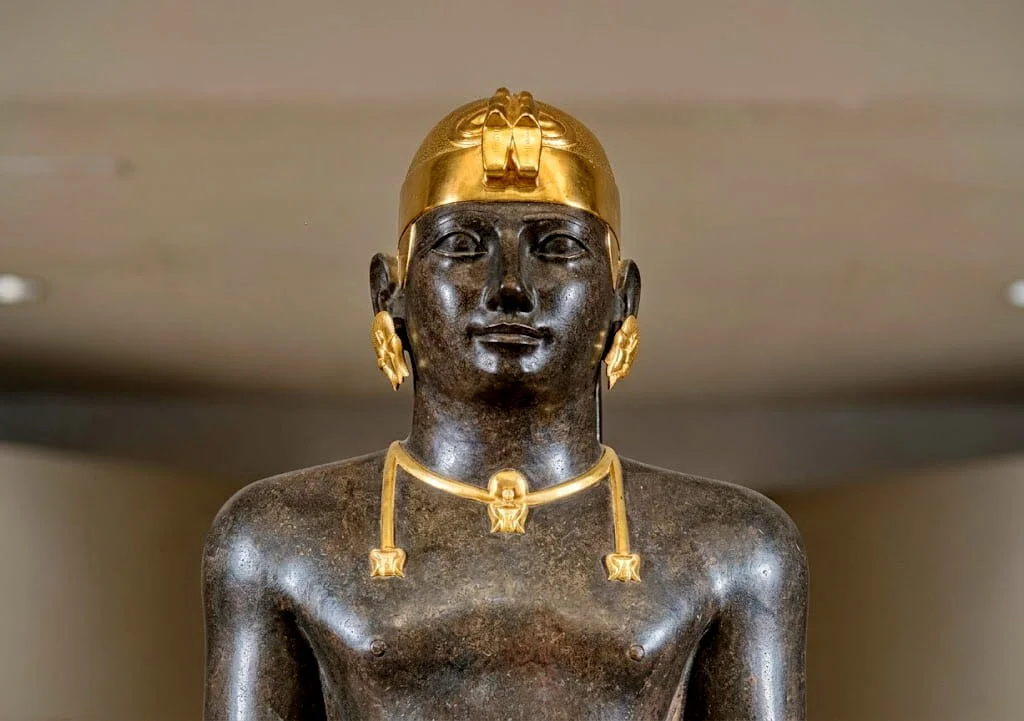
King Taharqa was the most formidable ruler of the 25th Dynasty, governing a vast, unified superpower that stretched from modern Sudan to the Mediterranean Sea. His early reign sparked a spectacular golden age of agricultural abundance and monumental architecture, marked by extensive building programs at Karnak and the sacred mountain of Jebel Barkal. However, his peaceful renaissance eventually collided with the expansion of the ruthless Neo-Assyrian Empire. Despite winning an early, stunning victory and famously marching north to shield Jerusalem from annihilation, Taharqa was ultimately forced to withdraw south to his Nubian homeland under intense Assyrian pressure. He passed away around 664 BC and broke with tradition by building the largest, most imposing pyramid in ancient Nubia at the new royal necropolis of Nuri, leaving behind an indelible legacy as a powerful African emperor who shaped the destiny of the ancient world.
The Kingdom of Kush: History of the Nubian Kushite Empire
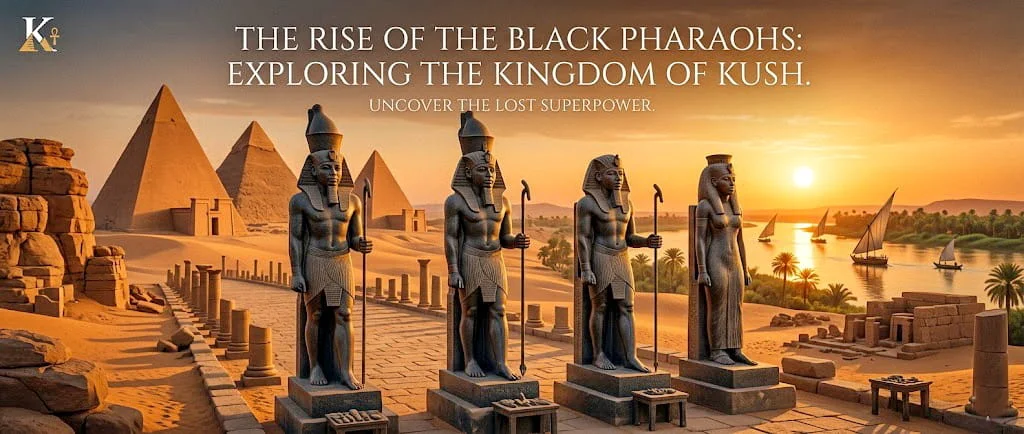
The Kingdom of Kush was a powerful, independent ancient African civilization that arose within the geographic region of Nubia (modern-day southern Egypt and northern Sudan). Evolving through three major eras—Kerma, Napata, and Meroë—Kush grew from a formidable regional power into a massive empire that famously conquered Egypt to rule as the 25th Pharaonic Dynasty. Renowned for its indigenous Meroitic script, elite archers, and sophisticated iron-smelting industries, the kingdom was a major economic hub connecting inner African trade routes with the broader Mediterranean world. Today, Kush challenges traditional historical narratives, leaving behind a monumental legacy that includes constructing hundreds of its own unique, steep-sided pyramids.
The Fourteenth Dynasty of Egypt: The Delta Kingdom
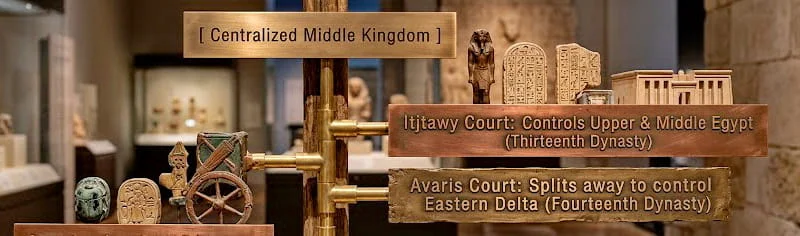
The Fourteenth Dynasty of Egypt was a localized, independent kingdom that fractured away from central rule to control the eastern Nile Delta from its wealthy capital of Avaris. Founded by elite merchant communities of Levantine descent, the state achieved massive economic dominance by monopolizing maritime trade networks across the Mediterranean. While they successfully synthesized Canaanite and traditional Egyptian cultures to legitimize their rule, their trading empire ultimately collapsed not from military invasion, but from severe famine and plagues brought on by consecutive low Nile floods, allowing the incoming Hyksos to peacefully seize power.
Dynasties of Ancient Egypt: Anatomy, Evolution, and Continuity of Power
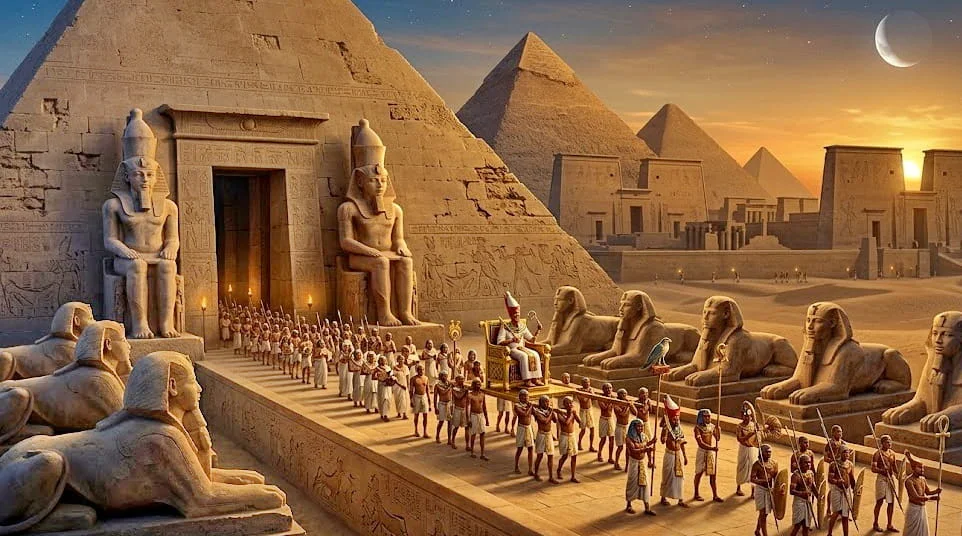
This comprehensive guide tracks the micro- and macro-cycles of ancient Egyptian history across more than 3,000 years and 30 dynasties. It details the structural evolution of pharaonic power—from the divine authority of the living king protecting Ma’at over Isfet, down through the state bureaucracy managed by the vizier and regional nomarchs. Additionally, the text explores the architectural shift in royal tombs from Old Kingdom mega-pyramids to hidden New Kingdom rock-cut tombs, while analyzing how foreign conquerors consistently assimilated into Egyptian culture by adopting traditional titles and artistic styles to secure political legitimacy.
Saqqara Noble Tombs: The Eternal World of the Ancient Egyptian Elite
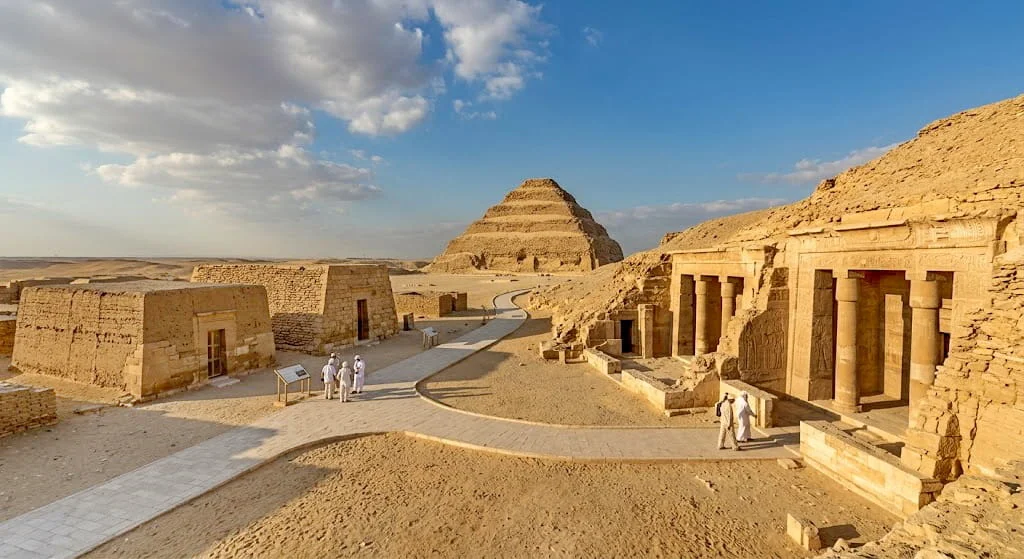
Discover the hidden history of the Saqqara noble tombs, where the ancient Egyptian elite built “houses of eternity” to preserve their legacy and status. This deep-dive exploration examines the architectural evolution of these mastabas and rock-cut chambers, revealing how powerful viziers and officials meticulously designed their final resting places to reflect the life they loved. By uncovering the artistry, daily life scenes, and profound spiritual symbolism etched into these walls, you will gain a unique perspective on the human experience and the quest for immortality that defined the Memphite necropolis.
Origins of Ancient Egypt: The Prehistoric Dawn of Pharaonic Civilization
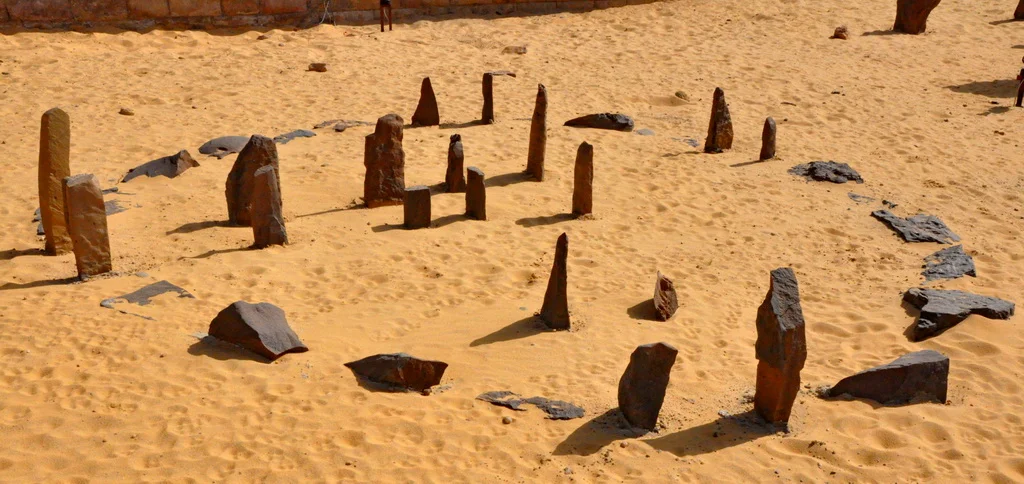
Discover the true origins of ancient Egypt, tracking an epic prehistoric journey from lush African savannas to the dawn of the Pharaohs. This comprehensive guide reveals how a dramatic climate crisis dried the Green Sahara, forcing nomadic herders—the builders of the world’s oldest stone calendar at Nabta Playa—to seek refuge in the fertile Nile Valley. Explore the rapid evolution of early farming cultures, the birth of humanity’s first true cities at Hierakonpolis and Abydos, and the invention of the earliest hieroglyphic writing, all culminating in King Narmer’s historic unification of the Nile corridor around 3100 BCE.
31st Dynasty of Egypt: The 2nd Persian Period and Fall of the Pharaohs
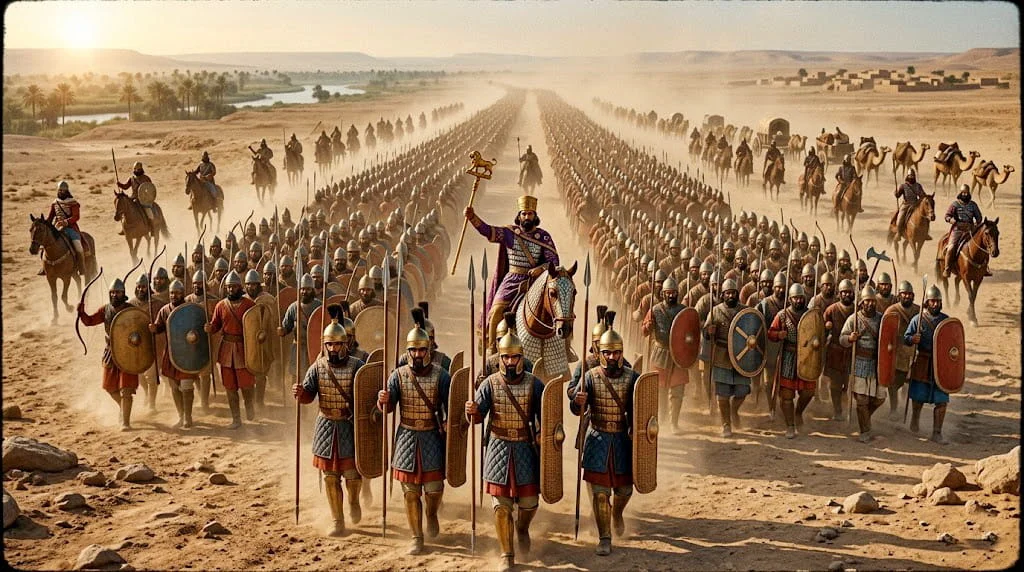
The 31st Dynasty of Egypt represents a brief but brutal decade of Second Persian Period occupation, initiated by Artaxerxes III’s harsh conquest at the Battle of Pelusium and characterized by the systematic oppression of native religious traditions, such as the desecration of the sacred Apis Bull. Despite a fierce three-year native revolt led by the shadow pharaoh Khabash in the Delta, the heavily taxed and resource-stripped province remained vulnerable under subsequent Persian rulers like Satrap Mazaces. Ultimately, the weakened dynasty collapsed without bloodshed in 332 BCE when the conquering Macedonian army arrived, leading to the enthusiastic embrace of Alexander the Great as a divine liberator and paving the way for a syncretic, respectful Greco-Egyptian golden age under the Ptolemies.
The Thirtieth Dynasty: The Epic Rise & Fall of Egypt’s Last Native Pharaohs
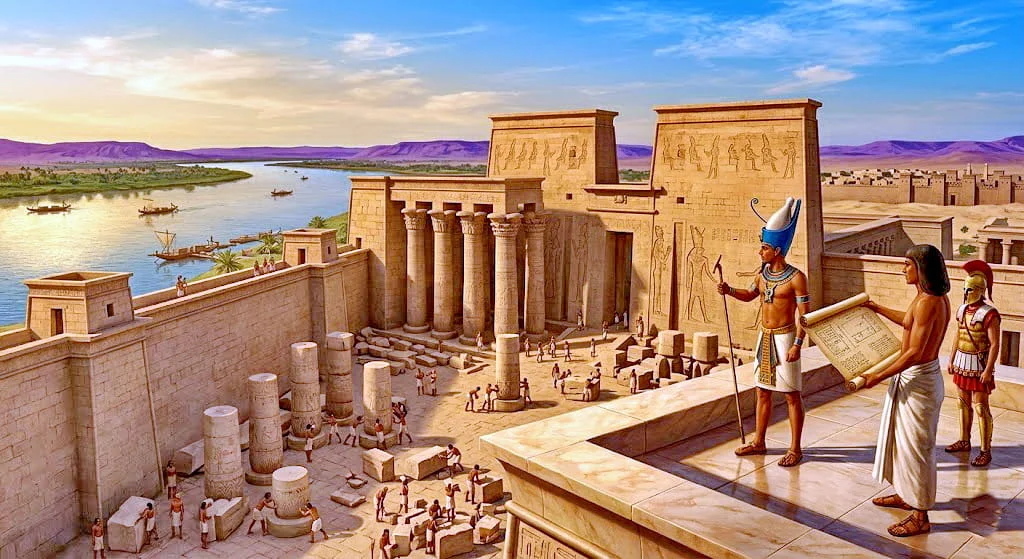
The Thirtieth Dynasty of Egypt represents a vibrant cultural golden age and the final era of native pharaonic independence. Founded by Nectanebo I in 380 BCE, the dynasty successfully defended the Nile Valley against massive Persian invasions using brilliant tactics, including the deliberate flooding of the Delta. This military stability funded a massive architectural renaissance, characterized by extensive temple constructions at Philae and Karnak alongside the development of the highly detailed “Sebennytic” artistic style. Although aggressive foreign campaigns and internal betrayal under King Teos compromised the kingdom, Nectanebo II continued the grand building legacy until a massive Persian invasion in 343 BCE forced his retreat south. This definitive collapse ended native rule, but the dynasty’s artistic achievements and the legendary myths surrounding Nectanebo II heavily influenced the subsequent Ptolemaic and Greco-Roman worlds.
The Ultimate Guide to the Twenty-Ninth Dynasty of Egypt (398–380 BCE)
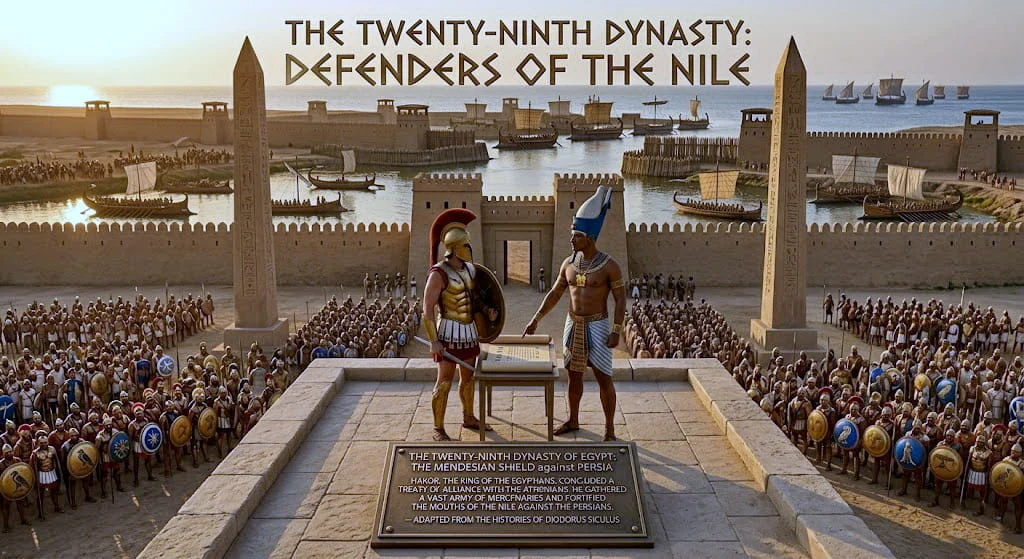
The Twenty-Ninth Dynasty of Egypt (398–380 BCE) was a powerful Mendesian ruling house that successfully defended Egypt’s newly won sovereignty against the Achaemenid Persian Empire. Founded by Pharaoh Nefaarud I after a swift military coup, the dynasty strategically relocated the national capital to Mendes, transforming the eastern Delta city into a highly defensible, maritime stronghold. Under its longest-reigning monarch, Pharaoh Hakor, Egypt experienced an architectural renaissance alongside masterful international diplomacy, forming vital mutual defense treaties with Athens and hiring elite Greek mercenaries under General Chabrias. Though this eighteen-year era ultimately ended due to internal military instability when General Nectanebo I launched a successful coup, the Mendesian pharaohs successfully repelled a massive, three-year Persian invasion, establishing a crucial defensive shield that preserved native Egyptian culture and independence.
The Twenty-Eighth Dynasty: How Amyrtaeus Broke the Persian Yoke
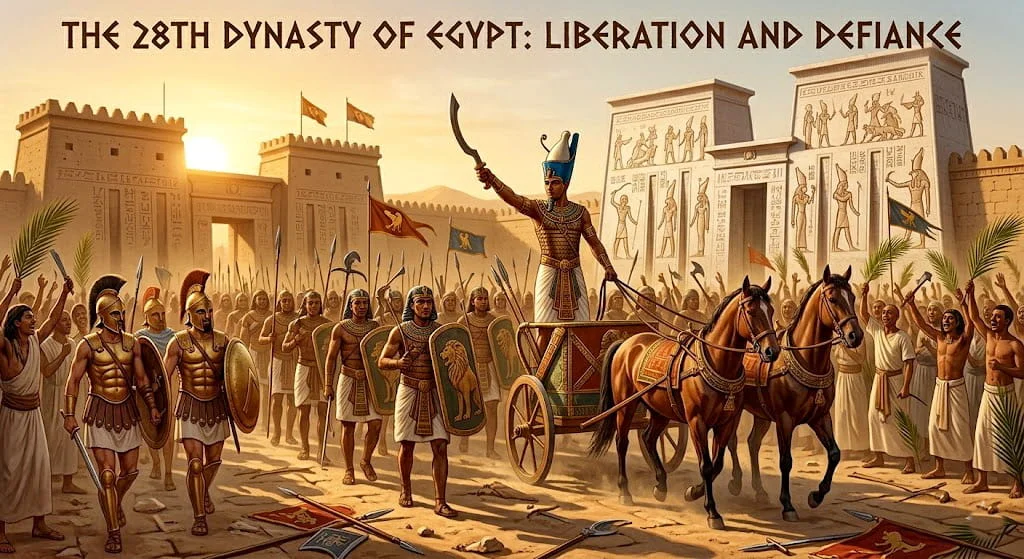
The Twenty-eighth Dynasty of Egypt (404–398 BCE) represents a brief but vital six-year period of native independence founded entirely by Pharaoh Amyrtaeus of Sais. By weaponizing the labyrinthine geography of the Nile Delta marshes and capitalizing on a Persian succession crisis, Amyrtaeus successfully expelled the Achaemenid Empire and captured the administrative capital of Memphis. Despite facing heavy criticism from the native priesthood for demanding high taxes to fund his ongoing military defense, his successful war of liberation effectively secured a sixty-year window of sovereign rule for Egypt’s final classical dynasties.