hieroglyphs divider-small

Ancient Egyptian Tombs: The Houses of Eternal Sleep

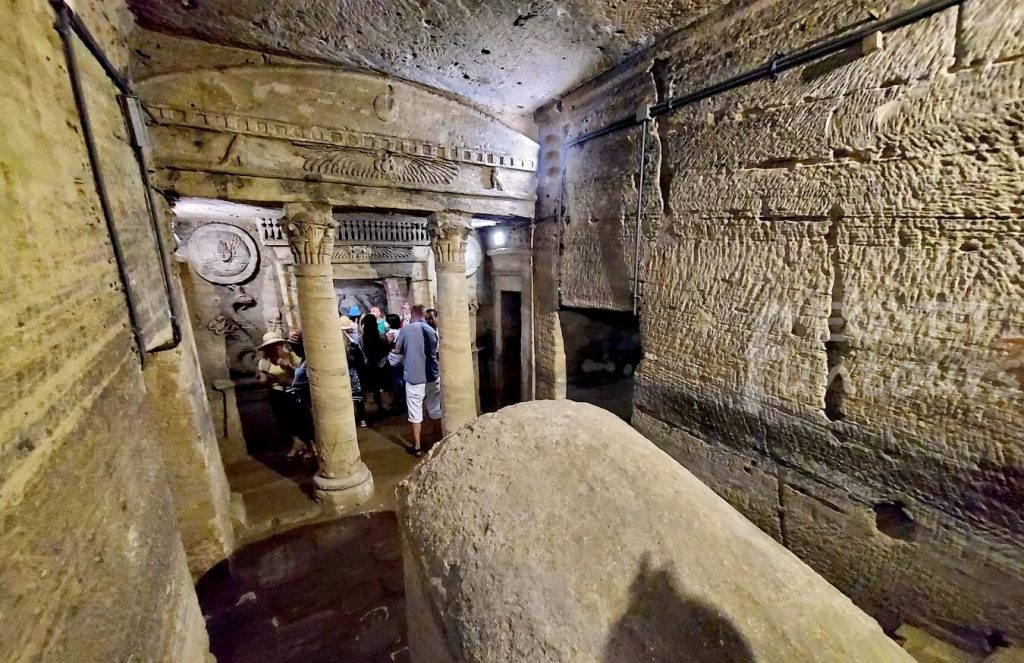
Welcome to the definitive guide for Ancient Egyptian Tombs. Most people today view tombs as monuments for the dead. However, the ancient Egyptians looked at life and death differently. In their view, a person never truly dies. Instead, the deceased entered a deep sleep.

The core of this ancient religion centered on the Sunrise and Sunset. Every morning, the rising sun brought life because it made people conscious. Every evening, the setting sun brought “death” because people became unconscious. Therefore, a person in a tomb was simply waiting for the sun to wake them up again. We call these structures the “Houses of Eternity” because they protected the sleeper until their next great awakening.

Why Did Ancient Egyptians Build Tombs?

The ancient Egyptians built tombs for a very practical reason. They wanted to preserve the physical body and the belongings of the person in the “deep sleep.” They believed that the afterlife took place right here in Egypt. Consequently, the sleeper would eventually wake up and need everything they owned in their first life.

The Purpose of Mummification

Because the afterlife was a physical experience, the soul needed a body to return to. Therefore, the Egyptians perfected the art of mummification. They did not want the body to decay. If the body disappeared, the soul would have no place to live when it woke up. By placing the mummy inside a strong stone tomb, they kept the body safe for the day the sun would give it life again.

Storing Life’s Treasures

Furthermore, the tomb served as a storage room for a person’s most precious items. Pharaohs and nobles filled these rooms with gold, furniture, and even food. They believed these objects would be ready for use the moment they opened their eyes. They wanted to maintain their wealth and comfort in the next life just as they did in the first.


The Evolution of the Tomb: From Benches to Mountains

Over three thousand years, tomb architecture changed to better protect the sleepers. This guide explores every stage of this architectural journey:

  1. Mastabas: These were the earliest royal tombs. They looked like rectangular, mud-brick benches.
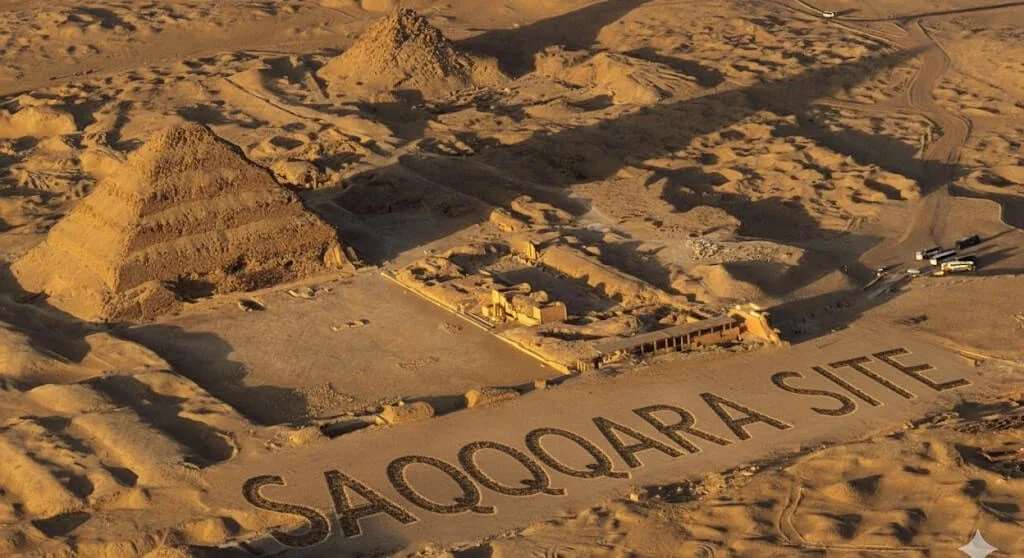
  2. Step Pyramids: The architect Imhotep stacked several mastabas on top of each other. This created a giant stone staircase for the King.
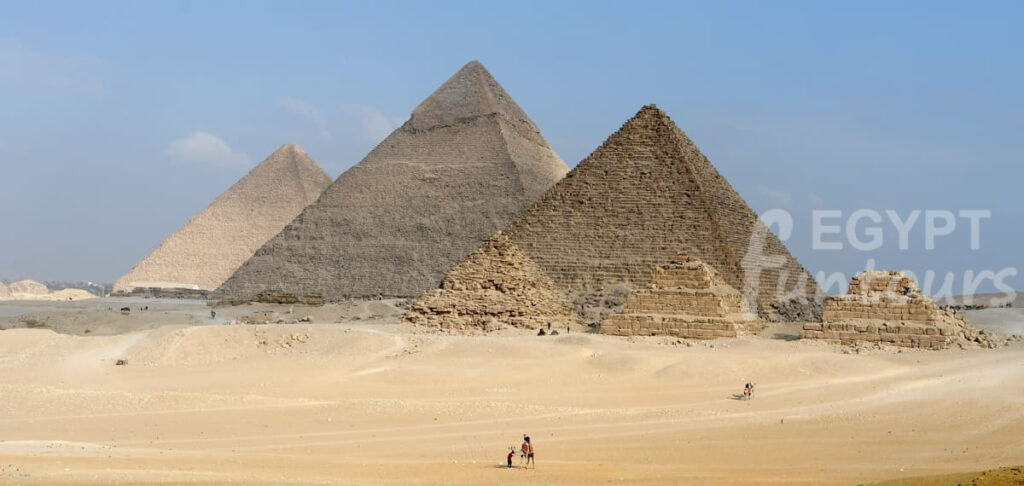
  3. True Pyramids: During the Old Kingdom, builders created the famous smooth-sided pyramids at Giza.
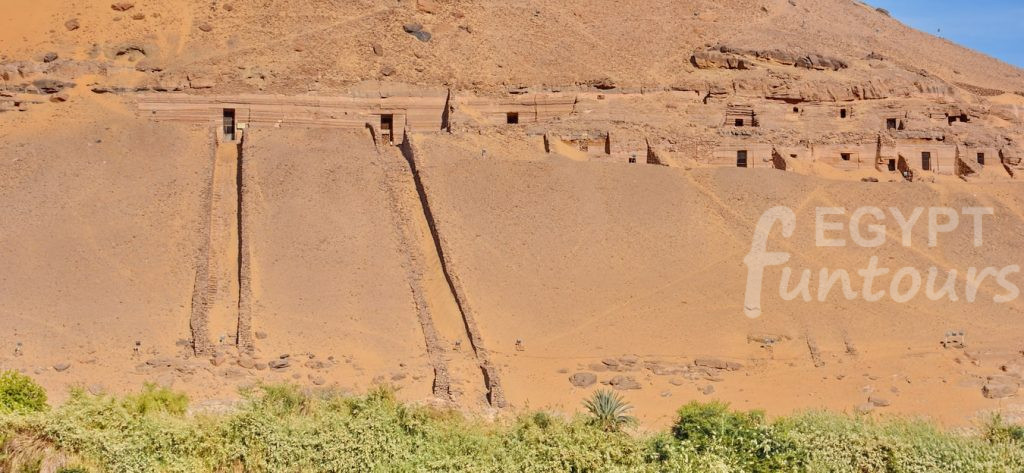
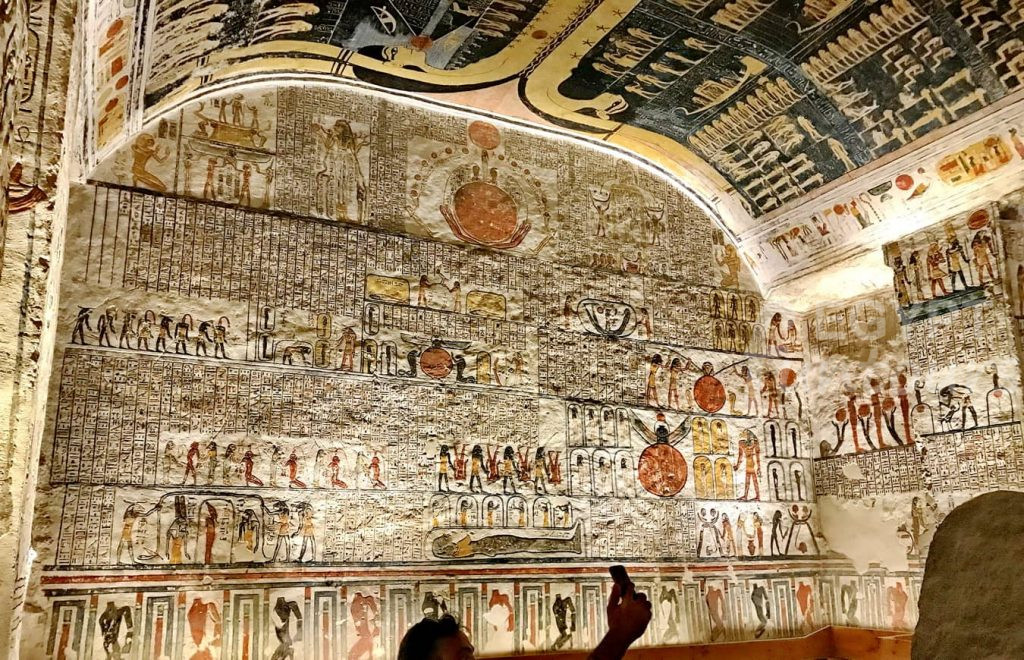
  4. Rock-Cut Tombs: Later, New Kingdom Pharaohs hid their burials. They carved deep, secret galleries into the cliffs of the Valley of the Kings.

The Magic of the Texts: Remembering Who You Are

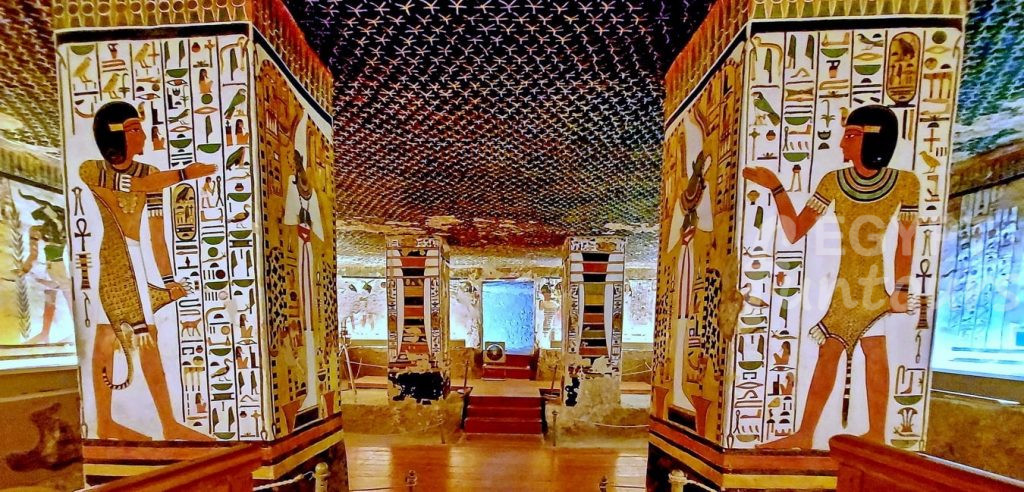
Inside the dark tomb, the walls acted as a “memory bank.” The Egyptians covered the walls with Pyramid Texts and Coffin Texts. These inscriptions were vital for the sleeper.

  • Waking Up with the Sun: The Egyptians believed the sun god, Ra, would eventually shine his light into the tomb. This light would give life back to the mummy.
  • A Guide for the Soul: Once the person woke up, they would read the texts on the walls. These writings reminded the person of their name, their titles, and their family.
  • Continuing the Journey: By reading about their profession and their belongings, the deceased knew exactly how to continue their life. The texts ensured that the person did not wake up as a stranger to themselves.

Explore the World of Ancient Egyptian Tombs

Use our links below to discover specific burial sites and learn the secrets of the Pharaohs.

Isis with wings
hieroglyphs divider-small

Egypt Tours FAQs

If you want to apply for a Visa On Arrival that lasts for 30 days, you must be from one of the eligible countries, have a passport that is still valid for at least 6 months, and pay $25 USD in cash. If you want to apply for an Egypt e-Visa that lasts for 30 days, you must have a passport that is still valid for at least 8 months, fill out the online application, pay the fee, and print the e-visa so you can later show it to the airport border You can potentially be one of the fortunate few to be granted a free visa valid for 90 days. Learn more about the travel visa for Egypt.


Egypt tours are highly safe since Egypt is a largely crime-free zone that offers the best holiday to all guests. So long as you use a reputable travel agency and stick close to your tour leader.

The Egyptian government has implemented a lot of safety precautions to safeguard all Egyptian visitors, such as regular cleaning of all sites. To ensure a safe environment for everybody, every visitor to Egypt will be required to produce proof of a negative PCR test, which must be conducted within 72 hours of arrival.

The finest months to visit Egypt are from late August to April, throughout the seasons of autumn, spring, and winter, when the average temperature is 21 C (70 F), suitable for all international visitors who want to enjoy the best of Egypt in a relaxed atmosphere.

A half-day or full-day tour to Egypt’s magnificent pyramids will cost between $45 and $70, depending on the number of participants.

Every Egypt tour package has a different price depending on the style of trip, whether luxury or affordable, as well as the number of days and customers participating in the tour. Budget tours cost between $390 and $1099, while Luxury tours cost between $1099 and $3999.

Ancient Egyptian Tombs

Let's show you the wonders of Egypt

hieroglyphs divider-small