
The Anfushi Tombs: Alexandria’s Subterranean Art Gallery

The Anfushi Tombs represent a rare artistic bridge where the Greek spirit met the Egyptian soul. By carving their homes for the afterlife into the limestone of Pharos Island, the ancient Alexandrians created a lasting legacy of cultural fusion. Today, these vibrant chambers offer travelers more than just a history lesson; they provide a direct connection to the cosmopolitan heart of the ancient Mediterranean. Whether you admire the clever wall paintings or the architectural precision, Anfushi stands as a testament to the city’s enduring role as a crossroads of civilizations.

A Journey Beneath Pharos Island: An Introduction to Anfushi

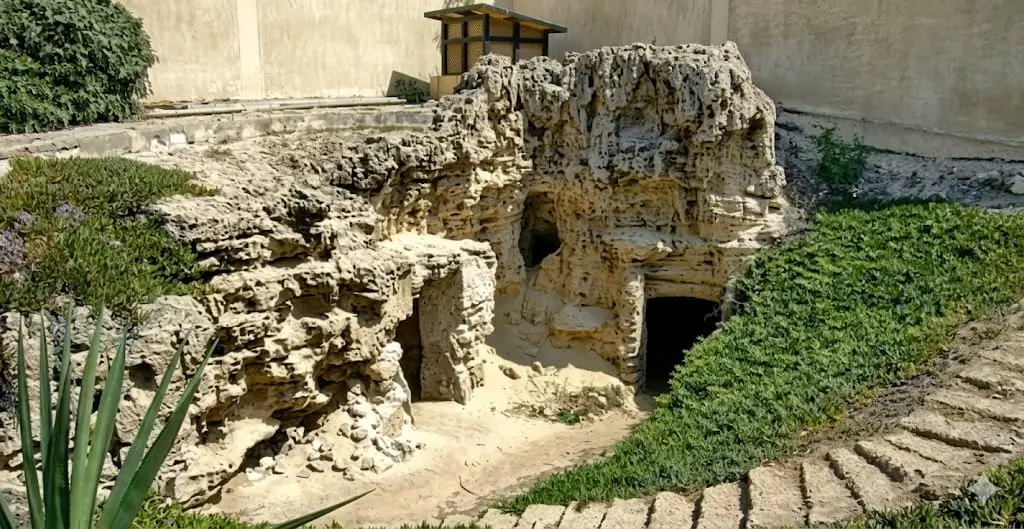
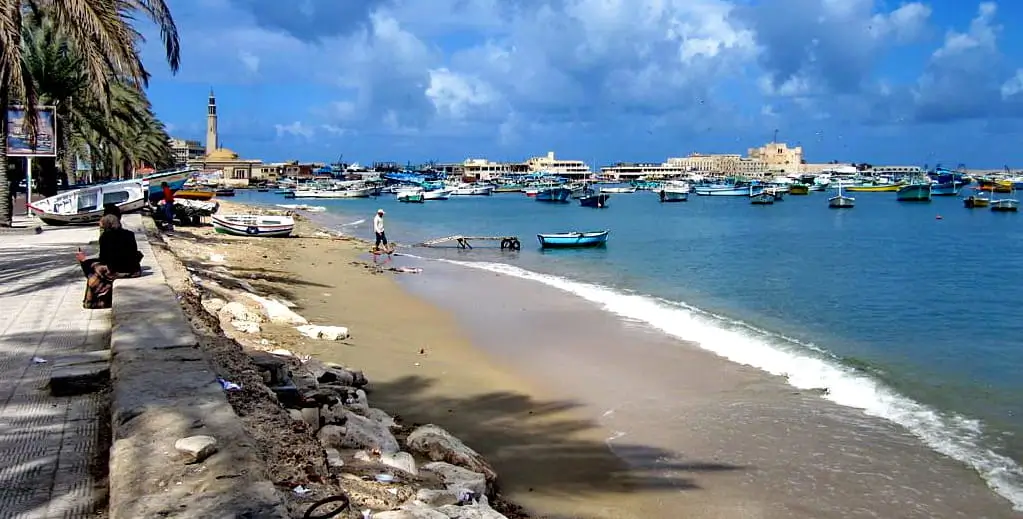
While many travelers focus on Alexandria’s sun-drenched coastline, some of the city’s most breathtaking treasures lie deep underground. The Anfushi Tombs offer a spectacular journey into the past. Located on the historic Pharos Island—now the bustling Ras El Tin district—this ancient necropolis dates back to the 2nd and 3rd centuries BCE. It represents a unique moment in history when the Greek elite of the Ptolemaic era began to embrace the eternal traditions of ancient Egypt.

As you descend the rock-cut staircases, the heat of the city vanishes. You enter a world where two great civilizations held a silent dialogue. The Anfushi Tombs stand out because they do not just reflect Greek or Egyptian styles; they fuse them into something entirely new. From the vibrant wall paintings that mimic expensive marble to the subterranean courtyards that resemble grand villas, these burial chambers served as “homes for eternity” for Alexandria’s wealthy maritime citizens.

Where Art Meets the Afterlife

These tombs provide more than just a historical site; they act as a cultural time capsule. While the famous Lighthouse of Alexandria once towered above this ground, these underground chambers preserved the intimate details of daily life and spiritual belief. Because the painters used vivid colors and clever architectural tricks, the walls still pulse with energy today. Exploring the Anfushi Tombs allows you to witness the birth of a cosmopolitan identity. It shows how the people of ancient Alexandria balanced their Mediterranean heritage with a deep respect for the mysteries of the Pharaohs.

FUN

A Masterpiece of Fusion: Art and Architecture

A Masterpiece of Fusion Art and Architecture

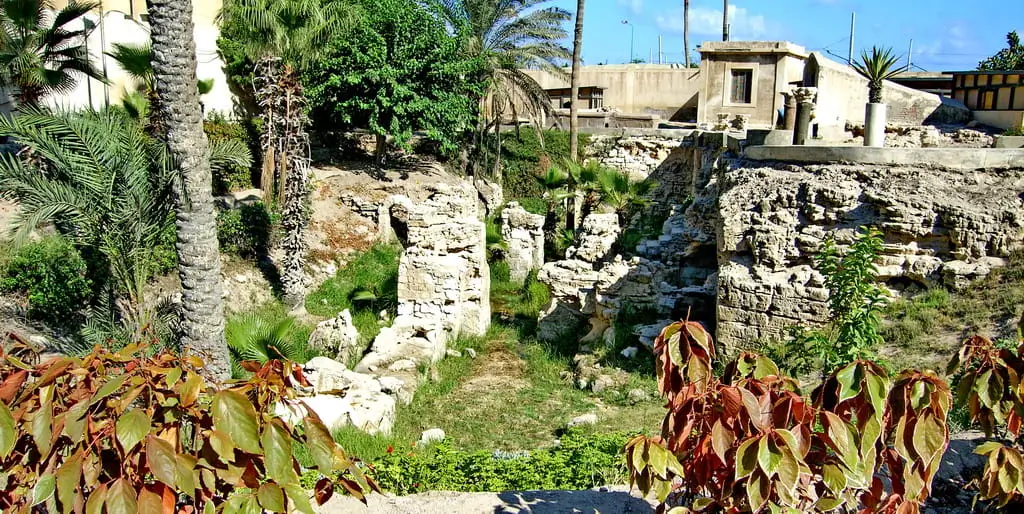
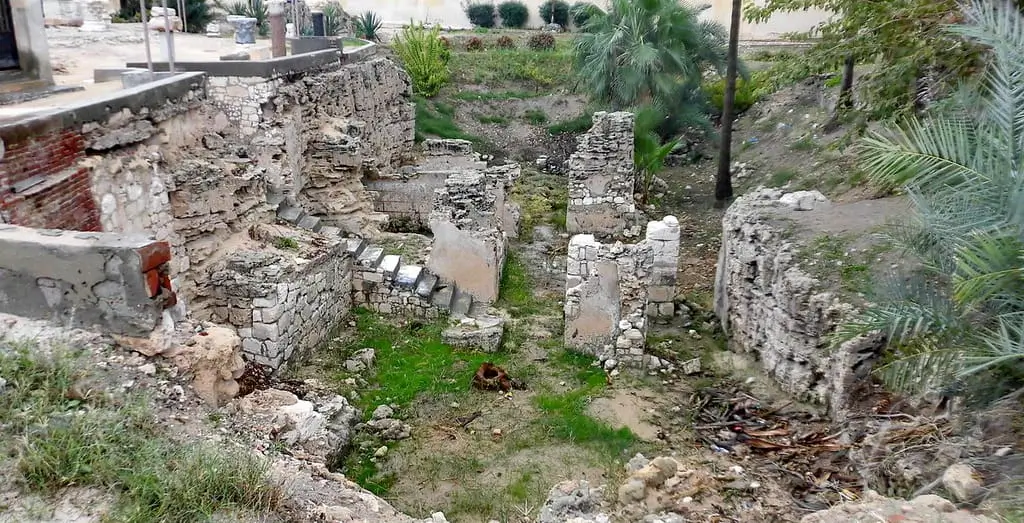
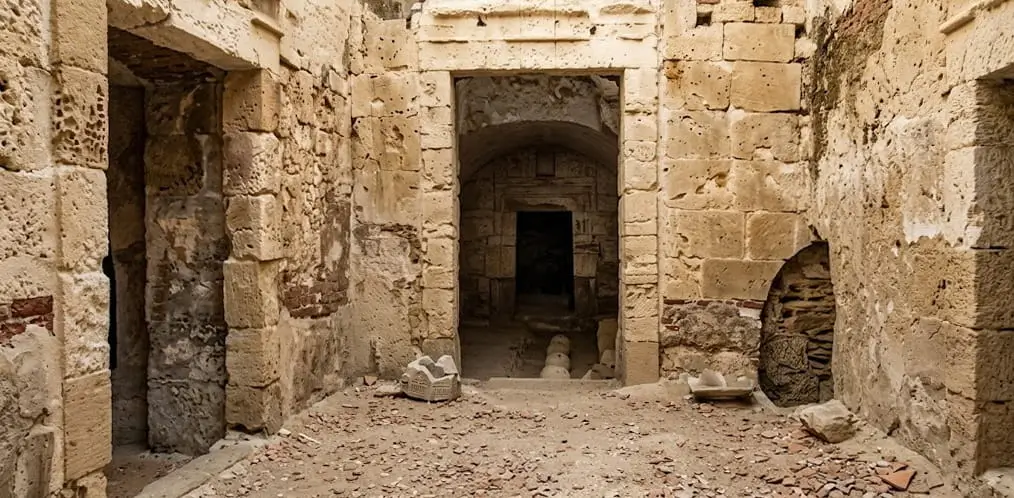
The architectural layout of the Anfushi Tombs reveals the cleverness of ancient Alexandrian engineers. They carved five main tomb complexes directly into the limestone ridge of Pharos Island. Unlike the deep, narrow shafts of Upper Egypt, these tombs function like underground villas. Each complex revolves around a central, open-air courtyard that allows sunlight to reach the burial chambers below.

The Egyptian Influence: Motifs and Deities

In many of the chambers, you will find traditional Egyptian motifs that emphasize the journey to the afterlife. Scenes often depict the deceased standing before Osiris, the god of the underworld, or being led by the jackal-headed Anubis. These images demonstrate how the Greek settlers adopted local religious customs. They believed that following Egyptian burial rituals offered the best protection for their souls in the next world.

The Greek Aesthetic: Luxury and Illusions

Despite the Egyptian themes, the structural design remains firmly Hellenistic. You will notice Greek-style columns and stone benches, once used for funerary banquets. Furthermore, the ancient painters employed a “trompe l’oeil” (trick of the eye) technique. They painted the limestone walls to look like expensive alabaster or rare colored marble. This clever use of paint allowed the owners to project an air of luxury and status, proving that their Mediterranean heritage remained a vital part of their identity.

FUN

Navigating the Necropolis: The Major Chambers

Navigating the Necropolis The Major Chambers

Archaeologists first brought these tombs to light in the early 20th century. While the site contains several structures, Tomb I and Tomb II remain the highlights for any visitor.

  • The Checkered Masonry: In Tomb I, you will see vaulted ceilings decorated with a unique black-and-white checkered pattern. This design mimics the expensive masonry found in the grandest palaces of the time.
  • The Alabaster Hall: The lower level of Tomb II features walls painted to resemble slabs of translucent alabaster. The preservation of these colors is remarkable, offering a vivid look at 2,000-year-old interior design.
  • The Funerary Couches: Many rooms contain rock-cut “klinai” or funerary couches. Family members would visit these chambers to share symbolic meals with the dead, a common Greco-Roman tradition that softened the boundary between life and death.

Ain Sokhna: Your Quick Guide to Cairo’s Red Sea Paradise

Discover Ain Sokhna, Cairo's closest Red Sea paradise, located just 1.5 hours away. This stunning...
Related post
FUN

Life on Pharos Island: The People of Anfushi

The individuals resting here were likely high-ranking officials or wealthy merchants. Because the tombs sit so close to the Ras El Tin Palace, we know this area was the heart of Alexandria’s maritime power. Living on Pharos Island meant living at the gateway to the world. Consequently, the people buried here were among the most cosmopolitan in the ancient Mediterranean.

Ultimately, the Anfushi Necropolis serves as a historical record of a city in transition. It reminds us that Alexandria never existed in isolation. Instead, it was a place where different cultures shared ideas, art, and even their visions of eternity.

Shatby: Where Ancient History Meets the Intellectual Heart of the City

Shatby represents more than a mere coordinate on a map; it stands as the physical...
Related post
FUN

Practical Travel Tips for Your Anfushi Visit

Practical Travel Tips for Your Anfushi Visit

To ensure a smooth experience exploring these subterranean wonders, keep these logistics in mind for your itinerary:

  • Getting There: The tombs sit in the Ras El Tin district, just a short distance from the famous Ras El Tin Palace. You can easily reach the site via taxi or a rideshare app like Uber. If you prefer public transport, the yellow tram line runs through the area, offering a scenic look at the old harbor.
  • Best Time to Visit: Aim for the morning hours. The light entering the open-air courtyards is most dramatic before noon, providing better visibility for the wall paintings. Additionally, the site is much cooler in the morning, which helps when exploring the humid underground chambers.
  • Photography: While the tombs are well-preserved, the lighting inside can be dim. Bring a camera with good low-light capabilities, but remember to keep your flash off to protect the ancient pigments. The contrast between the limestone and the vibrant “trompe l’oeil” paintings creates stunning shots.
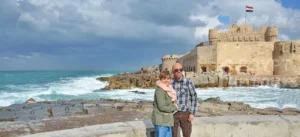
  • Combine Your Trip: Because of its location on the western edge of the harbor, you should pair a visit to the Anfushi Tombs with the Citadel of Qaitbay. You are also just minutes away from some of the city’s most authentic seafood restaurants along the harbor.

El Gouna: Your Guide to the Red Sea’s Luxury Lagoon Town

Discover El Gouna, the Red Sea's "Venice." This stunning, self-contained luxury town is built on...
Related post
FUN

A Legacy Carved in Stone

A Legacy Carved in Stone

The Anfushi Tombs represent a rare artistic bridge where the Greek spirit met the Egyptian soul. By carving their homes for the afterlife into the limestone of Pharos Island, the ancient Alexandrians created a lasting legacy of cultural fusion. Today, these vibrant chambers offer travelers more than just a history lesson; they provide a direct connection to the cosmopolitan heart of the ancient Mediterranean. Whether you admire the clever wall paintings or the architectural precision, Anfushi stands as a testament to the city’s enduring role as a crossroads of civilizations.

Explore Ancient Egypt and the Red Sea marine life....
Book now 5 days Dahabiya Nile cruise Luxor to Aswan to visit the ancient Egyptian attractions in upper Egypt joining an expert tour guide....
FUN
God_Anubis_Icon

Absolutely the best

We visited Cairo over a 15-hour layover. Egypt Fun Tours organized a customized and wonderful experience for us. We could not be happier. The day included a visit to all the great sites, the marketplace, dinner, a boat ride on the Nile, and a host of other special requests. I

More »

Excellent Egypt Adventure – All To Ourselves

Excellent trip to historic sites with no one else around. We came to see Egypt while most places still had COVID-19 fears. The staff at Egypt Fun Tours were professional, safe, and great to deal with. Very helpful, knowledgeable, and entertaining. I feel like I just got a year of

More »
group tour of wonders

Solid Tour Company

Last year (2010) my wife and I did a 20 day trip in Egypt, mostly Do-It-Yourself. However, one of the first things we did was a trip to Bahariya oasis and to the White Desert — not so easy to do yourself, so we needed an agency. After e-mail back-and-forths

More »
God_Anubis_Icon

Top-rated Tour Packages

God_Anubis_Icon