Practical Travel Tips: Visiting Qena and Dendera
Planning a successful trip to Qena requires a bit of strategy to ensure you see everything while staying comfortable in the Upper Egyptian climate. Whether you are arriving from Luxor or Hurghada, these tips will help you navigate the region like an expert.
Getting There and Around
Qena is exceptionally well-connected to other major Egyptian cities. The train station in the city center is a major stop for the Nile Valley railway, making it easy to reach from Cairo or Luxor. Furthermore, many travelers choose to visit Qena as a day trip from Luxor, which is only about an hour’s drive away.
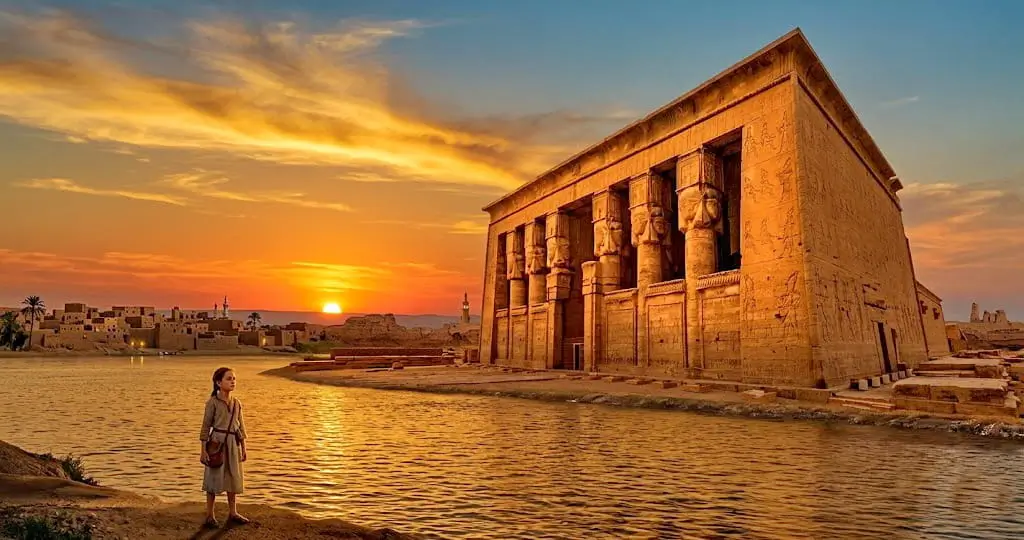
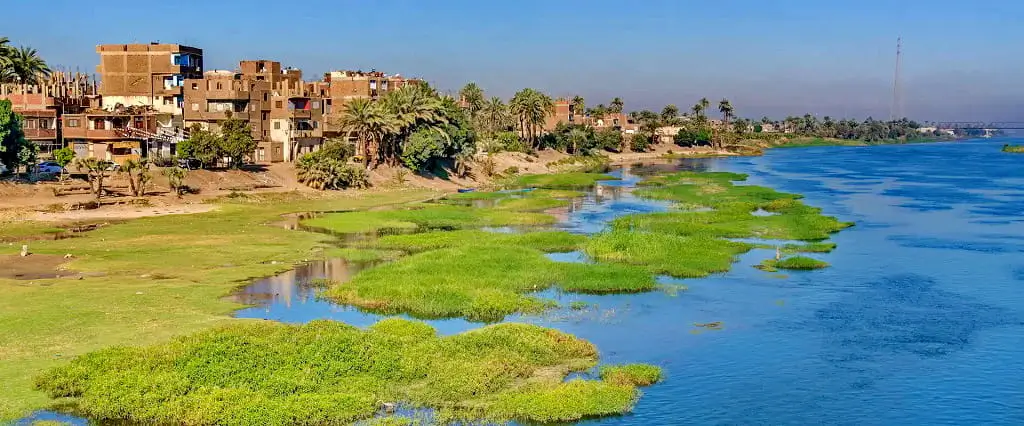
Once you arrive in the city, taxis and microbuses are the most common ways to get around. To reach the Dendera Temple Complex, which is located on the west bank of the Nile opposite the city, you can hire a private car or take a short taxi ride across the Qena Bridge.
The Best Time to Visit
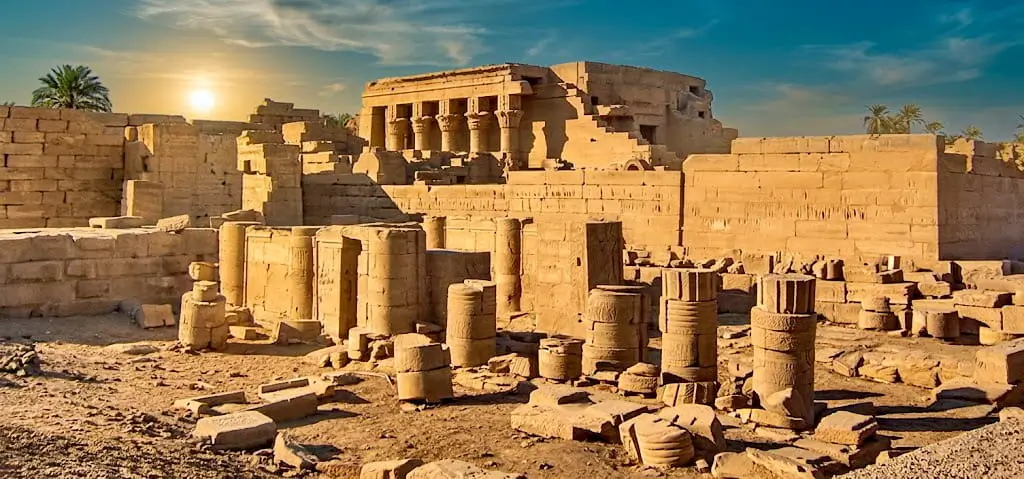
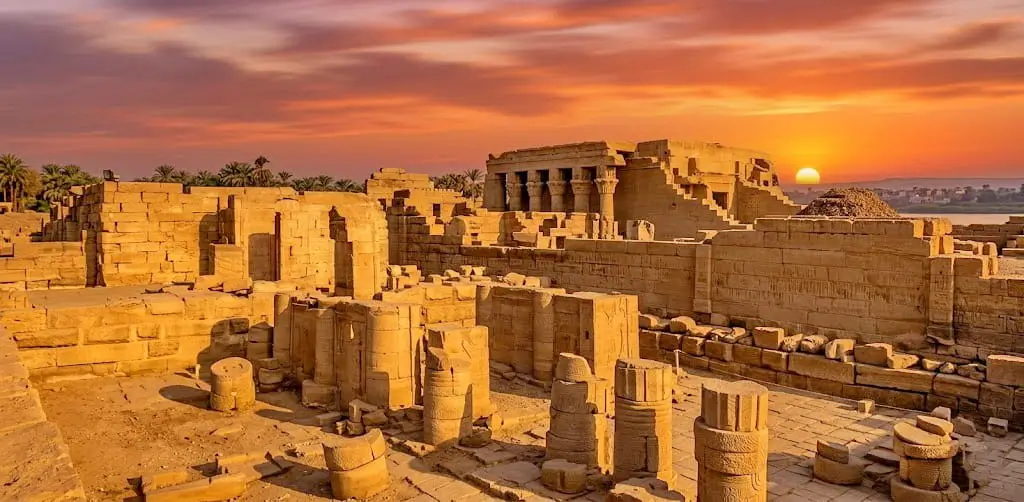
The climate in Qena is typical of the desert, with very hot summers and mild, pleasant winters. To get the most out of your visit, plan your trip between October and April. During these months, the temperatures are perfect for exploring the unshaded ruins of Dendera and Naqada without the intense heat of the midday sun. Because the Temple of Hathor has an intact roof, it remains surprisingly cool inside, but the walk between the different monuments in the complex still requires sun protection and plenty of water.
What to Wear and Carry
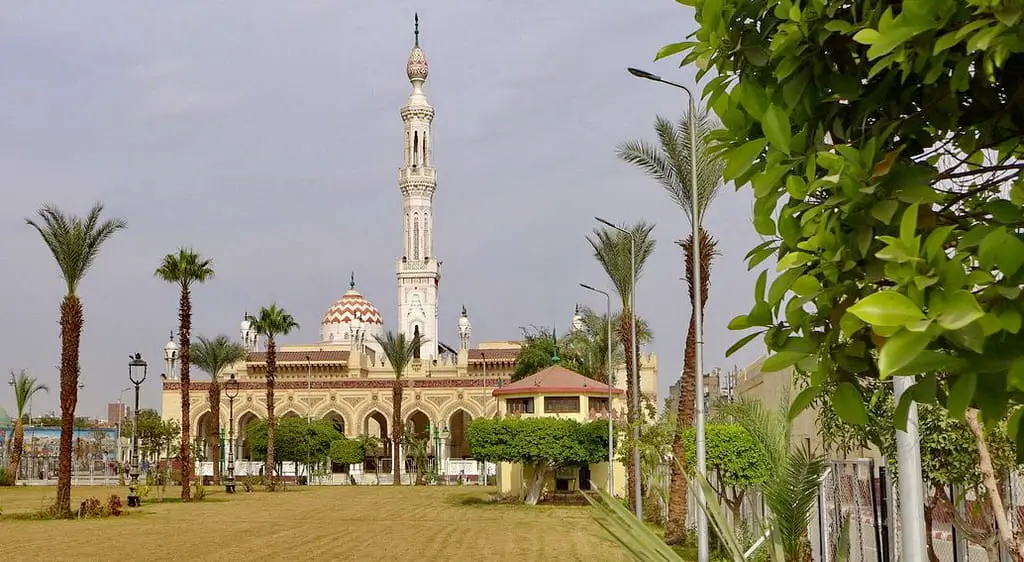
When visiting religious sites like the Sidi Abdel Rahim Al-Qenawi Mosque, it is important to dress modestly out of respect for local customs. For the archaeological sites, comfortable walking shoes are a must, as the terrain can be uneven and sandy. Additionally, always carry small change in Egyptian Pounds for entrance fees or local purchases at the pottery stalls. Ultimately, a little preparation ensures that your journey through Qena is as smooth and rewarding as the history it holds.
FAQs: Exploring Qena and Dendera
To wrap up this comprehensive guide, we have gathered the most common questions travelers ask when planning a visit to this historic region. These insights will help you fine-tune your itinerary and ensure you don’t miss any of the hidden details that make Qena so special.
Is the Dendera Temple better than the temples in Luxor?
While “better” is subjective, Dendera offers an experience that Luxor cannot: incredible preservation. Because the main temple has an intact roof, you get a true sense of the enclosed, mystical atmosphere ancient worshippers felt. The colors in Dendera are also significantly more vivid than those at Karnak or Luxor Temple. If you love photography and astronomical art, Dendera is unmissable.
Can you visit the “Dendera Light” crypts?
Yes, the crypts are generally open to the public. However, they are very narrow and require crouching to enter. If you are claustrophobic, you may want to skip the descent, but for everyone else, seeing the mysterious “lightbulb” reliefs in person is a highlight of the trip.
How much time do I need in Qena?
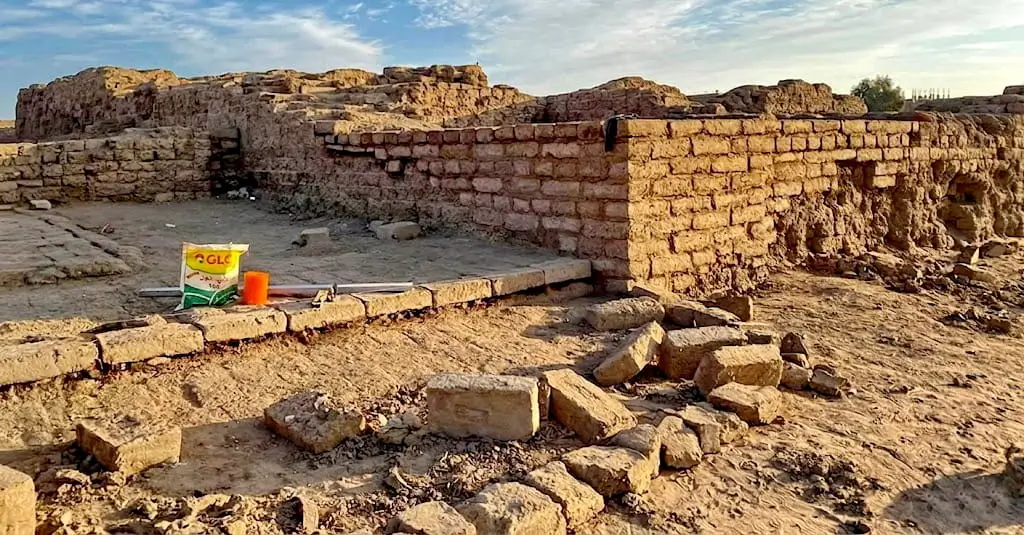
A dedicated day trip is usually enough to see the Dendera Temple and the Sidi Abdel Rahim Mosque. However, if you are a deep history enthusiast wanting to explore Naqada and Deir el-Ballas, we recommend staying overnight or planning two separate day trips from Luxor.
Is it safe to travel to Qena?
Qena is a very safe city for international travelers. Like much of Upper Egypt, the local population is exceptionally hospitable. You will often find that because Qena sees fewer tourists than Cairo or Luxor, the locals are even more welcoming and curious to share their culture with you.
What is the significance of the blue paint in Dendera?
The “Egyptian Blue” used on the ceilings was a synthetic pigment made from a mixture of silica, lime, copper, and alkali. It was highly prized because it did not fade easily. At Dendera, the lack of exposure to direct rain and the protection provided by the roof kept these pigments from oxidizing, allowing us to see the exact shades used by ancient artists.
The Timeless Allure of Qena
Qena remains a place where the layers of time are visible to the naked eye. From the prehistoric foundations of Naqada to the Greco-Roman artistic peaks of Dendera, and into the thriving spiritual and artisan traditions of today, the city offers a complete narrative of the human experience in Egypt.
By stepping off the beaten path and dedicating time to this province, you gain more than just photos of ruins; you gain an understanding of the continuity of life along the Nile. Whether you are looking up at the ancient stars on a temple ceiling or watching a potter shape the local clay, Qena reminds us that the past is never truly gone—it is simply the foundation for the present.