Guide for Wise Shopping in Egypt: Bargains, Bazaars, and Buying Smart

Shopping in Egypt is a vibrant cultural performance requiring smart strategy. This guide details the crucial art of haggling—the golden rule of the Egyptian souqs—teaching you how to negotiate prices and when to use the powerful 'walk-away.' We explore the best places to find bargains, from the historic chaos of Khan el-Khalili to the quieter Aswan markets. The guide also provides a checklist of must-buy, authentic souvenirs, including genuine Egyptian Cotton and certified Papyrus, alongside essential tips for securing your purchases and avoiding fakes or illegal antiquities at customs.

Shopping in Egypt: The Experience

Shopping in Egypt is far more than a simple transaction; it is a captivating cultural performance. The energy of the historic souqs (bazaars) engulfs you—a blend of history, sensory overload, and playful negotiation. Travelers often find this experience intimidating, but proper preparation transforms it into one of the most memorable parts of their trip.

This guide provides the essential advice you need to shop wisely in Egypt. We cover everything from cultural preparation to the crucial art of haggling. You will also find a comprehensive list of authentic items to bring home. We show you how to enjoy the process, build rapport with the locals, and confidently get the very best prices. Embrace the controlled chaos of the marketplace; your retail adventure begins now. First, you need to master the single most important skill: negotiation.

FUN

The Golden Rule: Mastering the Art of Haggling in Egypt

The Golden Rule; Mastering the Art of Haggling in Egypt

Rule #1 for shopping in most Egyptian markets is non-negotiable: you must haggle. Haggling is not rude; it is expected. It shows respect for the souq’s tradition and acknowledges the seller’s skill. If you do not haggle, you pay a tourist price. Always treat the negotiation like a friendly game—keep your temper and maintain a patient, pleasant attitude.

The Process follows these steps:

  1. Never Ask First: Let the seller name their initial price. This price is always inflated—often by three or even four times the item’s true value.
  2. The Counter-Offer: Your first offer should be approximately one-third (1/3) of the seller’s starting price. Never offer more than half the original asking price.
  3. The Back and Forth: Bargain in small, patient increments. State your price firmly, but deliver it with a smile. Use basic Arabic phrases if you can; it builds immediate rapport. The negotiation will settle near the true value, which usually hovers between 40% and 50% of the initial price.
  4. The Walk-Away: This is your most powerful bargaining chip. If the price remains too high, thank the seller politely, say Shukran (thank you), and start to leave. In most cases, the seller will call you back with a final, much lower price as you walk away.

You must know your personal highest price limit before you begin the negotiation. Crucially, do not agree to a price unless you truly intend to buy the item. Wasting the seller’s time is considered genuinely rude.

FUN

Practical Prep: Currency, Timing, and Language

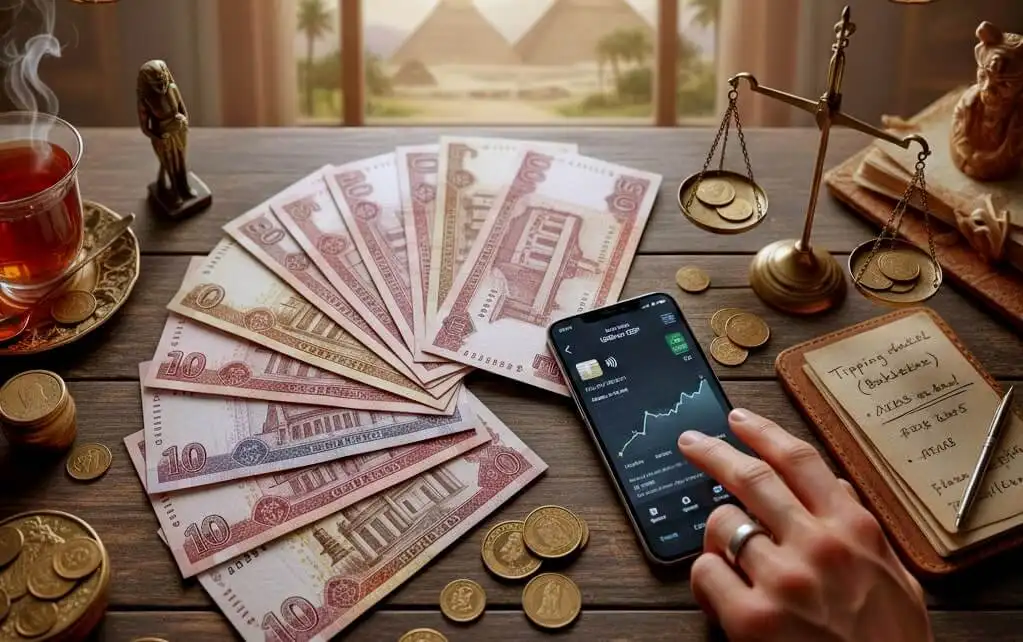
Navigating Egyptian Currency, A Beginner's Guide

Successful shopping in Egypt requires careful preparation that goes beyond just knowing how to haggle. Proper preparation ensures a smoother, safer, and more cost-effective experience.

  • Currency and Payment: Always use the Egyptian Pound (EGP) for transactions in the bazaars and street markets. Cash secures the best discounts during negotiation. While large stores, modern malls, and major hotels accept credit cards, they typically charge fixed prices. You must avoid using foreign currencies like dollars or euros for small purchases, as you almost always lose money on the vendor’s internal, unfavorable exchange rate.
  • Safety and Security: Congested areas like Khan el-Khalili require vigilance. While Egypt is generally safe for tourists, you should always keep your wallet and valuables securely tucked away in a zippered compartment or a bag worn across the body.
  • Timing Your Trip: Shop during the day or the early evening when the atmosphere is bustling and the energy is high. Late nights can mean tired sellers who are less willing to negotiate on price.
  • Transportation Strategy: Plan your exit. It is smart to arrange transport (either a ride-share app or a trusted taxi) before you exit the souq, especially when your hands are full of purchases.
  • Language Rapport: Learning a few simple Arabic phrases goes a long way. Phrases like Kamm da? (How much?), Ghali awi (Too expensive!), and a simple La, shukran (No, thank you) helps build rapport with the sellers and shows respect for the local culture.

Best Time to Visit Egypt and Jordan

Best Time to Visit Egypt and Jordan: Seasonal Travel Tips Is summertime here too hot?...

Related post
FUN

Shopping in Egypt: Where to Find the Best Bargains

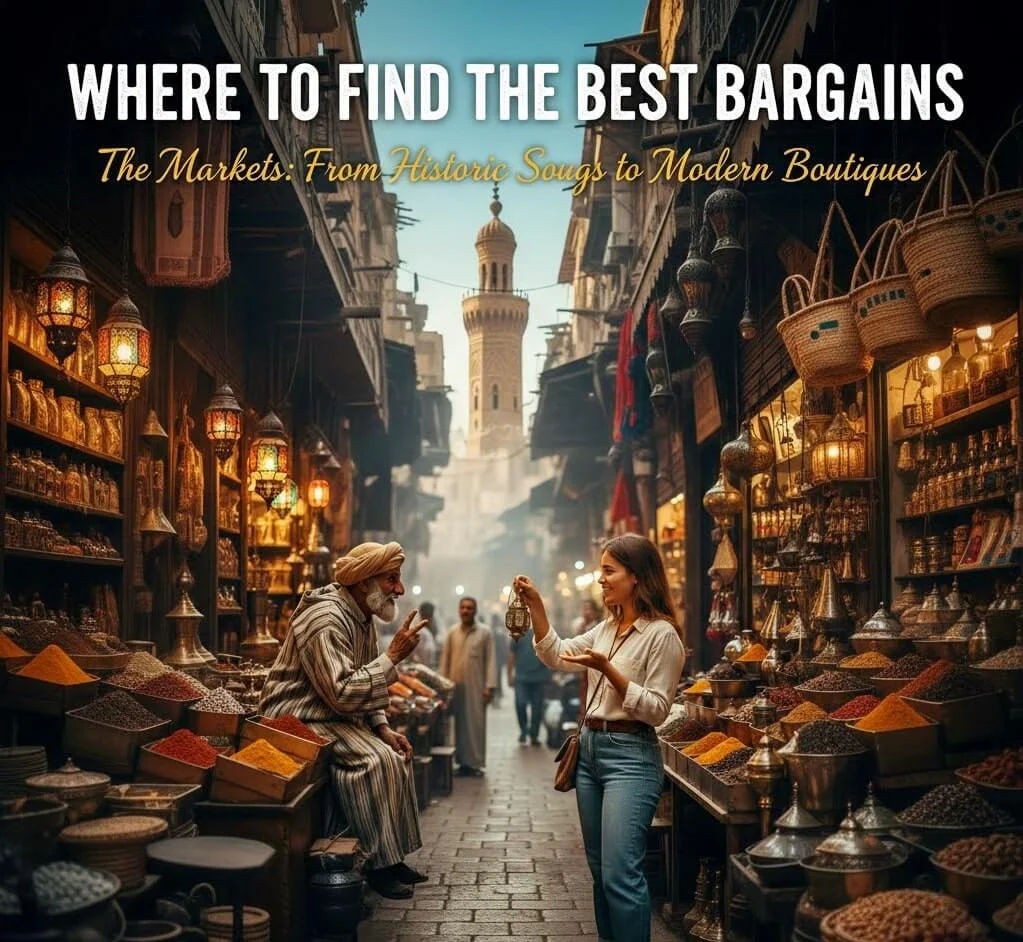
Shopping in Egypt, Where to Find the Best Bargains

Once you master the art of the bargain, you need to know where to go. Egypt offers a spectrum of retail environments, ranging from historic, chaotic souqs to calm, fixed-price shops.

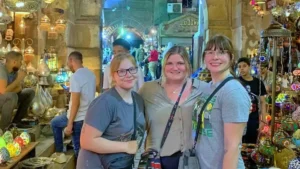
  • Khan el-Khalili (The Main Event): This historic bazaar in Cairo is the most famous shopping destination. The atmosphere is sensory overload—noisy, fragrant, and bursting with history. This bustling souq specializes in metalwork, spices, jewelry, and perfume. However, due to its fame, prices are often the most inflated here, meaning your negotiation skills are absolutely essential. Expect crowds and playful, persistent salesmanship.
  • Aswan and Luxor Souqs: Visitors find these southern markets often less aggressive than those in Cairo. They specialize in goods with Nubian influences, including colorful baskets, unique spices, and clothing. Prices can be slightly lower than in Cairo, and the overall shopping experience feels more relaxed.
  • Local Markets (Outside the Tourist Zone): If you seek genuine everyday items or the lowest possible prices, venture into local neighborhoods. Prices in these areas are generally fixed and significantly lower. However, the stock caters to local needs, so you will find fewer dedicated souvenirs.
  • Museum and Hotel Shops: These locations offer a dramatically different experience. They feature fixed prices and higher quality control. You will pay more—often double the bazaar price—but you avoid the hassle of haggling. Use them for special, high-value items or when you simply do not want to negotiate.

Getting Egypt E-Visa Online: A Quick Guide

Planning your journey to Egypt? This comprehensive guide simplifies the process of Getting your Egypt...
Related post
FUN

Shopping in Egypt: Must-Buy Egyptian Souvenirs

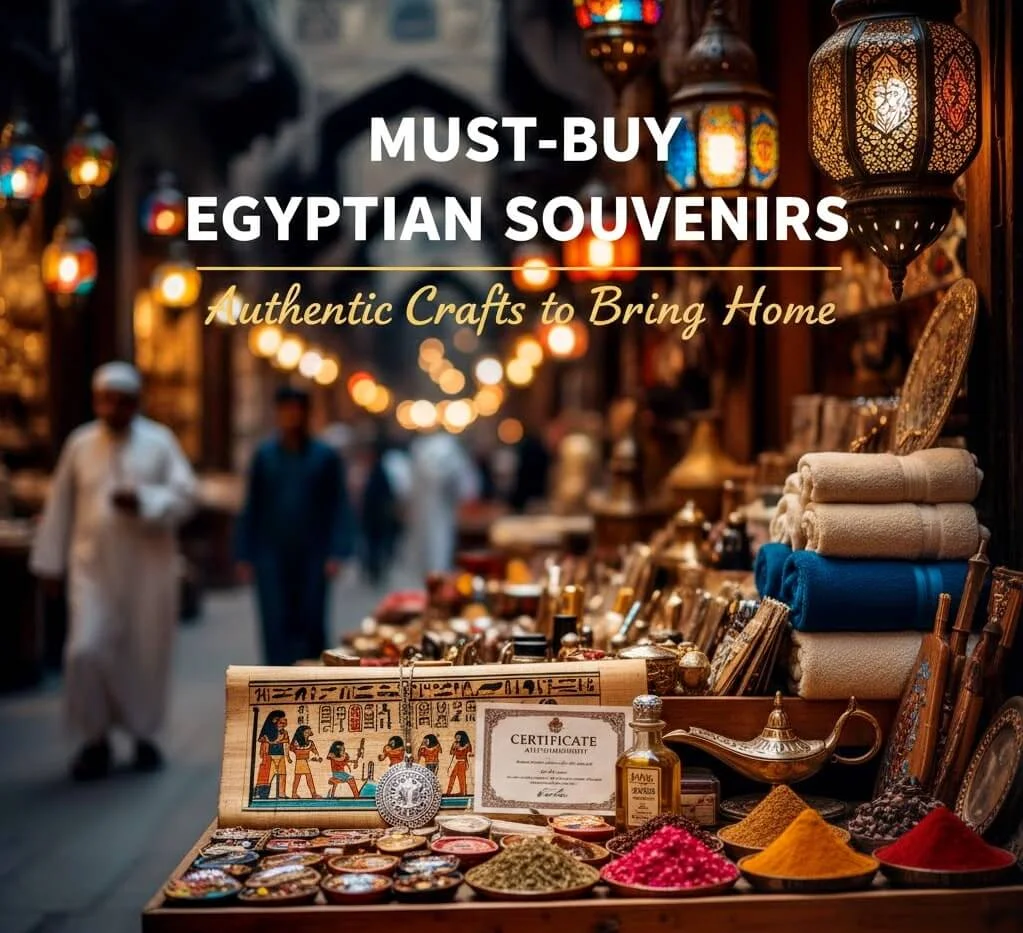
Shopping in Egypt; Must-Buy Egyptian Souvenirs

Once you master the markets, you need a checklist of what to buy. Egypt offers several authentic, high-quality items that make fantastic souvenirs, but buyers must know where to look and what to avoid.

Egyptian Products (Only in Egypt)

  • Egyptian Cotton: You can buy some of the best cotton in the world here. Look for high thread count bed sheets, luxurious towels, or high-quality scarves. Avoid the cheap cotton T-shirts sold everywhere; they are often low quality and made elsewhere. To ensure authenticity, seek out established, certified linen stores rather than bazaar stalls.
  • Papyrus: A beautiful, traditional souvenir, but you must beware of fakes (often banana leaves stamped with images). Buy papyrus only from licensed, reputable Papyrus Institutes. These specialized shops issue certificates of authenticity and demonstrate the ancient process. Do not purchase papyrus from street vendors; their stock is usually of poor quality and highly suspect.

General Products

  • Spices and Tea: The quality of Egyptian spices is superb. You will find the best selections in Aswan or smaller spice shops outside the main tourist hubs in Cairo. Focus on unique items like pure Saffron, dried Hibiscus petals (used to make the popular Karkade tea), and unfamiliar cooking blends. Always ensure vendors vacuum-seal the spices for safe travel and customs clearance.
  • Metalwork and Copperware: Egypt produces beautiful handcrafted items, including etched brass trays, perforated copper lanterns, and intricate brass objects often reflecting Mamluk or Islamic revival styles. These pieces make stunning home decor, but note that they are often heavy, which can impact luggage weight limits.
  • Jewelry (Cartouches): Tourists often purchase gold or silver cartouches—pendants engraved with their name in hieroglyphs. This is a popular personalized gift. Use only trusted, established jewelers for gold or silver. Avoid buying precious metals from street vendors or unknown stalls to ensure quality and fair pricing.
  • Perfume and Essential Oils: Specialist shops sell high-quality, unblended essential oils (like Jasmine, Lotus, and Sandalwood). When negotiating here, focus on the price of the oil itself, not the decorative glass bottles. Ask for pure oils and sample carefully before you commit to a large purchase.

Egypt Travel Updates

Egypt Travel Updates Grand Egyptian Museum (GEM) Opening and Site Tickets The long-awaited Grand Egyptian...

Related post
FUN

Buying Safely: Fakes and Legal Restrictions

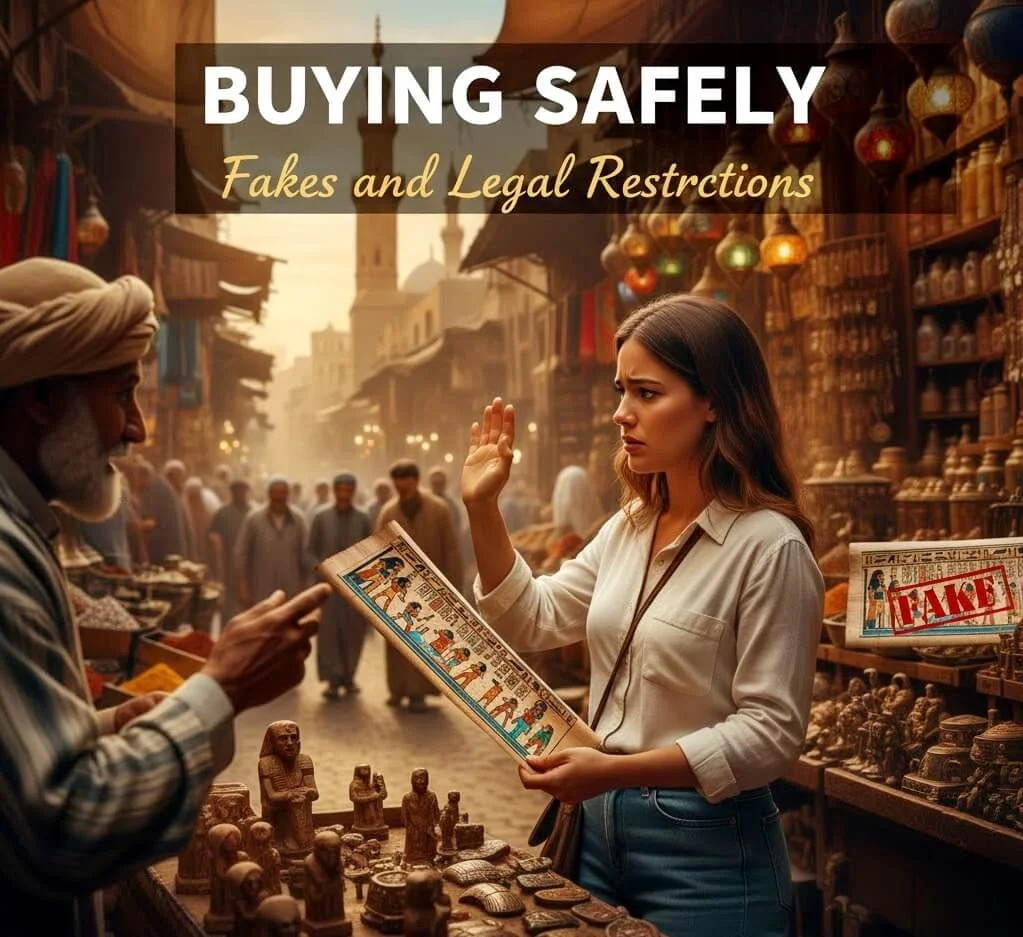
Buying Safely; Fakes and Legal Restrictions

Wise shopping involves more than just getting a good price; it requires knowing the legal limits and avoiding scams. Protecting yourself and your purchases ensures a smooth trip through customs.

  • Illegal Items: Antiques are Prohibited. You cannot export any genuine historical antiquity from Egypt. Customs officials will seize any item they suspect is an artifact. You must avoid purchasing anything that looks genuinely ancient or claims to be a fragment of ruin stone. Only licensed dealers can sell certified replicas, and they must provide official documentation.
  • Fakes and Scams: Sellers often employ clever tactics. Be wary of anything sold as “Ancient Egyptian Stone,” “genuine sarcophagus fragments,” or “Mummy Dust.” These are scams, usually consisting of concrete or plaster. As noted, only trust licensed Papyrus Institutes for guaranteed quality papyrus.
  • Documentation is Key: For expensive purchases, such as large rugs, high-end metalwork, or gold and silver jewelry, always insist that the vendor provide a dated, detailed receipt. This documentation serves as proof of purchase and helps you handle any questions that Customs officials may ask.

You now possess all the tools necessary to master Shopping in Egypt and the Egyptian marketplace, securing genuine souvenirs at excellent prices while navigating the cultural and legal landscape.

Live your dream vacation by discovering the beauty of Egypt in Cairo, Luxor, and Alexandria...
You're a few moments away to enjoy a memorable holiday for the entire family....
Giza pyramids Tours - Egypt Fun Tours

Thanks to egypt fun tours!

Thank u Hani for the enlightening tour of Giza and Saqqara. Thank u also for the great recommendation – Felfela – which we enjoyed a lot. returning the commission u got at the papyrus shop was something we didn’t expect and truly appreciate. shookran!

More »

Great layover Tour!!

I had an excellent layover tour with Hani. He is knowledgable, fun, and passionate about his city. I went for a tour of the pyramids, sphinx, and to a papyrus factory which were all great. Ask him any question about Egyptian history and he will surely know the answer! Also

More »
cairo layover tours - Pyramids and GEM Tour from Cairo Airport

Great layover tour

First things first…I was in Cairo about a week before the protests of 2011 started. As far as the tour was concerned, I was very pleased. I was met at the airport by a knowledgeable guide (Sara) who spoke great English and a driver. They took me to Giza first,

More »
Isis with wings

Top-rated Tour Packages

Isis with wings