
The Ultimate Dahabiya Nile Cruise Guide: Sail Egypt in Style

Discover the Dahabiya Nile cruise, Egypt’s most luxurious and intimate travel experience. This guide details how these traditional sailboats offer a serene escape from crowded ships, providing exclusive access to hidden sites and authentic culture. We explore the unique benefits of this slow-travel journey and provide expert recommendations on the very best Dahabiyas to book for an unforgettable adventure, perfectly suited for the current travel season.
Khafre Enthroned: The Story of Egypt’s Iconic Diorite Statue
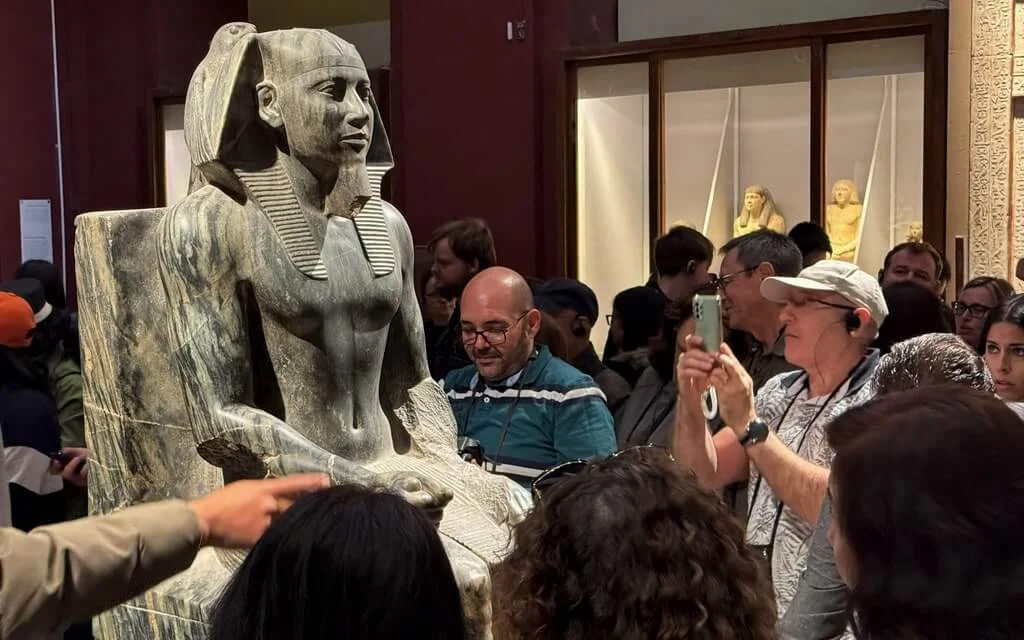
The diorite statue of Khafre is a masterpiece of ancient Egyptian art, famously displayed in the Egyptian Museum. Carved from incredibly hard stone, it depicts the enthroned pharaoh under the divine protection of the falcon god Horus. This iconic sculpture served as a vessel for the king’s eternal spirit, or Ka, symbolizing his divine right to rule and his permanent, indestructible nature.
The Opening of the Mouth Ceremony: Egypt’s Gateway to the Afterlife
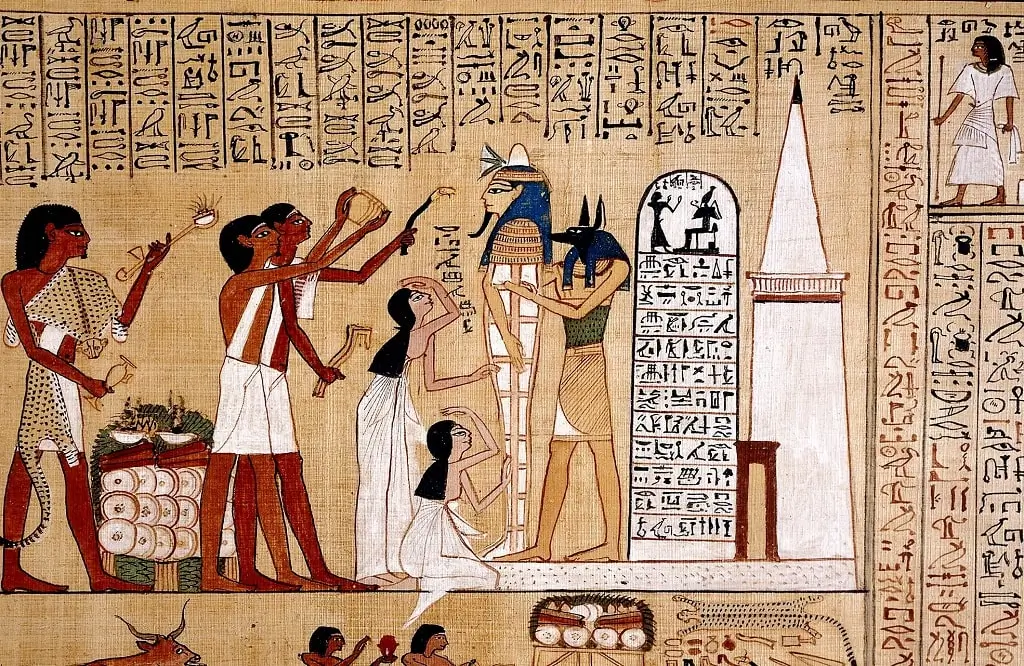
The “Opening of the Mouth” was a crucial ancient Egyptian funerary ceremony. Priests performed this sacred ritual on a mummy to magically restore its senses of sight, speech, and hearing. This transformation was essential, allowing the deceased to eat, drink, and interact with the gods, thereby ensuring their successful journey and eternal existence in the afterlife.
Valley Temple of King Khafre: A Gateway to the Afterlife at Giza
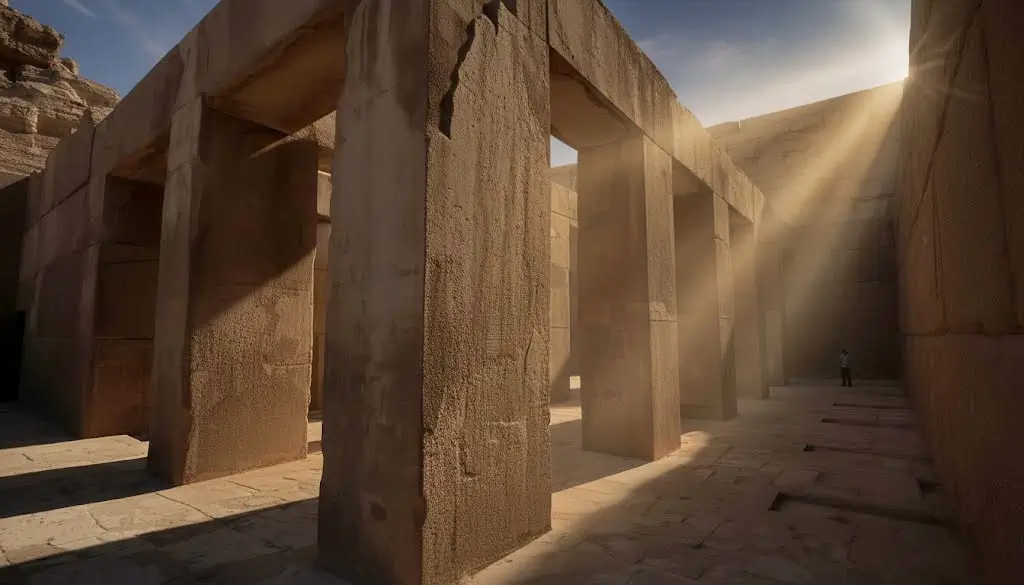
The Valley Temple of Khafre, built around 2570 BC on the Giza Plateau, served as the sacred entry point for the deceased pharaoh. Here, priests performed vital purification rituals, initiating the king’s journey to the afterlife. This remarkably preserved monument showcases minimalist architecture and profound symbolism, connecting the earthly realm to eternity.
The Ultimate Giza Travel Guide: Discovering All West Bank Wonders
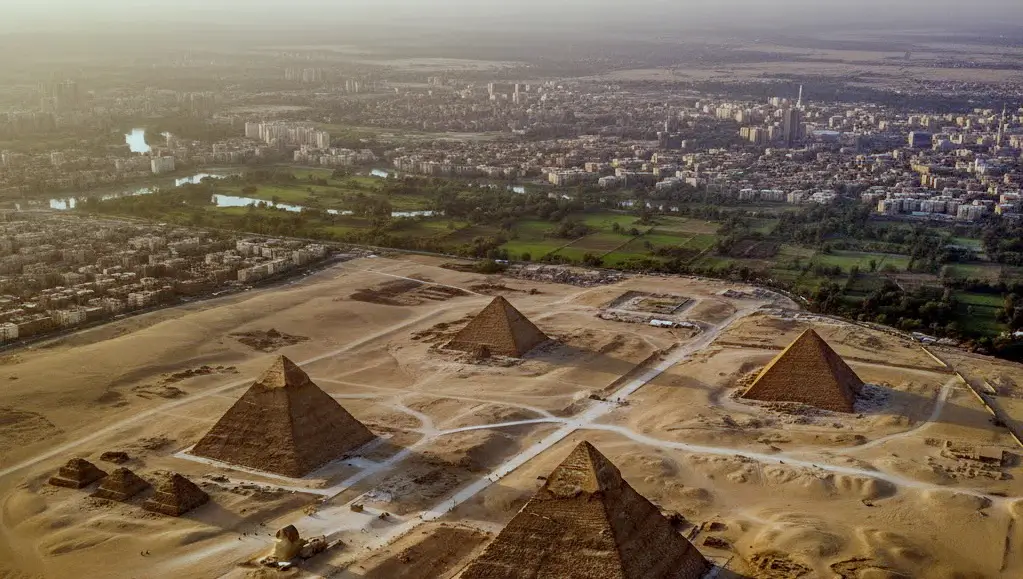
The West Bank offers global significance. It goes far beyond the Giza Pyramids. See engineering perfection. Witness architectural evolution at Saqqara and Dahshur. Explore the ancient capital, Memphis. Use this Giza Travel Guide. Navigate the complex easily. Stay safe. Unlock the secrets of the entire pyramid field. Plan well. Arrive early. Feel the majesty of ancient Egypt.
Alexandria Travel Guide: Yes, It’s Worth Visiting!

Discover why Alexandria is worth visiting with our complete guide. Explore iconic landmarks like the Bibliotheca and Qaitbay Citadel, and savor Egypt’s best seafood. This guide provides everything you need: top things to do, where to stay, practical travel tips, and curated itineraries to help you experience the city’s unique Mediterranean charm.
The Ultimate Red Sea Travel Guide: Everything You Need for Your Trip
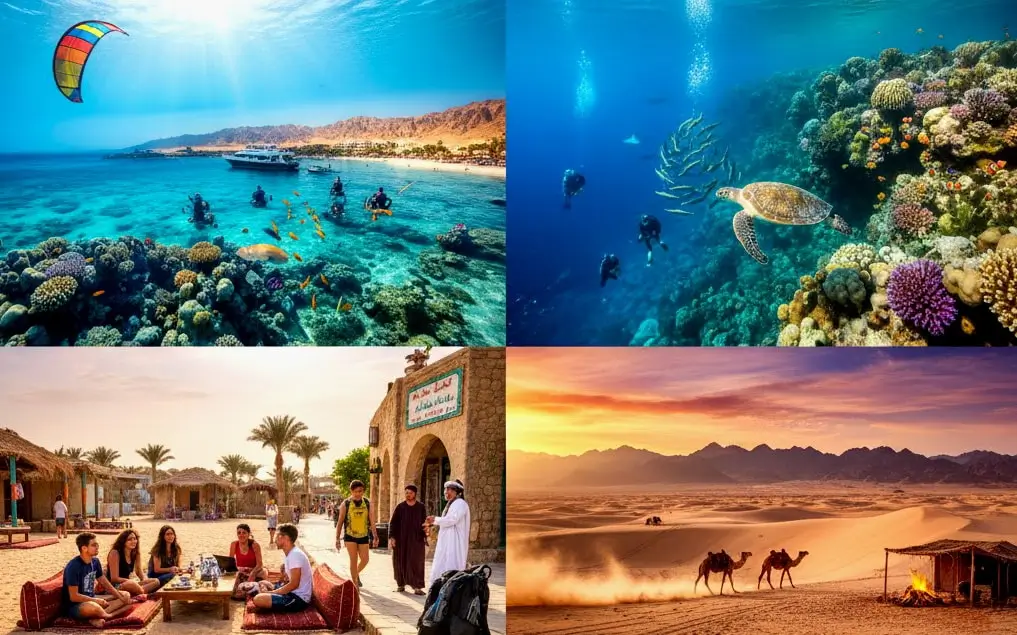
Your complete Red Sea travel guide is here. Whether you’re dreaming of diving in Sharm El Sheikh, relaxing on the beaches of Hurghada, or discovering the serene nature of Marsa Alam, this guide has it all. We cover the top activities, best places to stay, what to eat, and crucial tips for an unforgettable Egyptian holiday.
Aswan Travel Guide: Your Key to the Relaxing Jewel of the Nile
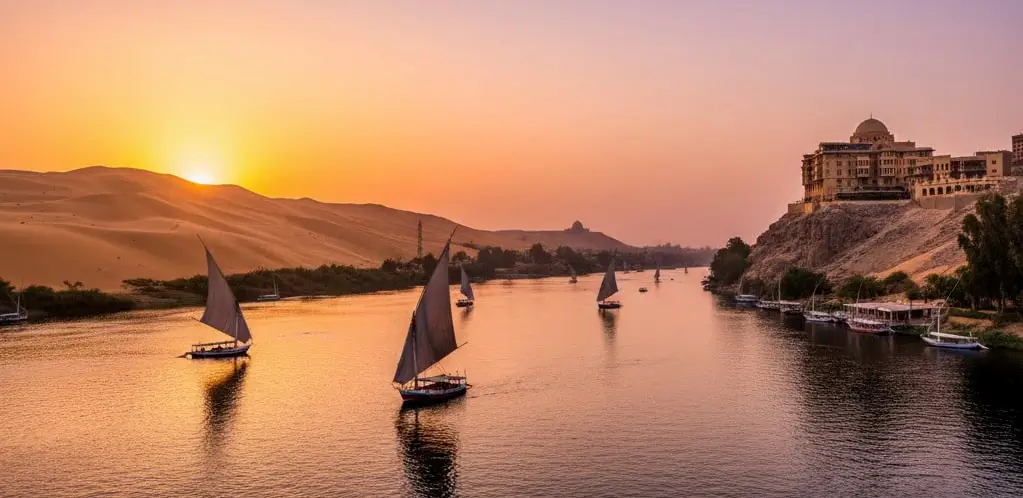
This comprehensive Aswan Travel Guide unlocks the serene jewel of the Nile, offering essential tips on the best time to visit, where to stay, and what to eat. Explore iconic sites like Philae Temple and Abu Simbel, immerse yourself in vibrant Nubian culture, and experience the timeless magic of a sunset felucca ride with our expert advice.
Luxor: The World’s Greatest Open-Air Museum: A Fun-Filled Visitor’s Guide
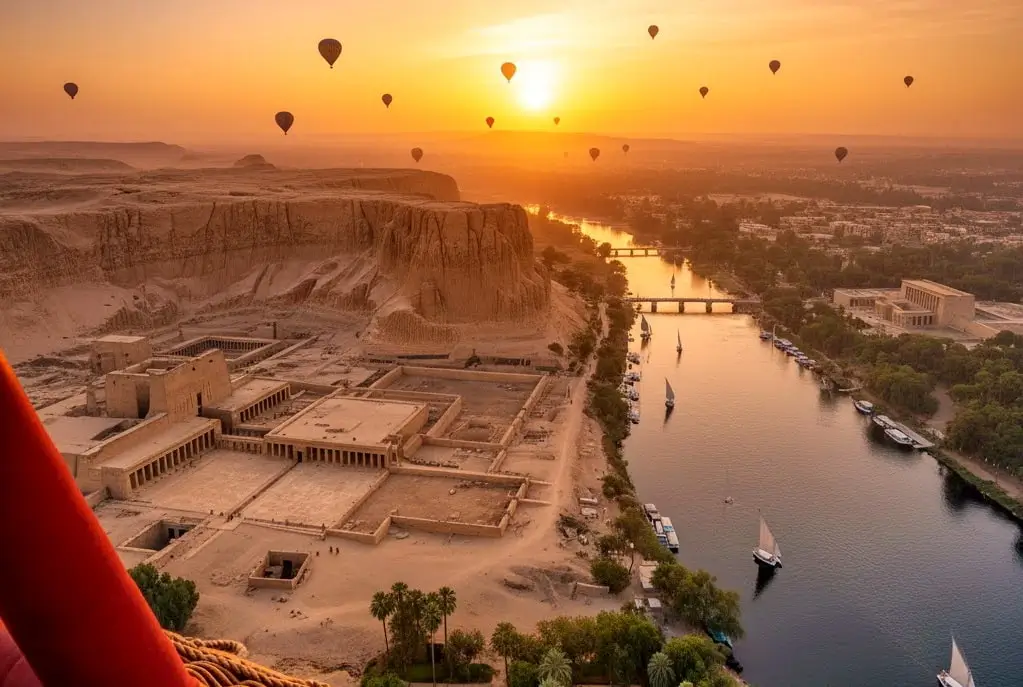
Step into the world’s greatest open-air museum with our ultimate Luxor travel guide. We’ll lead you from the colossal temples of the East Bank to the vibrant, hidden tombs of the pharaohs. Get insider tips on food, safety, and itineraries to craft your own epic Egyptian adventure!
The Ultimate Cairo Travel Guide: A Fun-Lover’s Planner
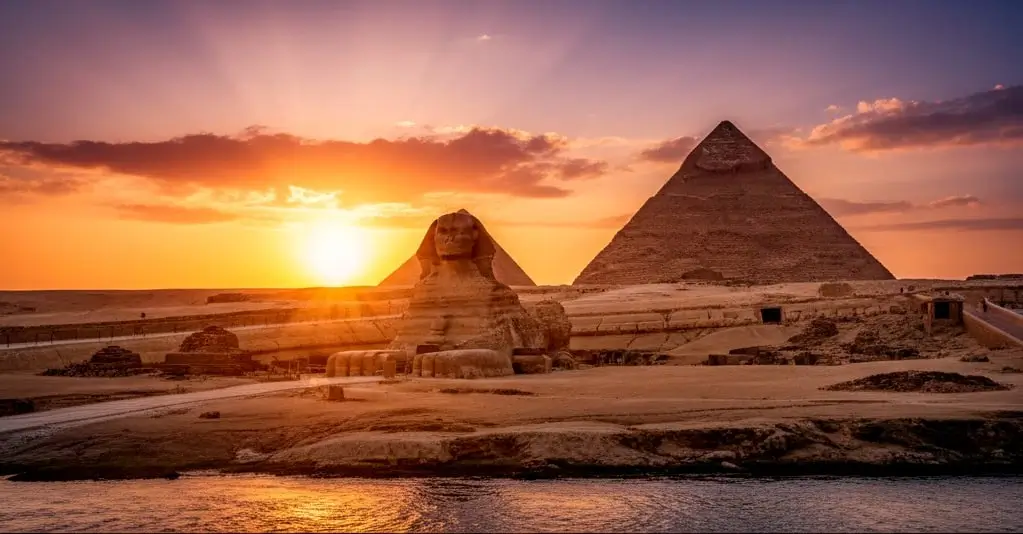
Ready to explore Cairo? This isn’t just another boring list. Our fun-lover’s Cairo travel guide is your key to an amazing adventure. We’re sharing our best insider tips on what to see, do, and eat, helping you plan a hassle-free and truly memorable trip.
Seqenenre Tao: The Brave King Who Died for Egypt’s Freedom

Seqenenre Tao, known as “the Brave,” was a Theban king who ignited the war of liberation against the foreign Hyksos rulers. He famously challenged their authority and was the first pharaoh to lead an open rebellion against them. He ultimately died a violent death on the battlefield, but his courageous sacrifice inspired his sons, Kamose and Ahmose I, to expel the Hyksos and found Egypt’s glorious New Kingdom.
Senusret III: The Warrior King Who Transformed Egypt
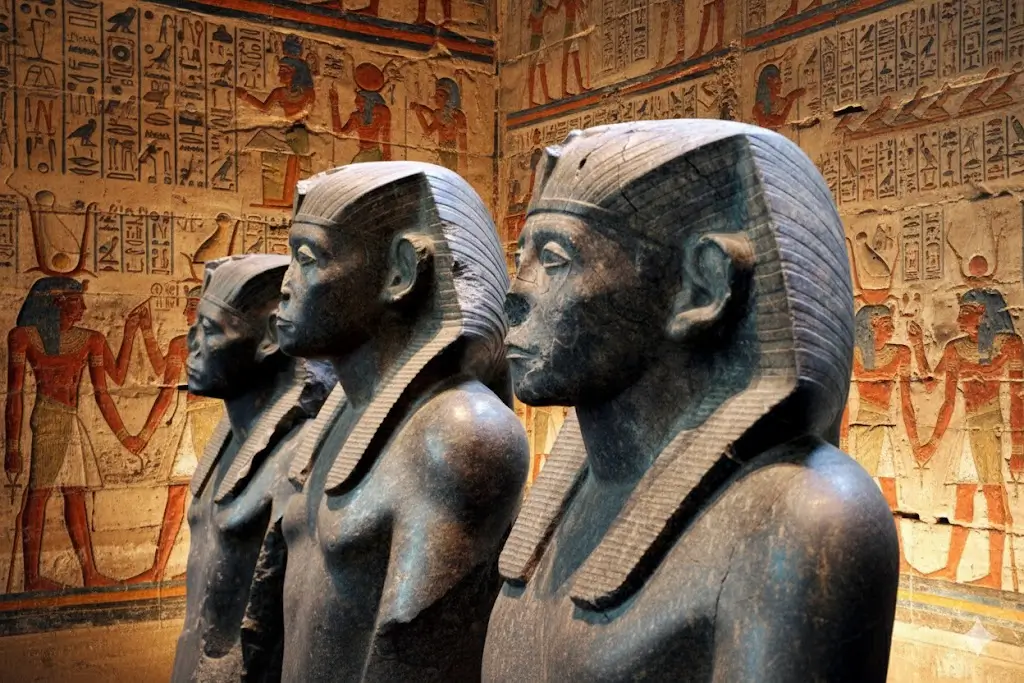
Senusret III was a formidable pharaoh of the Middle Kingdom. A powerful warrior, he conquered Nubia to the south, securing the border with massive forts. He also revolutionized Egypt’s government by crushing the power of regional nobles. He is famously remembered for his uniquely realistic and world-weary statues.