Sultan Salah Al-Din (Saladin): The Warrior King and Builder of the Citadel

Discover the legacy of Sultan Salah Al-Din (Saladin), the legendary warrior who rose to become the first Sultan of Egypt and Syria. Renowned for his military genius at the Battle of Hattin and his chivalry during the Crusades, he unified the Islamic world and recaptured Jerusalem. Explore his enduring mark on Cairo, where he constructed the massive Citadel of Salah Al-Din, a fortress that served as the seat of Egyptian government for 700 years.
The eye of Horus
WhatsApp
Email
Print

Sultan Salah Al-Din

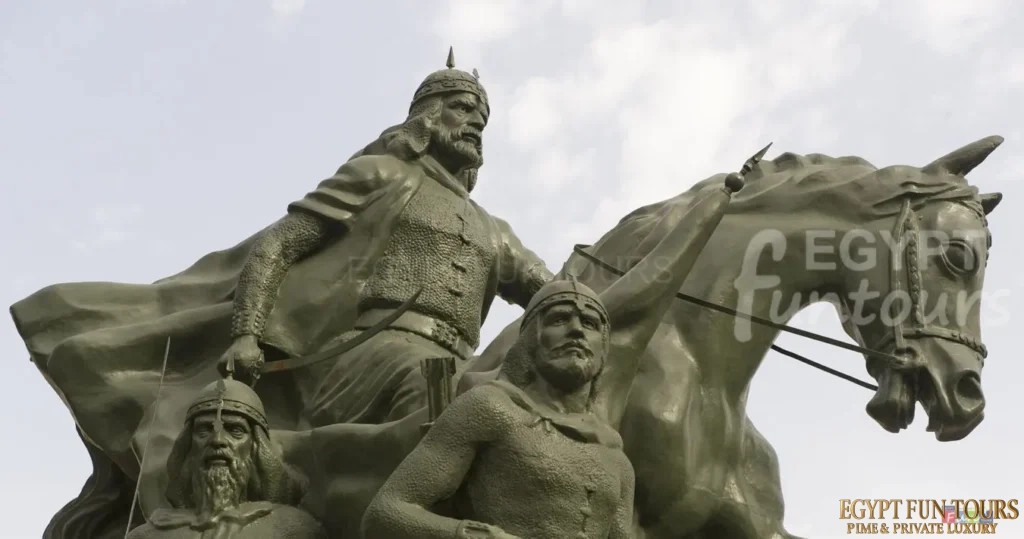
Sultan Salah Al-Din was a powerful ruler in Egypt and the Middle East. He ruled Egypt for 24 years but spent most of that time outside the country fighting the Crusades. People on all continents know the name of this great conqueror. He wanted to leave a lasting legacy and promote peace for ages. Salah Al-Din was a highly educated, courageous, and noble knight. He always showed mercy and generosity. He also created some of the most fascinating works of architecture, which transformed the path of an entire country.
Divider

Biography of Sultan Salah Al-Din

Pro-Traveler Tips How to Experience the Citadel Like a Local

Salah al-Din, or Saladin, is a Muslim term that means “righteousness of faith.” He founded the Ayyubid dynasty, which governed Egypt and Syria from 1169 to 1250 A.D. He is one of Islam’s greatest heroes because he led many military operations against the Crusaders. For this reason, the Egyptian flag features an eagle in the middle to symbolize its valor.

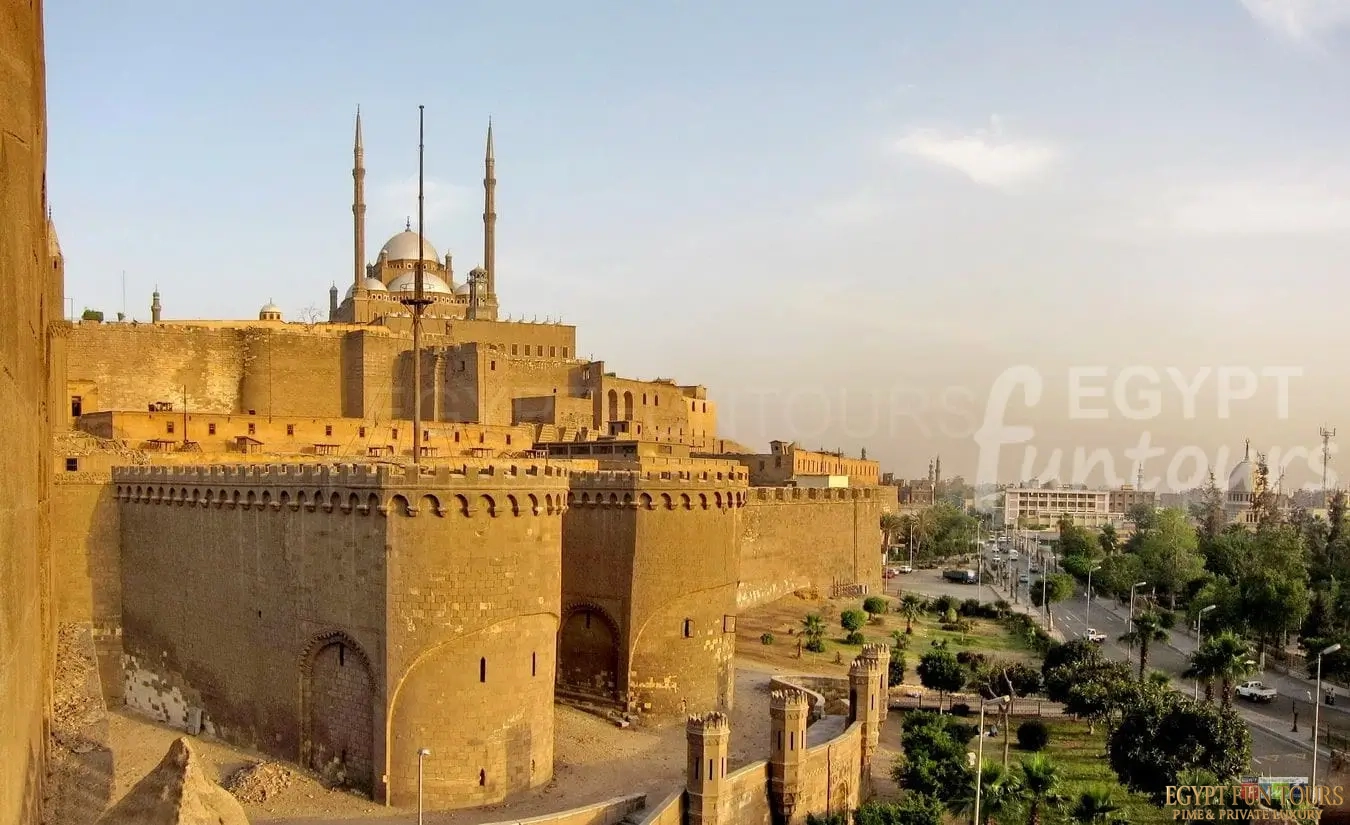
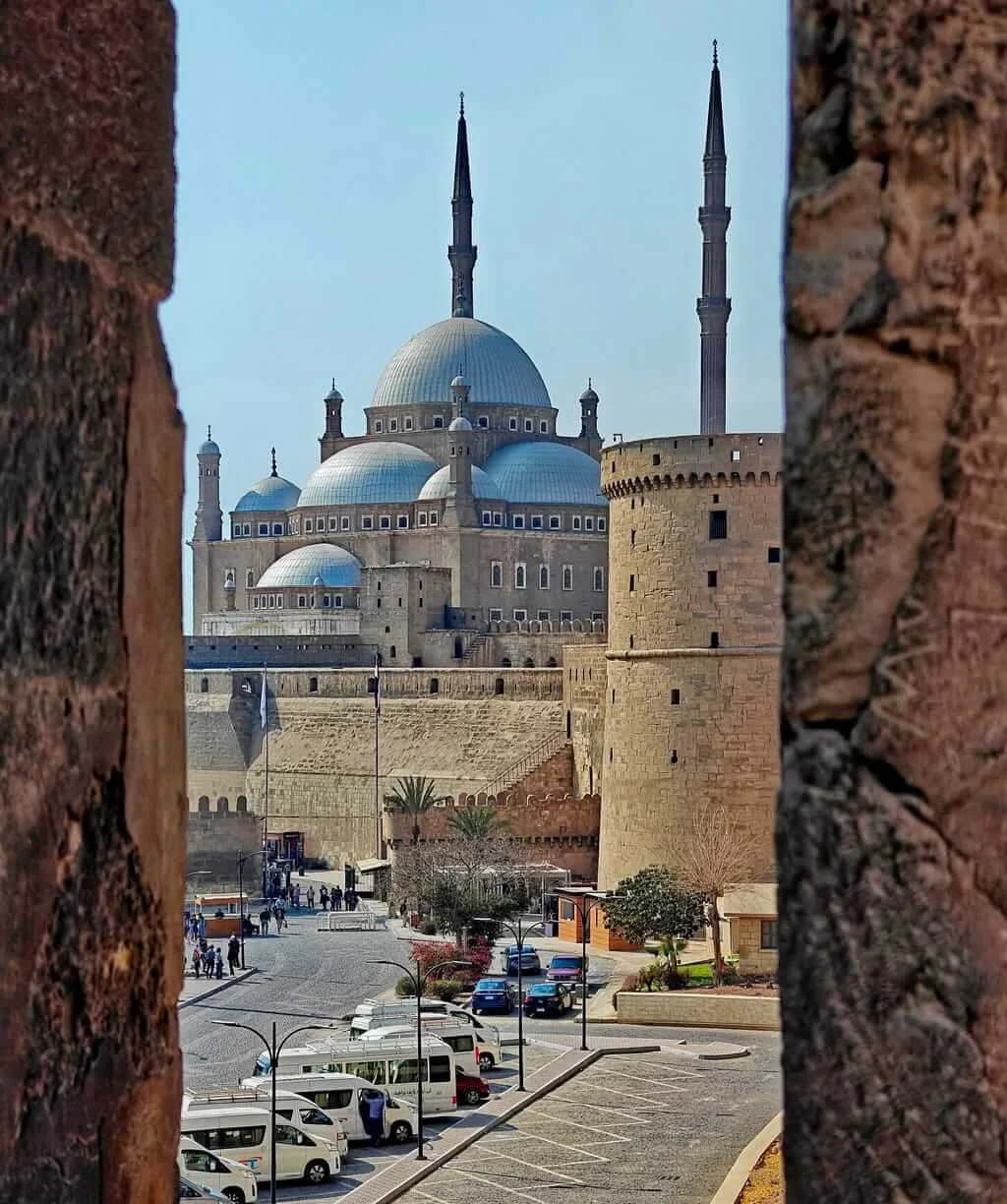
One of Saladin’s most notable victories was over the Crusaders at the Battle of Hattin in 1187, which resulted in the conquest of Jerusalem and other towns in the Near East. In Egypt, he is most known for building Cairo’s citadel, which has an incredible number of stately mosques and gorgeous structures.

Golden Scarab

Saladin’s Successes

Salah El-Din Citadel Cairo Guide to Egypt’s Medieval Fortress

Sultan Salah al-Din Yusuf Ibn Ayyub was born to a Kurdish Muslim family in the small Syrian town of Tikrit in 1137 A.D. His family taught him to be a strategist and a fighter.

He was a member of Syria’s Abbasid Caliphate’s army as an officer. His uncle, Asad-al-Din Shirkoh, was a commander in the Zengid Dynasty and taught him. Because of his outstanding performance during fights, he was capable of taking command during military operations.

His extraordinary talents and carefully executed strategies enabled him to rise from a soldier to become King of Egypt and Syria. He took over as vizier of the Abbasid Caliphate from his father in 1169. After toppling the Fatimid monarchy in 1171, he became the Sultan of Egypt. When he seized control of Egypt, he began building a wall that encircles Al-Qahira, “Cairo.”

He began extending his kingdom in 1174, and in only twelve years, he had conquered Damascus, Aleppo, and Iraq. His nobility and gallantry were admired across the Arabian and Western worlds. He was able to bring Muslims from all across the Arab world together under a single vision, preparing them for Jihad and a counter-crusade against the Christian crusaders. After a three-month struggle with the Crusaders, he was able to seize possession of Jerusalem in 1187.

And when Richard the Lionheart, King of England, said, “Richard and the Crusaders had gathered their forces to retake Jerusalem with the third crusade, but they were unable to break Saladin’s defenses, so they had to settle for a treaty with Saladin instead, which granted amnesty and safe passage to the crusader army, as well as access to the Holy Places for Christian pilgrims.

The eye of Horus

Sultan Salah Al-Din’s Family

Saladin’s many marriages gave him seventeen boys and one daughter. His major wife was Ismat ad-din Khatun. His sons, Al-Aziz Uthman, who ruled Egypt, and Al-Afdal, who ruled Syria, succeeded him.

Divider

The Legacies of Saladin

Full Day Islamic Cairo Tour; Citadel, Ibn Tulun & Al-Azhar Mosque

Sultan Salah Al-Din died in 1193 and was buried in his Mausoleum outside the Umayyad mosque in Damascus, Syria. Still, his legacy lives on. People in Arabic and Islamic history saw him as a symbol of bravery and resistance. Even in Europe, where people considered him an enemy, they admired him as a symbol of nobility, honor, and chivalry. Medieval art even depicted him as a great king and a heroic figure. Unlike the First Crusade, when he took Jerusalem, he spared the lives of the Christian population. He also provided safe passage for the defeated Crusaders. Sultan Salah Al-Din’s physician even helped King Richard, who had been injured in battle.

The eye of Horus
Divider

Excellent Tour

Really excellent tour from Mohamed, and we learned so much about Egypt and went to places we never would have found as tourists at home. My girlfriend had a 12 hour stop over on the way to Ethiopia and it was the perfect way to see Cairo. I hope people

More »

Perfect layover Tour

I had a 10 hour layover in Cairo so booked a tour with Hani at Egypt Fun Tours. The tour was brilliant. I saw exactly what I wanted to see during the day which included the pyramids, Sphinx, Egyptian museum and the Bazaar. Hani was very knowledgeable and was the

More »

Great Walking Tours!

My husband & I were very very happy with the walking tour we took with Egypt Fun on Nov 26. Our guide (Manal) was amazing & very very knowledgeable. Thanks to Manal, we were able to really get a very good understanding of the city, its history & its great

More »

Amazing Experience

Hamada was incredible! So knowledgeable and kind. He had information about every item, street corner, and relic we looked at. Any questions we had, he had answers! He even made sure to give us tips while walking through the crowds so that we would feel more comfortable when being approached

More »
God_Anubis_Icon

Top-rated Tour Packages

God_Anubis_Icon
WhatsApp
Email
Print