
The Third Intermediate Period and the Age of Foreign Rule

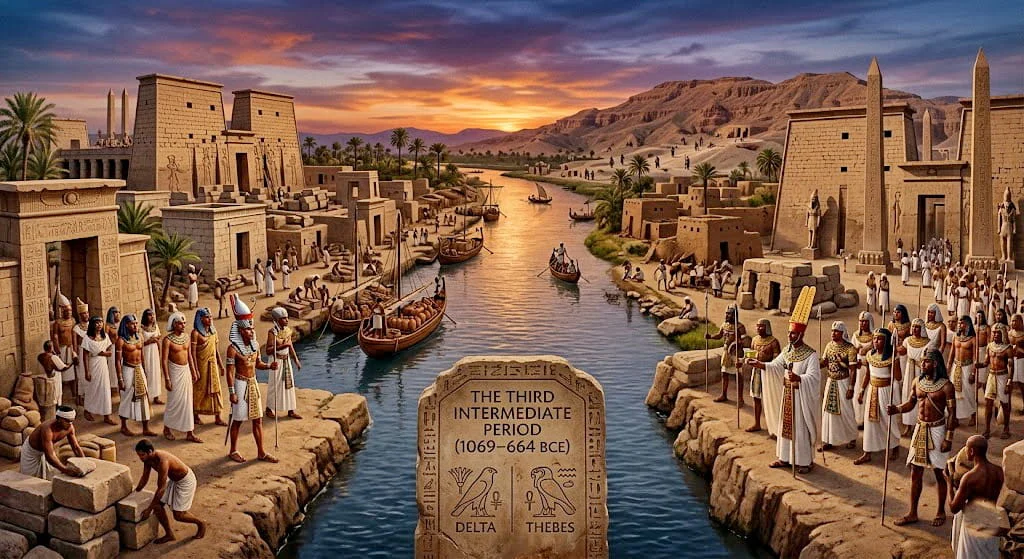
Egypt's Third Intermediate Period (c. 1070–664 BCE) was marked by political fragmentation and internal conflict, leading to the Age of Foreign Rule. Successive dynasties from Libya and Kush (Nubia) and, finally, Persia controlled Egypt, ending the era of unified Egyptian sovereignty.
The eye of Horus
WhatsApp
Email
Print

The end of the New Kingdom brought the tumultuous Third Intermediate Period (). This era marks the beginning of Egypt’s centuries-long shift from an imperial power to a land frequently dominated by foreign rulers. The Third Intermediate Period saw political splintering, followed by successive waves of conquest during the Late Period by Libyans, Nubians, and Assyrians. Ultimately, the cultural blending of the Ptolemaic dynasty, which arose after the conquests of Alexander the Great, and the subsequent Roman administration defined Egypt’s final historical chapters. These centuries represent a profound transformation in the timeline of ancient Egypt.
Divider

The Third Intermediate Period and Late Period

The Third Intermediate Period and Late Period

The Third Intermediate Period began after the death of Ramesses XI, when the central authority again collapsed. This allowed the state to fracture into competing regional kingdoms. The south was controlled by the High Priests of Amun in Thebes, while the north was led by kings at Tanis. This political splintering laid the groundwork for foreign intervention.

Successive Rulers During Decline

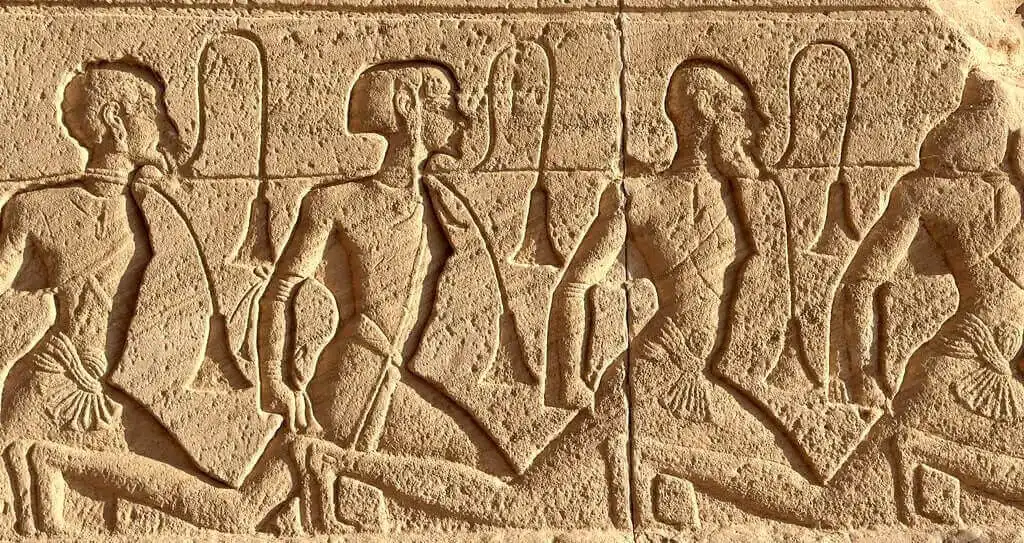
  • Libyan Dynasties (): Libyan military commanders, who had settled in the Delta during the New Kingdom, established several dynasties, most notably Dynasty 22. This further decentralized power during the Third Intermediate Period.
  • Kushite (Nubian) Rule (): The powerful Kushite kings, ruling from Napata in Nubia, invaded Egypt to reunify the “Two Lands” and restore traditional Egyptian religious practices. This period of the Third Intermediate Period temporarily restored some imperial ambition and Egyptian unity.
  • Assyrian and Persian Conquests: The Kushite power was eventually broken by the might of the Neo-Assyrian Empire. This marked the beginning of intense foreign interference in the Late Period, which also included two separate periods of domination by the powerful Persian Achaemenid Empire.

The Late Period showed Egypt’s inability to maintain independence against large empires, a stark contrast to the strength achieved after the Third Intermediate Period fragmentation.

Golden Scarab

Hellenistic Culture After the Third Intermediate Period

The Final Chapters-The Hellenistic and Roman Eras (332 BCE–395 CE)-Timeline of Ancient Egypt

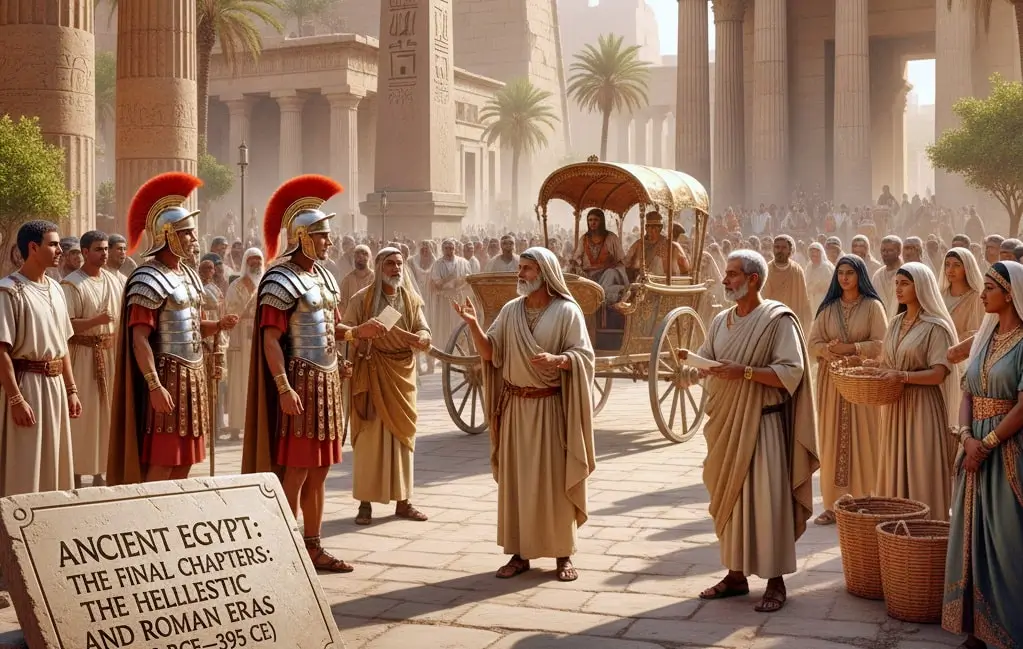
Following the Late Period, Alexander the Great conquered Egypt in , leading to the Ptolemaic dynasty (Greek rule). This rule ushered in a fascinating cultural fusion that ended the long political struggle begun in the Third Intermediate Period.

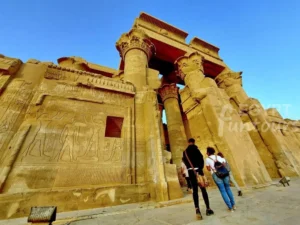
  • Ptolemaic Culture: The Greek rulers adopted the title of Pharaoh, built traditional Egyptian temples (like Edfu and Philae), and upheld Egyptian religious rites to legitimize their rule to the native population. At the same time, they aggressively promoted Hellenistic culture, language (Koine Greek), and governance, creating a dual-society.
  • The Serapis Cult: This definitive religious blend syncretized the Egyptian god Osiris and the sacred Apis bull (Osiris-Apis) with Greek deities like Zeus and Dionysus. The cult of Serapis provided a unifying religion for both Greek and Egyptian subjects, flourishing especially in Alexandria.
The eye of Horus

Roman Supremacy: The End of the Pharaohs

Economic and Political Egyptian Influence on Roman Empire

The final act of independent Pharaonic rule after the Third Intermediate Period played out during the Roman Civil Wars.

  • Cleopatra VII: The last active ruler of the Ptolemaic Kingdom, she strategically allied herself first with Julius Caesar and later with Mark Antony to preserve Egyptian independence against Rome’s growing power. Her reign represented the last gasp of royal Egyptian sovereignty since the struggles of the Third Intermediate Period.
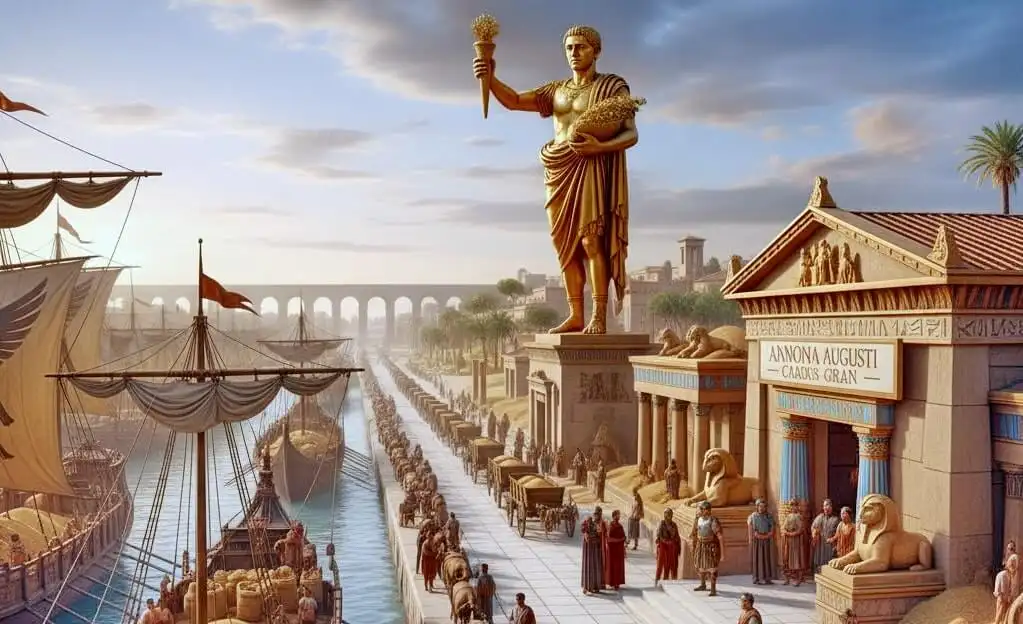
  • Incorporation into the Roman Empire: The defeat of Antony and Cleopatra by Octavian (later Emperor Augustus) at the Battle of Actium () led to the Roman conquest of Egypt (). Egypt was annexed as a personal province of the Roman Emperor, marking the definitive end of the Pharaohs and the beginning of the Roman Era (). Rome valued Egypt primarily as the granary of the Empire.
Divider

Alexandria: The New Capital After the Third Intermediate Period

The Third Intermediate Period and the Age of Foreign Rule

Alexandria, founded by Alexander the Great, became the cultural and intellectual capital of the Hellenistic world, far surpassing the influence of the old capitals that dominated the Third Intermediate Period.

The Pharos (Lighthouse):

One of the Seven Wonders of the Ancient World, the Pharos demonstrated Greek engineering mastery and symbolized Alexandria’s role as the gateway to Egypt.

The Library and Museum:

The famous Library of Alexandria and the attached Museum (a research institution) made the city the unrivaled center for philosophy, science, mathematics, and literature for centuries, preserving vast amounts of knowledge and attracting scholars from across the Mediterranean.

Trade Hub:

Situated strategically on the Mediterranean, Alexandria became the crucial hub for Rome’s grain supply, making Egypt vital to the stability of the entire Roman Empire.

The eye of Horus

Frequently Asked Questions (FAQs)

The Third Intermediate Period and Late Period

Q: What is the Third Intermediate Period?

A: The Third Intermediate Period saw Egypt fragment politically. Regional rulers and foreign groups, like the Libyans, governed different parts of the country.

Q: Who were the foreign rulers during the Late Period?

A: During the Late Period (), foreign powers repeatedly conquered Egypt. These included the Kushites (Nubians), the Assyrians, and the Persians.

Q: What characterized Ptolemaic culture in Egypt?

A: Ptolemaic culture was a fusion of Greek and Egyptian elements. Greek rulers acted as Pharaohs but promoted Hellenistic learning. They created syncretic cults like the Serapis Cult.

Q: Why does the Serapis Cult matter?

A: The Serapis Cult successfully merged Egyptian and Greek religion. It became a unifying deity cult for the diverse population of Ptolemaic Egypt, especially in Alexandria.

Q: Why was Cleopatra important historically?

A: Cleopatra VII was the last active ruler of the Ptolemaic line. She attempted to save Egypt’s independence through strategic alliances with Roman leaders, but her defeat led to Roman annexation.

Q: What made Alexandria a “Jewel of the Mediterranean”?

A: Alexandria was the center of Hellenistic learning and trade. It housed the Great Library and the Pharos Lighthouse. Its strategic ports made it vital to the Roman grain supply.

Divider

Great one day tour in Cairo

My husband and I had a long layover in Cairo on our way to Kenya in 2010. Since we had never been to Egypt, we decided to sign up for a one-day tour with Egypt Fun Tours Day Trips. Our guide was there when we arrived and quickly guided us

More »
A Royal Commission The History of Al-Rifa'i Mosque

Highly recommended

Salam, This company is very responsive and accommodating. From the moment we started to chat via email, to the moment we left Egypt at the airport, these fellows were very professional. The tour covered most of what we wanted to see! We customized it to our needs and added some

More »

Day trip to Wadi el Hitan and Wadi el Rayan

We went on a full-day trip to Wadi el Hitan and Wadi el Rayan with Mohamed (Hamada). Mohamed was a wonderful guide, always making sure we had plenty of water and enough to eat, and providing us with information about the area and Egypt more generally. He also gave us

More »

7 night Egypt Experience Cairo, Aswan, Luxor

Trip of a lifetime!! COVID SAFE!! Knowledgeable guide who loves to share the magic of Egypt with tourists. Friendly and accommodating. This company goes to the extreme to make clients feel welcome and help them. A family company that takes good care of its support staff. Must book the 7-night

More »

AMAZING Layover Tour

We had the MOST amazing layover tour with Egypt Fun Tours. Hanni was amazing, and we loved every moment. Pyramids, authentic food, and Islamic Cairo – amazing!

More »
God_Anubis_Icon

Top-rated Tour Packages

God_Anubis_Icon
WhatsApp
Email
Print