Beyond the Home: The Jobs and Rights of Women in Ancient Egypt

Discover the surprising truth about women in ancient Egypt. Far from being powerless, they enjoyed a high legal status, often equal to men. This summary explores their remarkable rights—like owning property, running businesses, and filing for divorce—and their diverse public roles, from powerful priestesses and estate managers to skilled musicians and weavers.
The eye of Horus
WhatsApp
Email
Print

What was life really like for women in ancient Egypt? It’s easy to picture them confined to the home, hidden from public life. But for ancient Egypt, that picture is wrong. Compared to almost any other ancient society, Egyptian women enjoyed a legal status and economic freedom that was nothing short of revolutionary.

They were not just wives and mothers. They were property owners, business managers, doctors, and religious leaders. This article explores the remarkable rights of women in ancient Egypt and the diverse ancient Egyptian jobs they held, from the fields to the pharaoh’s court.
Divider

The Astonishing Legal Rights of Women in Ancient Egypt

The Astonishing Legal Rights of Women in Ancient Egypt

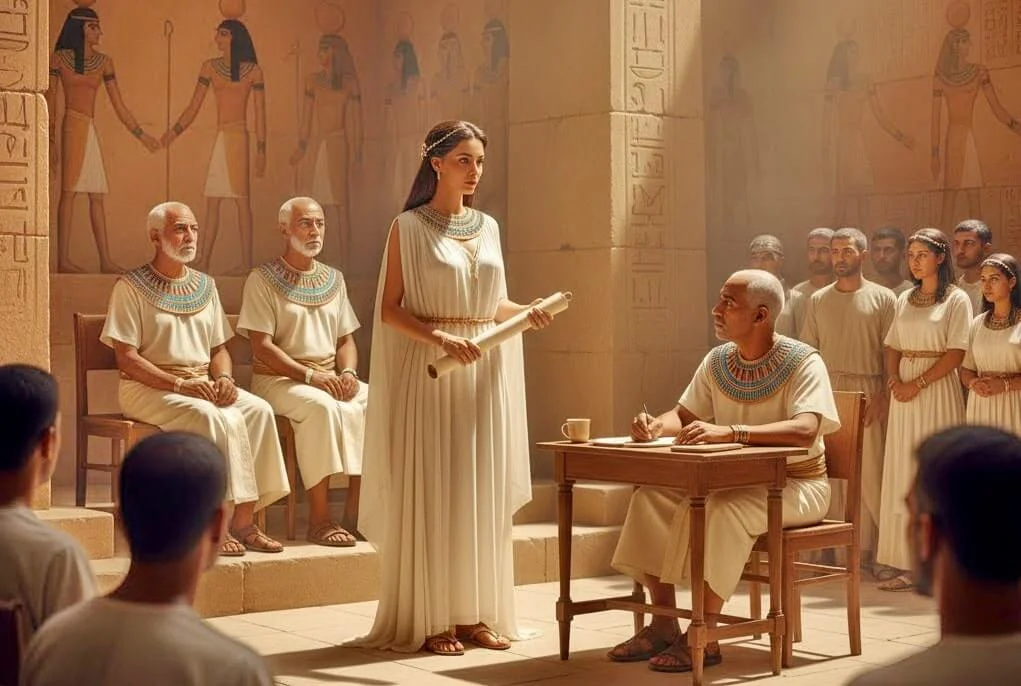
The foundation for a woman’s life was her legal status. In the eyes of Egyptian law, women were the full equals of men.

This wasn’t just a theory. It had practical, daily consequences. The rights of women in ancient Egypt were extensive and powerful:

  • They Could Own Property: A woman could buy, sell, rent, and inherit land, homes, livestock, and slaves. Yes, women could own property in ancient Egypt, and it was hers alone. Her husband could not simply take it.
  • They Could Represent Themselves in Court: A woman could file a lawsuit, defend herself, act as a witness, and sit on a jury. She needed no male guardian or representative, a stark contrast to ancient Greece.
  • They Could Write Wills: Women had full control over their own property and could leave it to whomever they chose, including their daughters.
  • They Had Marital Rights: Women could initiate a divorce and were legally entitled to their share of the couple’s joint property. Many women had “pre-nuptial” agreements, ancient marriage contracts that protected their personal property in case of a split.

This legal independence was the bedrock that allowed women to pursue careers and manage their own wealth.

Golden Scarab

Elite and Religious Roles: The Height of Power

Elite and Religious Roles; The Height of Power

For women in the upper classes, their gender was no barrier to holding positions of immense influence.

The Powerful Priestess in Ancient Egypt

One of the most prestigious ancient Egyptian jobs was serving the gods. A noblewoman could become a priestess in ancient Egypt, a role of great spiritual and worldly power.

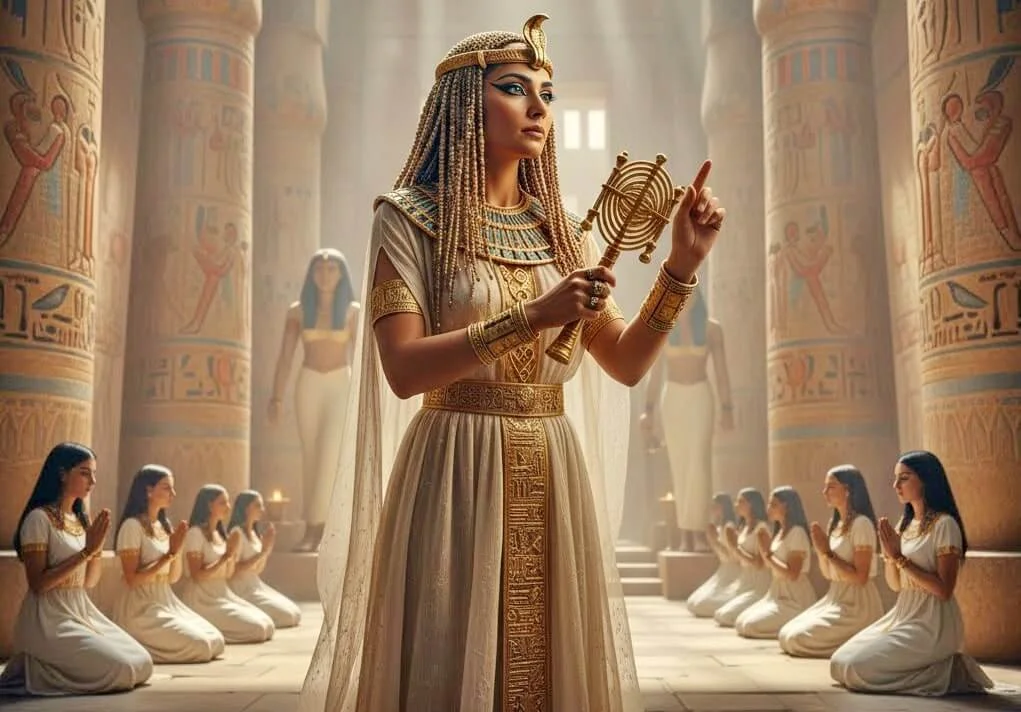
These women were not just ceremonial figures. They managed temple estates, oversaw rituals, and controlled significant wealth. The most powerful religious title a woman could hold was the “God’s Wife of Amun.” This position, based in Thebes, held so much land and economic power that its holder was a political force, second only to the pharaoh.

More commonly, noblewomen served as “Chantresses” or “Musicians” for a specific deity, playing the sacred sistrum (rattle) and singing hymns during festivals.

Women in the Royal Court

At the very top, women could rule. Queens like Nefertiti were not just wives; they were active political and religious partners. And in rare cases, a woman could take the throne. Pharaoh Hatshepsut, for example, ruled for over 20 years as a full king, leading armies and launching massive building projects.

The eye of Horus

The Professional and Skilled Jobs for Women

The Professional and Skilled Jobs for Women

Beyond the temple and palace, women were a vital part of the skilled economy.

Ancient Egyptian Musicians and Entertainers

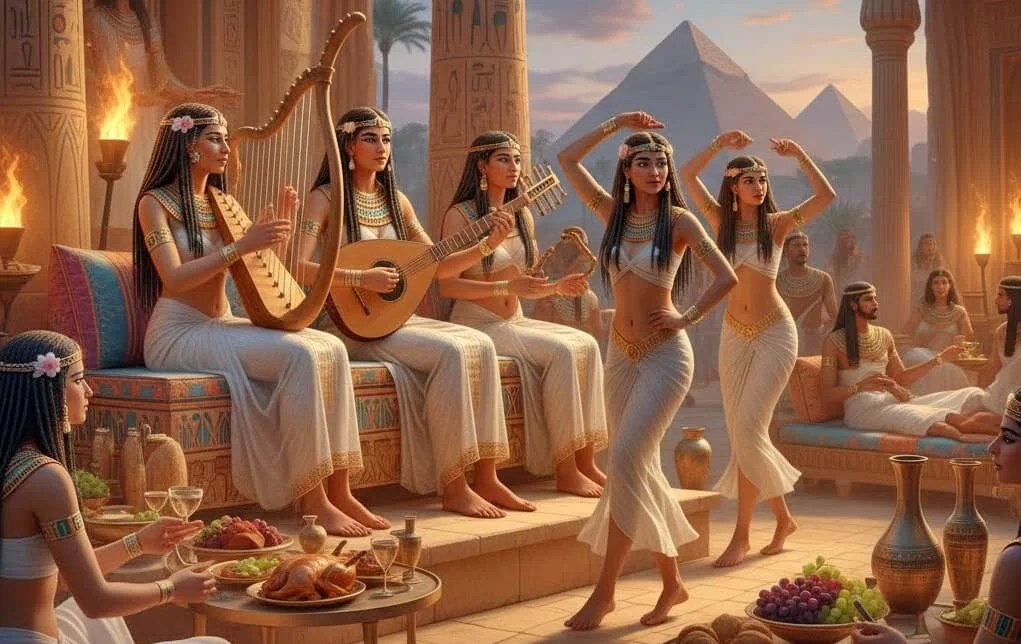
Music and dance were essential to Egyptian life, from religious festivals to rowdy banquets. This field was dominated by women.

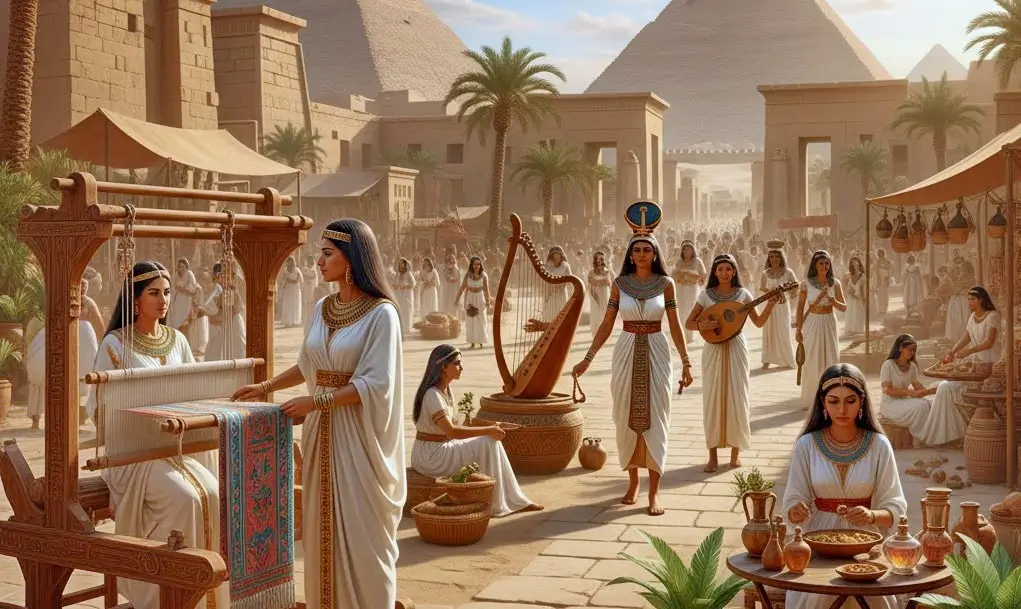
As ancient Egyptian musicians, they were respected professionals skilled in the harp, lute, and flute. Tomb paintings are filled with images of these female music groups. Dancers and acrobats were also in high demand as entertainers. These were not low-status jobs; they were skilled careers.

Weavers and Textile Managers

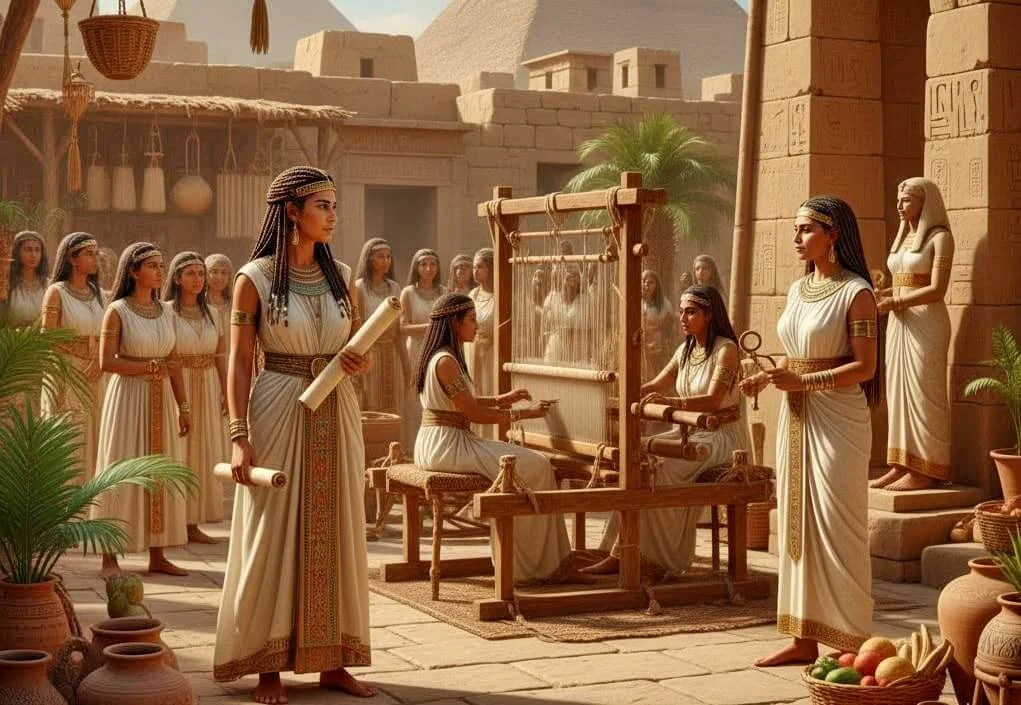
Textile production was one of Egypt’s biggest industries. Fine linen was a key source of wealth, used for clothing, trade, and, crucially, mummy wrappings.

While some men were involved, weaving was overwhelmingly a female-dominated trade. But this was not just a simple craft. Women managed large workshops, overseeing teams of spinners and weavers. They were, in effect, business managers running a key part of the economy.

Divider

The Backbone of the Economy: Jobs for Common Women

The Backbone of the Economy; Jobs for Common Women

Not every woman was a priestess or landowner. The vast majority of women in ancient Egypt were commoners. But they, too, worked and had economic lives.

Managers of the Household Estate

For the wife of a landowner or high official, “managing the household” was not a simple chore. It was one of the most complex jobs for women in ancient Egypt.

She was the CEO of a large estate. She was responsible for:

  • Overseeing food production (farming, baking, brewing beer).
  • Managing all household staff and servants.
  • Controlling the family’s finances, supplies, and storage.
  • Producing textiles for the family’s use.

Because the legal status of Egyptian women was so high, they ran these estates with full authority.

Farmers, Bakers, and Brewers

Among the farming class, women worked alongside their husbands in the fields, especially during the harvest.

But some of the most essential professions were almost entirely run by women: baking and brewing. Bread and beer were the two staples of the Egyptian diet. Women ran local bakeries and breweries, both for their own families and to sell or barter their goods at the market.

Specialized Trades: From Perfume to Mourning

Women also held other skilled trades. They worked as perfume-makers, a luxury trade that required great skill in mixing flowers, herbs, and oils.

And in a unique cultural role, women could be “professional mourners.” These were actresses hired to weep, wail, and throw dust on their hair at funerals. Their job was to publicly display the grief of the family and ensure the deceased had a proper ceremonial send-off.

From farmers to pharaohs, women in ancient Egypt were not just present—they were essential, empowered, and active participants in every part of society.

The eye of Horus

See Their Legacy: A World of Ancient Egyptian Jobs

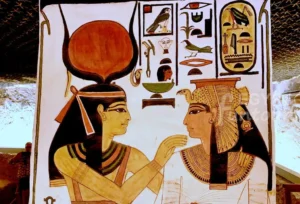
Nefertari tomb qv66 valley queens luxor - 9 Days Egypt Tour Itinerary to The Highlights of Egypt

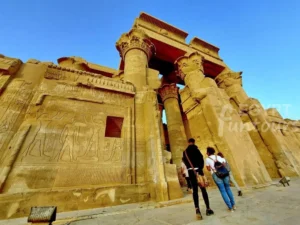
When you visit Egypt’s temples and tombs, you are walking through the very places these women lived and worked. The carvings on temple walls don’t just show kings; they show the priestesses, musicians, and queens who shaped Egypt’s history.

With Egypt Fun Tours, our expert guides can bring these stories to life. We don’t just show you the monuments; we show you the people behind them. Let us guide you through the temples of Hatshepsut or the tombs in the Valley of the Queens, where the legacy of these powerful women is carved in stone.

Divider
12 Days Solo Woman Tour Package (Queen Cleopatra)

Mohamed is Very Kind Person

Mohamed. I just want to thank you again for your kindness. You made our trip memorable. Give your family and the Egypt Fun Tours crew all my love and thank them again for me. Take care. Enjoy the season! Love. Linda

More »

Great shore excursion of Cairo & Giza

We are glad that we arranged our private shore excursion with Egypt Fun tours in last week of October 2012. Booking process was very easy with Hamada and she took care of all our questions promptly just via E-mail. Our group was little worried about safety in Egypt especially because

More »

Like two days of touring in one day!

I had a 12 hour stay in Cairo- and had made no plans on how to spend it until 8pm the night before departure. I emailed Egypt Fun Tours in a panic and they responded immediately. They made it incredibly easy to arrange a tour and we made arrangements via

More »

Day Trip to Alexandria

An enjoyable drive from Cairo to Alexandria. It was an enriching trip. I learnt so much history about the ancient civilisation. The tour guide explained the history of each site we visited. There is so much to see. I would definitely highly recommend visiting Alexandria. It’s rich in history. The

More »
group tour of wonders

Solid Tour Company

Last year (2010) my wife and I did a 20 day trip in Egypt, mostly Do-It-Yourself. However, one of the first things we did was a trip to Bahariya oasis and to the White Desert — not so easy to do yourself, so we needed an agency. After e-mail back-and-forths

More »
God_Anubis_Icon

Top-rated Tour Packages

God_Anubis_Icon
WhatsApp
Email
Print