
Papyrus in Ancient Egypt: The Plant That Revolutionized Writing
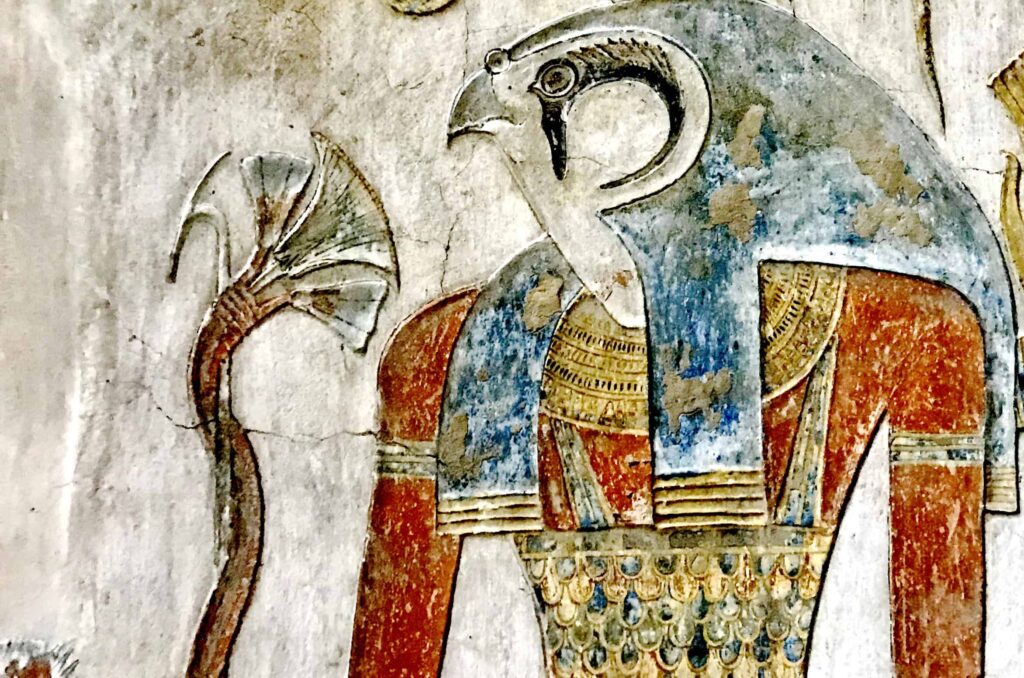
Long before the invention of modern paper, the Ancient Egyptians cultivated the Cyperus papyrus reed along the lush Nile Delta to create one of history’s most enduring technologies. While famous for preserving the secrets of the Pharaohs on scrolls, this versatile plant was also the backbone of daily life, used to craft everything from sandals and mats to river boats. Explore the fascinating history and the meticulous process behind the medium that allowed Egyptian civilization to record its own greatness.
The Sacred Lotus Flower in Ancient Egypt: Symbol of Creation and Rebirth
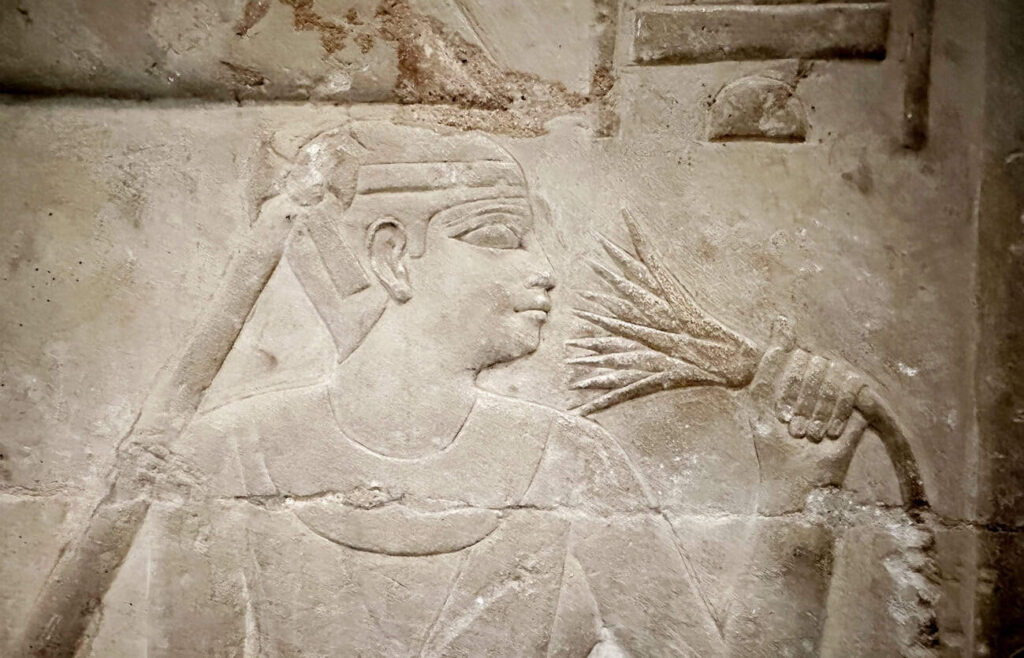
The Ancient Egyptian Lotus Flower (primarily the Blue Lotus, Nymphaea coerulea, and the White Lotus, Nymphaea lotus) was far more than a simple aquatic plant—it was a powerful symbol central to Egyptian religion, cosmology, and art. Revered for its ability to close its petals at night and re-emerge at dawn, the lotus represented creation, rebirth, and the rising sun. This cycle linked it directly to the sun god, Ra, and the primeval waters of Nun, where the world was believed to have originated. Its presence in temples, tombs, and banquets symbolized the eternal life and the promise of resurrection, making it one of the most significant floral motifs in Pharaonic civilization.
The Egyptian Cartouche: Symbol of Royalty and Eternal Protection
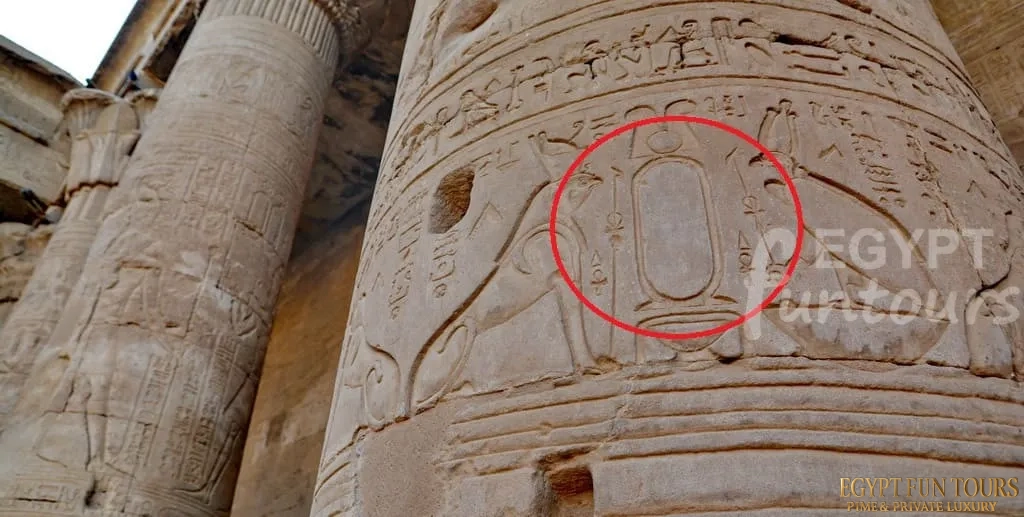
Uncover the meaning of the ancient Egyptian cartouche, one of the most iconic symbols from the pharaonic era. Discover how this oval ring, representing a loop of rope with its ends tied, was used to frame and protect the sacred royal names of kings and queens. Learn why this powerful symbol was essential for a pharaoh’s identity and their journey to eternal life.
The Djed Pillar: Symbol of Stability, Duration, and the God Osiris
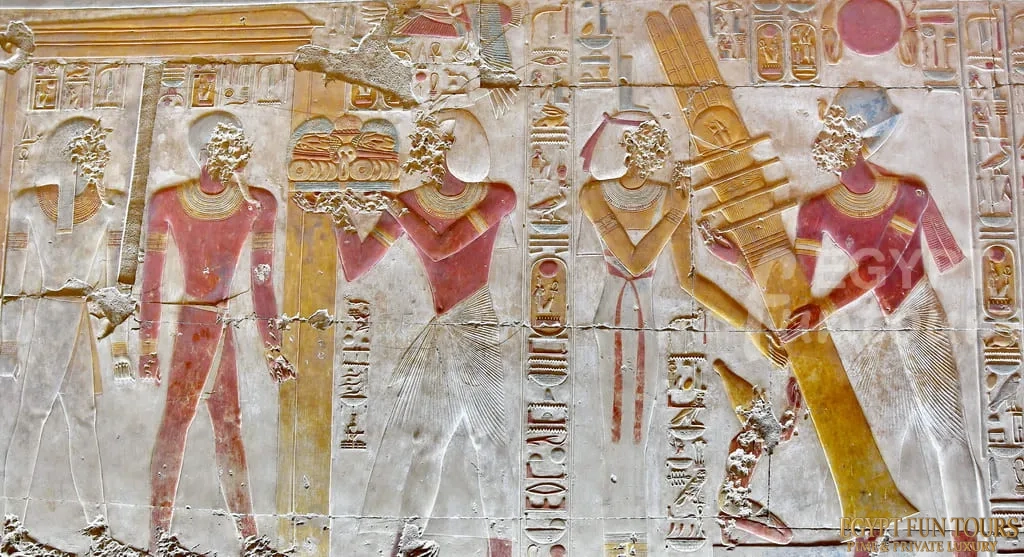
The Djed Pillar served as one of the most vital and pervasive symbols in Ancient Egypt, representing the core concepts of stability, duration, and cosmic order (Ma’at). Mythologically, it symbolized the backbone of the god Osiris, recovered and stabilized after his murder by Seth, thus becoming the ultimate guarantee of resurrection and eternal life. This powerful meaning extended to state rituals, notably the annual “Raising the Djed” festival, where the Pharaoh ceremonially erected the pillar to renew his reign and re-establish national stability. The pillar was essential in funerary practices, with Djed amulets placed on mummies to ensure the deceased’s physical integrity. Its integration into architecture, where it served as actual temple columns, solidified its role as the symbolic and spiritual backbone of Egyptian civilization itself.
The Eye of Horus: Symbol of Protection, Healing, and Mathematics
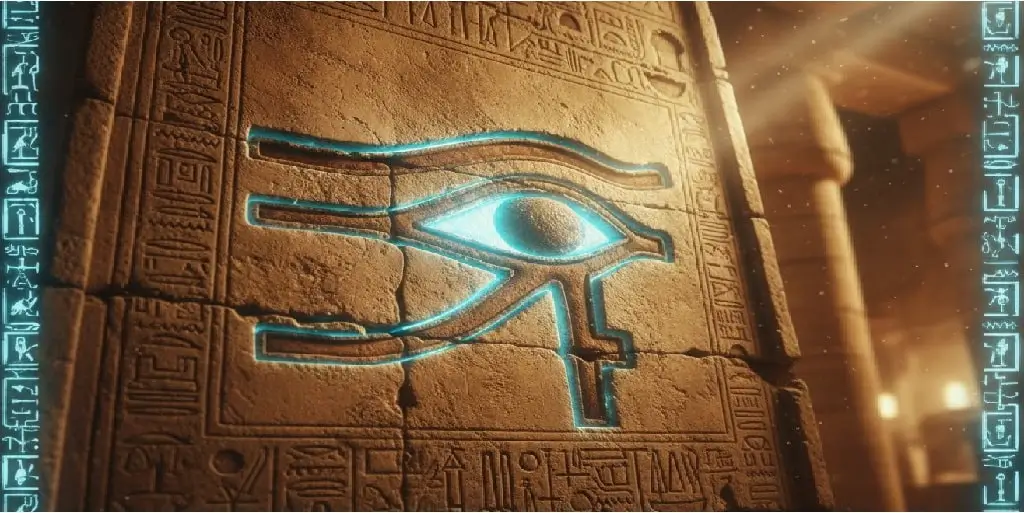
Unlock the secrets of the Eye of Horus (Wadjet), ancient Egypt’s ultimate symbol of protection and healing. This guide explores the dramatic myth of how Horus lost his eye to Seth and regained it through magic, symbolizing restoration and sacrifice. We decode the hidden mathematics behind the symbol—representing the “six senses” and the first six powers of two—and reveal why this 3,000-year-old icon remains a powerful talisman against negative energy in the modern world.
The Ankh Symbol: Hieroglyphic Meanings, Origins, and the Key of Life
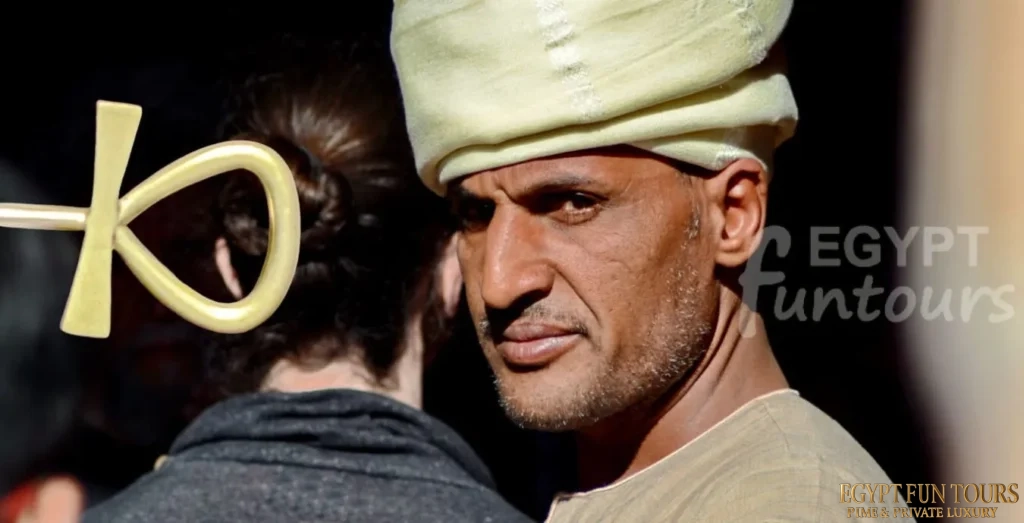
The Ankh is arguably ancient Egypt’s most recognizable symbol, instantly identifiable by its unique shape resembling a cross with a loop at the top. As the Egyptian hieroglyph signifying “life,” it represented more than just mortal existence; it embodied the complex concepts of eternal life, immortality, and the divine vitality of the universe. In tomb art and temple reliefs, gods and goddesses are frequently depicted holding the Ankh by its loop, offering it to the nostrils of pharaohs to symbolically bestow the “breath of life.” Worn as a protective amulet by the living and placed in tombs to ensure safe passage to the Afterlife, the Ankh remains an enduring emblem of cosmic power.
Decoding the Eye of Ra: Power, Protection, and Prophecy
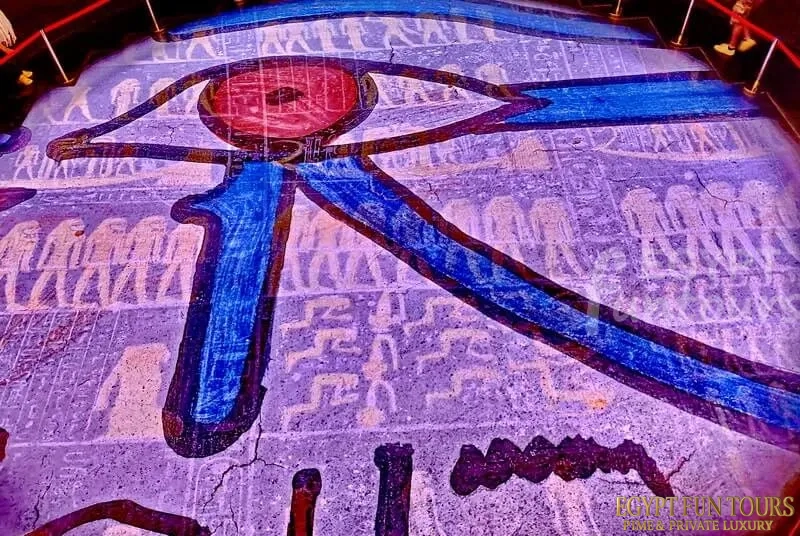
The Eye of Ra is a powerful symbol in Egyptian mythology, representing both the destructive and protective power of the sun god, Ra. This distinct emblem is often personified as a goddess like Sekhmet or Hathor and serves as an independent extension of Ra’s will. Unlike the Eye of Horus, which symbolizes healing and protection, the Eye of Ra embodies divine authority and the fierce energy of the sun. It was widely used in ancient Egypt as a powerful amulet to ward off evil and ensure cosmic order.
The Pyramid of Hawara: Amenemhat III’s Mud-Brick Marvel
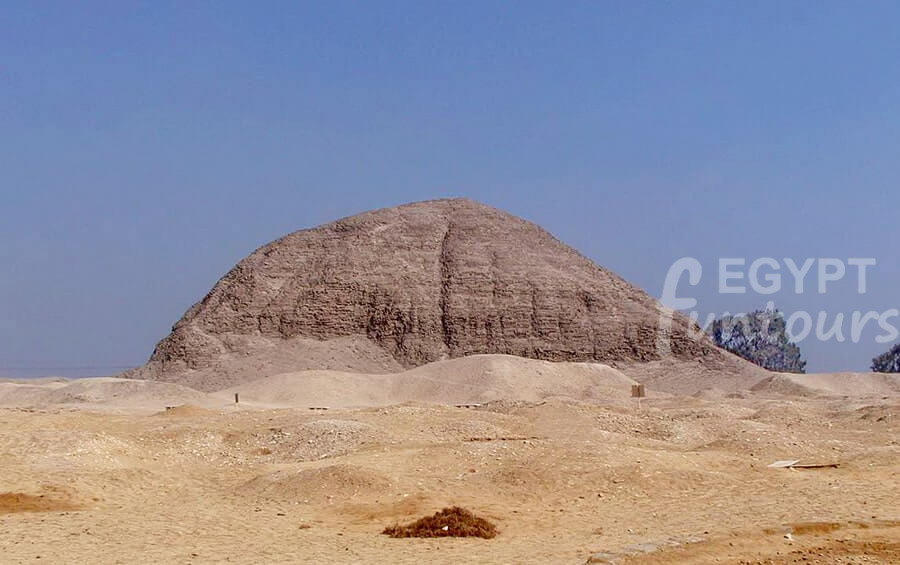
Discover the Pyramid of Hawara, the 12th Dynasty tomb of Pharaoh Amenemhat III, located in the Faiyum oasis. While the mud-brick pyramid itself is now heavily eroded, it is famous for its massive, attached mortuary temple. This legendary complex, known as the “Labyrinth,” was described by Herodotus as a 3,000-room wonder that surpassed the Giza pyramids.
The Waterwheels of Fayoum: Egypt’s Ancient Irrigation Icons
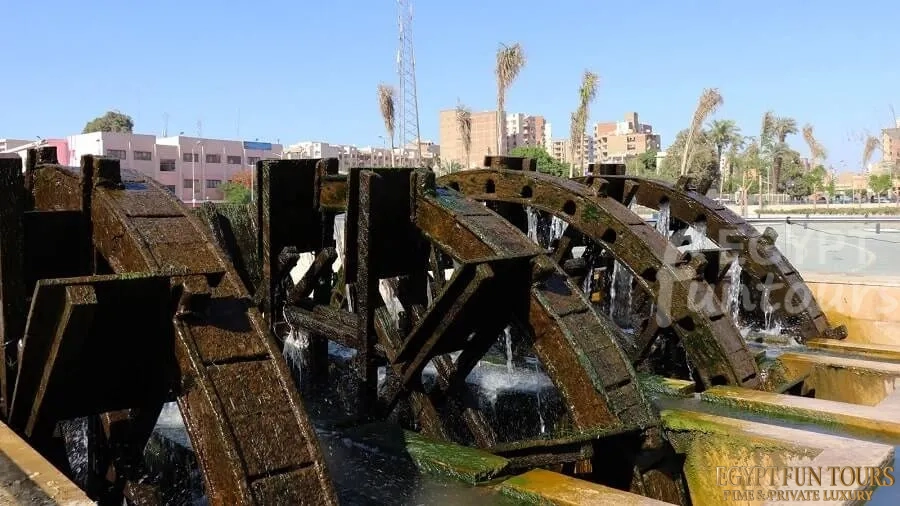
Discover the Waterwheels of Fayoum, an ancient irrigation system of over 200 wooden wheels introduced in Ptolemaic Egypt. Learn how these iconic ‘sakias’ still turn today, lifting Nile water to green the oasis with their distinctive, groaning sound.
Fayoum’s Petrified Forest: A 35-Million-Year-Old Prehistoric Landscape
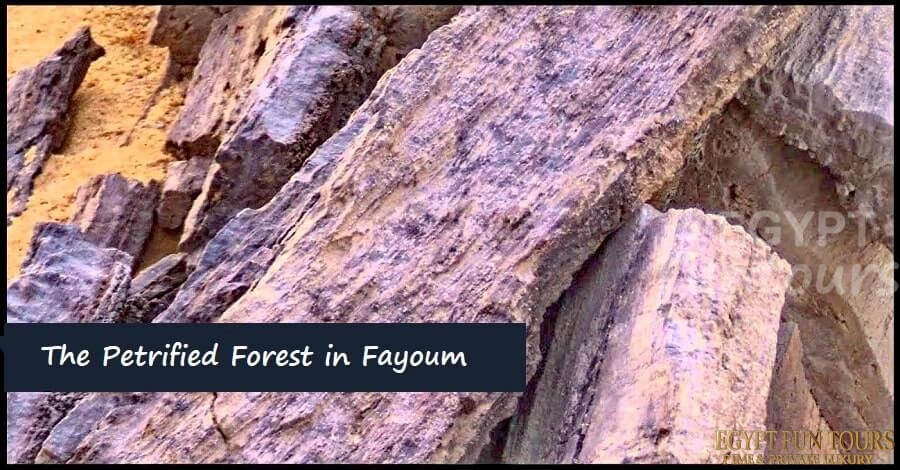
Journey back 35 million years at the Petrified Forest in Fayoum, a vast open-air museum in the Gabal Qatrani protectorate. This is not a forest but a desert landscape scattered with hundreds of massive, stone-like logs, some over 40 meters long. Once a lush, subtropical swamp, this site’s fossilized trees and priceless prehistoric mammal fossils offer a unique window into Egypt’s ancient past.
Discovering Gabal Qatrani: Fayoum’s 35-Million-Year-Old Fossil Mountain
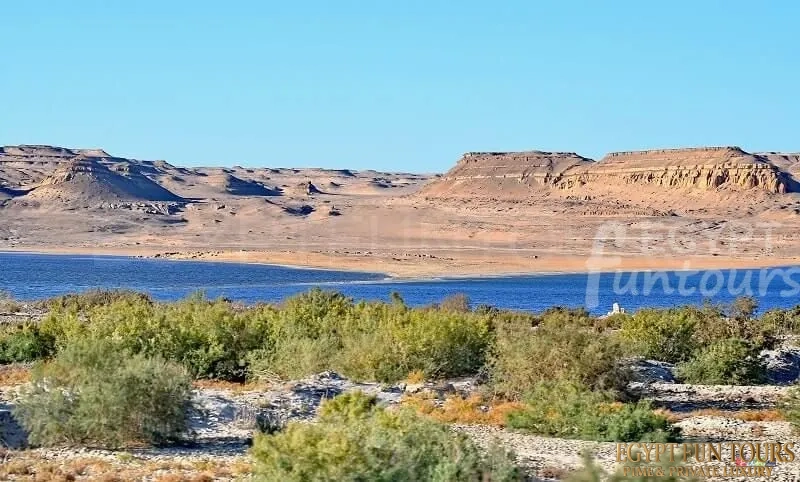
Discover Gabal Qatrani in Fayoum, a 350-meter-high mountain and UNESCO-listed site just north of Lake Qarun. This geological wonder is one of the world’s richest fossil beds, holding 30-million-year-old remains of early whales, primates, and elephants. Hike to its summit for stunning desert vistas, explore the open-air museum, and camp under a brilliant starry sky in a landscape where prehistory comes to life.
The Unfinished Mystery: A Guide to Qasr El Sagha, Fayoum’s Lost Temple
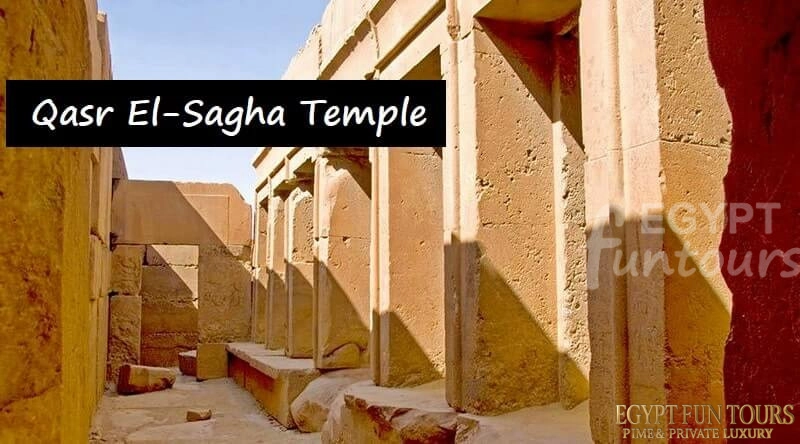
Journey deep into the Fayoum desert by 4×4 to discover Qasr El Sagha, a 4,000-year-old unfinished temple. This mysterious “Goldsmiths’ Palace” is an ancient puzzle, built with massive, irregular stones fitted with perfect precision yet mysteriously left blank with no hieroglyphs. Explore its silent main hall, seven enigmatic shrines, and the nearby ancient quay that once served a prehistoric lake, all standing in remote, dramatic isolation.