The Mastaba of Mereruka: Inside Saqqara’s “Palace of the Dead”
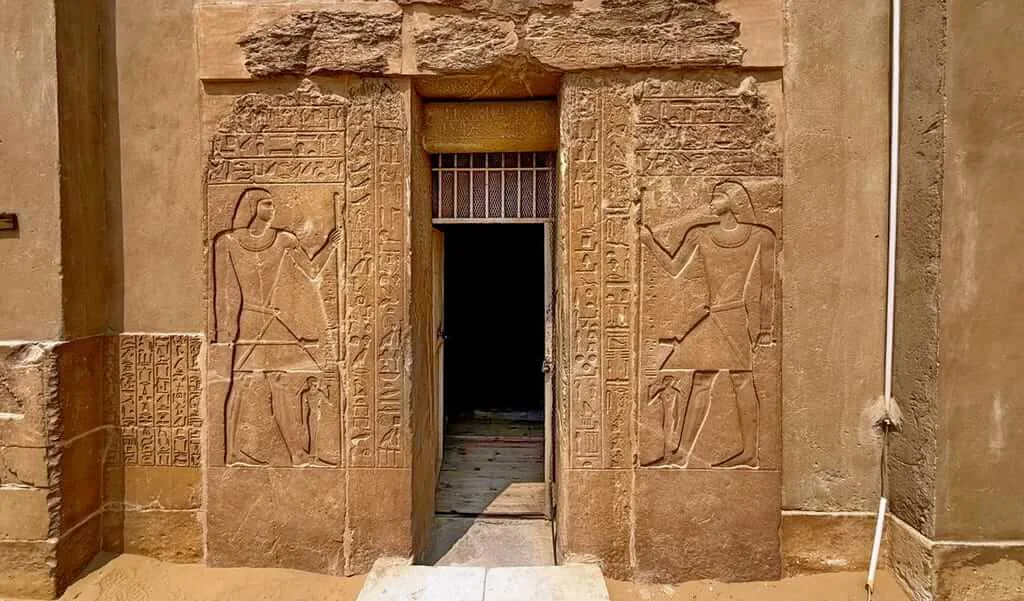
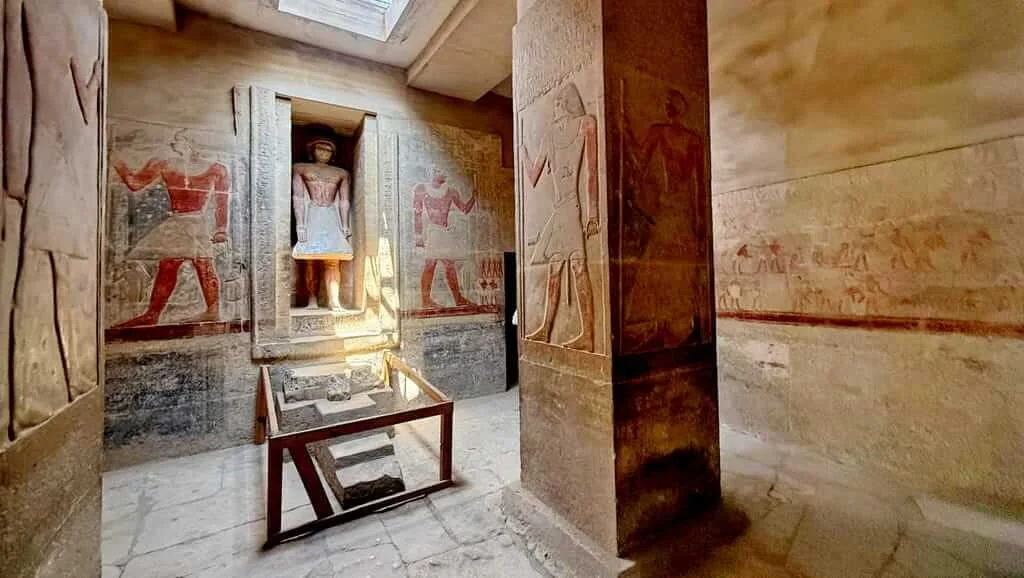
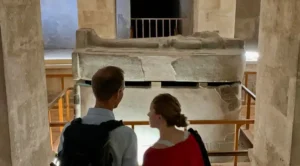
The royal pyramids of Saqqara showcase the Pharaohs’ divine ambitions, but the Mastaba of Mereruka reveals the vibrant reality of Egypt’s golden age. Egyptologists often call this monument a “palace for the afterlife.” It remains the largest and most sophisticated non-royal tomb in the entire Saqqara Necropolis.
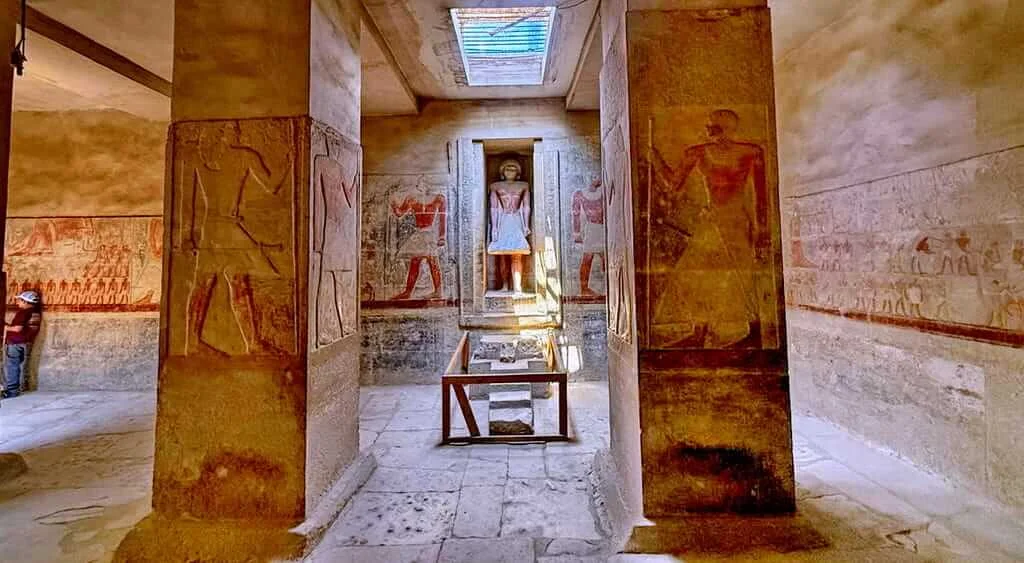
Mereruka served as the Vizier (Prime Minister) and son-in-law to King Teti during the 6th Dynasty (c. 2345–2333 BCE). His immense political power and royal marriage earned him a rare privilege: the right to build a sprawling complex of 32 chambers. This massive scale far exceeds any other noble tomb of the era.
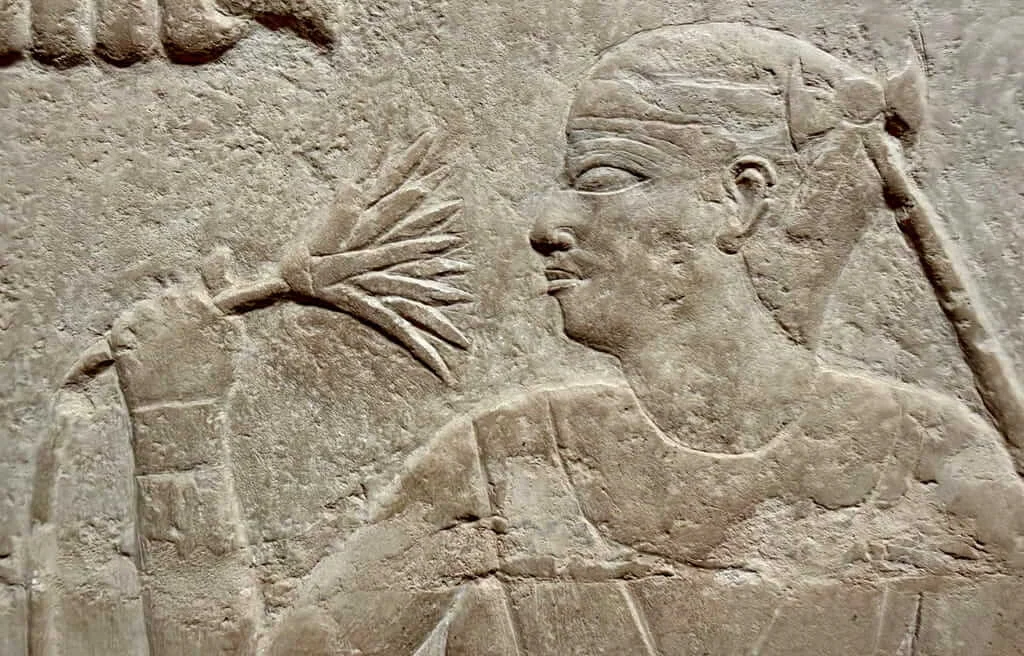
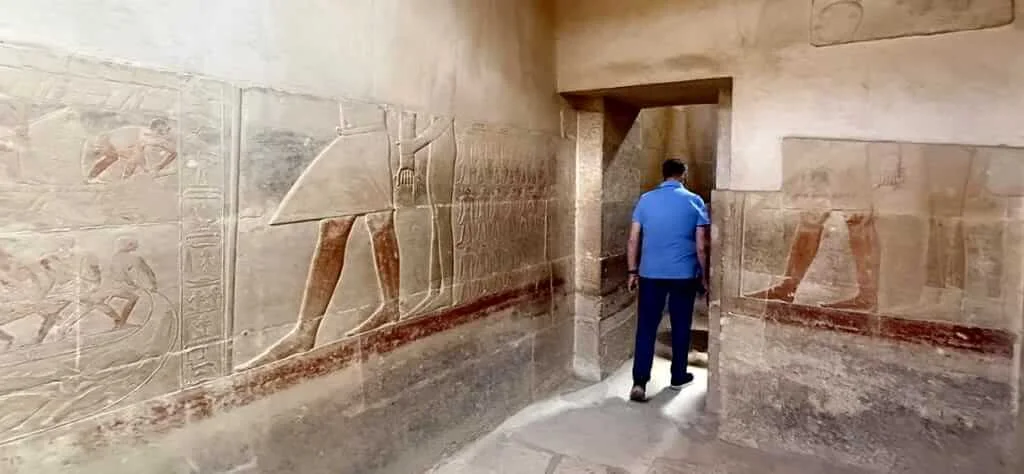
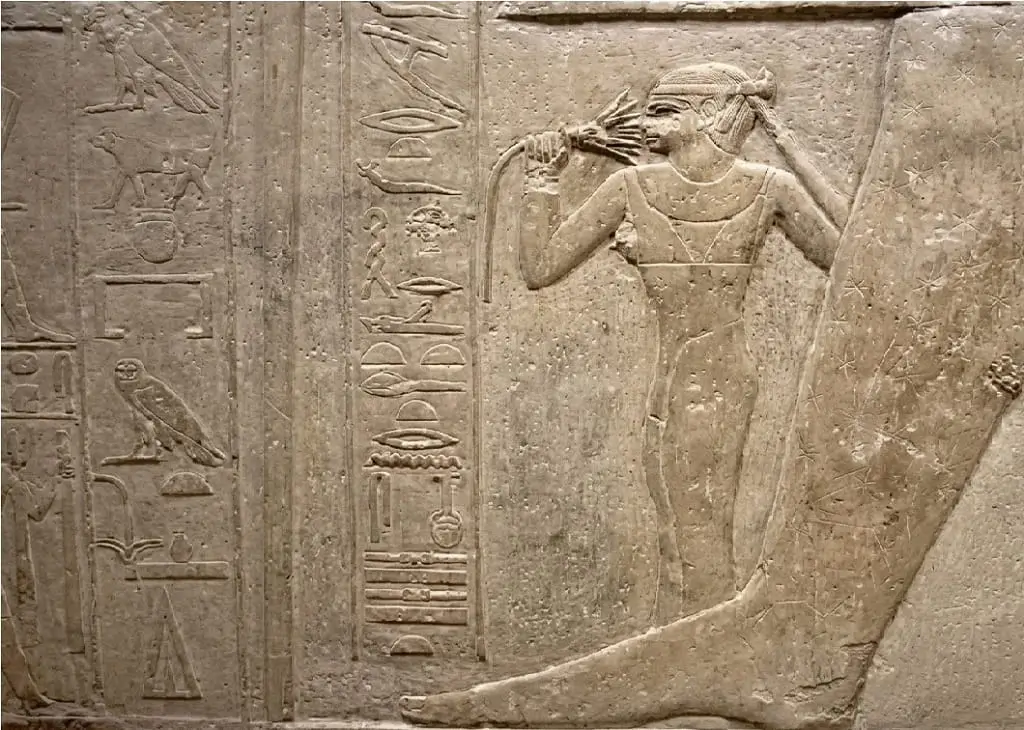
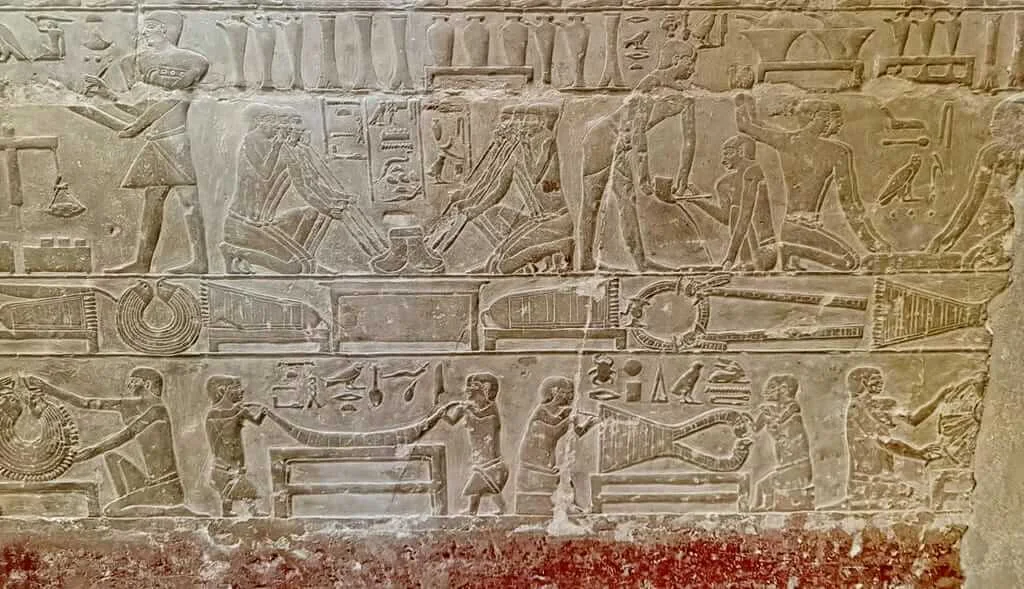
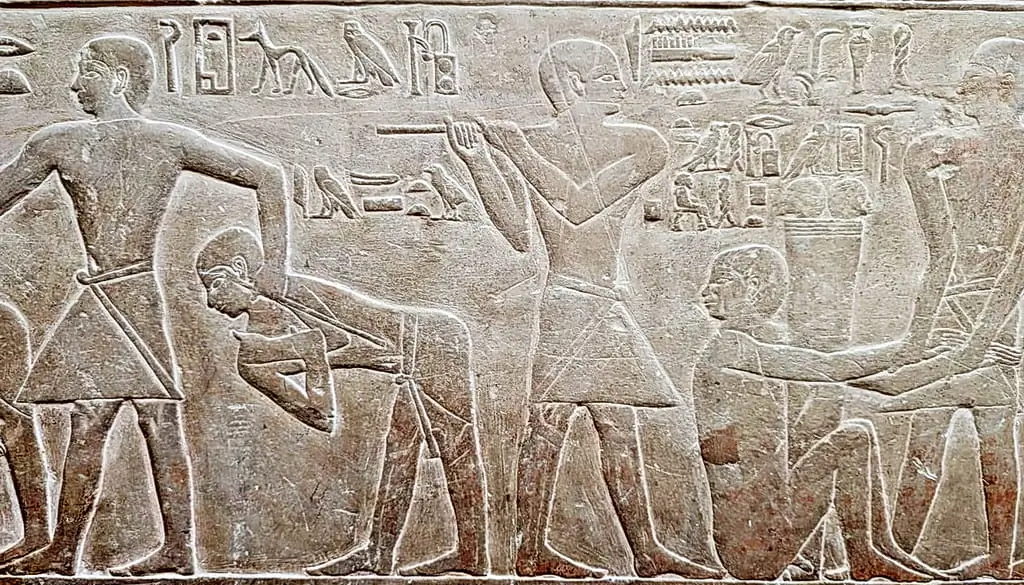
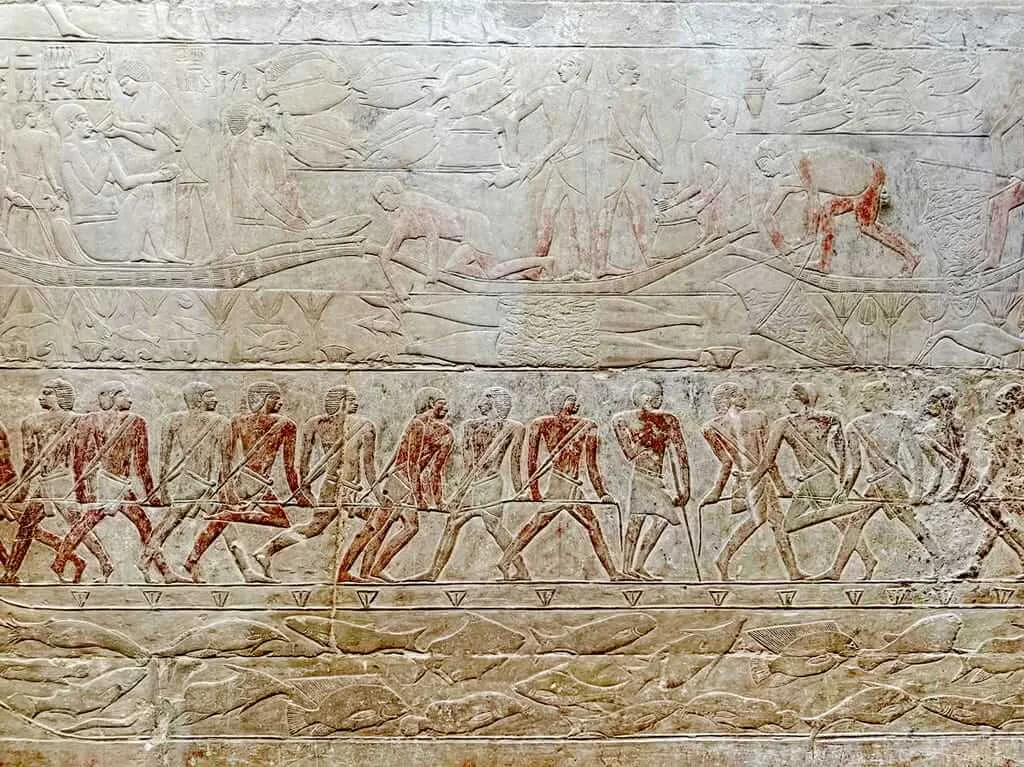
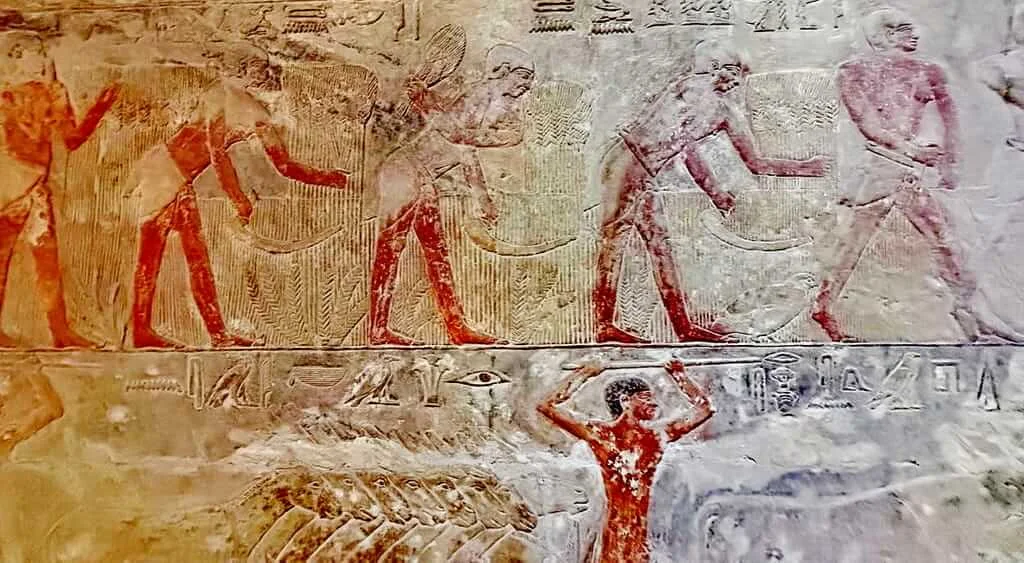
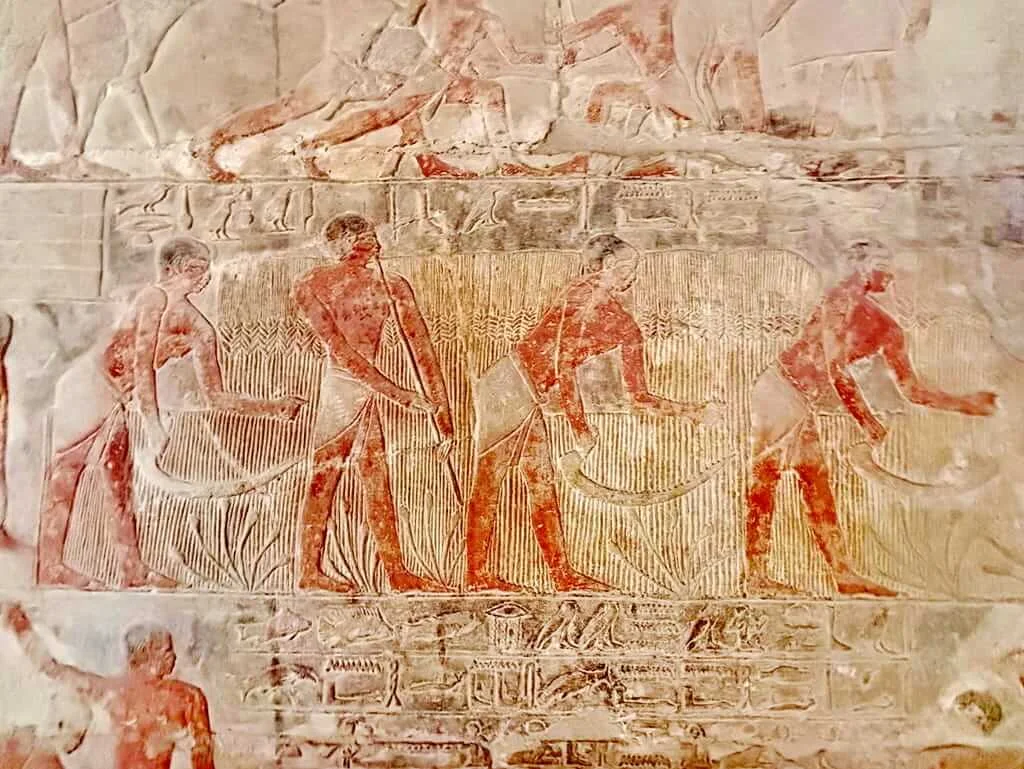
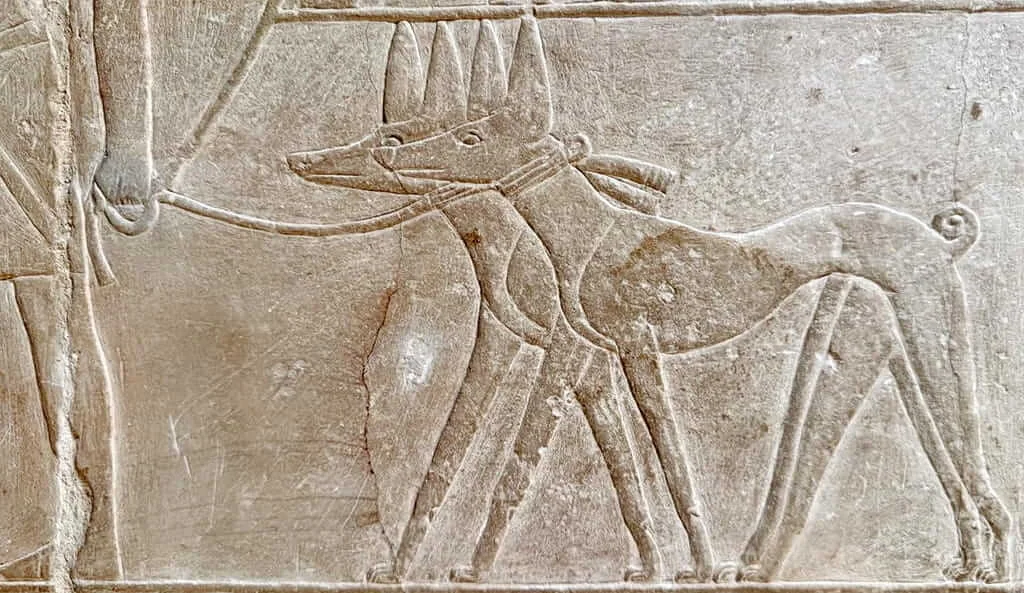
For modern travelers and historians, the Mastaba of Mereruka functions as a stone documentary. Its walls replace the “static” history of the pyramids with the energy of daily life. You see chaotic hippopotamus hunts in the Nile marshes and the stern administration of ancient justice. In 2026, new digital restoration projects are uncovering the original, vivid colors of these reliefs. This makes a visit to Mereruka’s tomb more essential today than ever before.
In this guide, we step inside the 32 chambers. We explore the life of the man who ran Egypt, the architectural genius of his family tomb, and the hidden details of the masterpieces that define the “Giza of Noble Tombs.”