Saqqara Noble Tombs: The Eternal World of the Ancient Egyptian Elite

Discover the hidden history of the Saqqara noble tombs, where the ancient Egyptian elite built "houses of eternity" to preserve their legacy and status. This deep-dive exploration examines the architectural evolution of these mastabas and rock-cut chambers, revealing how powerful viziers and officials meticulously designed their final resting places to reflect the life they loved. By uncovering the artistry, daily life scenes, and profound spiritual symbolism etched into these walls, you will gain a unique perspective on the human experience and the quest for immortality that defined the Memphite necropolis.
The eye of Horus
WhatsApp
Email
Print

Saqqara’s sands hold the true history of Egypt’s capital. The Step Pyramid of Djoser captures most eyes, but the real story of the Saqqara noble tombs hides beneath the surface. Noble residents built ornate chambers and mudbrick mastabas throughout the necropolis. These tombs functioned as houses of eternity. They preserved the status and daily lives of high-ranking officials and priests.

The vizier Mereruka built a massive complex filled with scenes of labor and leisure. Nearby, the tombs of the New Kingdom offer a stark, military-focused elegance. These spaces provide an unmatched lens into the human experience of ancient Egypt. We can now study what these leaders valued. They prioritized family, work, and their place in the cosmic order. This deep-dive exploration goes beyond the standard tour route. We will examine the unique designs that allowed these nobles to claim their own version of immortality. By studying the Saqqara noble tombs, we finally see how these leaders mirrored the life they loved on the banks of the Nile.
Divider

Saqqara Noble Tombs: The Evolution of Tomb Architecture

The nobles tombs in Saqqara - Tour from Cairo Airport

Ancient Egyptians viewed death as a transition, not an end. The design of the Saqqara noble tombs reflects this belief through constant innovation. Early officials chose simple, rectangular structures known as mastabas. These mudbrick buildings provided a base for the deceased. They contained a central shaft leading to a hidden burial chamber deep underground.

As the Old Kingdom progressed, these structures grew in complexity. Nobles began to decorate the interior walls with elaborate reliefs. They wanted to ensure their legacy lived on through stone. Architects introduced the “palace façade” design to these tombs. This style mimicked the grand look of royal residences. It created a powerful link between the elite official and the king.

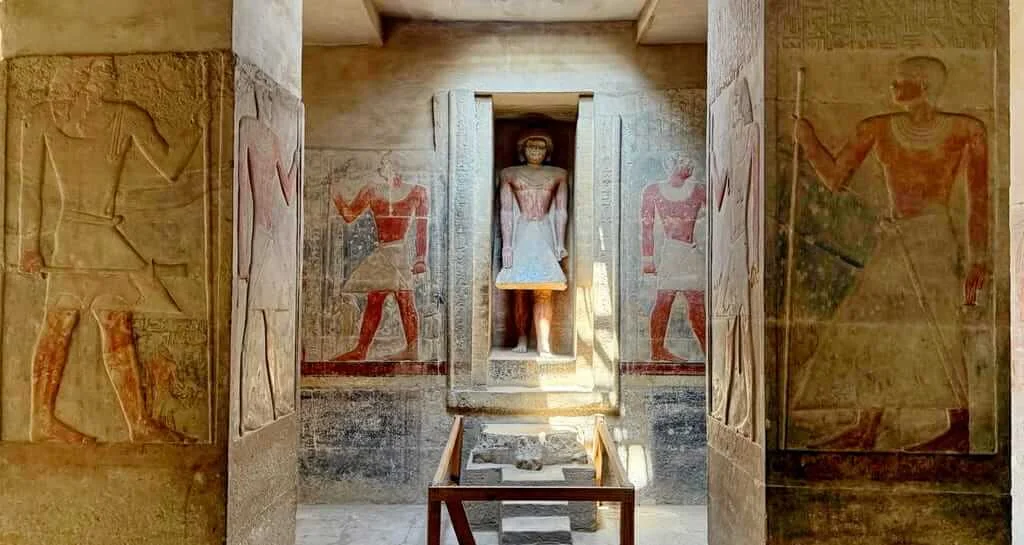
The transition to rock-cut tombs defined the later periods. Builders carved these structures directly into the limestone cliffs of the plateau. This shift allowed for deeper, more intricate room layouts. It also provided better protection against tomb robbers. Each tomb now included a specialized “False Door.” This served as the spiritual portal for the deceased to enter the world of the living. Finally, the serdab emerged as a critical element. This sealed chamber held the statue of the tomb owner. It allowed the spirit to receive offerings long after the physical body had perished.

Golden Scarab

Spotlight on Must-See Saqqara Noble Tombs

The Mastaba of Mereruka; A Comprehensive Guide to Saqqara’s Grandest Noble Tomb

The necropolis at Saqqara houses numerous elite burials, but a few stand out for their artistic quality and historical preservation. Visiting these Saqqara noble tombs provides a direct connection to the Old Kingdom’s administration and culture.

Saqqara Noble Tombs: Exploring the Tomb of Mereruka

The Mastaba of Ti vs. The Mastaba of Mereruka

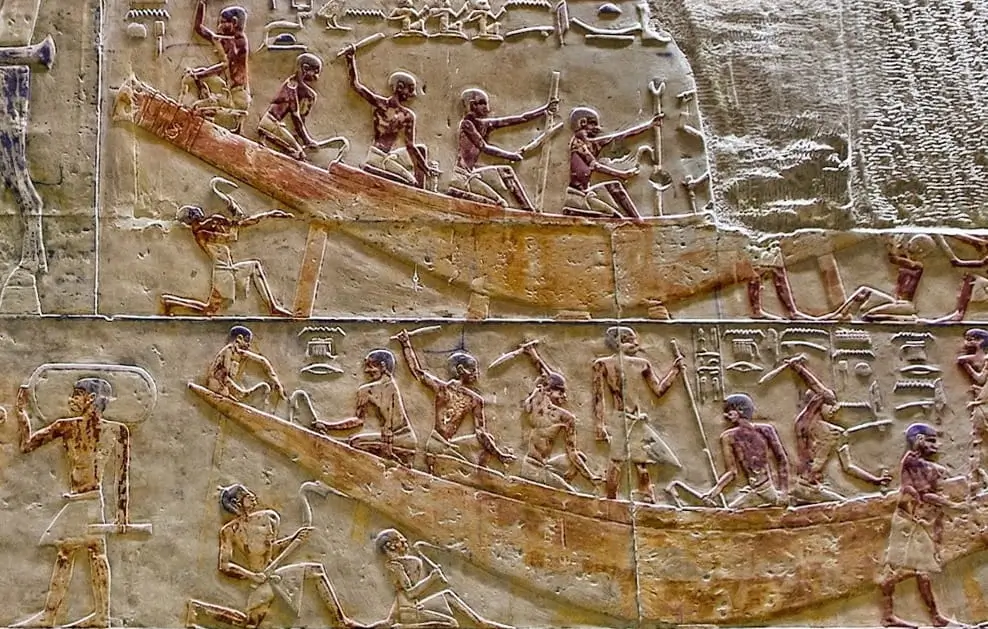
The Tomb of Mereruka remains the largest and most impressive of all the private burials at the site. It features 33 interconnected rooms that reveal the life of a powerful vizier under King Teti. The wall reliefs offer a rich look at daily life, including hunting, fishing, and metalworking. These detailed scenes helped ensure the deceased maintained his status in the afterlife.

Saqqara Noble Tombs: Artistic Mastery in the Tomb of Kagemni

The Mastaba of Kagemni; The Ultimate Guide to Saqqara’s Artistic Masterpiece

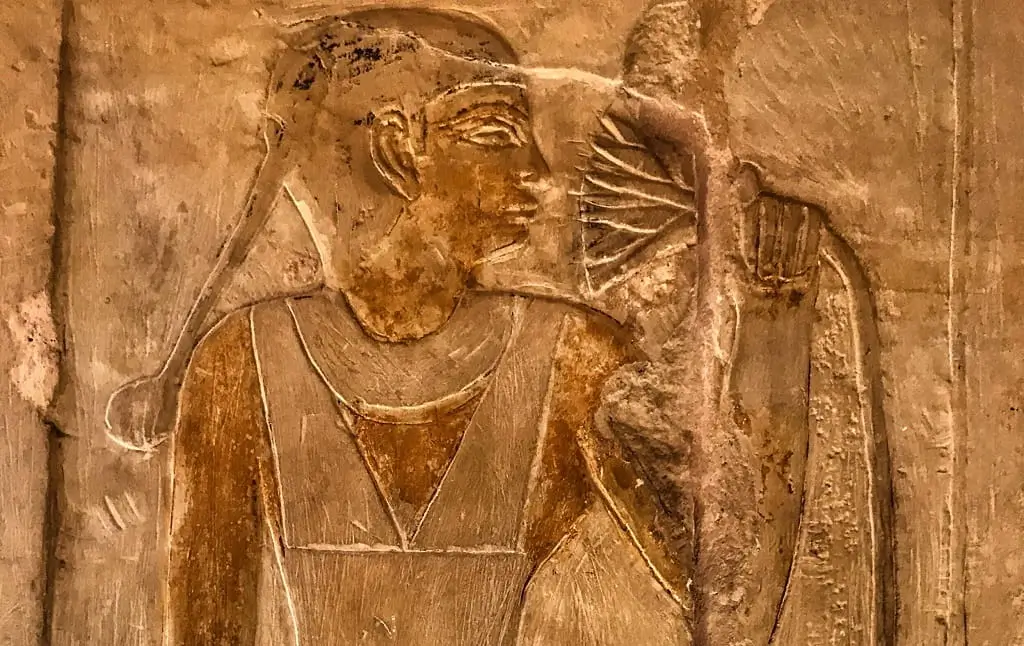
Located near the pyramid of Teti, the Tomb of Kagemni is famous for its bright, well-preserved reliefs. Kagemni served as a high-ranking vizier, and his tomb reflects his immense wealth. The carvings here are renowned for their exceptional detail, particularly the depictions of birds and aquatic life. Many visitors consider this one of the most beautiful Saqqara noble tombs due to the clarity and elegance of its wall art.

The Miniature Palace: Tomb of Merefnebef

The Tomb of Merefnebef at Saqqara A Complete Guide to the Vizier’s Masterpiece

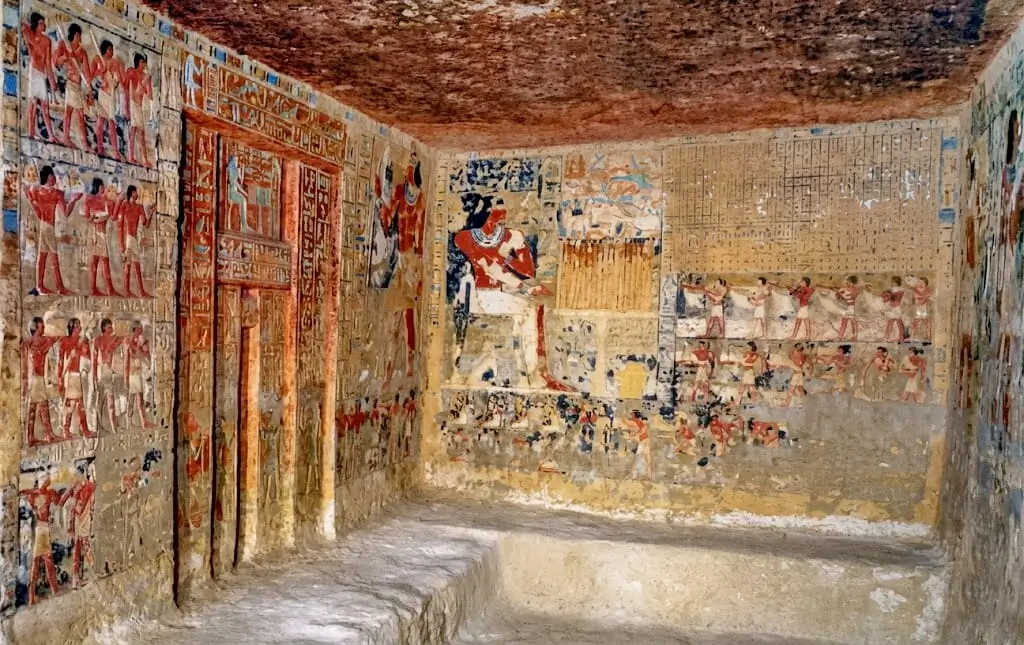
This tomb offers a unique experience, as it feels like a miniature underground palace. Archaeologists discovered it relatively recently, and it showcases the evolution of Sixth Dynasty artistic style. The reliefs display high-quality craftsmanship, featuring vivid colors and clear representations of the official’s family members. It serves as a perfect example of how elite burial architecture became more refined over time.

The eye of Horus

The Art of the Afterlife: Themes & Symbolism in Saqqara Noble Tombs

The artistic programs within these burial chambers serve a purpose far beyond mere decoration. They acted as a magical blueprint for the survival of the deceased. By examining the Saqqara noble tombs, we can decode the complex visual language used by ancient Egyptians to secure eternal provision and maintain Ma’at, or universal order.

Saqqara Noble Tombs: Narrative Reliefs and the Preservation of Daily Life

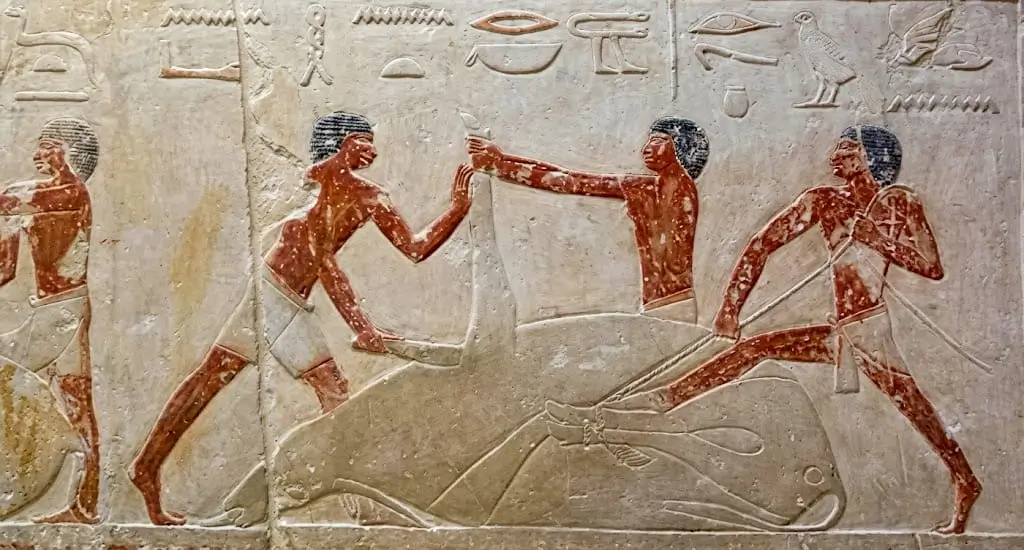
The Tomb of the Butchers; A Masterpiece of Daily Life in Saqqara

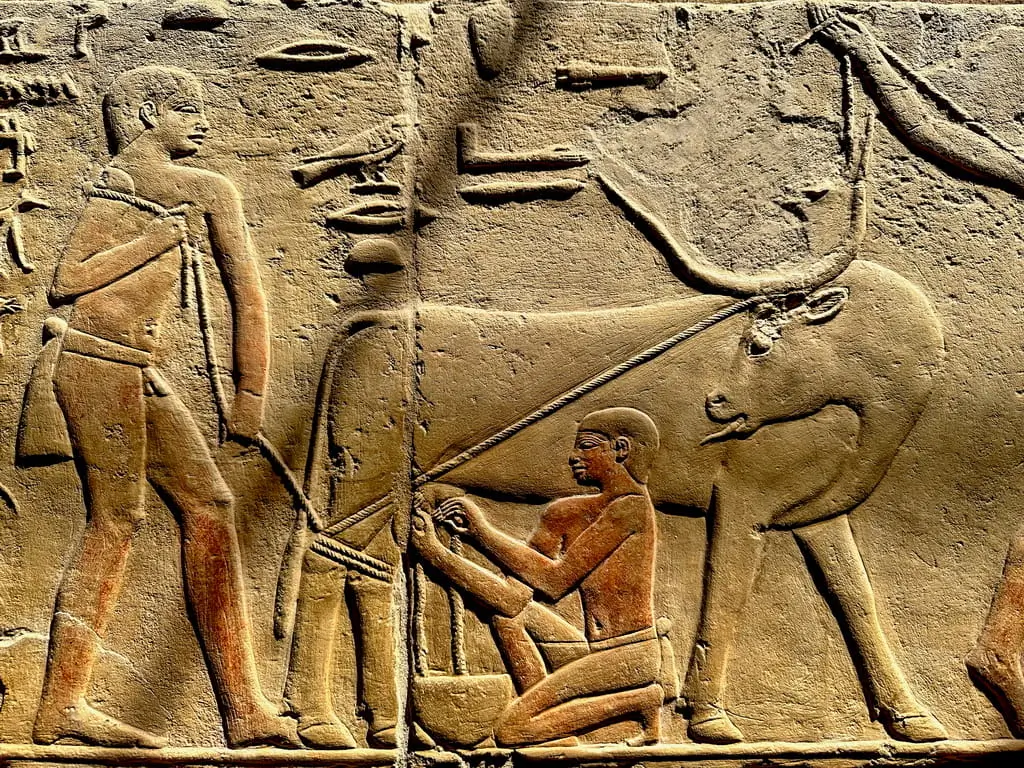
Ancient artists filled the walls of the mastabas with vibrant scenes from everyday life. These images were not meant to be simple memories. Egyptians believed that by carving an object or a person into stone, they brought that subject into eternal existence. When we look at the Saqqara noble tombs, we see meticulous depictions of agricultural cycles, banquets, and workshops. These reliefs ensured that the deceased would always have access to food, music, and skilled labor in the afterlife.

Saqqara Noble Tombs: From Earthly Labor to Divine Rituals

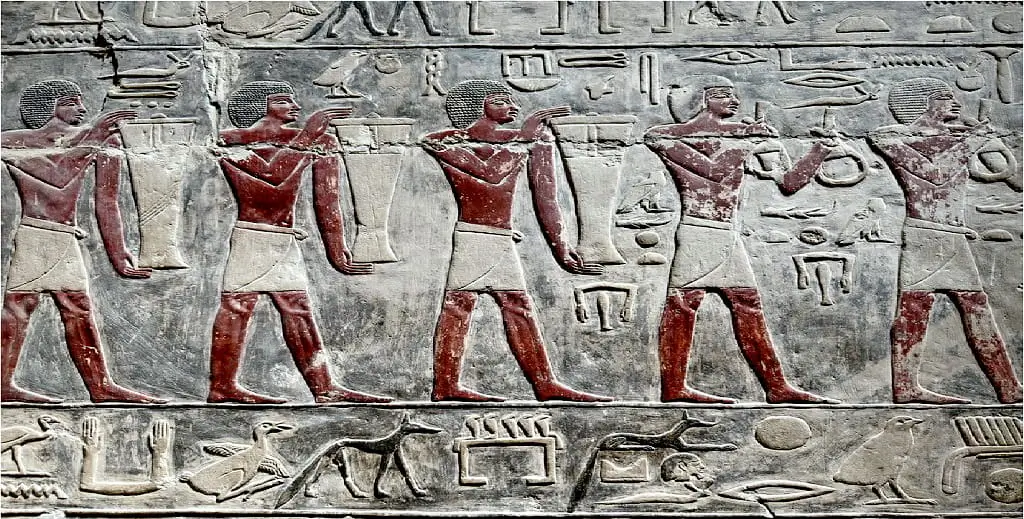
As we move through these corridors, the themes shift from the tangible to the divine. Early chambers often focus on the official’s professional accomplishments and his role in the royal court. However, deeper sections of the tombs transition into heavy religious iconography. This includes scenes of offering rituals, where family members and priests present gifts to the deceased. This transition reflects the elite’s desire to move beyond their worldly identity and secure a permanent place among the gods.

Saqqara Noble Tombs: The Symbolic Power of the False Door

Saqqara Noble Tombs The Symbolic Power of the False Door

The “False Door” stands as the most critical element of the artistic program. It acted as the physical threshold between the living and the dead. The deceased’s spirit, or Ka, was believed to travel through this stone door to receive the offerings placed by visitors. In the Saqqara noble tombs, these doors are often the most ornate parts of the entire structure. They contain intricate carvings of the deceased’s name and titles, ensuring that his legacy would be spoken—and thus kept alive—for eternity.

Divider

Archaeology & Conservation Challenges of Saqqara Noble Tombs

Saqqara’s Modern Renaissance The Global Impact of the Discovery

The ongoing excavation of the Saqqara noble tombs provides a glimpse into a world that is still revealing its secrets. Because Saqqara remains an active site, archaeologists discover new elite burials frequently. However, these discoveries bring significant responsibility. Preserving such fragile history requires a delicate balance between modern science and heritage protection.

The Ongoing Discovery of Elite Tombs

Saqqara acts as a “living” excavation site. New finds often emerge just below the surface, changing our understanding of history. Recent years have seen the discovery of intact tombs belonging to priests and officials. Each new site adds depth to our knowledge of the necropolis’s administrative structure.

Modern Conservation and Preservation Efforts

Protecting the Saqqara noble tombs from environmental decay is a difficult task. Salt crystallization often threatens the integrity of ancient limestone and sandstone walls. Humidity levels within the underground chambers also pose a constant risk to fragile pigments. Conservators must use advanced climate control and specialized lighting to ensure these masterpieces survive for future generations.

The Human Experience and Evolutionary Perspective

The drive to build these monumental tombs reveals much about human nature. From an evolutionary psychology perspective, these structures reflect an intense focus on legacy and kin protection. The elite of ancient Egypt spent significant resources to ensure their lineage continued, even in the afterlife. By examining the Saqqara noble tombs through this lens, we see how the human need for survival and status shaped the very architecture of the afterlife.

Notable Old Kingdom Tombs

The Tomb of Princess Idut; Saqqara’s Masterpiece of Old Kingdom Art

The Old Kingdom mastabas are renowned for their artistic detail and scenes of daily life.

  • Tomb of Mereruka: One of the largest and most complete private tombs in Saqqara, featuring over 30 chambers dedicated to the vizier of King Teti, his wife, and his son.
  • Tomb of Kagemni: Belonging to a vizier of the Sixth Dynasty, this tomb is celebrated for its exceptional wall reliefs, particularly those depicting birds and wildlife.
  • Tomb of Ptahhotep and Akhethotep: A dual mastaba shared by a father and son, famous for its “Saqqara School” carvings and high level of anatomical precision.
  • Tomb of Ankhmahor: Known for its seven chambers, this tomb offers detailed insights into the life of a Sixth Dynasty vizier.
  • Tomb of Idut: Believed to belong to a daughter of King Teti, this tomb contains beautiful inscriptions of hunting, farming, and daily life.
  • Tomb of Mehu: Features four decorated chambers and a large courtyard, serving as the final resting place for a vizier under Pepi I.
  • Tomb of Irukaptah: Often called the “Butcher’s Tomb,” it is noted for its unique rock-cut statues and well-preserved artistic style.
  • Tombs of Unas-Ank and Inefert: Senior official burials dating to the end of the Fifth Dynasty.
  • Mastaba of Ti: A highly significant monument known for its extensive and detailed artistic program.
  • Tomb of Akhethetep: Another prominent Old Kingdom official’s burial.

Notable New Kingdom Tombs

The Tomb of Horemheb in Saqqara; The Temple-Tomb of Egypt’s Greatest General

New Kingdom burials at Saqqara often take the form of “temple-tombs,” featuring pylons, courtyards, and small pyramidions.

  • Tomb of Horemheb: Constructed for the commander-in-chief before he ascended the throne as pharaoh; it is a centerpiece of the New Kingdom necropolis.
  • Tomb of Maya: The burial place of the overseer of the treasury under Tutankhamun; noted for its exquisite temple-like architecture.
  • Tomb of Ptahemwia: Belonging to a “Royal Butler” who served under Akhenaten and Tutankhamun.
  • Tomb of Tia: The overseer of the treasury during the reign of Ramses II.
  • Tomb of Aper-El: A vizier of Amenophis III, located in the eastern cliff area.
  • Tomb of Iwrhya: A large tomb belonging to a general, his son, and his grandson, uncovered during recent excavations.
The eye of Horus

Practical Guide for Visitors to the Saqqara Noble Tombs

Planning a visit to the Saqqara noble tombs requires foresight, as the site is vast and spans rugged desert terrain. By preparing in advance, you can ensure a smooth experience as you explore these ancient “houses of eternity.”

Timing Your Visit

To avoid both the midday heat and the largest crowds, aim to arrive at the site when it opens at 8:00 AM. The cooler months between November and February provide the most comfortable weather for exploring outdoor monuments. If you visit during the warmer shoulder months of March–April or October–November, an early start is especially critical to make the most of the soft morning light for photography.

Transportation and Logistics

  • Private Arrangements: Hiring a private car and driver for the day is often the most convenient and flexible option. This allows you to set your own pace and easily navigate between the site’s scattered attractions without the stress of public transport or negotiating with street taxis.
  • Organized Tours: Booking an organized day tour from Cairo is a popular “hassle-free” choice, as these often include hotel pickup, an accredited Egyptologist guide, and pre-arranged logistics.
  • Site Facilities: The terrain at the necropolis is sandy and uneven, with some tombs and pyramids involving narrow passages or stairs. Wear comfortable shoes and bring sun protection, such as a hat and sunscreen.

Enhancing Your Experience

  • Hire an Egyptologist: The complex symbolism and historical context of the Saqqara noble tombs are best understood with a licensed guide. They can provide deep insights into the wall reliefs and funerary rituals that you might otherwise miss.
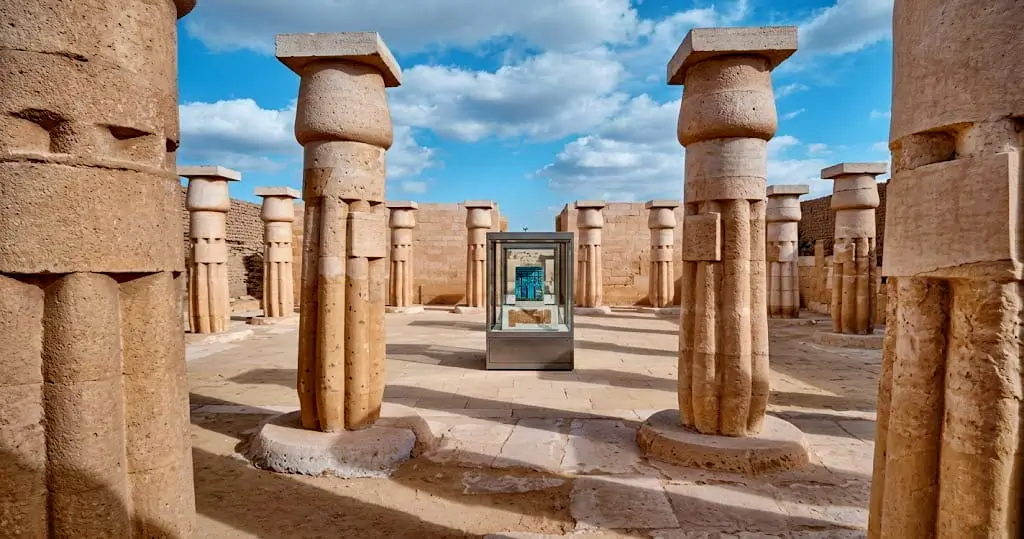
  • Visit the Imhotep Museum: Before or after your tour, spend time at the on-site Imhotep Museum. Its collection of ancient tools, statues, and funerary objects provides a vital foundation for understanding the artifacts you will see in the tombs.
  • Entry Requirements: Saqqara is typically open daily from 8:00 AM to 4:00 PM (last entry at 3:00 PM). Always verify current entry fees and rules, as these can be subject to change.

Divider

Great layover tour

First things first…I was in Cairo about a week before the protests of 2011 started. As far as the tour was concerned, I was very pleased. I was met at the airport by a knowledgeable guide (Sara) who spoke great English and a driver. They took me to Giza first,

More »
Giza pyramids Tours - Egypt Fun Tours

Thanks to egypt fun tours!

Thank u Hani for the enlightening tour of Giza and Saqqara. Thank u also for the great recommendation – Felfela – which we enjoyed a lot. returning the commission u got at the papyrus shop was something we didn’t expect and truly appreciate. shookran!

More »
hani ahmed 1

Hani Was our Awesome Tour Guide!

We had an 11-hour layover in Cairo on 12/15/2011. We wanted to go to see the Pyramids, Tahrir Square, and possibly the museum. We were so lucky to have a guide, Hani from Egypt Fun Tour, who made it possible to see all the above, plus the Bazaar, and time

More »
6 Days Luxury Tour {Egypt Treasures} - Cairo and Nile Cruise Affordable Tour Package

A trip of a lifetime in a 10 hour layover!

We recently scheduled a layover tour in Cairo through Egypt Fun Tours. Our layover was 10 hours and we scheduled the tour just about a day and a half before our arrival. When we arrived in Cairo we very easily made our way out of the airport (after getting our

More »

Very Considerate and Helpful

Guide and driver were on time, open to my requests and took care that I felt safe and saw the Pyramids and parts of old cairo during my less than 24 hour stay between flights. Office staff were great in communicating by email before and during the trip.

More »
God_Anubis_Icon

Top-rated Tour Packages

God_Anubis_Icon
WhatsApp
Email
Print