
The Nubian Museum in Aswan: A Journey Through a Lost Land
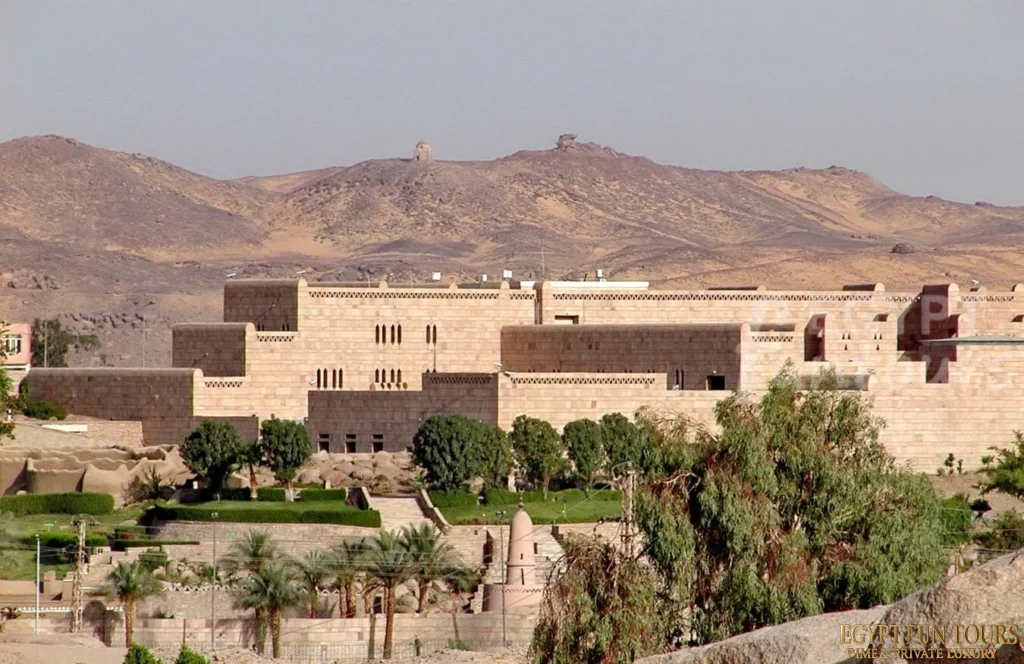
A must-see in Aswan, the Nubian Museum is a beautiful, modern museum that tells the 6,000-year-old story of a land lost beneath Lake Nasser. Built to save Nubia’s heritage from the Aswan High Dam, it’s an “ark” of priceless treasures. Explore exhibits on the powerful Kingdom of Kush (home of the “Black Pharaohs”), see a colossal statue of Ramesses II, and discover beautiful Christian-era frescoes, all housed in a stunning building that mimics a traditional Nubian village.
Aswan’s Tombs of the Nobles: The Ultimate View & Ancient Stories
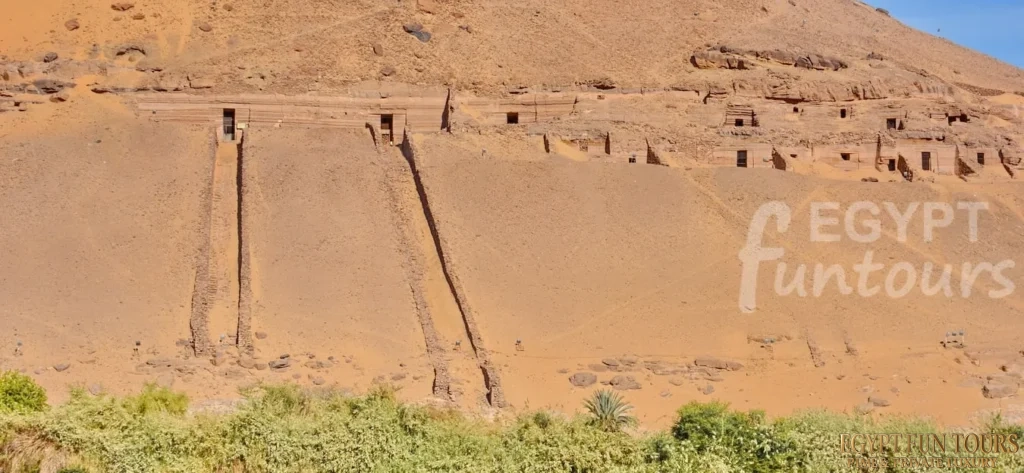
Discover Aswan’s best-kept secret: the Tombs of the Nobles. Carved high into the cliffs of the West Bank, these tombs tell the personal stories of powerful governors and explorers from 4,000 years ago. The adventure begins with a felucca sail across the Nile, followed by a climb up a steep staircase. Your reward is exploring tombs filled with autobiographies and daily life scenes, and enjoying what is, without question, the most breathtaking panoramic view of Aswan and the Nile.
St. Simeon’s Monastery: Aswan’s Desert Fortress of Faith
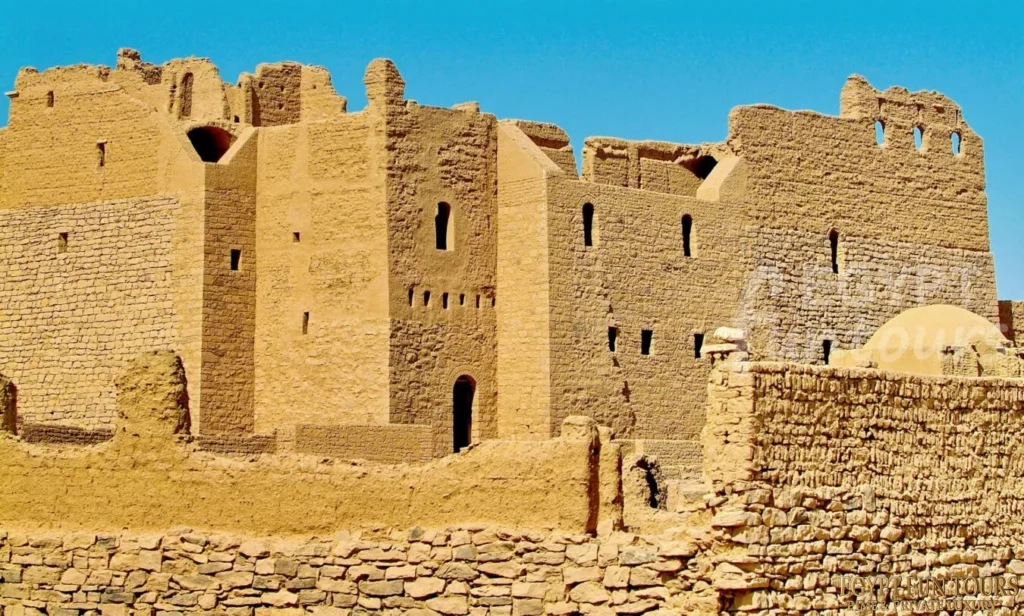
Get off the beaten path with a true adventure to the Monastery of St. Simeon. This massive 7th-century desert fortress is one of Aswan’s best-kept secrets. The journey itself is an experience: you’ll cross the Nile by boat, then take a memorable camel ride up a sandy path to the monastery’s gates. Once inside, you can explore the huge fortified walls, the ancient Coptic church with its faint frescoes, and the monks’ living quarters. The panoramic view of the desert and the Nile from the top is absolutely breathtaking.
Aswan Botanical Garden: A Peaceful Paradise on Kitchener’s Island
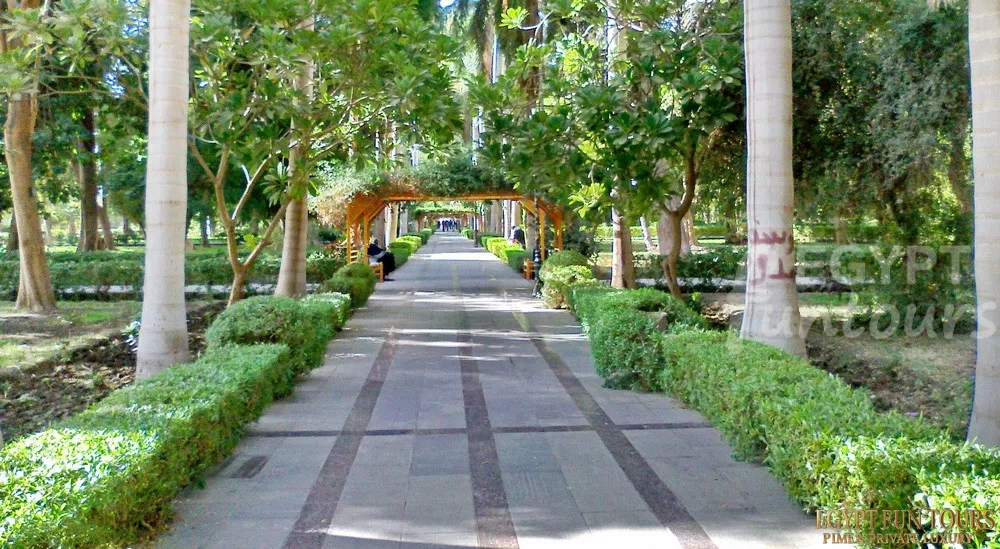
Escape to the Aswan Botanical Garden, a floating, green paradise on the historic Kitchener’s Island. This entire island is a lush, peaceful oasis filled with rare and exotic plants, including a world-class collection of palm trees from five continents. Once the private garden of Lord Kitchener, it’s now the perfect retreat from the city. Walk its shaded, chessboard-like paths, listen to the hundreds of birds, and enjoy a tranquil break. The best way to visit is on a traditional felucca sail.
Elephantine Island: The Ultimate Guide to Aswan’s Ancient Nile Jewel
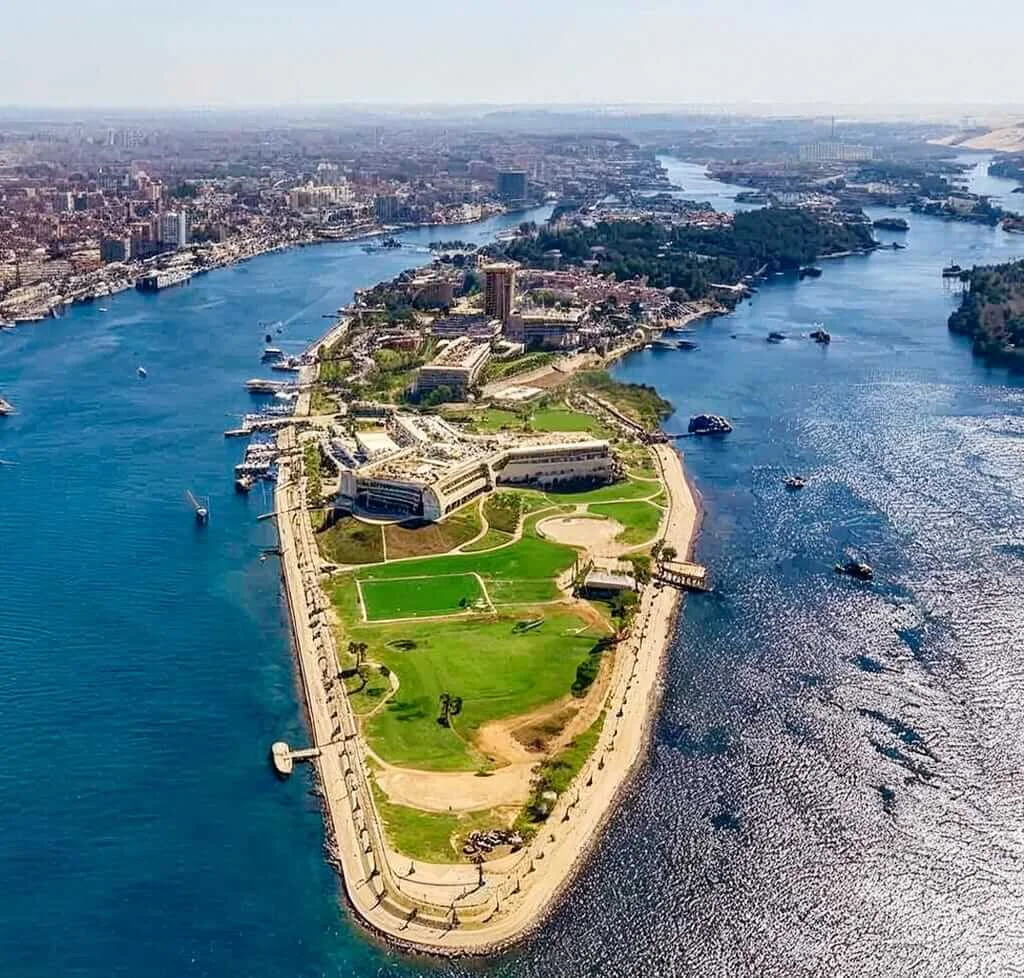
Discover Elephantine Island, the historic heart of Aswan and its oldest inhabited area. This fascinating island is a “two-in-one” experience: one half is a vast archaeological park with the 4,000-year-old Temple of Khnum and a famous Nilometer, which priests used to measure the Nile. The other half is a living, car-free community, home to two colorful Nubian villages. Wander the sandy lanes, see the brightly painted houses, and sip tea at a local cafe for an authentic, peaceful escape.
Howard Carter’s House & The Tomb Replica: The King Tut Story
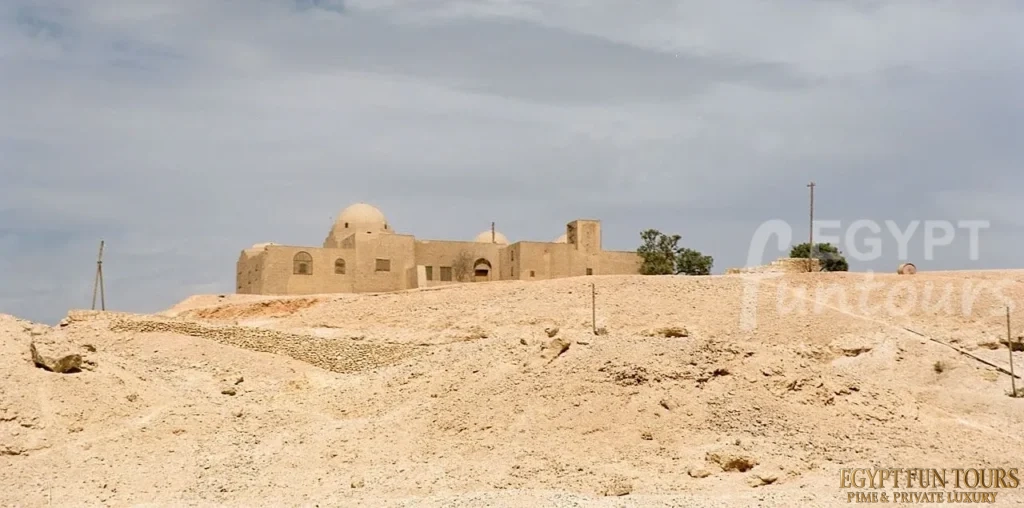
Go “behind-the-scenes” of the King Tut discovery! Visit Howard Carter’s House in Luxor, a 1920s time capsule where the explorer lived. Then, see the stunning Tomb of Tutankhamun Replica—an exact copy of the tomb’s vibrant art, without the glass or the crowds. It’s the perfect, atmospheric add-on to your Valley of the Kings tour.
The Mortuary Temple of Seti I: Luxor’s Hidden Gem on the West Bank
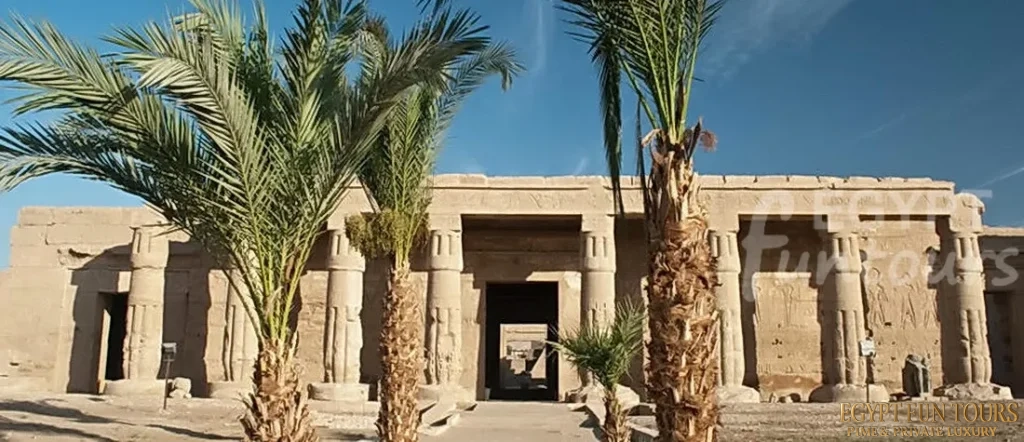
Discover Luxor’s best-kept secret: the Mortuary Temple of Seti I in Qurna. This beautiful, quiet temple is a “hidden gem” that most tourists miss. See the stunning, delicate raised reliefs of Seti I right next to the bold, sunk reliefs of his son, Ramesses II. It’s the perfect, peaceful stop on your West Bank tour, telling a unique “father and son” story in stone.
Deir El-Medina: The Secret Village of the Valley of the Kings Artists
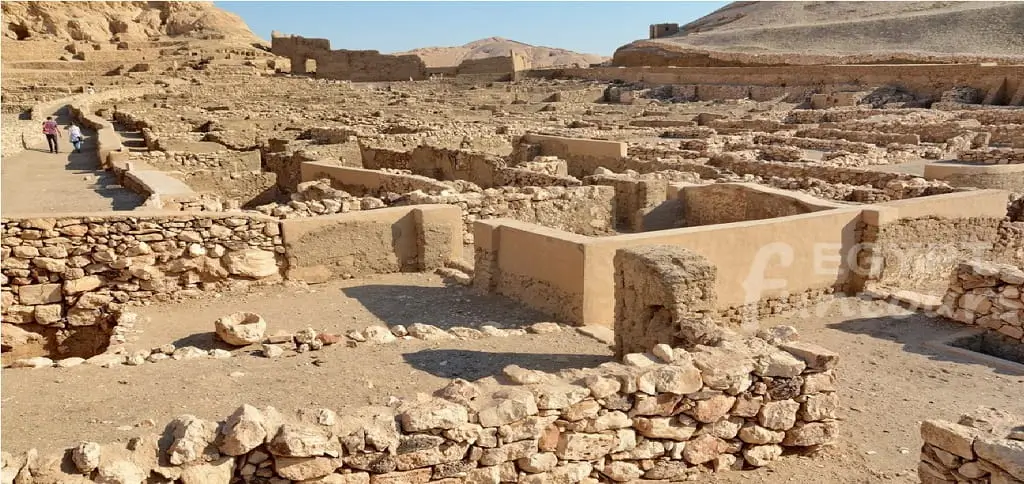
Discover Deir El-Medina, Luxor’s ultimate “hidden gem.” This is the secret 3,000-year-old village of the artists who built the Valley of the Kings. Explore their stunningly vibrant, colorful tombs, which are filled with personal art showing daily life, not just royal rituals. Then, walk the “main street” of the actual village ruins. It’s a unique, “behind-the-scenes” look at the real people of ancient Egypt.
Colossi of Memnon: The Giant Guardians of Luxor’s West Bank
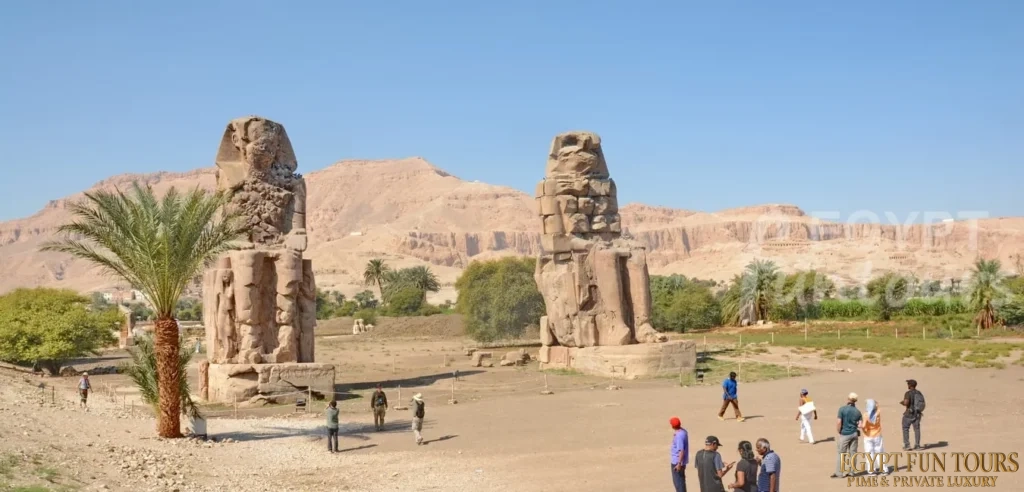
Make your first stop on the Luxor West Bank at the Colossi of Memnon. These two 3,400-year-old, 64-foot-high statues of Pharaoh Amenhotep III are the giant guardians of the “Land of the Dead.” Learn the famous legend of the “singing statue” that drew Romans from all over the empire, and take the perfect photo before heading to the Valley of the Kings.
Guide to the Tombs of the Nobles in Luxor: A Window into Daily Life
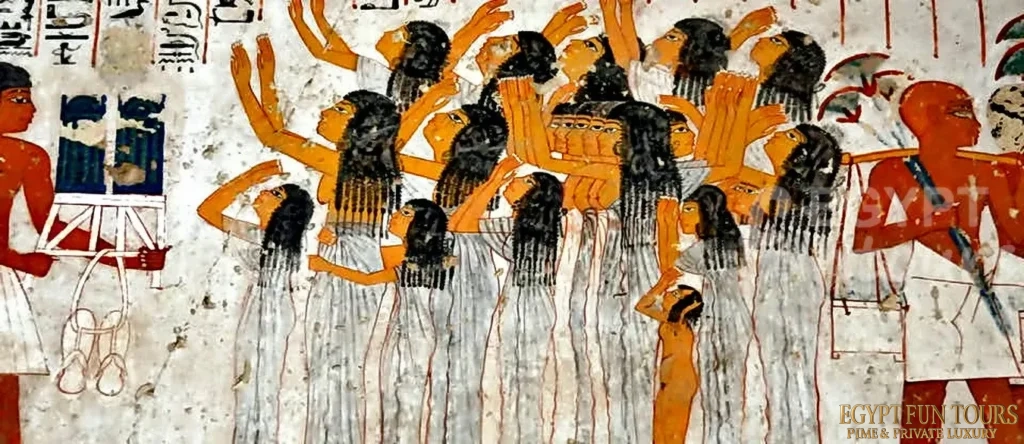
The Tombs of the Nobles in Luxor offer a vivid, intimate window into the daily lives of ancient Egypt’s elite. Unlike the royal valleys, these hillside necropolises swap cryptic spells for scenes of banquets, marsh hunting, and vibrant agriculture. By visiting masterpieces like the Tomb of Sennefer or the Tomb of Ramose, you experience the human side of history without the crowds of the major monuments. For the 2026 season, remember that the “cluster” ticket system is now fully cashless, making pre-planned logistics with Egypt Fun Tours the most efficient way to discover these hidden artistic treasures.
Dendera Temple: A Breathtaking Journey to the Home of Hathor
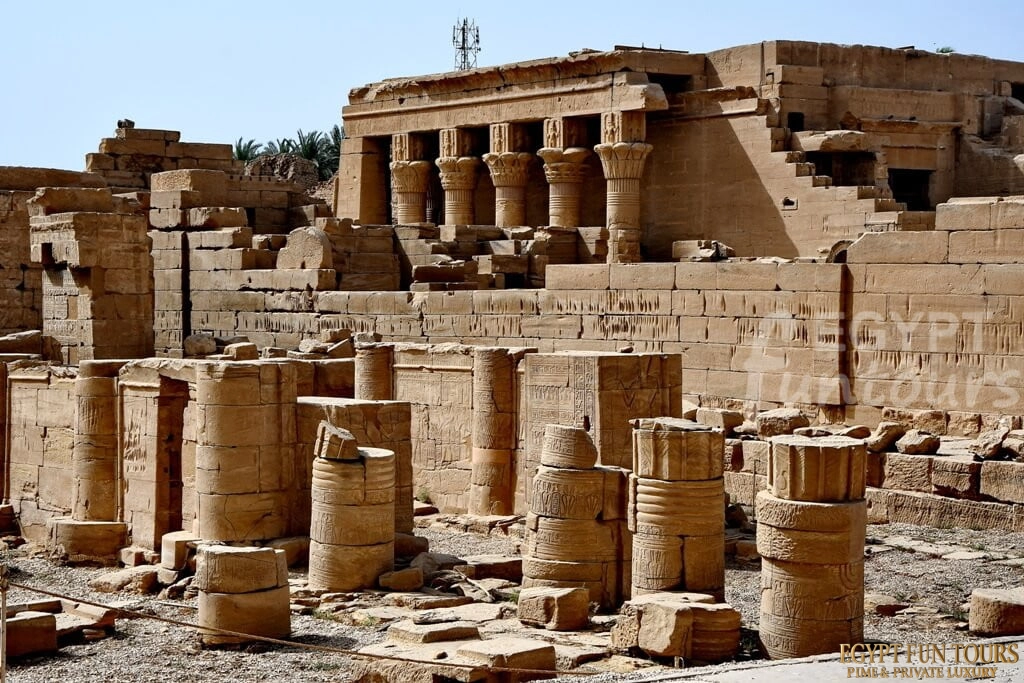
Don’t miss the Dendera Temple Complex, a must-do day trip from Luxor. This is one of Egypt’s most stunningly preserved temples, where you can see the original, vibrant colors on its 2,000-year-old ceilings. Explore the grand Temple of Hathor, climb to the massive roof for incredible views, and duck into secret crypts hidden in the walls. You’ll see the world-famous Dendera Zodiac, a rare, massive carving of Cleopatra VII, and the beautiful, four-faced Hathor columns.
Imhotep Museum: Saqqara’s Modern Gateway to the First Pyramid
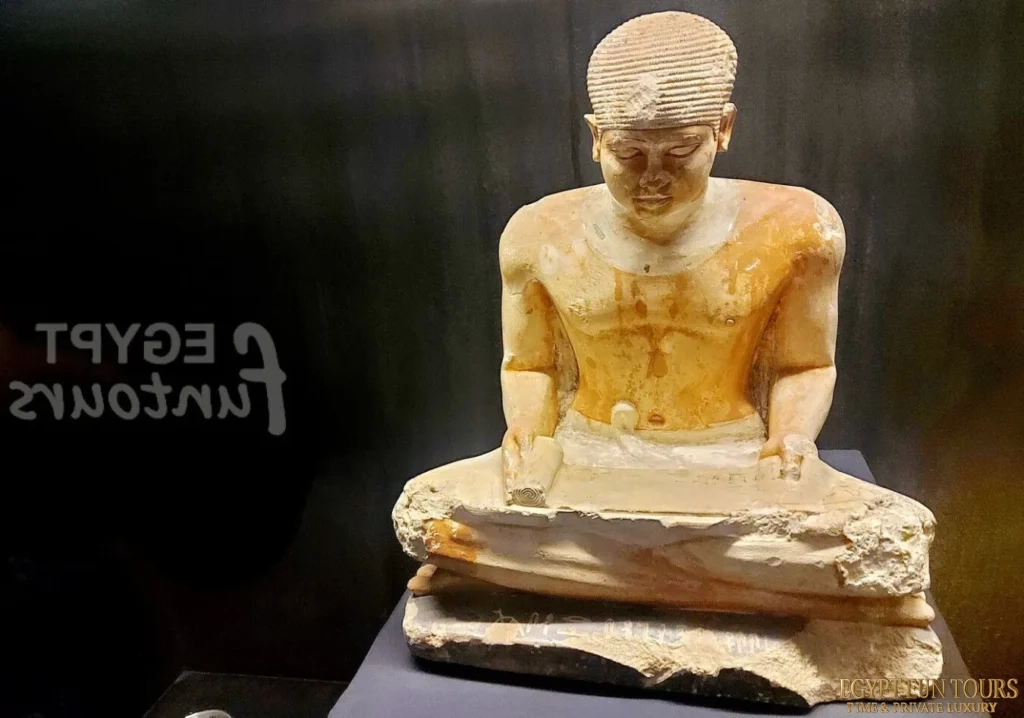
Start your Saqqara journey at the Imhotep Museum, the perfect introduction to the entire archaeological site. This modern, world-class museum is dedicated to the genius Imhotep—the world’s first architect, the inventor of the pyramid, and a legendary physician. Inside, you’ll discover treasures unearthed right from the Saqqara sands, including the stunning blue faience tiles from King Djoser’s burial chamber, ancient surgical tools, and one of the most beautifully preserved mummies ever found. It’s the best way to understand the story of the Step Pyramid before you see it.