The Temple of Kom Ombo: The Symmetry of Duality
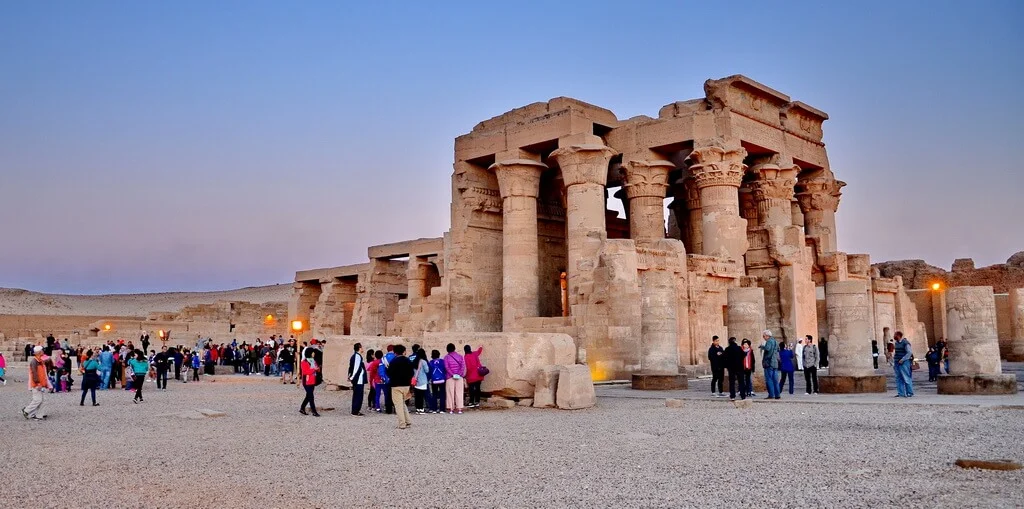
The Temple of Kom Ombo stands as a unique architectural marvel on the banks of the Nile, famous for its perfectly symmetrical “double” design that honors two rival deities: the crocodile god Sobek and the falcon god Haroeris. This dual sanctuary served as a center for both spiritual balance and advanced science, featuring a renowned “medical library” in stone that depicts surgical instruments—tools that trace their lineage back to Imhotep, history’s first known physician. Beyond its healing chambers, the temple displays the raw political power of the Pharaoh through dramatic reliefs of the King and his sacred lion subduing foreign enemies and presenting the severed hands of the defeated as a grim accounting of victory. From the complex Offerings Calendar with its 52 lines of hieroglyphics symbolizing the weeks of the year to the mummified predators in the Crocodile Museum, Kom Ombo remains a powerful testament to the Egyptian obsession with balancing chaos, order, and the preservation of human knowledge.
Private Half-Day Tour: The Legacy of the Egyptian Museum (Tahrir)
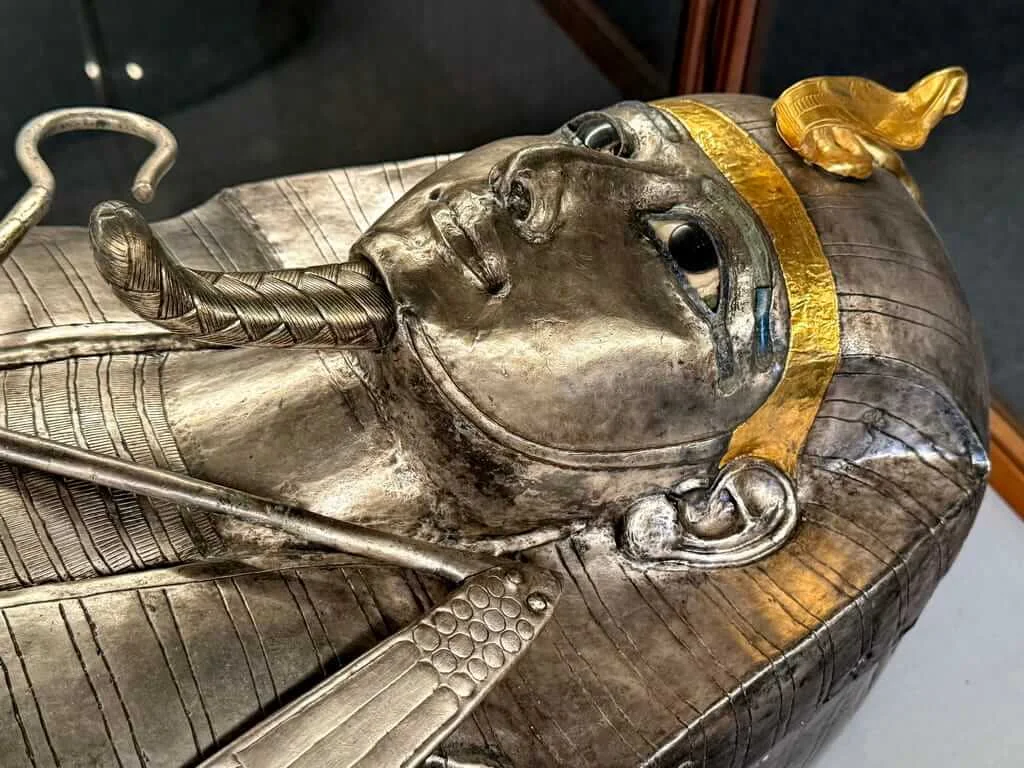
Private guided tour to the Egyptian Antiquities Museum. Explore King Tut’s treasures, Royal mummies, and other artifacts from the oldest museum in the world. Door to door transfers.
The Origins of Majesty: A Private Half-Day Tour of Saqqara the Ancient Memphis
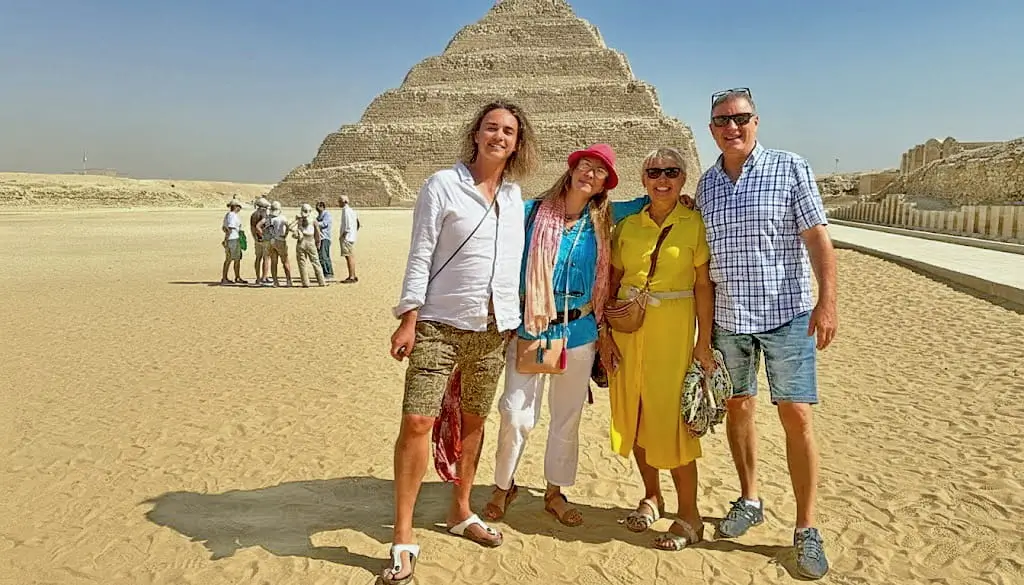
Discover the roots of Ancient Egypt. Visit the Step Pyramid of Saqqara and the Royal City of Memphis on a private half-day tour. Expert Egyptologist included. Book now!
14-day Egypt Tour Package {Golden Nubia and the Majestic Nile}
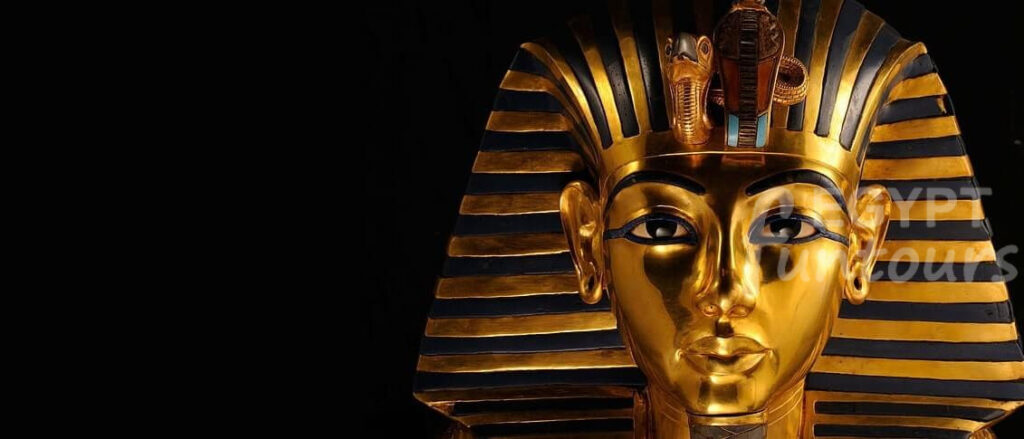
Explore the best of Egypt in two weeks including the Abu Simbel Sound and Light Show.
7-Day Egypt Tour Package {The Beauty of Ancient Egypt}
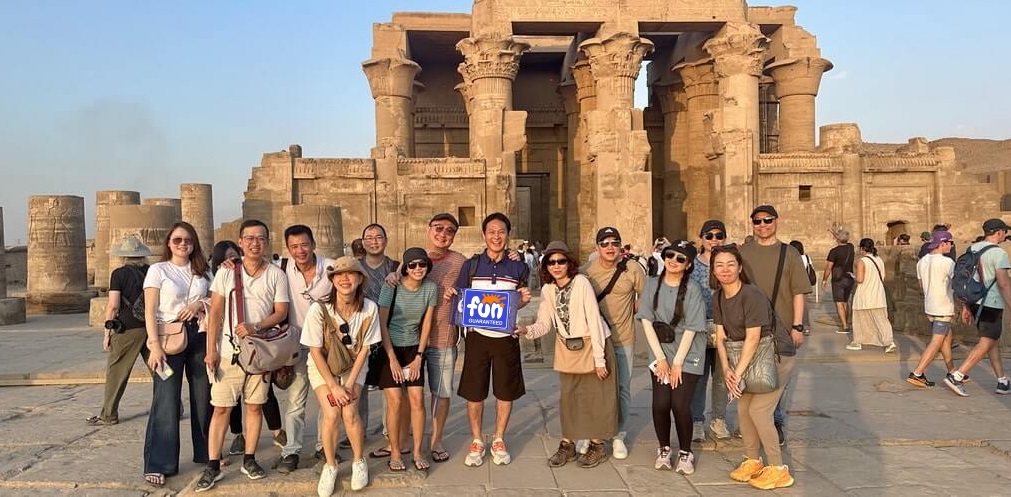
The best tour in Egypt of a 7-day duration.
The Church of Saint Sergius and Bacchus (Abu Serga): A Definitive Guide to Cairo’s Oldest Church and the Holy Family’s Refuge
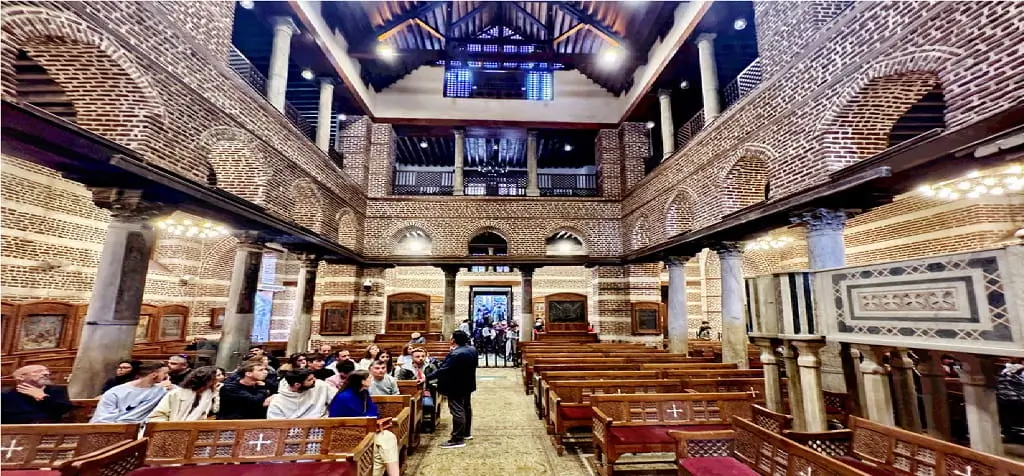
The Church of Saint Sergius and Bacchus (Abu Serga) is a vital historical landmark located within the Roman Fortress of Babylon in Old Cairo. Built in the 4th century, it stands as one of Egypt’s oldest Coptic churches and marks a key site on the Holy Family Trail. According to ancient tradition, the church sits directly over a subterranean crypt where the Holy Family sought refuge for three months during their flight from King Herod. Beyond its spiritual significance, the building is an architectural marvel. It features a classic Basilica design, twelve symbolic marble columns, and an intricate 13th-century iconostasis. Today, Abu Serga remains a living house of worship and a symbol of Egypt’s enduring Christian heritage, drawing pilgrims and historians from around the world.
Islamic Cairo Walking Tour: From Al-Muizz Street to the Gates of Old Cairo
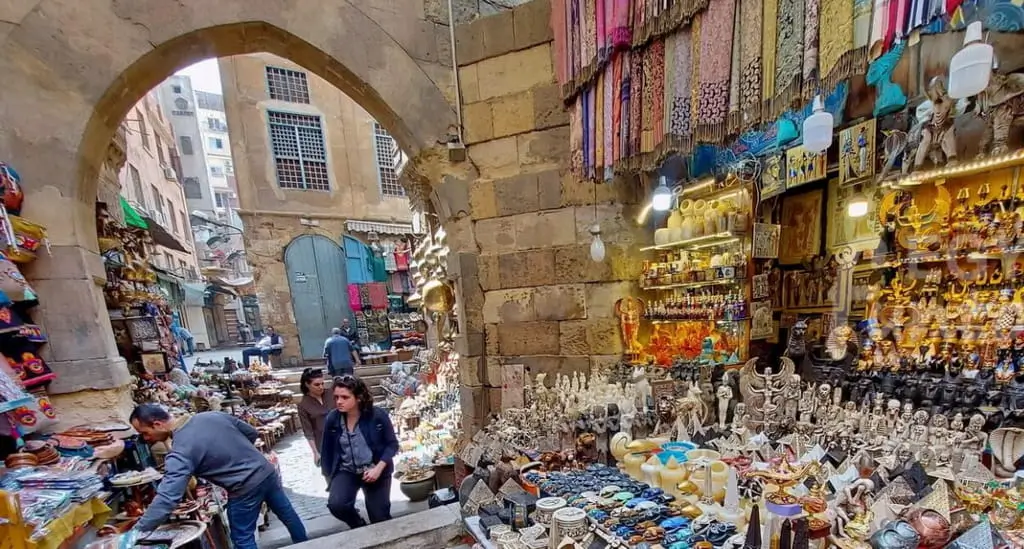
Discover the wonders and beauty of Islamic medieval Cairo
Mosque of Amr ibn al-As: The Crown of Mosques and Africa’s First Masjid
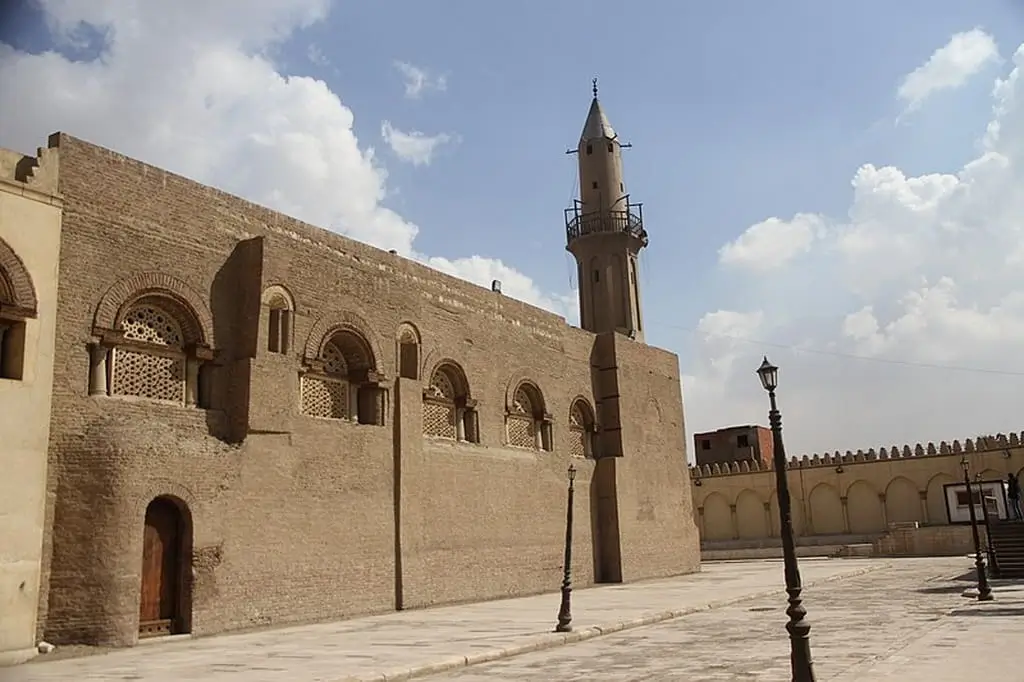
The Mosque of Amr ibn al-As stands as the oldest Islamic monument in Africa, established in 641 AD following the Muslim conquest of Egypt. Known as the “Crown of Mosques,” it served as the spiritual and political heart of Fustat, the first Islamic capital of the continent. While it began as a simple structure made of mud bricks and palm trunks, centuries of expansions transformed it into a massive architectural landmark featuring a vast open courtyard and a famous “forest of columns” repurposed from Roman and Byzantine sites. Beyond its religious role, the mosque functioned as the region’s first university and court of justice. Today, it remains a vital house of worship and a cornerstone of the Old Cairo Religious Complex, symbolizing the dawn of Islamic history in Egypt.
Best Standard Egypt Tour of Cairo, Alexandria & Nile Cruise
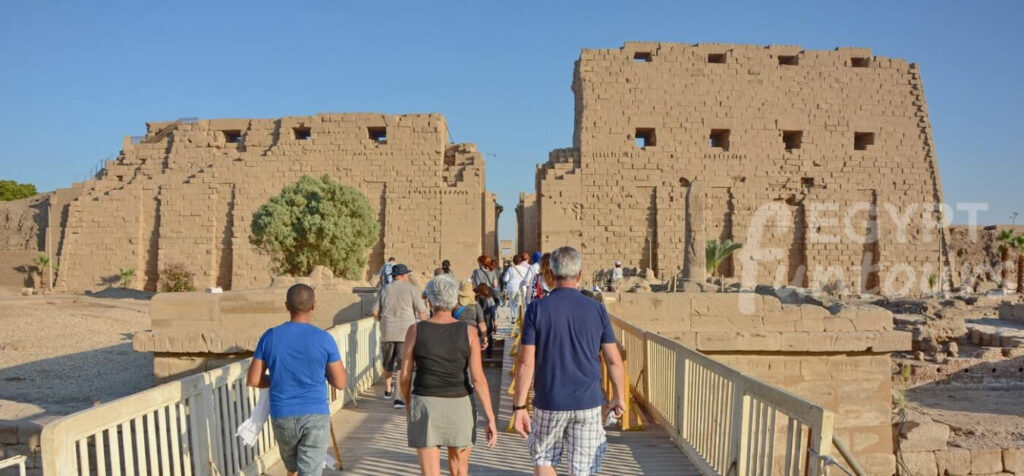
THe best 8 Days classic Egypt Tour
Cairo in 4 Days: Comprehensive Tour Package
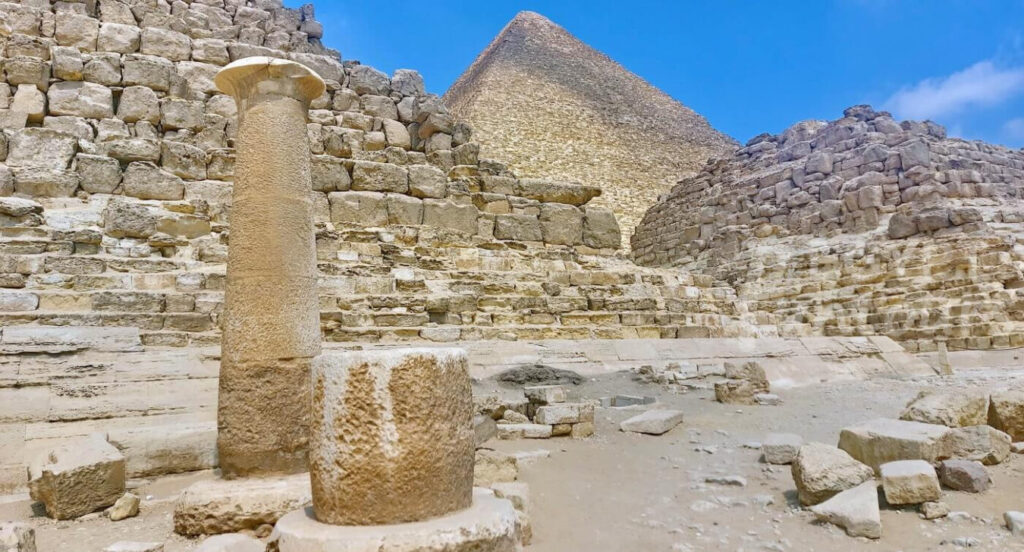
Private guided Sightseeing tour package features all Cairo iconic attractions. Private tour guiding, entrance fees, meals & mineral water included.
Khan el-Khalili: Your Guide to Cairo’s Historic Bazaar
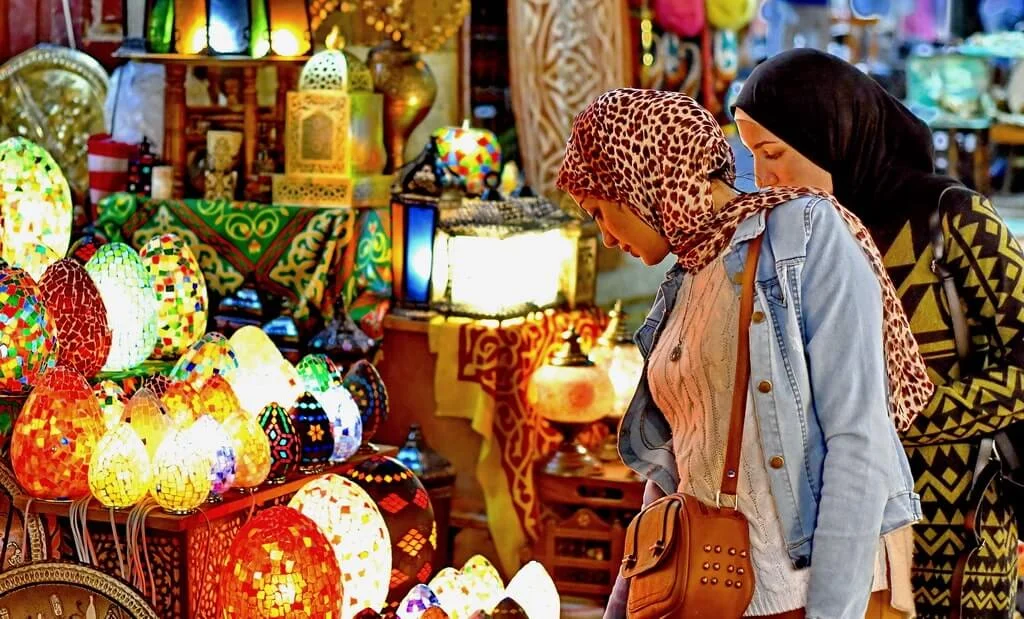
Khan el-Khalili is one of the world’s most famous historic markets, located in the heart of Islamic Cairo. Established in the 14th century as a trading hub for merchants, it remains a bustling center of Egyptian culture and commerce. This labyrinth of narrow alleys features thousands of shops selling everything from shimmering gold and exotic spices to handmade leather and copper lanterns. Beyond the shopping, the bazaar is home to legendary landmarks like El Fishawy Café, where visitors have sipped mint tea for over 200 years. With its stunning Mamluk-style architecture and vibrant atmosphere, Khan el-Khalili offers a sensory journey back to the Middle Ages. It is an essential stop for anyone wanting to experience the authentic sights, sounds, and soul of Cairo.
The Temple of Luxor: Egypt’s Living Monument of Royal Power
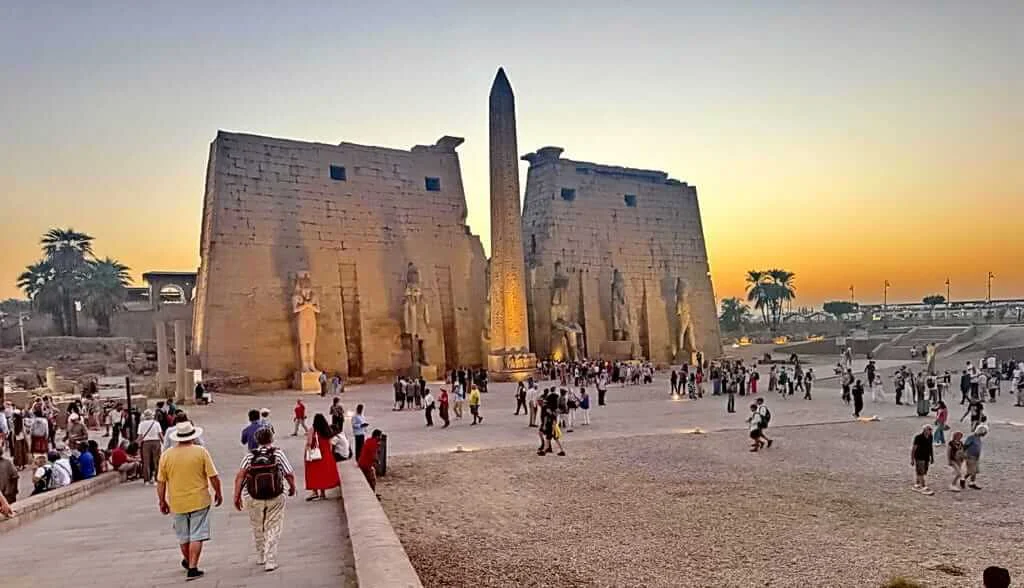
The Temple of Luxor stands as a living bridge between the ancient and modern worlds. Situated in the heart of the city, this “Southern Sanctuary” was the essential site for the Opet Festival, where the pharaoh’s divine spirit was rejuvenated each year. From the elegant Colonnade of Amenhotep III to the massive additions of Ramesses II and the rare Shrine of Alexander the Great, the temple showcases over 1,500 years of continuous construction. Its unique layers—including a Roman chapel and the active Mosque of Abu Haggag—make the Temple of Luxor a unparalleled record of human faith and imperial power.