
The Temple of Amada: Nubia’s Oldest Architectural Masterpiece
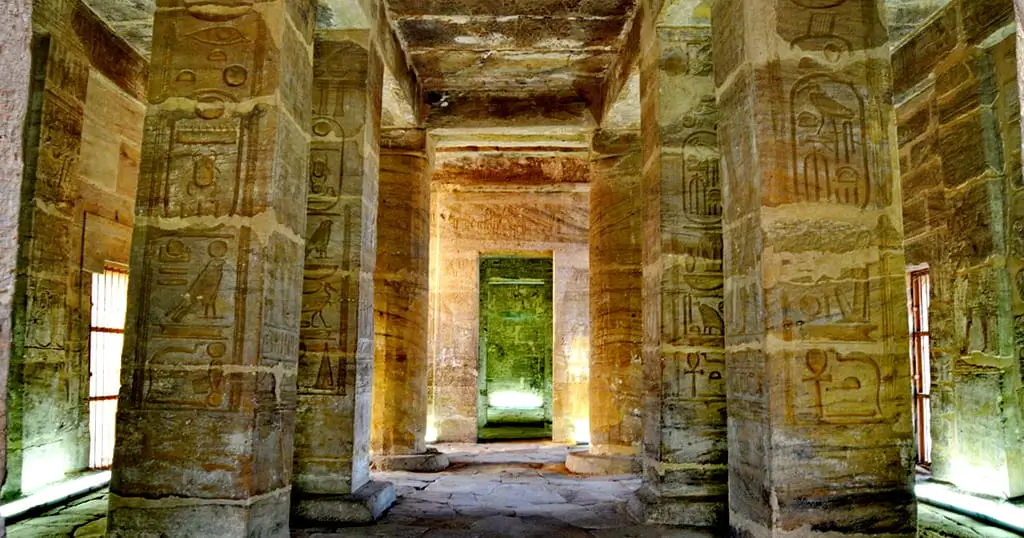
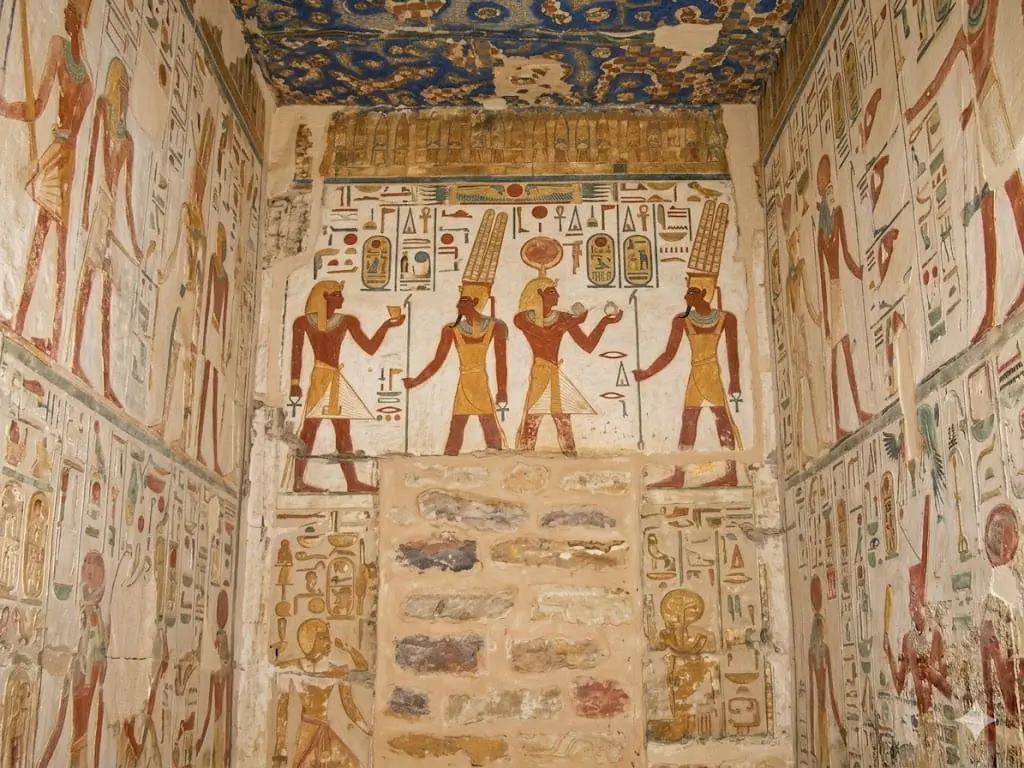
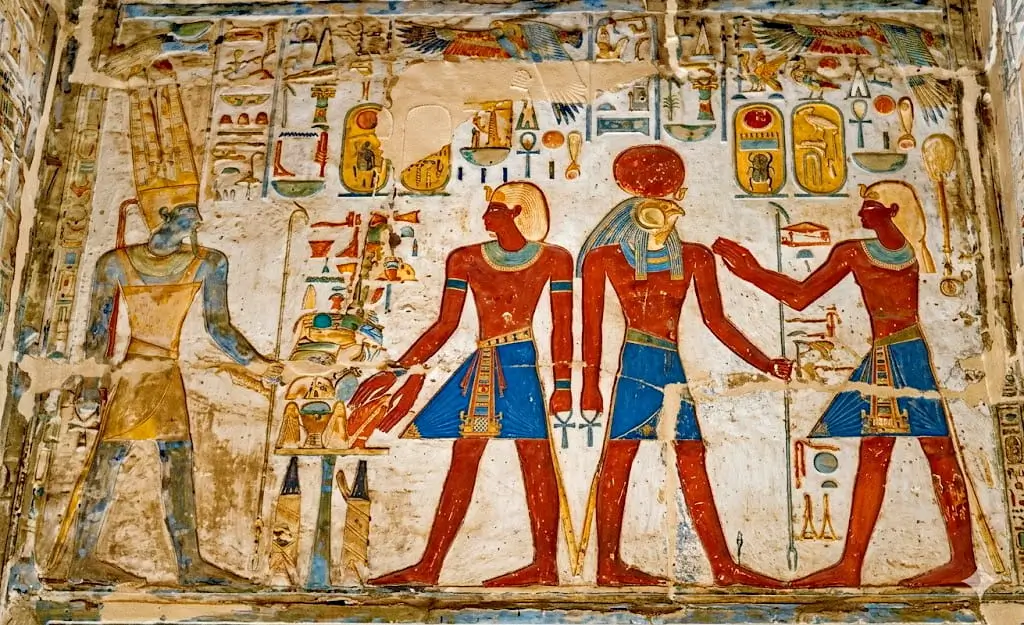
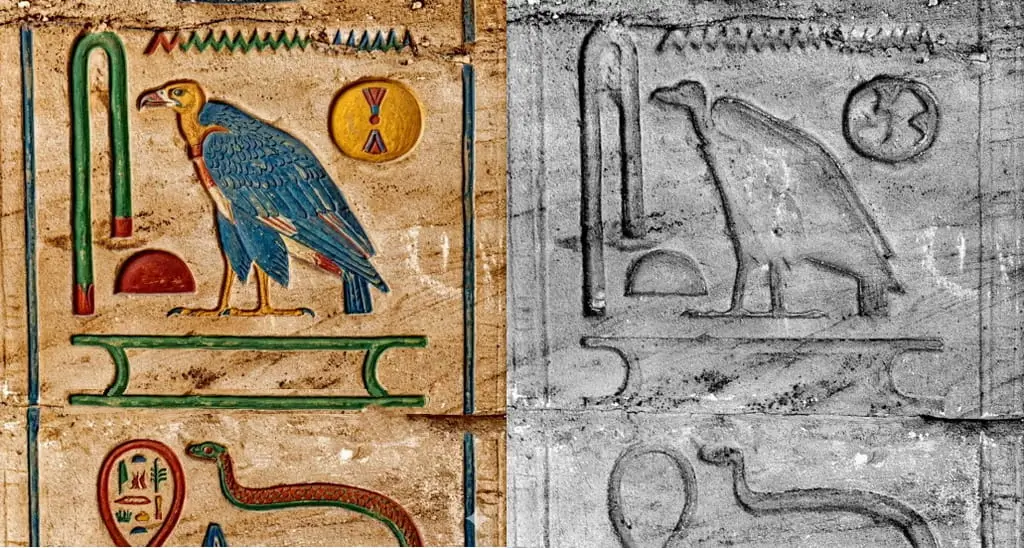
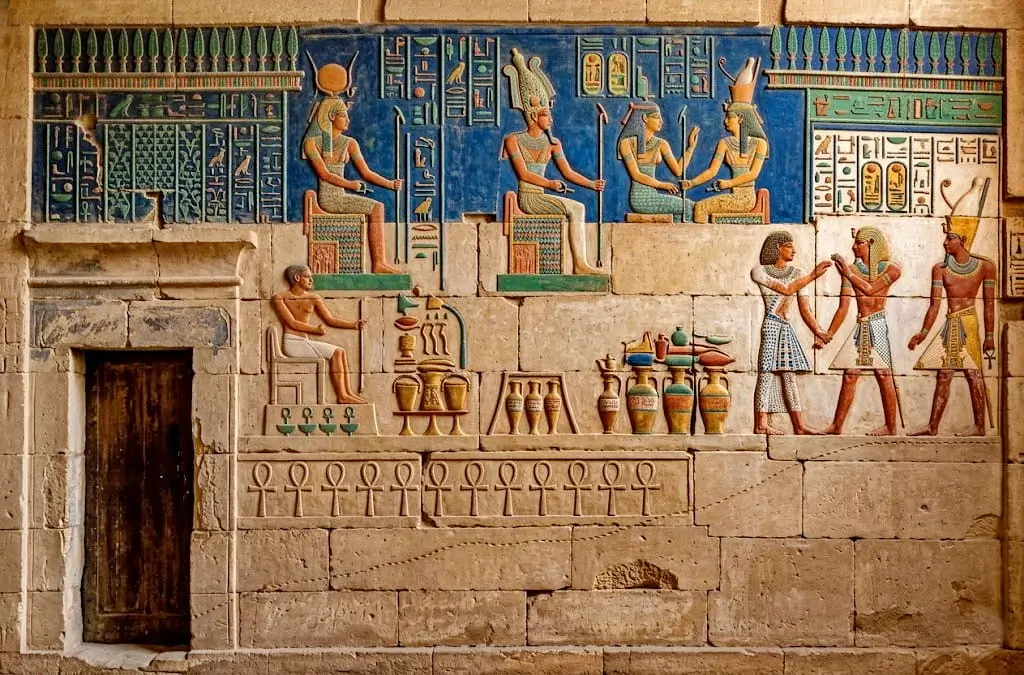
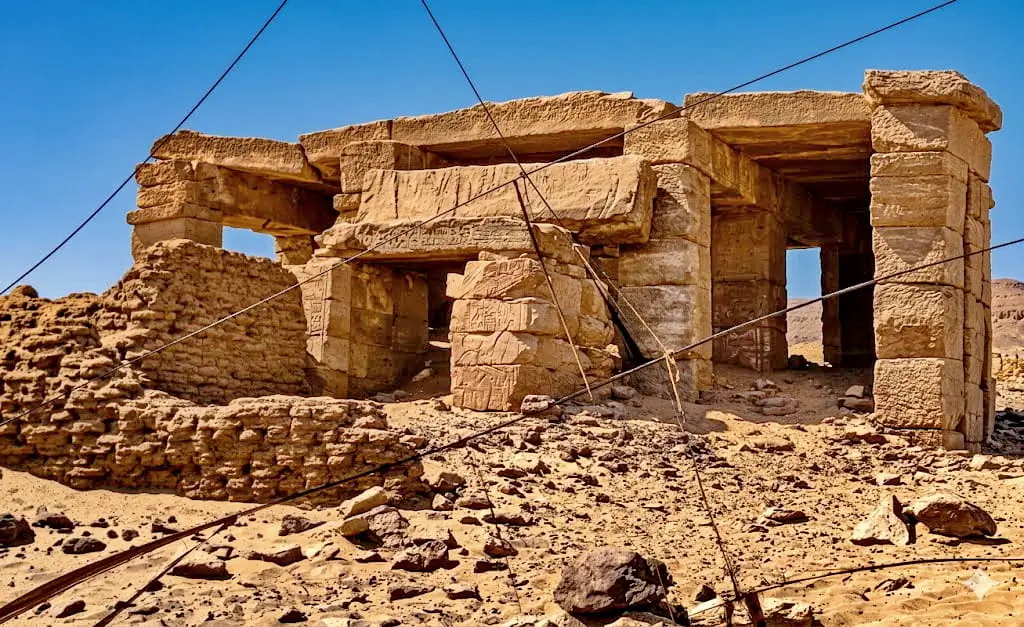
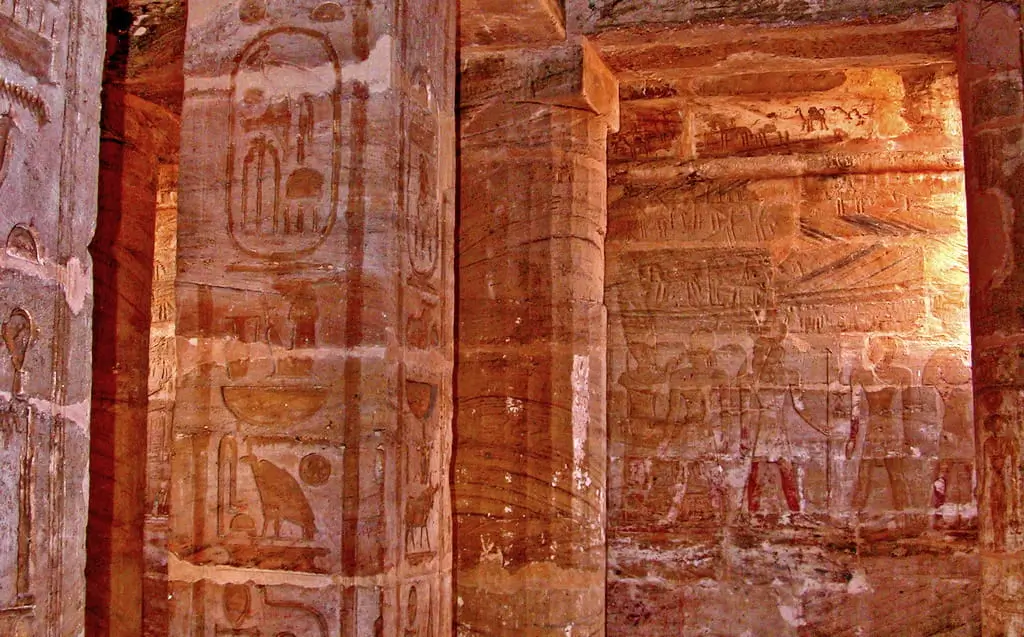
The Temple of Amada stands as a profound testament to the artistic and political ambitions of the 18th Dynasty, rising from the golden sands above Lake Nasser. While the colossal scale of Abu Simbel often captures the global spotlight, Amada offers travelers a more intimate and sophisticated encounter with the past. As the oldest Egyptian temple in Nubia, its foundations reach back nearly 3,500 years to the reigns of Thutmose III and Amenhotep II. It serves not merely as a place of worship, but as a vibrant historical archive that houses some of the most finely executed painted reliefs and significant military stelae in the Nile Valley.
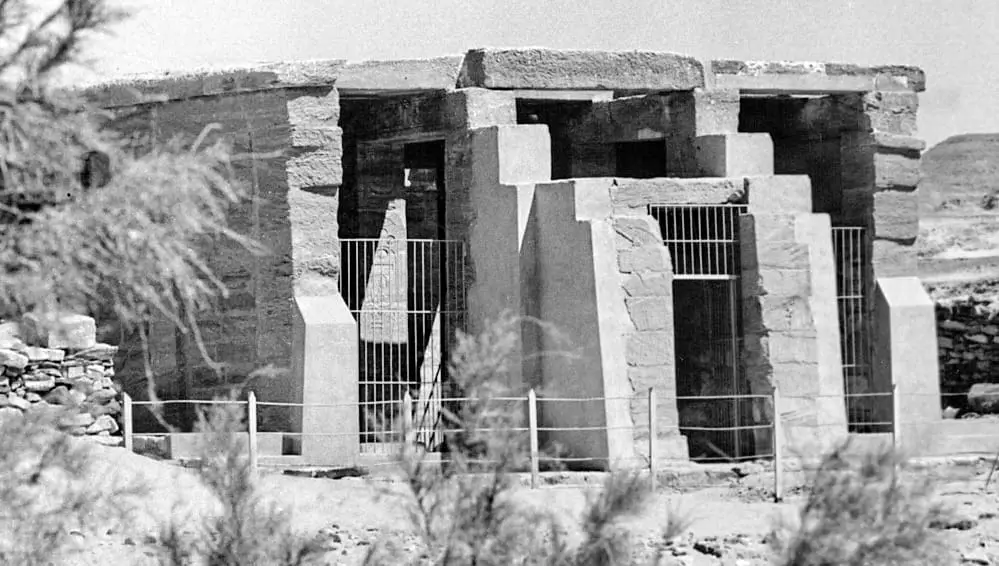
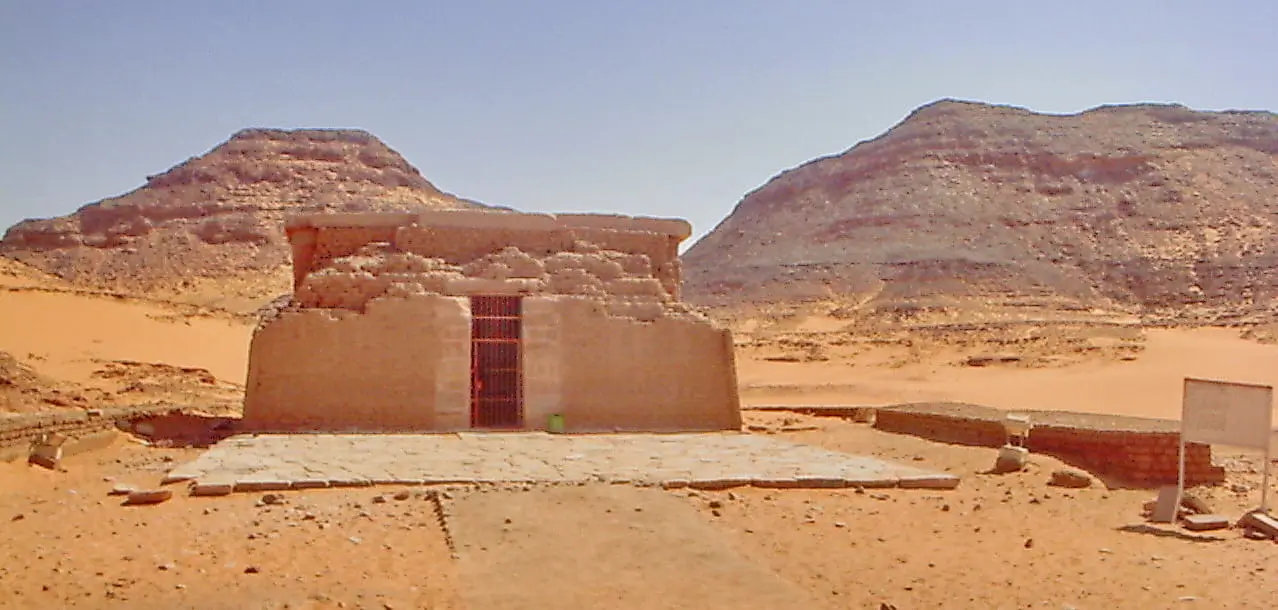
The temple’s survival tells a story of two eras: the ancient age of its creation and the modern era of its salvation. During the 1960s, the construction of the Aswan High Dam threatened to submerge the treasures of Lower Nubia, forcing the Temple of Amada into a daring and unique UNESCO salvage operation. Because the temple’s fragile interiors made dismantling it block by block impossible, French engineers devised a brilliant alternative. They placed the entire structure on rails and moved it as a single unit to its current home. Today, it remains a “hidden gem” for researchers, offering a window into the peak of New Kingdom artistry and the enduring legacy of Egypt’s southern expansion.