The Black Pyramid of Amenemhat III: A Haunting Desert Landmark

The Black Pyramid Dahshur remains a haunting masterpiece of Middle Kingdom ambition and geological struggle. King Amenemhat III attempted to revolutionize royal burials by creating a massive mudbrick labyrinth for himself and his queens. However, the heavy core and unstable ground caused the structure to sink and crack almost immediately. Specifically, the discovery of the grey basalt pyramidion proves that the monument once achieved a state of artistic perfection. Because the king eventually abandoned the site, the pyramid stands today as a silent, jagged mountain of dark brick. For the traveler in 2026, it offers a rare look at the risks of ancient engineering and the raw beauty of the Dahshur plateau. Therefore, it is an essential chapter in the story of Egypt’s royal funerary evolution.

The Enigmatic Silhouette of the Black Pyramid

The Black Pyramid is a striking monument in the Memphite Necropolis. King Amenemhat III built this massive complex during the Twelfth Dynasty. This period marked a great revival in Middle Kingdom architecture. Today, the pyramid features a dark and jagged profile. This silhouette stands in sharp contrast to the golden stone of the Old Kingdom giants.

The pyramid earned its modern name because the original white limestone casing is gone. Ancient builders stripped the Tura limestone for other projects. This process exposed the sun-dried mudbrick core. These bricks consist of charcoal-hued, clay-rich soil from the Nile. Consequently, the Black Pyramid looks like a dark mountain rising from the sand. It serves as a reminder of the shift from stone to mudbrick construction.

FUN

The Labyrinthine Interior: A Journey Through the Core of the Black Pyramid

The Labyrinthine Interior A Journey Through the Core of the Black Pyramid

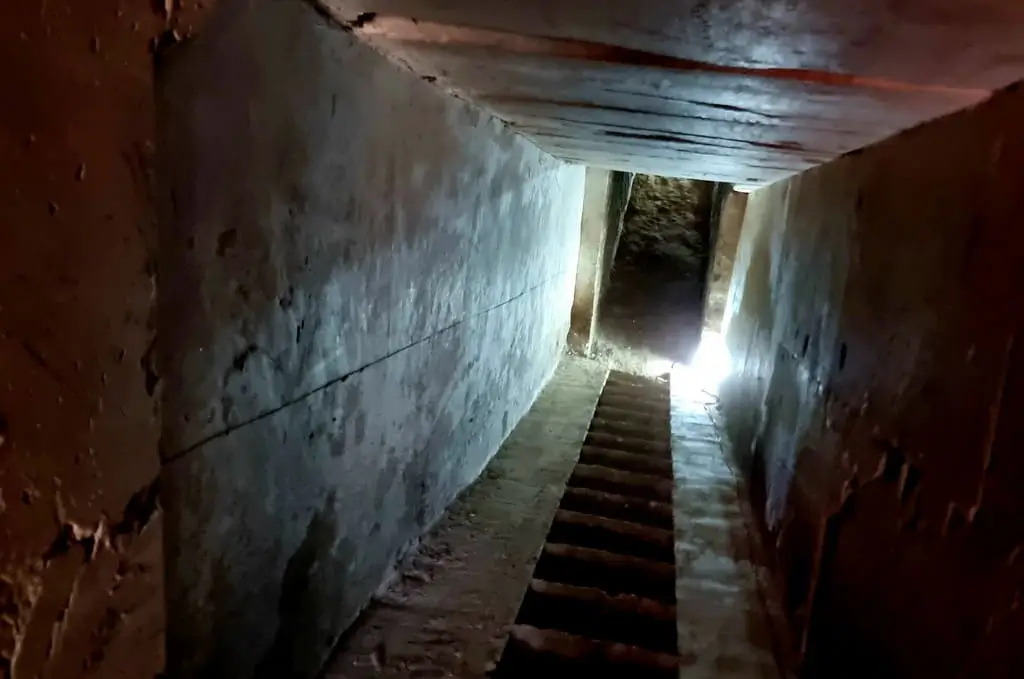
The Black Pyramid features a subterranean layout that is far more complex than earlier tombs. Specifically, the architects designed a labyrinth of corridors to protect the royal remains. This design reflects the growing fear of tomb robbers during the Twelfth Dynasty. Therefore, the internal space functions like a secure vault rather than a simple burial chamber. Because of this complexity, the Black Pyramid represents a new era in ancient security.

The interior contains two separate entrances. Specifically, one entrance sits on the southeast side for the king. Another entrance on the southwest side leads to the queens’ quarters. This dual-access system was a revolutionary idea in the Middle Kingdom. Consequently, the Black Pyramid could house multiple members of the royal family in one structure. For the 2026 traveler, this layout highlights the shift toward communal royal burials.

Black Pyramid: The Queen’s Chambers and Royal Relics

Black Pyramid The Queen's Chambers and Royal Relics

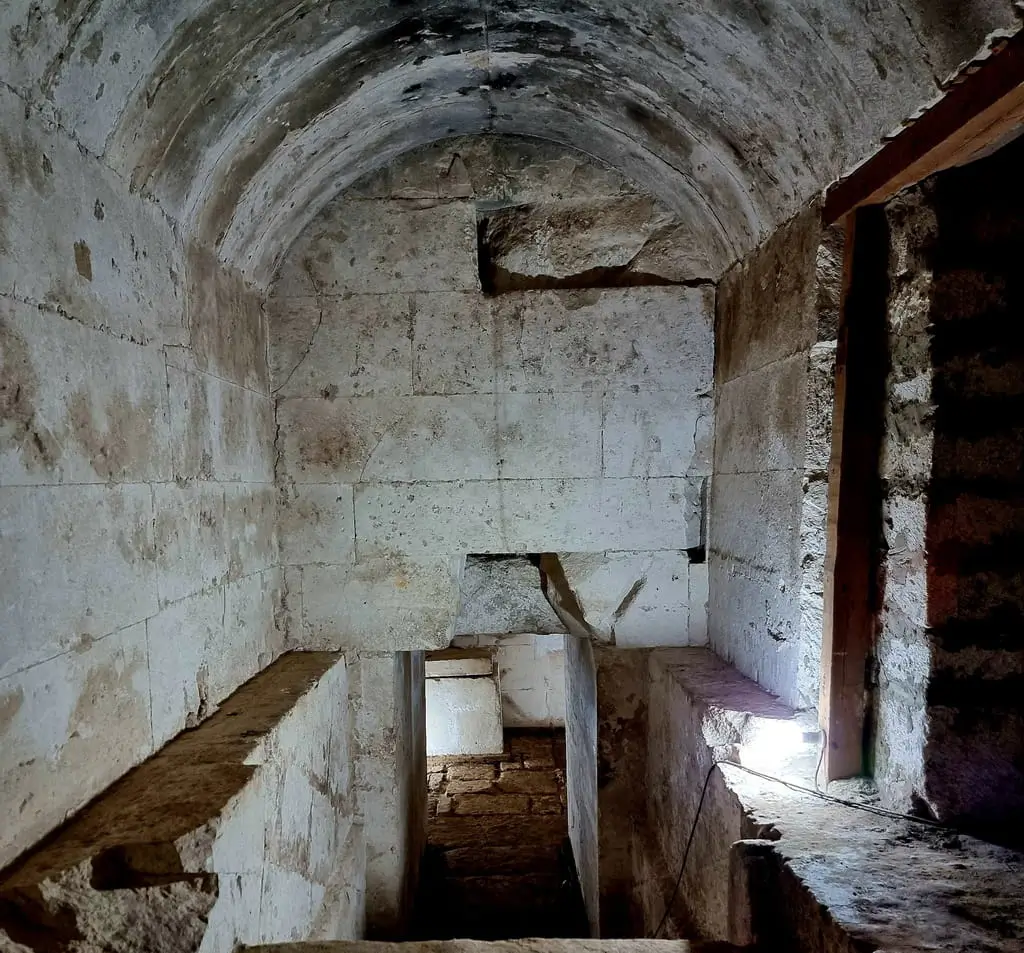
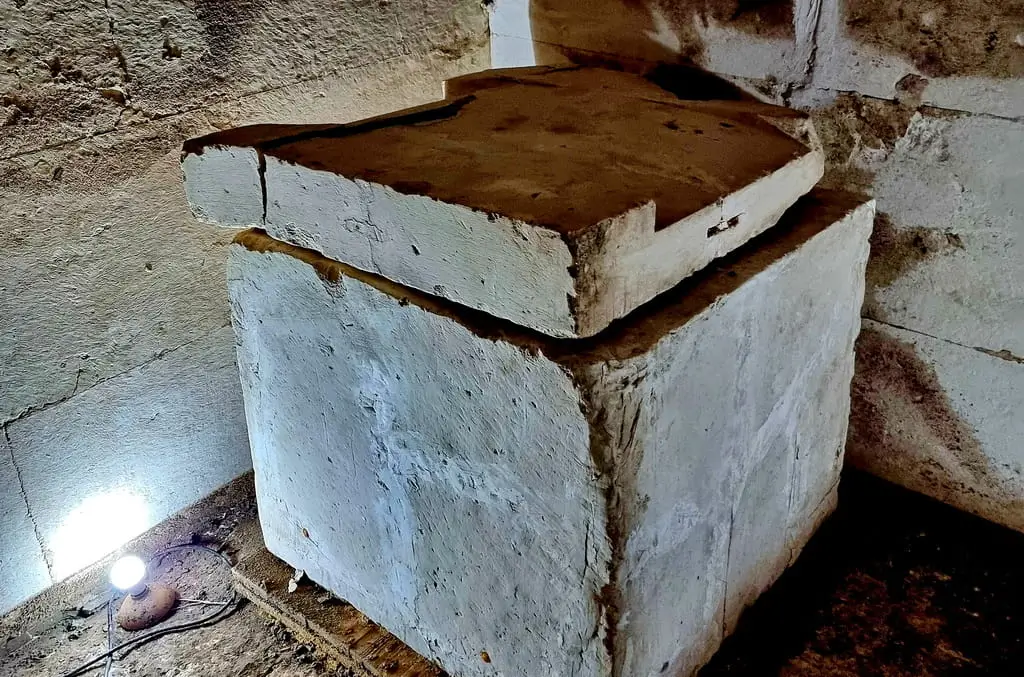
Inside the queens’ section, archaeologists found the remains of several royal women. Specifically, Queen Aat and an unidentified queen were buried here. Because these chambers were cut deep into the bedrock, they offered more stability than the mudbrick core. Furthermore, investigators discovered beautiful burial equipment in these rooms.

  • Granite Sarcophagi: Each queen had a massive, decorated sarcophagus.
  • Canopic Jars: These vessels held the internal organs for the afterlife.
  • Jewelry Fragments: Small pieces of gold suggest the original wealth of the burials.

However, the weight of the pyramid caused these chambers to suffer. Specifically, the shifting mudbrick core put immense pressure on the limestone walls. Consequently, many of the internal passages are now too dangerous to enter. For this reason, modern visitors must appreciate the interior through historical records. By studying these plans, we see the immense labor required to carve such a complex home for the dead.

FUN

Black Pyramid: Vaulting and Structural Reinforcements

Vaulting and Structural Reinforcements

To support the massive weight, the builders used advanced vaulting techniques. Specifically, they created high, gabled ceilings in the main chambers. These arches directed the weight of the bricks away from the open spaces. Furthermore, workers used cedar wood beams to reinforce the mudbrick walls. This shows that the architects knew the structure was under intense stress. Consequently, the Black Pyramid is a vital record of ancient emergency engineering.

The king’s burial chamber is the most impressive space. Specifically, it consists of polished granite. Because the room was intended for Amenemhat III, it received the highest level of craftsmanship. However, the king never used this room for his final rest. Because the pyramid began to flood and crack, he moved his burial to Hawara. Therefore, the Black Pyramid remains a vast, empty monument to a king’s changing plans.

The Basalt Pyramidion: A Masterpiece of Ancient Art

The Basalt Pyramidion A Masterpiece of Ancient Art

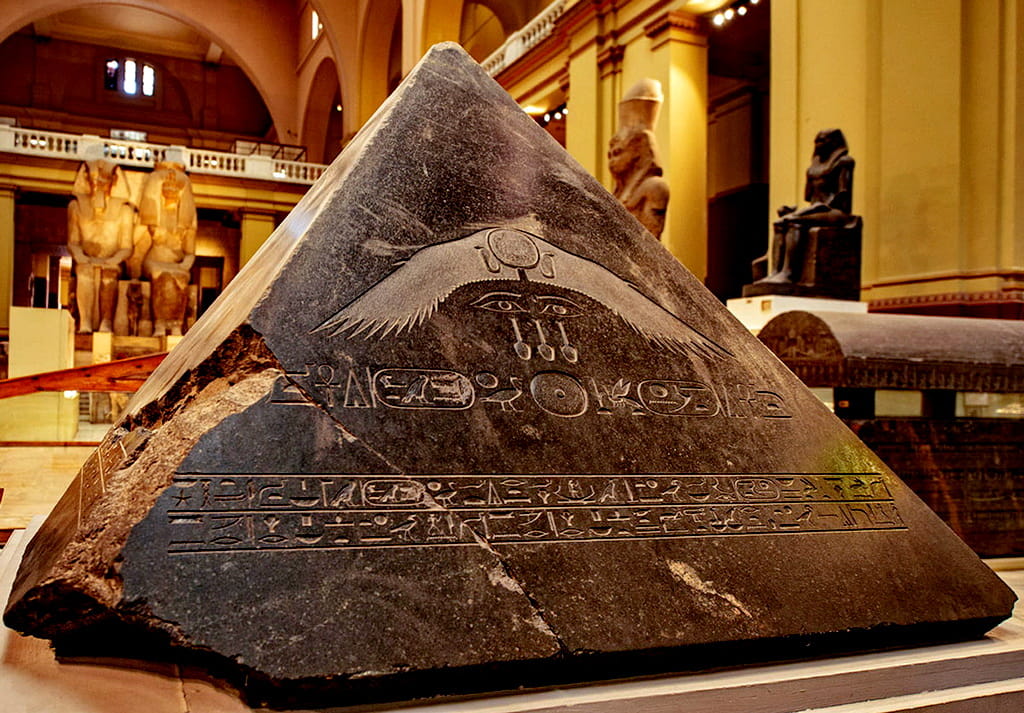
The Black Pyramid once featured a magnificent capstone at its peak. Archaeologists found this grey basalt pyramidion on the east side of the structure in 1900. It is one of the best-preserved examples from the Middle Kingdom. Because it consists of hard basalt, the fine details remain perfectly sharp. Consequently, the stone provides a clear window into the artistic standards of the Twelfth Dynasty.

The capstone contains intricate inscriptions on all four sides. Specifically, these carvings show the king’s devotion to the sun god, Ra.

  • The Winged Sun Disk: This symbol represents divine protection and royal authority.
  • The Inscription: One side reads, “Amenemhat beholds the perfection of Ra.”
  • The Eyes of the King: These carvings suggest the pharaoh watches over his kingdom even in death.

Therefore, the pyramidion was more than a decoration. It acted as a religious antenna to connect the king with the gods. For the visitor in 2026, this artifact is a highlight of the Egyptian Museum collection. It shows that the Black Pyramid was once a polished, perfect monument.

The Egyptian Pyramids: A Complete Guide to the Ancient Wonders

This definitive guide covers the complete story of the Egyptian pyramids. We explore their true...
Related post
FUN

Black Pyramid: The Cult of Amun and Religious Sabotage

Black Pyramid The Cult of Amun and Religious Sabotage

The Black Pyramid also tells a story of later religious conflict. Specifically, many of the inscriptions on the pyramidion show signs of intentional damage. During the New Kingdom, King Akhenaten launched a campaign against the god Amun. Because the name “Amun” appeared in Amenemhat III’s cartouches, workers chiseled it away. Consequently, the capstone carries the scars of a religious revolution that happened centuries after its creation.

This sabotage proves the pyramid remained accessible for a long time. Builders likely stripped the outer casing during this period. Furthermore, the removal of the stone casing made the mudbrick core vulnerable. Consequently, wind and rain began to erode the “Black Jewel” of Dahshur. For this reason, the site transformed from a shining white temple into a dark, jagged ruin. Therefore, the Black Pyramid is a record of both construction and destruction.

Logistics: Planning Your Visit to the Black Pyramid

Logistics Planning Your Visit to the Black Pyramid

Visiting the Black Pyramid in 2026 requires some preparation. Because the site is unstable, you cannot enter the internal chambers. However, the exterior offers incredible views and a sense of isolation. Most travelers visit the site alongside the Red and Bent Pyramids. Specifically, a short desert walk connects these monuments.

Black Pyramid: Essential Travel Tips:

  • Footwear: Wear sturdy boots for walking on soft sand and loose mudbrick rubble.
  • Photography: The morning light provides the best contrast for the dark brick core.
  • Payment: Use a credit card for the Dahshur site ticket (200 EGP as of 2026).
  • Transportation: Hire a private car from October Gardens or Cairo for a seamless trip.

Therefore, the Black Pyramid is a mandatory stop for serious historians. It offers a quiet alternative to the crowded Giza plateau. Specifically, the site allows you to see the “bones” of a Middle Kingdom monument. By standing in its shadow, you witness the raw ambition of a pharaoh who challenged the limits of engineering.

The Pyramid of Senusret III: A Fortress for the Afterlife

The Pyramid of Senusret III Dahshur stands as a bold monument to Middle Kingdom security...
Related post
FUN

The Great Contrast: White vs. Black Pyramid Dahshur

The Great Contrast White vs. Black Pyramid

The Black Pyramid and the White Pyramid represent two different approaches to Middle Kingdom building. King Amenemhat II and King Amenemhat III both sought to honor their ancestors. Specifically, they returned to the Dahshur plateau to link themselves with the Old Kingdom. However, their structural choices led to very different results. Consequently, the Dahshur landscape today features two unique ruins with distinct historical lessons.

The primary difference lies in the core construction.

  • The White Pyramid: Architects used a framework of limestone walls. They filled the gaps with sand and rubble.
  • The Black Pyramid: Builders used a massive, solid core of millions of mudbricks.

Because the White Pyramid used more stone, it remained more stable over time. In contrast, the mudbrick of the Black Pyramid proved too heavy for the soft ground. Consequently, one structure eroded into a low mound, while the other became a jagged, sinking mountain. Therefore, these two sites show the trial and error of 12th Dynasty engineering.

Black Pyramid: Internal Labyrinths and Burial Strategies

The internal designs of these two pyramids show an evolution in security. Specifically, the White Pyramid features a relatively straight descending passage. Because it was an earlier design, it relied on massive stone portcullis blocks for safety. Furthermore, it focused on the king and a few royal ladies. Therefore, it followed a more traditional Old Kingdom layout.

In contrast, the Black Pyramid introduced a complex labyrinth. Specifically, the architects designed a web of intersecting corridors and false turns. Because the pharaoh feared tomb robbers, he created a confusing map for the dead. Furthermore, this was a communal tomb for the king and his queens. Consequently, the Black Pyramid is a much more ambitious project in terms of scale and internal space. For the 2026 researcher, this represents the peak of Middle Kingdom tomb protection.

The Pyramid of Teti: A Gateway to the Pyramid Texts of Saqqara

The Pyramid of Teti serves as the spiritual gateway to Egypt's 6th Dynasty and a...
Related post
FUN

Treasures and Archaeological Discoveries

Treasures and Archaeological Discoveries

The legacy of these two pyramids differs greatly due to the artifacts found within them. Specifically, the White Pyramid is famous for the “Treasure of Dahshur.” Because archaeologists found the intact jewelry of the princesses there, it is a site of immense artistic value. These gold and lapis lazuli crowns set the standard for Middle Kingdom craftsmanship.

However, the Black Pyramid is famous for its external finds. Specifically, the basalt pyramidion is its most iconic relic. While the tombs inside were robbed or empty, the capstone provides a vital record of royal religion. Furthermore, the empty granite sarcophagi inside show the pharaoh’s shift in plans. Therefore, the White Pyramid is a site of “found treasures,” while the Black Pyramid is a site of “lost dreams.”

Summary for the Dahshur Pillar

The Black Pyramid remains a mandatory stop for any serious history student. It tells a story of immense power and environmental struggle. Specifically, it proves that even the most powerful kings must respect the limits of the land. Because of its dark silhouette and complex history, it is a highlight of the 2026 traveler’s itinerary. By comparing it to the Red, Bent, and White pyramids, you see the full cycle of Egyptian history.

  • Engineering: A move from stone to faster mudbrick methods.
  • Religion: The connection between the king and the sun god via the basalt capstone.
  • Failure: The structural collapse due to the proximity of the Nile.
  • Resilience: The survival of the core despite 4,000 years of erosion.

Consequently, the Dahshur plateau is the best place to witness the evolution of human ambition. Therefore, ensure you allow a full day to explore these monuments in 2026. Every stone and every mudbrick tells a story of a civilization reaching for eternity.

Experience the ultimate 5-day Nile Cruise from Cairo. Fly to Luxor and sail to Aswan on a 5-star river palace. Explore the Valley of the...
A wonderful chance to marvel at the wonders of Egypt....
FUN
God_Anubis_Icon

Outstanding layover tour

I had the opportunity to do a layover tour with Egypt Fun Tours this Friday, and it was amazing. I had a 10-hour layover tour in Cairo, and I was met by Mohamed on time at the airport. He picked me up in a clean, new, safe, and comfortable van.

More »
4 Days Egypt Experience for Solo Woman Egypt Fun Tours min 1

Amazing experience

My husband and I had a ten-hour layover in Cairo and luckily found Egypt Fun Tours while researching tour companies online. The owner, Hamada, picked us up from the airport and brought us around Cairo. He took us to see the pyramids, which was a memory I will never forget.

More »

Valley of the Kings, Hepchepsut

I never had a more positive experience and educational time than this tours. Learning about a variety of kings and queens was amazing! The tour guide was super nice and helped me and my friend every step of the way! Including bargaining for a few souvenirs! I will never forget

More »
Ancient Egyptian Sarcophagus - Egypt Fun Tours

Unforgettable experience with Fun Tours – Highly recommended!

Hello everyone! We would like to share our extremely positive experience with Fun Tours. Our tour was a complete success thanks to our guide, Osama, and our driver Hassan. Osama proved to be an enthusiastic and knowledgeable guide who answered all of our questions and catered to our individual wishes

More »

Amazing layover Tour

We had 12 hour layover in Cairo, and our guide Hani waited patiently for us when we had a few visa issues entering the country! We got on our tour, and had the best experience ever! We saw the pyramids, the sphinx, Islamic Cairo and rode through the city! We

More »
God_Anubis_Icon

Top-rated Tour Packages

God_Anubis_Icon