

Hapi: The God of the Nile Flood and Bringer of Fertility in Ancient Egypt

God Hapi is the quintessential Egyptian deity, personifying the life-giving annual flood of the Nile River, known as the Inundation. This guide explores his crucial role as the source of all fertility, detailing how the annual, predictable rise of the Nile brought the vital silt that created the Black Land (Kemet), thus ensuring the nation's survival and prosperity. You will discover his unique iconography—a plump, androgynous figure with large breasts but a beard—which symbolized the perfect blend of male strength and female nourishment. Understand why the benevolence of Hapi, who emerged from the mythical caverns near Aswan, was the single most celebrated and essential blessing in the Egyptian cosmos.

God Hapi: God of the Nile Inundation

God Hapi was a vital and beloved deity. He was a god of the ancient Egyptian pantheon. Hapi wasn’t just a god of a river. He personified the Nile inundation, the yearly flood. This flood brought life, fertility, and prosperity to Egypt. Unlike many other gods, Hapi directly embodied the life-giving waters and the rich, dark silt. This nourished Egyptian agriculture. His benevolent presence was the bedrock of Egyptian civilization. This made him a central figure in rituals and daily life.

The eye of Horus

Origins and Nature of God Hapi

Ancient Egyptian lotus flower in relation to the Nile River - Rituals of the Nile Inundation

Hapi’s origins are deeply rooted in the geographical reality of Egypt. He emerged as a deity representing the essential natural phenomenon that sustained the nation. Egyptians did not typically associate him with a specific town or cult center in the same way as other gods. Instead, his worship permeated the entire country, wherever the Nile flowed.

His name itself likely derives from a term related to the Nile River or its flow. People sometimes referred to him as “Lord of the Fishes and Birds of the Marshes” or “Lord of the River Bringing Vegetation,” titles that clearly link him to the bounty of the Nile ecosystem. He held no parents or offspring in the traditional sense, emphasizing his primordial and self-generating nature as the source of all life.

Golden Scarab

Roles and Responsibilities

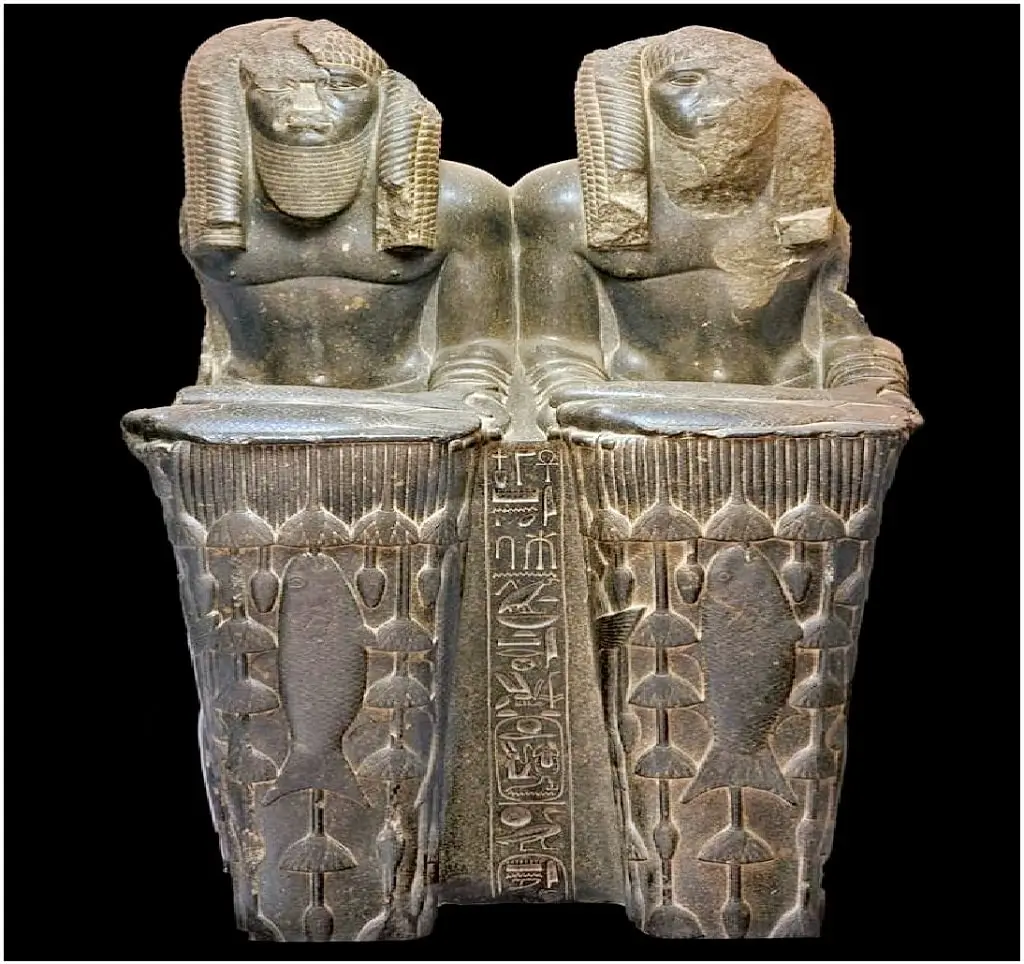
Statue-of-Amenemhat-III-as-Hapi-Roles and Responsibilities

Hapi’s primary responsibility was singular and supremely important: he brought the annual Nile flood. This event was not just a seasonal occurrence; it was a divine miracle. The floodwaters deposited a thick layer of fertile black silt, which allowed farmers to cultivate crops in an otherwise arid land. Without Hapi’s beneficence, Egypt would have been a barren desert.

  • Fertility: Hapi was the ultimate god of fertility. His waters made the soil rich, ensuring abundant harvests of wheat, barley, and flax. This made him indispensable to the agricultural economy.
  • Sustenance: He provided food for the people and fodder for their animals. Fish and wildfowl thrived in the floodwaters, offering additional sustenance.
  • Cosmic Order: By consistently bringing the flood, Hapi helped maintain Ma’at, the cosmic balance. His reliable return signified that the gods were pleased and the world was functioning as it should.

Egyptian Phoenix Bennu: Myth, Symbolism, and Legacy

Forget the fire. The original legend is even better. Meet the Bennu, the Egyptian Phoenix....
Related post
The eye of Horus

Iconography and Depiction

Iconography and depiction of God Hapi

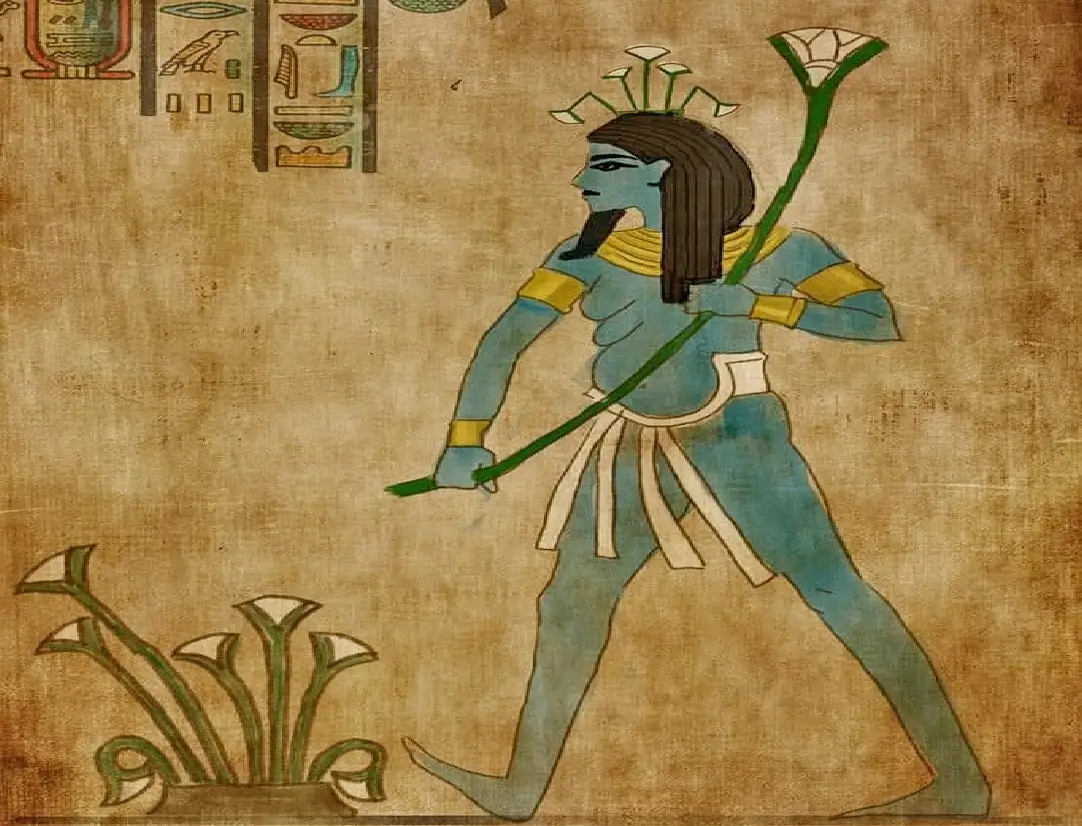
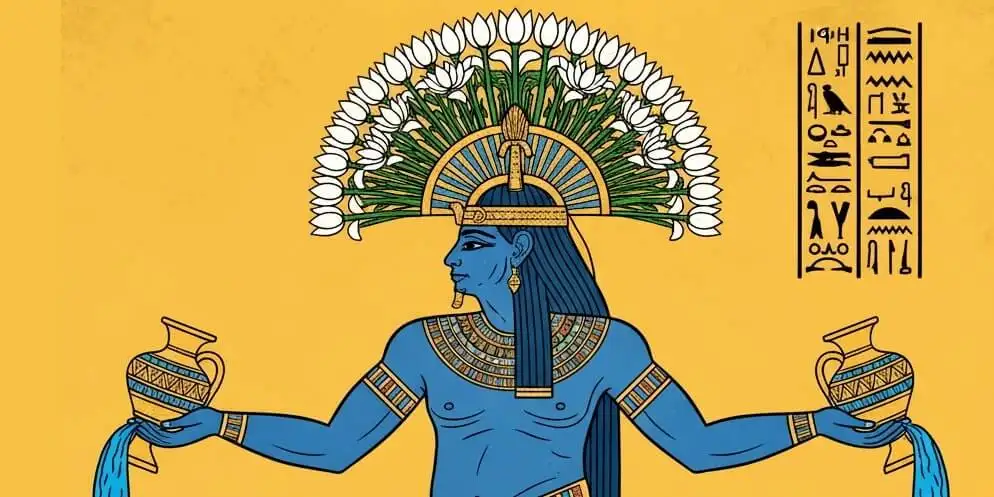
Artists uniquely depicted Hapi, setting him apart from most other Egyptian deities. He rarely appeared with an animal head or in a mummified form. Instead, they consistently portrayed him as:

  • An androgenous figure: God Hapi has a pot-belly and pendulous breasts, symbolizing the immense fertility and nourishment he provided. This appearance highlighted his ability to nurture and sustain all life, transcending typical gender roles.
  • Green or Blue Skin: His skin color often appeared green or blue, representing the lush vegetation and the life-giving water of the Nile.
  • Headdress of Water Plants: God Hapi frequently wore a headdress made of papyrus or lotus plants, further associating him with the flora of the Nile. Sometimes, he carried an offering table laden with the produce of the river and fields.

Sometimes, artists showed two Hapi figures side-by-side, one wearing papyrus and representing Upper Egypt (southern Nile), and the other wearing lotus and representing Lower Egypt (northern Nile). These two figures bound together the plants of both regions around the hieroglyph for “union,” symbolizing the unity of Egypt under the benevolent power of the Nile.

Amun: The Hidden One Who Became King of the Gods in Ancient Egypt

God Amun stands as one of the most powerful and enduring deities of the Egyptian...
Related post
Golden Scarab

God Hapi: Worship and Rituals

God Hapi did not have large, dedicated temples in the same way as gods like Ra or Amun. Instead, Egyptians celebrated his cult through widespread rituals, particularly the Rituals of the Nile Inundation. These ceremonies were crucial for ensuring a successful flood:

  • Offerings: People made offerings to Hapi at various points along the Nile, especially at sites where the river’s depth was measured (Nilometers). These offerings included food, precious metals, and sometimes symbolic sacrifices to appease the god.
  • Festivals: The onset of the inundation was a time of great celebration and public festivals, full of music, dancing, and feasting. These events aimed to express gratitude and encourage Hapi’s continued generosity.
  • Hymns and Prayers: Numerous hymns and prayers were dedicated to god Hapi, praising his life-giving power and petitioning him for a strong, but not overly destructive, flood.

His importance was evident in every aspect of life. Pharaohs, as the chief intermediaries between gods and men, often played a prominent role in these rituals, thereby solidifying their own legitimacy as the guardians of Egypt’s prosperity.

Egyptian Phoenix Bennu: Myth, Symbolism, and Legacy

Forget the fire. The original legend is even better. Meet the Bennu, the Egyptian Phoenix....
Related post
The eye of Horus

Legacy of God Hapi

Hapi’s legacy is intertwined with the very existence of ancient Egypt. He embodied the core environmental reality that allowed this magnificent civilization to flourish for thousands of years. The consistent depiction of his benevolent, fertile form in art and the pervasive nature of his worship speak volumes about the Egyptians’ profound understanding and reverence for the natural world, particularly the unique miracle of the Nile. His story remains a powerful reminder of humanity’s ancient connection to the life-giving forces of nature.

Weather in Egypt

God_Anubis_Icon

Big tick off our bucket list!

Booked the evening before and were able to do everything we hoped to in a day, with a knowledgeable guide & at a reasonable price! Lunch was included and absolutely delicious! Learnt about the history of Egypt, which was the most important part of sightseeing in Cairo/Giza. Hamada also gave

More »

Pyramids in the Mist, Egypt Adventure

Our long drive from Cairo turned into a terrifying flight through Alexandria’s impossibly crowded streets. Our minivan miraculously avoided hitting pedestrians, donkey carts, and old Lada cars. We arrived at the port gates with only 10 minutes to spare. But the guards ignored our U.S. passports, and they refused to

More »

Cairo Day Trip

Great trip organised. I had a 12-hour layover in Cairo and had a great time with Sherif, who answered every question I had on ancient Egypt. Highly recommend.

More »
Souqs and Markets in Egypt - Egypt Fun Tours

Cairo walking tours

After a rocky start (the driver had been in an accident on his way to pick me up,) the company very quickly sent another driver/guide named Mohammed, who was a real pro. Thoroughly enjoyed my first day in Egypt!

More »
God_Anubis_Icon

Top-rated Tour Packages

God_Anubis_Icon