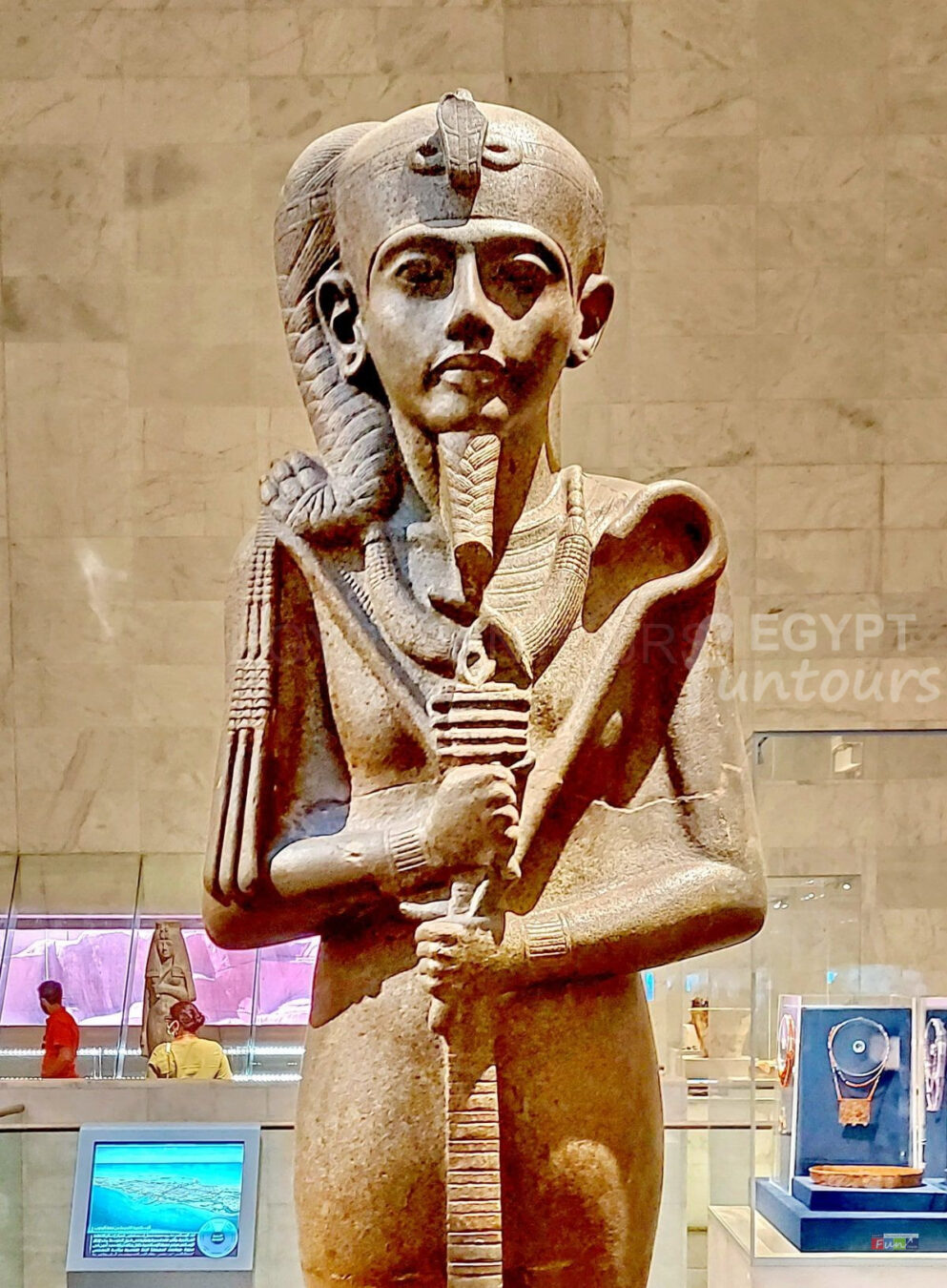
Khonsu: Enigmatic Moon God of Ancient Egypt 🌕
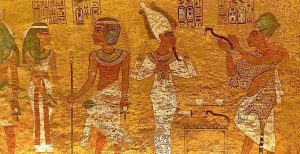
Khonsu, a prominent yet often mysterious deity in the ancient Egyptian pantheon, is best known as the god of the Moon. His name, meaning “traveler” or “wanderer,” perfectly encapsulates his celestial journey across the night sky. While primarily associated with the Moon, Khonsu’s influence extended to various aspects of life, including healing, protection, and the passage of time. This article explores the rich history, captivating myths, and profound significance of this fascinating lunar deity.
Origins and Early Worship: A Celestial Journey
The worship of Khonsu dates back to the Old Kingdom (c. 2686–2181 BCE), though his prominence grew significantly during the New Kingdom (c. 1550–1070 BCE). He was particularly revered in Thebes (modern-day Luxor), where he formed a key part of the Theban Triad alongside his father, Amun, and his mother, Mut. His cult centers often coincided with important religious sites dedicated to the Triad, solidifying his role within the powerful Theban priesthood.