The Perfect 16-Day Egypt Itinerary: Sahara, Dahabiya Sailing & Ancient Secrets

Sixteen days is the "Magic Number" for Egypt. It allows you to break free from the standard tourist circuit. While 14-day trips force you to choose between the Desert and the Beach, a 16-day itinerary grants you both. This route replaces the crowded large cruise ships with a private Dahabiya yacht, adds a surreal camping trip in the White Desert, and dedicates a full day to the often-missed masterpieces of Dendera and Abydos. It is a journey for travelers who want to see the real Egypt, not just the postcard.

Most travelers rush during tours in Egypt. They try to sprint through 5,000 years of history in 10 days. The result? They leave exhausted. They see the Pyramids, but they miss the soul of the country. 16 Days is the sweet spot. It changes the pace from a sprint to a marathon. It gives you the luxury of “Slow Travel.”

  • The “Lost” Monuments: You have time to drive north of Luxor to see the best-preserved temple in Egypt (Dendera) and the mysterious Osireion at Abydos.
  • The Real Nile: Instead of a loud, diesel-powered cruise ship, you will sail on a Dahabiya—a wind-powered yacht that docks at islands big ships can’t reach.
  • The Sahara: You will leave the Nile Valley entirely to sleep under the Milky Way in the White Desert.

The Route This itinerary follows a counter-clockwise loop designed to manage your energy levels: Cairo → White Desert → Aswan → Dahabiya Sail → Luxor → Marsa Alam → Cairo.

In this guide, we break down the complex logistics of desert permits, the current status of the Grand Egyptian Museum (GEM), and why we chose Marsa Alam over Hurghada for the grand finale.

FUN

The Sahara & The City (Days 1-5)

10 top-rated luxury hotels in Cairo

We start with high energy. Before heading south to the Nile, we will tackle the capital and the desert.

Note on Museums: As of 2025, the Egyptian museum scene is split. The Grand Egyptian Museum (GEM) near the Pyramids is partially open (Main Galleries/Grand Staircase), but the Tahrir Museum in downtown still holds many Old Kingdom masterpieces. This itinerary prioritizes the Giza area to minimize traffic stress.

Day 1: Arrival & The Plateau

  • Arrival: Land at Cairo International Airport (CAI).
  • The Strategy: Do not stay downtown yet. Head straight to Giza. It is calmer, and waking up next to the Pyramids is the best jet-lag cure.
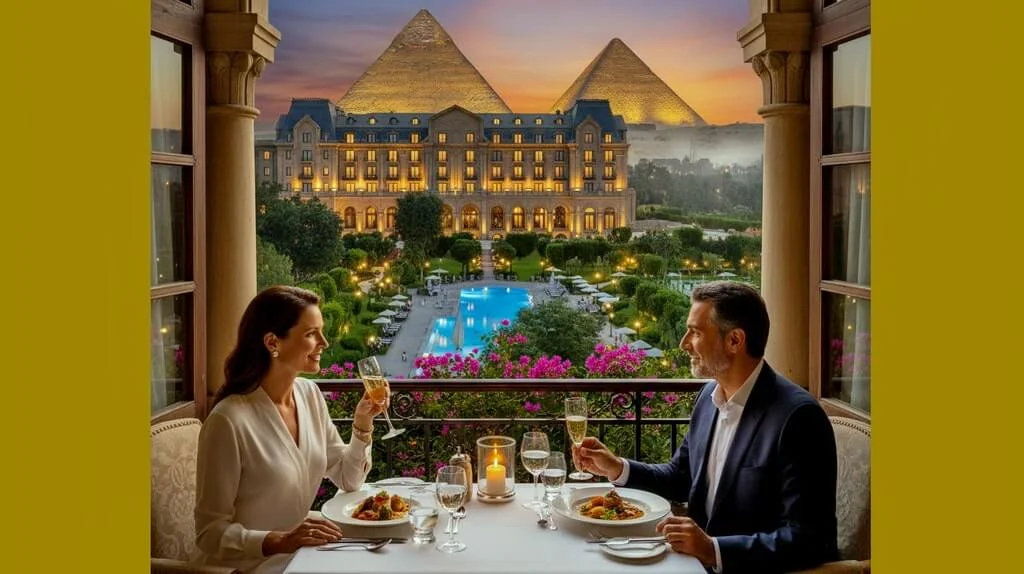
  • Check-In: Luxury: Marriott Mena House. Request a “Pyramid View” room. Boutique: Guardian Guest House or Great Pyramid Inn (budget-friendly with incredible rooftop views).
  • Dinner: Eat at the 9 Pyramids Lounge. It is located inside the pyramid complex (on the desert side). You need a reservation, but dining on cushions while looking at the Queens’ Pyramids is unbeatable.

2nd Day: The Giza Classics & The GEM

Grand Egyptian Museum (GEM) - Egypt Fun Tours

  • Morning: The Giza Plateau.

  1. Start at 8:00 AM. Enter the Great Pyramid (Khufu) immediately before the humidity builds up inside.
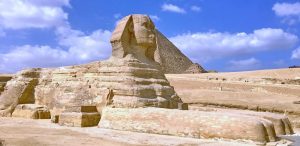
  2. The Sphinx: Walk down the causeway to the Valley Temple to stand between the paws (if you booked a special access ticket) or view it from the causeway.
  • Afternoon: The Grand Egyptian Museum (GEM).

  1. It is only 2km from the Pyramids.
  2. See: The Hanging Obelisk, the colossal statue of Ramesses II in the atrium, and the Grand Staircase.
  • Evening: Rest and repack. You need a small overnight bag for the desert tomorrow. Leave your big luggage with the hotel concierge or your driver.

3rd Day: Into the White Desert

3-day desert safari trip from Cairo—Egypt Fun Tours

This is the highlight most tourists miss.

  • 07:00 AM: Your private driver picks you up. It is a 4-5 hour drive on the paved road to the Bahariya Oasis.
  • The Switch: At the oasis, you leave the sedan/bus and board a 4×4 Land Cruiser.
  • The Black Desert: Your first stop. Volcanic, cone-shaped mountains rise out of the orange sand.
  • Crystal Mountain: A natural arch made entirely of quartz crystals.
  • Agabat Valley: The “Valley of Wonders.” Massive limestone walls and yellow dunes. It is perfect for sandboarding.
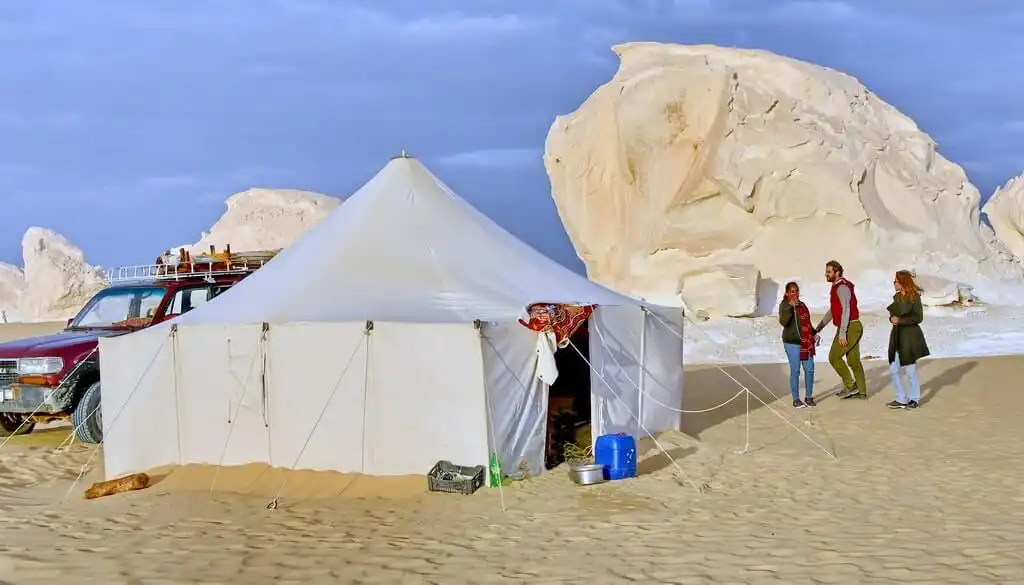
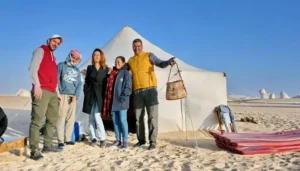
  • The Camp: Arrive at the White Desert National Park at sunset.
  1. The Scene: The wind has eroded the white chalk into surreal shapes (mushrooms, chickens, waves). It looks like the surface of the moon.
  2. The Night: You camp here. Bedouin guides cook chicken over a fire. There is no light pollution. The silence is absolute.

Day 4: Sunrise & The Move South

  • The Magic Hour: Wake up before dawn. The rising sun turns the white chalk purple and pink.
  • The Return: Drive back to Bahariya Oasis to shower and switch cars. Drive back to Cairo (arrive approx. 3:00 PM).
  • The Transit: You have two choices to get to Aswan:
  1. The Sleeper Train (Wataniya): Depart Ramses Station around 8:00 PM. It is an adventure (“Murder on the Orient Express” vibes, but older). Dinner is served in your cabin.
  2. The Flight: Fly EgyptAir from Cairo to Aswan (1 hour 20 mins).
  • Recommendation: If you are tired of camping, fly. If you want the romance of the rails, take the train.

Day 5: Slow Aswan

Getting to and Around - An Aswan Travel Guide to Logistics

  • Arrival: Arrive in Aswan. The pace here is African, slow, and relaxed.
  • Check-In: Legendary: Sofitel Legend Old Cataract. (Where Agatha Christie wrote Death on the Nile). Charming: Eco Nubia on Heissa Island.
  • Afternoon: Take a motorboat to Philae Temple. It sits on an island. Go just before sunset to see the stone turn gold, then stay for the Sound & Light show if you wish.
  • Dinner: El Dokka (on an island) or the terrace of the Old Cataract.
FUN

The Slow Nile (Days 6-9)

Eyaru Dahabiya - cairo and dahabiya cruise - The Dahabiya Difference: Why It's Worth Every Penny

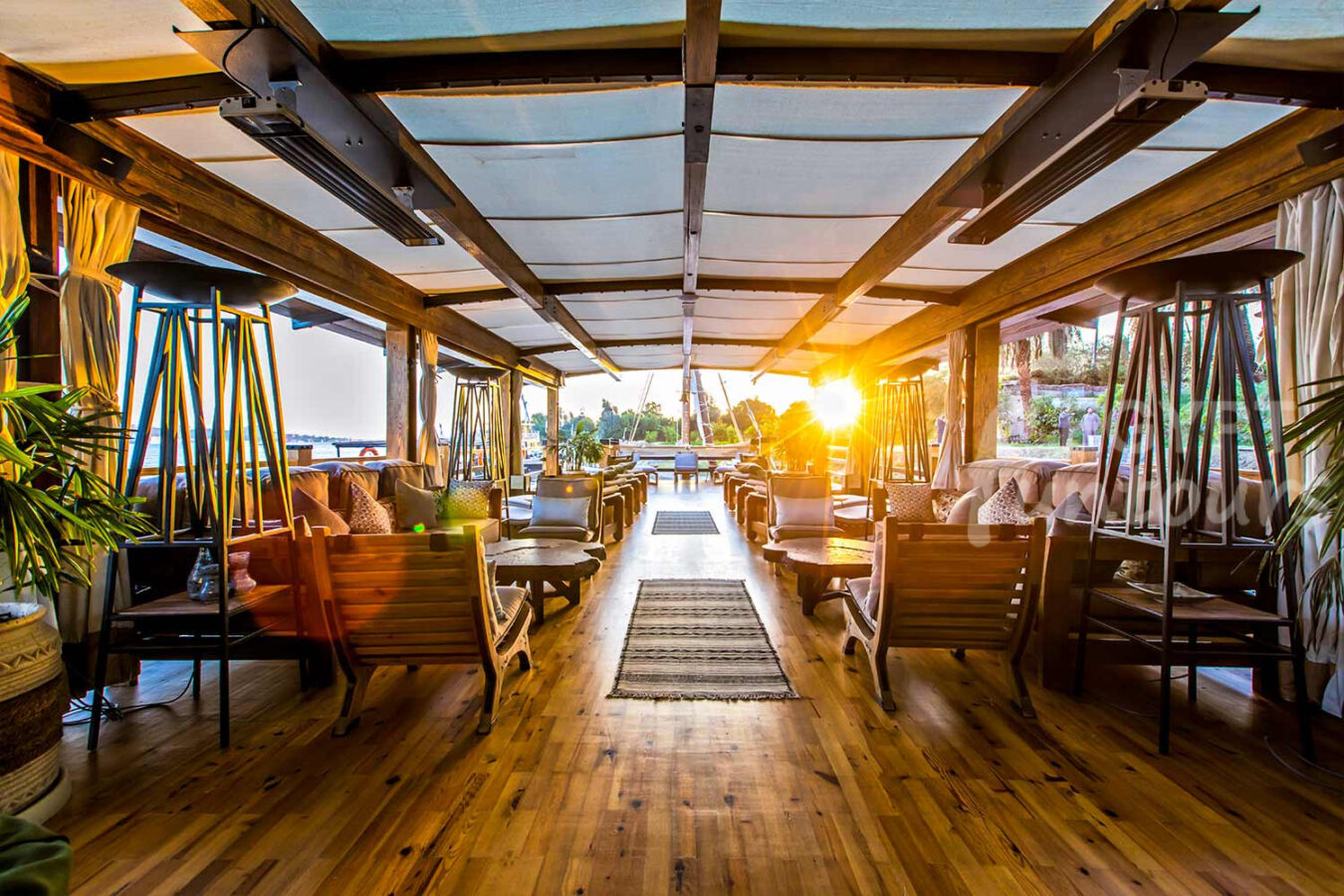
Cruising the Nile is essential, but how you do it matters. Most tourists board massive “floating hotels” with 50+ cabins, diesel engines, and rigid schedules. You are doing it differently. You are taking a Dahabiya—a traditional two-masted sailing yacht with only 5–10 cabins. No engines (it is towed by a tug from a distance or uses wind), no crowds, and total silence.

Day 6: The Guardian of the South & Boarding

The Best Day Trips from Aswan

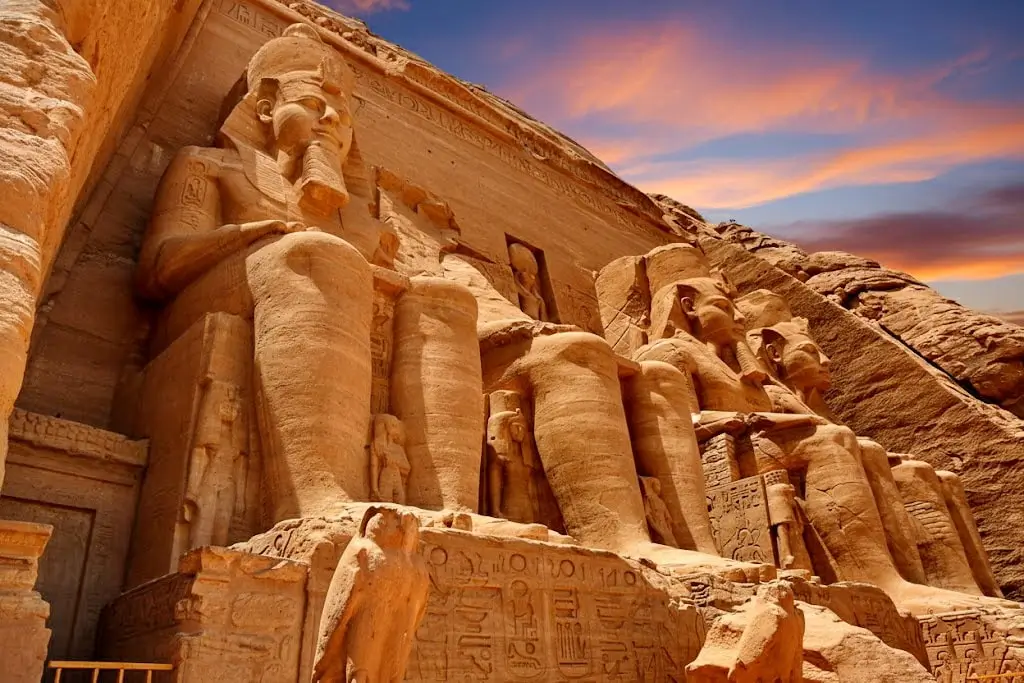
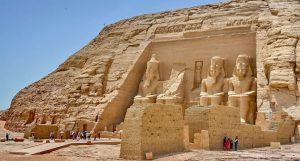
  • The Morning Mission: The earliest wake-up call of the trip (04:00 AM) for the convoy to Abu Simbel.

  1. The Drive: 3.5 hours through the Sahara.
  2. The Sight: The four colossal statues of Ramesses II guarding the southern border. This is the most impressive individual monument in Egypt.
  • The Upgrade: Fly back to Aswan (45 mins) to save time/energy if budget permits.
  • The Boarding: In the afternoon, board your Dahabiya in Aswan.
    • The Vibe: Unlike the chaos of the main port, Dahabiyas usually dock at private, quiet banks. Lunch is served on the sundeck as you cast off and drift north.

Day 7: Kom Ombo & The Sound of Silence

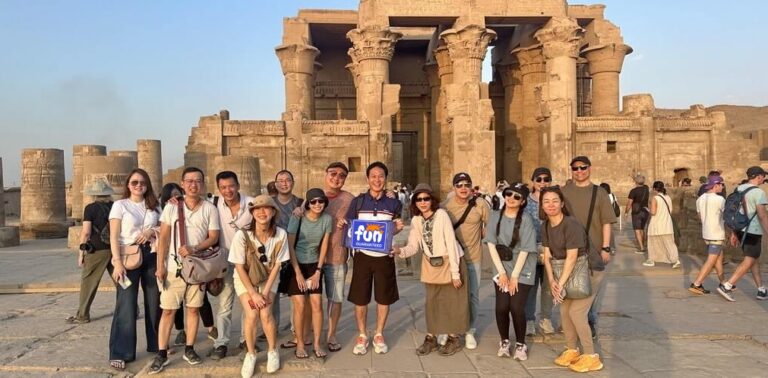
Crocodile Temple at Kom Ombo Crocodile in ancient Egypt Egypt FunTours

  • Morning: Kom Ombo Temple: Visit the double temple of Sobek (Crocodile God) and Horus (Falcon God).

    • Tip: Visit the Crocodile Museum next door to see mummified crocs.

  • The Sailing: The rest of the day is pure relaxation. Because the boat is small, it can stop at tiny river islands for a walk or a swim in the clean currents of the Nile—something big ships cannot do.
  • The Night: Dock on a remote island bank. Dinner is served under the stars, often with a bonfire.

8th Day: The Exclusive Stop (Gebel el-Silsila)

This is the secret weapon of the Dahabiya itinerary.

  • The Location: Gebel el-Silsila is the narrowest point of the Nile. It was the ancient sandstone quarry that built the Karnak and Luxor Temples.
  • The Access: Large cruise ships cannot stop here; they sail right past. Your Dahabiya will dock right at the cliffs.
  • The Exploration: Walk among the quarries where the slaves cut the stones. Visit the rock-cut Speos of Horemheb (a temple carved into the cliff). It feels like a miniature Abu Simbel, but you will likely be the only tourists there.

Day 9: The Falcon & The Lock

edfu egypt vacation best time

  • Morning: Edfu Temple. Take a horse carriage from the riverbank to the Temple of Horus. It is the best-preserved temple in Egypt (the roof is intact).
  • The Esna Lock: Return to the boat and sail north to Esna. The Spectacle: Passing through the lock is an event. Local merchants in rowboats will row up to your ship and throw bags of cotton towels and galabeyas up to the deck to sell them. It is chaotic and fun.
  • Arrival: Sail into Luxor at sunset.
  • The Transfer: Disembark and check into a hotel on the West Bank (e.g., Al Moudira). Staying on the West Bank puts you closer to the tombs and away from the noisy city center.

Best Time to Visit Egypt and Jordan

Best Time to Visit Egypt and Jordan: Seasonal Travel Tips Is summertime here too hot?...

Related post
FUN

The Deep History (Days 10-12)

Luxor Travel Guide-Top Sights & Essential Tips

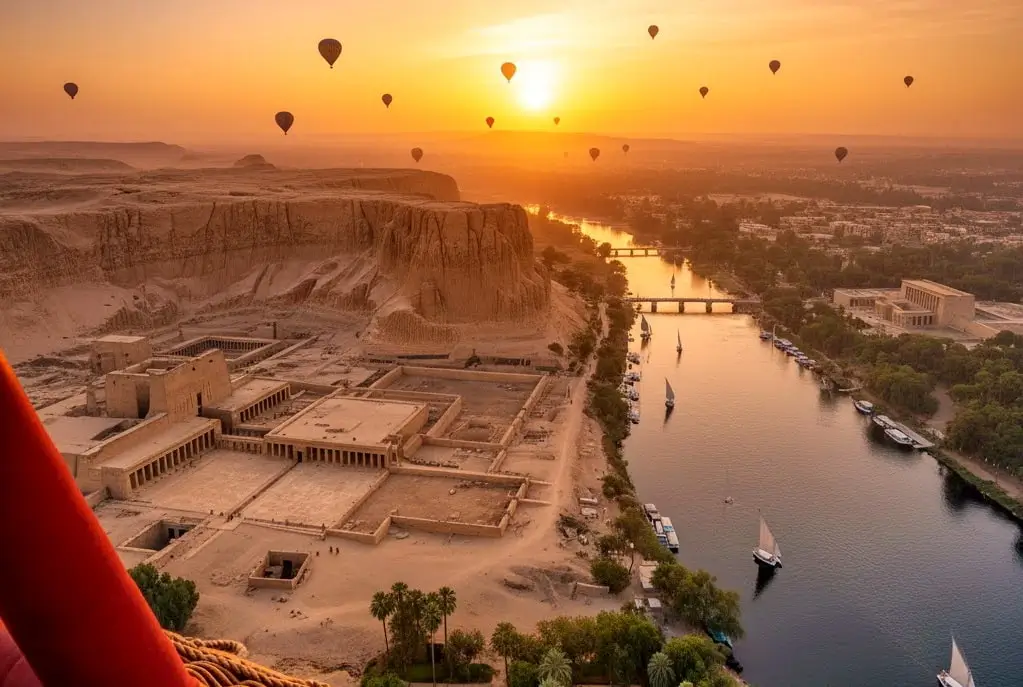
You are now in Luxor. This is the ancient city of Thebes. Most tourists try to do the East and West Banks in one day. You have three. This allows you to see the tombs that require extra tickets and to take the crucial day trip to Abydos that standard itineraries skip.

Day 10: The West Bank Marathon

Wake up on the West Bank. You are already on the correct side of the river, beating the crowds crossing from the East.

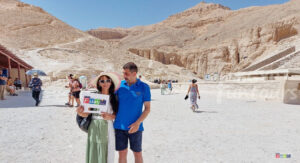
  • Morning: Valley of the Kings. The Strategy: Your standard ticket includes three tombs. Guides usually recommend Ramesses IV, Ramesses IX, and Merneptah. The Splurge (KV17): Buy the extra ticket for the Tomb of Seti I. It costs roughly $40 USD (2,000 EGP), but it is worth every penny. It is the deepest, most colorful, and most complete tomb in the valley.
  • Late Morning: Deir el-Medina (Valley of the Artisans). Most groups skip this. Do not skip it. These are the tombs of the artists who built the royal tombs. Because they were painting for themselves, the art is more personal and vibrant. The Tomb of Sennedjem looks like it was painted yesterday.
  • Lunch: Eat at Marsam (a legendary guesthouse/restaurant on the West Bank).
  • Afternoon: Relax at your hotel pool. The West Bank heat is intense.

Day 11: The “Lost” Temples (Dendera & Abydos)

Dendara abydos tours 3

This is the “Day 16 Bonus.” Shorter trips simply cannot fit this in. Hire a private driver for a full-day road trip north (approx. 10 hours total). You will pass through rural Egyptian villages that look unchanged for centuries.

Stop 1: Abydos (Temple of Seti I).

  • The Drive: 3 hours north of Luxor.
  • The King List: Find the famous “Abydos King List” carved on the wall. This is how we know the names of the Pharaohs today.

The Osireion: Walk behind the temple to see the mysterious subterranean structure filled with water, believed to be the symbolic tomb of Osiris.

Stop 2: Dendera (Temple of Hathor).

  • The Drive: 1.5 hours back toward Luxor.
  • The Ceiling: Dendera is the only temple in Egypt with its roof fully intact. Look up. The ceiling has been cleaned of centuries of soot, revealing a brilliant, electric astronomical blue. It is arguably the most beautiful ceiling in Egypt.
  • The Crypts: Crawl down into the crypts beneath the floor to see the “Dendera Light” reliefs.

Day 12: Karnak & The Move to the Sea

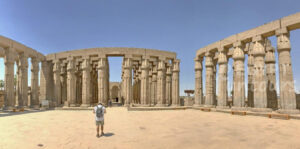
Luxor and Aswan Nile Cruises - Karnak temple columns - 3-Night Family Nile Cruise

  • 06:00 AM: Karnak Temple (Sunrise): Cross to the East Bank at dawn. Be the first to enter Karnak. The Hypostyle Hall: Walking through the forest of 134 giant columns alone is a spiritual experience. The morning light cuts through the stone grids, creating perfect photography conditions.
  • The Transfer: By 11:00 AM, your driver picks you up for the move to the Red Sea.
  • The Destination: Marsa Alam.
  • The Drive: It takes about 4.5 hours. You will drive through the Eastern Desert, watching the landscape shift from green Nile fields to jagged mountains to turquoise sea.
  • Check-In: Arrive at your resort in Marsa Alam (e.g., Hilton Nubian or The Three Corners Fayrouz).

The Ultimate Guide: How to Plan the Perfect Family Vacation in Egypt

Planning a Family Vacation in Egypt requires balancing awe-inspiring history with child-friendly logistics. This essential...
Related post
FUN

The Turquoise Finale (Days 13-16)

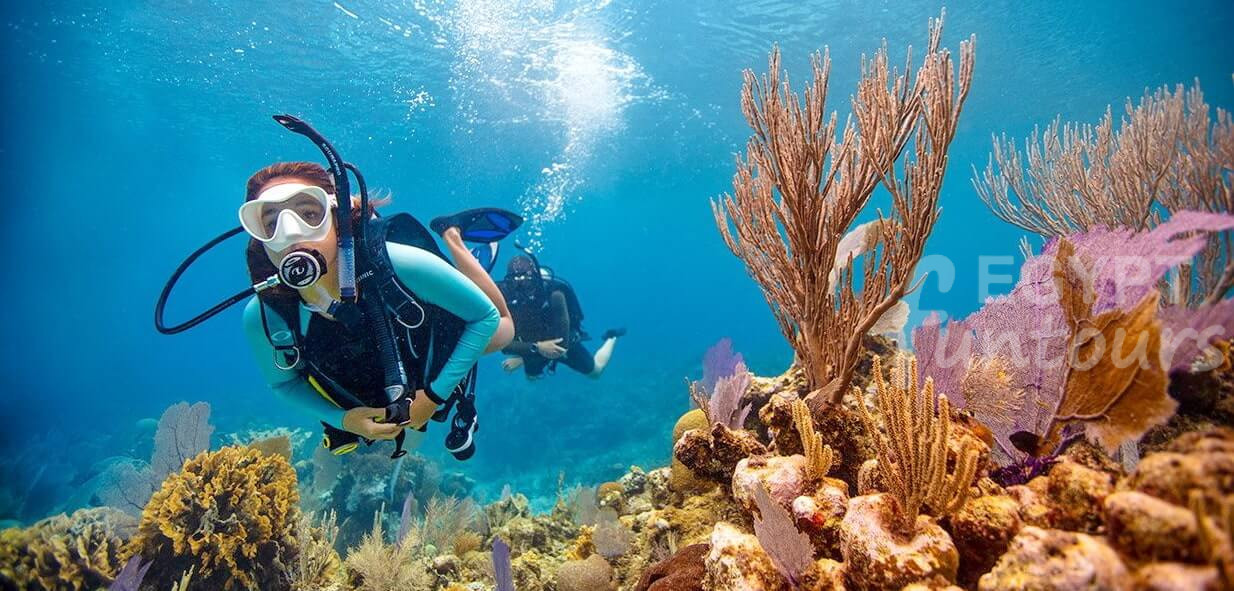
Diving in El Gouna

You have traded the dust of the tombs for the clearest water in Egypt. Marsa Alam is not like Hurghada or Sharm El Sheikh. It is quiet and remote. It is where you go to see marine life that exists nowhere else in the Red Sea.

Day 13: The Dugong Hunt (Abu Dabbab)

  • The Location: Abu Dabbab Bay. It is a U-shaped natural bay with a sandy bottom covered in seagrass.
  • The Mission: This is one of the few places on Earth where you can snorkel with the Dugong (Sea Cow).
  1. The Strategy: They graze in the shallow seagrass beds. You do not need to scuba dive; you just need a mask and patience.
  2. The Guarantee: Even if you miss the Dugong, you are effectively guaranteed to see massive Green Sea Turtles. They are resident here, often grazing in water only waist-deep.
  • Evening: Dinner at your resort. The nightlife here is non-existent; the focus is on the stars and the sea.

Day 14: The Dolphin House (Sataya Reef)

This is a full-day commitment, but it is the best marine experience in Egypt.

  • The Logistics: You will be picked up early (around 7:00 AM) and driven south to the Hamata port (approx. 2 hours).
  • The Boat Trip: Board a boat for a 2-hour sail to Sataya Reef.
  • The Experience: This lagoon is the resting place for hundreds of Spinner Dolphins.
  1. Unlike aquariums, these are wild. They often choose to swim alongside snorkelers.
  2. The Rules: Do not touch. Let them come to you.
  • The Return: You sail back at sunset, arriving at your hotel in time for a late dinner.

Day 15: Return to the Capital

Getting back to Cairo requires planning, as flights from Marsa Alam are not as frequent as from Hurghada.

  • Option A (Direct Flight): EgyptAir flies from Marsa Alam (RMF) to Cairo. However, schedules can be sparse (often 2–3 times a week). Book this months in advance.
  • Option B ( The Hurghada Backup): If the flight schedule doesn’t match, hire a driver to take you north to Hurghada Airport (3 hours). Flights to Cairo leave almost hourly from there.
  • Final Night in Cairo:
  1. Drop your bags at a hotel near the airport (like Le Méridien) or in Heliopolis to avoid traffic.
  2. The Farewell: Spend your last evening walking Al-Moez Street in Islamic Cairo. Seeing the minarets lit up at night is the perfect closing image.

Day 16: Departure

  • Breakfast: One last falafel sandwich.
  • The Airport: Since you are already in Cairo, the transfer is stress-free.
  • The Reflection: You are leaving with sand from the White Desert in your shoes and salt from the Red Sea in your hair. You didn’t just visit Egypt; you lived it.

Egypt Tours Extra Bundles

Egypt Tours extra bundles Pre-arrival & Pre-departure tours: Booked your Egypt Tour Package and looking...

Related post
FUN

The Ultimate Slow Travel

Sixteen days might seem like a long time, but in Egypt, it is barely enough.

By choosing this itinerary, you rejected the “fast food” version of tourism.

  • Instead of a 45-minute rush through the Valley of the Kings, you had the time to drive north to Abydos.
  • Instead of a crowded cruise ship, you sailed in silence on a Dahabiya.
  • Instead of staying in the hotel zone, you slept under the stars in the Sahara.

You have seen the country in all its contradictions: the silence of the desert, the chaos of Cairo, and the timeless flow of the Nile.

Logistics & FAQ

How much does this 16-day trip cost?

  • Mid-Range: $2,800 – $3,500 per person. (Includes private guides, domestic flights, 4-star hotels, and a standard Dahabiya cabin).
  • Luxury: $5,500+ per person. (Includes 5-star legends like the Old Cataract, private charters, and a luxury suite on the Dahabiya).

Do I need a guide for the White Desert?

Yes, absolutely. You cannot enter the National Park without a licensed Bedouin guide and a 4×4 permit. There is no cell signal, and the desert tracks are unmarked. Do not attempt to self-drive.

Is Marsa Alam safe?

Yes. It is a very sleepy, secure resort town. The main danger is sunburn or currents (always swim with a buddy).

When is the best time for this specific itinerary?

October to April.

  • You need the cooler weather for the White Desert camping (tents become ovens in summer).
  • You need the winter months for the Dahabiya, as the lack of wind in summer can make sailing difficult (forcing the boat to be towed by a tugboat).

16 Days Standard Historical Egypt Tour

16 Days Family Tour

Weather conditions in Egypt

Discover the best of Egypt exploring the iconic attractions and enjoying desert safari adventure....
Discover wonders in Cairo and Luxor, then go to Hurghada....

Outstanding layover tour

I had the opportunity to do a layover tour with Egypt Fun Tours this Friday, and it was amazing. I had a 10-hour layover tour in Cairo, and I was met by Mohamed on time at the airport. He picked me up in a clean, new, safe, and comfortable van.

More »
hani ahmed 1

Hani Was our Awesome Tour Guide!

We had an 11-hour layover in Cairo on 12/15/2011. We wanted to go to see the Pyramids, Tahrir Square, and possibly the museum. We were so lucky to have a guide, Hani from Egypt Fun Tour, who made it possible to see all the above, plus the Bazaar, and time

More »
15-Day Historical Egypt Tour Package

all good!

we took pyramid and Cairo city tours and all went smoothly. The were very flexible to adapt to our requirements. Car, car driver and guide were great. very knowledgable and professional tour. Very recommendable

More »

Excellent Tour

Really excellent tour from Mohamed, and we learned so much about Egypt and went to places we never would have found as tourists at home. My girlfriend had a 12 hour stop over on the way to Ethiopia and it was the perfect way to see Cairo. I hope people

More »
Isis with wings

Top-rated Tour Packages

Isis with wings