King Seti I: The Pharaoh Who Saved Egypt (Biography & Tomb Guide)

King Seti I is the unsung hero of the New Kingdom. Ruling during the 19th Dynasty, he inherited an empire fractured by religious chaos and military weakness. He spent his reign fixing it. Known as "The Restorer," Seti I reconquered lost territories in Syria, commissioned the finest art in Egyptian history (including the famous temple at Abydos), and built the most magnificent tomb in the Valley of the Kings. He set the stage for the golden age of his son, Ramesses the Great.

Most people know the son. Few people know the father. The son, Ramesses II, is famous for building big. He covered Egypt in massive statues and colossal temples. The father, King Seti I, was different. He built beautiful.

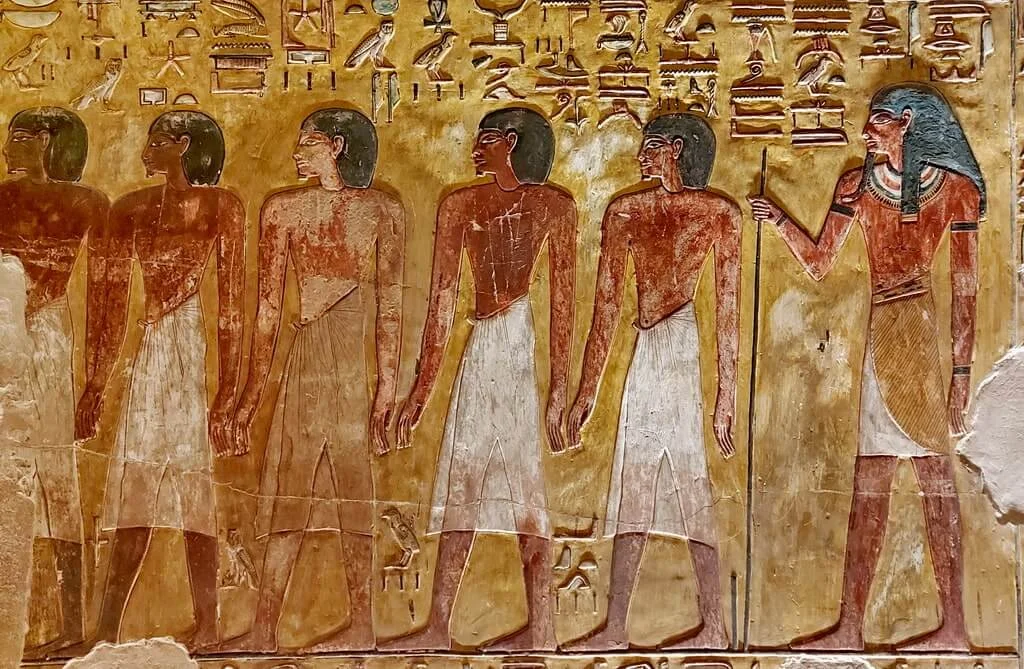
Ruling from approximately 1290 to 1279 BC, Seti I faced a nearly impossible task. He came to the throne after the disastrous “Amarna Period,” a time when the heretic king Akhenaten had neglected the empire and banned the old gods. Egypt was weak, bankrupt, and losing territory.

Seti I fixed it. He was a warrior who marched into battle to reclaim Egypt’s borders. He was a devout religious restorer who reopened the temples. And perhaps most importantly, he was a patron of the arts.

  • The Art: His temple at Abydos contains the finest “raised relief” carvings ever produced.
  • The Tomb: His burial place (KV17) is so colorful and detailed that it is often called the finest tomb in the Valley of the Kings.
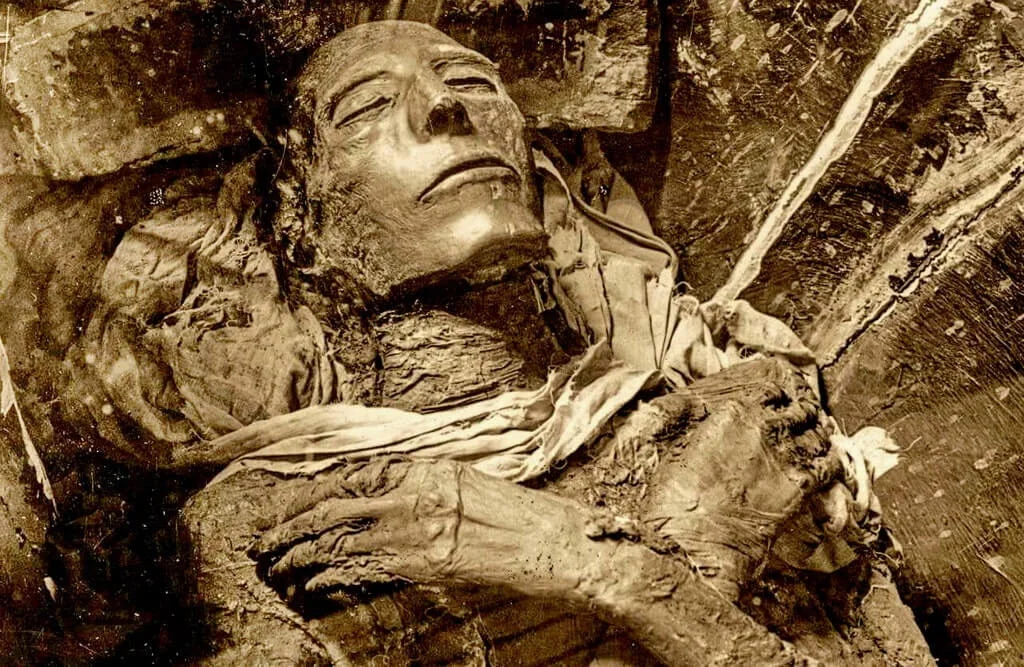
  • The Mummy: When you look at his preserved face in the museum, he looks like he is merely sleeping. He has the most serene and well-preserved face of any Pharaoh.

In this guide, we will explore the life of the “Restorer King.” We will look at his military campaigns, decipher the famous Abydos King List, and take a deep dive into the most spectacular tomb ever found.

FUN

The Warrior King (Restoring the Empire)

King Seti I - Egypt Fun Tours

Before he was a builder, King Seti I was a soldier.

When he took the throne, the “Egyptian Empire” was in name only. The Hittites had pushed south, and local Bedouin groups were rebelling in Canaan. The roads were unsafe, and tribute had stopped flowing.

Seti did not sit in the palace. He marched.

The Military Road: Securing the Borders

The Military Road; King Seti I Securing the Borders

His first campaign was practical. He had to open the supply lines.

He marched his army along the “Ways of Horus,” the coastal road connecting Egypt to Gaza.

  • The Problem: The wells and forts along this road had been seized by “Shasu” Bedouin rebels.
  • The Solution: Seti crushed them.
  • The Record: On the walls of Karnak Temple, you can see Seti driving his chariot, trampling the enemy. This was not just propaganda; it was a necessary police action to reopen the trade routes.

The Canaan & Syria Campaigns

With the road open, King Seti I pushed north into modern-day Lebanon and Syria.

He achieved something no pharaoh had done in decades: he captured the city of Kadesh.

  • The Distinction: His son, Ramesses II, is famous for fighting at Kadesh and ending in a stalemate. Seti I actually captured it (though the Egyptians later lost it again).
  • The Impact: He re-established Egypt as a superpower. He forced the Hittites to respect the old borders, bringing back cedar wood from Lebanon and tribute from Syria.

The Warrior’s Legacy Seti I proved that the “Amarna Sickness” was over. Egypt was strong again. He returned to Thebes in triumph, carrying the spoils of war that would fund his greatest project: the restoration of the temples.

FUN

The Master Artist (The Abydos Temple)

Dendara Abydos tours from luxor - 4-day luxor tour

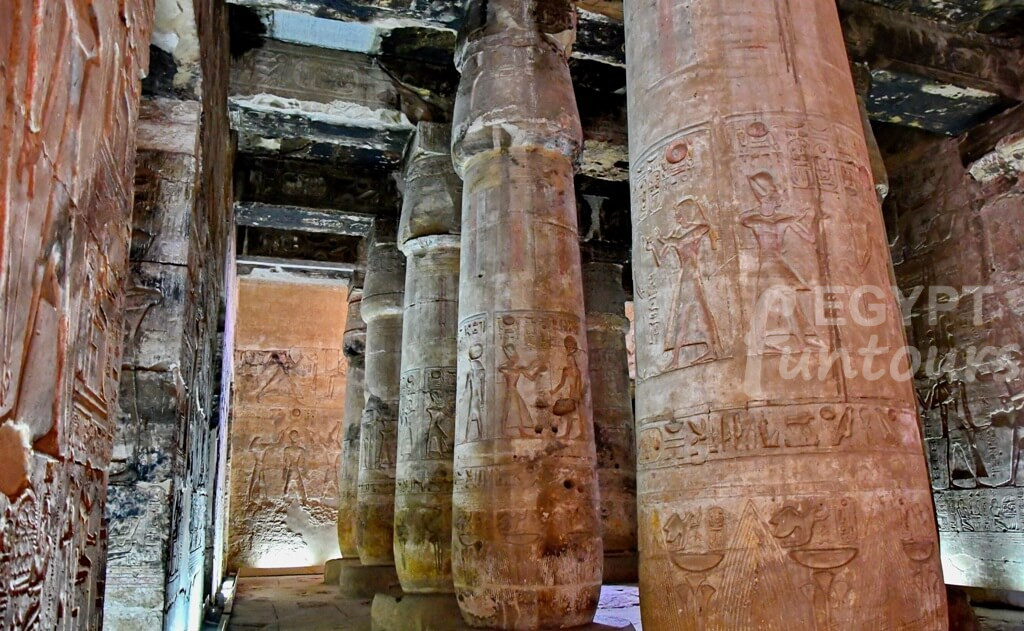
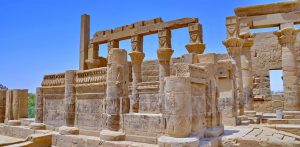
King Seti I was not satisfied with just winning wars. He wanted to restore the soul of Egypt. He chose the holy site of Abydos—the mythical burial place of the god Osiris—to build his masterpiece.

The Temple of Seti I

God Amun - Dendara Abydos tours from luxor - 4-day luxor tour

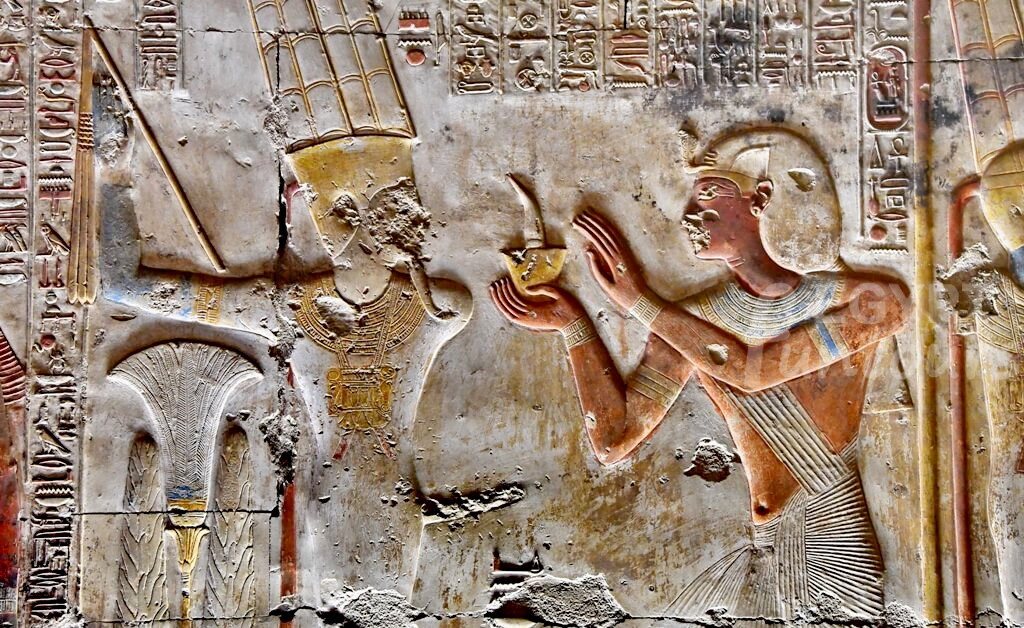
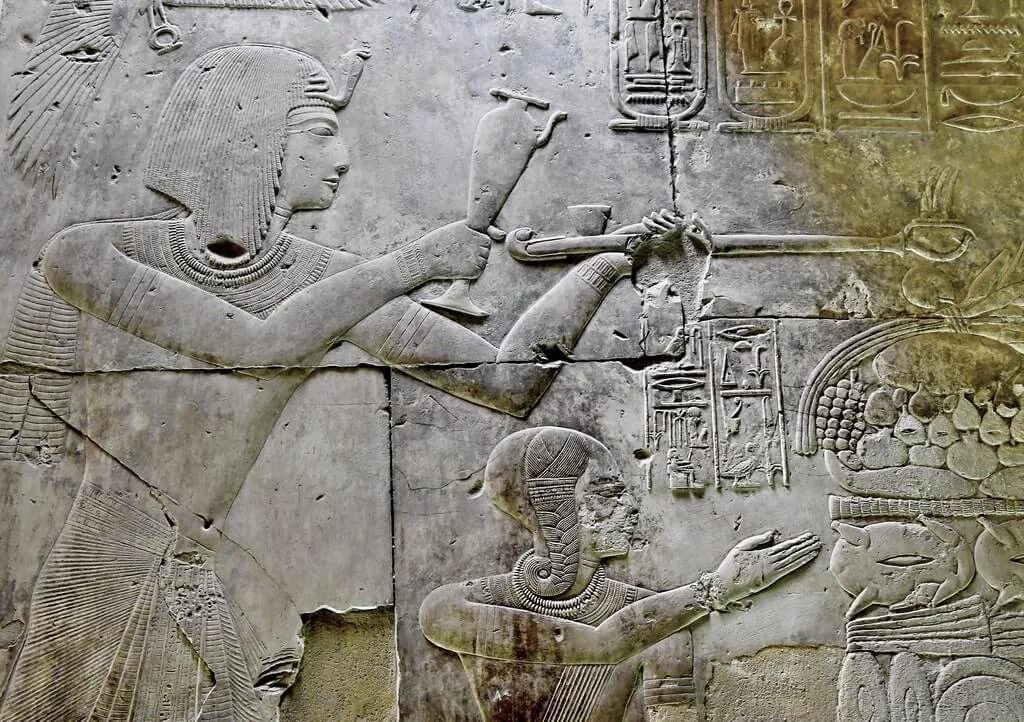
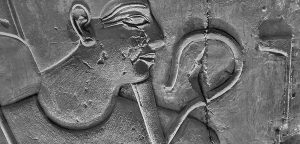
This temple is an art historian’s dream. While his son Ramesses II often used “sunken relief” (carving the image deep into the stone because it was faster and cheaper), Seti I insisted on Raised Relief.

  • The Technique: Artisans had to carve away the background stone, leaving the figures standing out in 3D.

  • The Result: The details are incredibly delicate. You can see the texture of the wigs, the transparency of the gowns, and the softness of the muscles. It is widely considered the highest quality art ever produced in the New Kingdom.

The Abydos King List (Rewriting History)

The Abydos King List (Rewriting History)

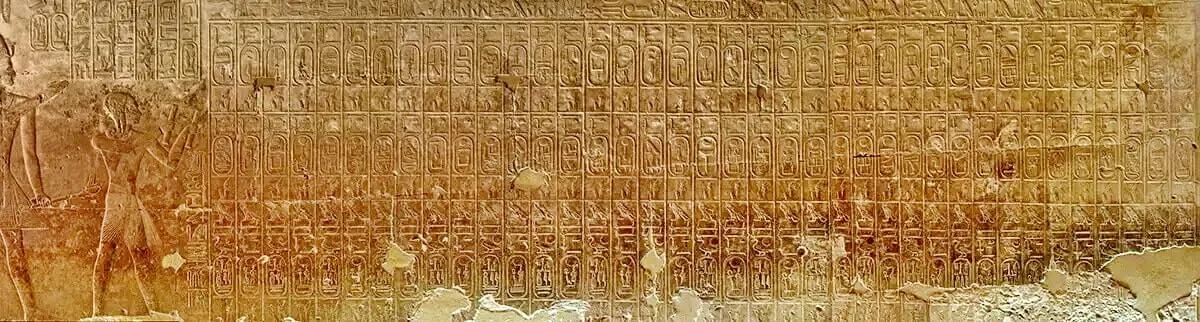
Walk down a long corridor in the temple, and you will find the most important history lesson in Egypt. Carved onto the wall is a list of 76 cartouches (names of kings).

The Scene: Seti I stands with his young son (Ramesses II), pointing to the names of their ancestors. He is teaching the future king his lineage.

The Revision: This list is famous for what it excludes. Seti I intentionally erased the “heretic” kings.

  • No Hatshepsut (female king).
  • No Akhenaten (heretic).
  • No Tutankhamun (associated with heresy).

Why does this matter? Seti jump-cuts straight from Amenhotep III to Horemheb. He effectively “deleted” the chaos of the Amarna period from the official record, presenting a smooth, unbroken line of legitimate kings leading directly to himself.

The Osireion

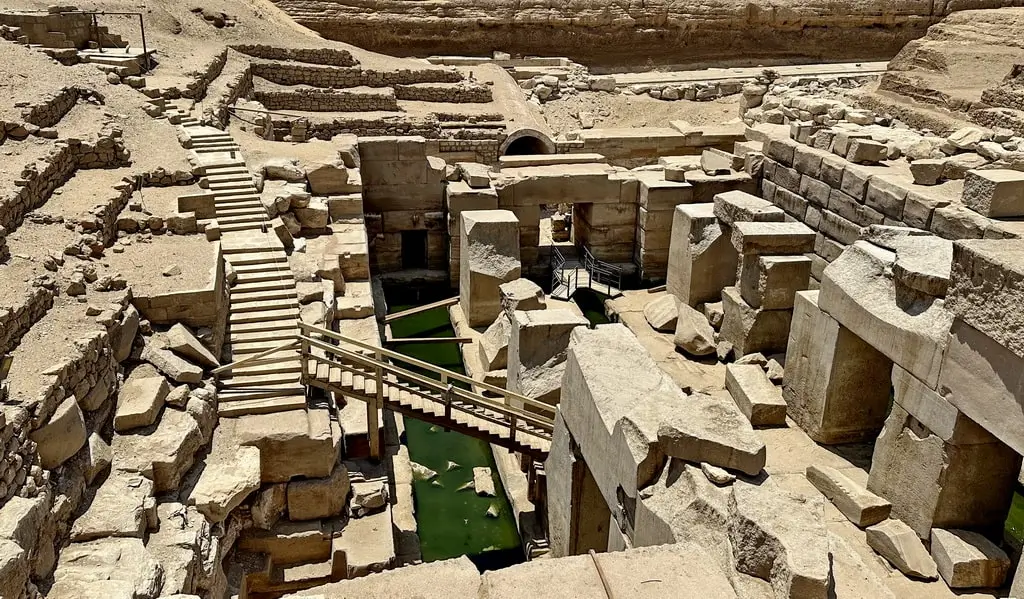
The Architectural Masterpiece of the Osireion

Behind the main temple lies a mystery. The Osireion is a subterranean structure built to look ancient even in Seti’s time. It mimics the Valley Temple of the Sphinx, using massive granite blocks. It was likely a symbolic tomb for the god Osiris, connecting Seti I to the lord of the afterlife.

King Amenhotep III

King Amenhotep III: The Magnificent Pharaoh King Amenhotep III was a pharaoh of the 18th...

Related post
FUN

The Most Beautiful Tomb (KV17)

The Most Beautiful Tomb (KV17)

If you visit the Valley of the Kings today, you will face a choice. Most tickets allow you to see three standard tombs. However, if you want to see the best, you have to pay extra. You have to pay for King Seti I. His tomb, designated KV17, is not just a burial shaft. It is an underground palace.

Belzoni’s Tomb

In 1817, the Italian explorer Giovanni Belzoni discovered the entrance. It lay hidden for 3,000 years. When Belzoni broke through the sealed wall, the sight stunned him.

  • The Scale: It is the longest and deepest tomb in the valley, descending nearly 137 meters (450 feet) into the bedrock.
  • The Condition: Unlike other tombs that robbers looted and left open to the air, KV17 remained pristine. The paint looked fresh, as if an artist applied it yesterday.

Because of this discovery, history still affectionately calls it “Belzoni’s Tomb.”

The Golden Hall & The Astronomical Ceiling

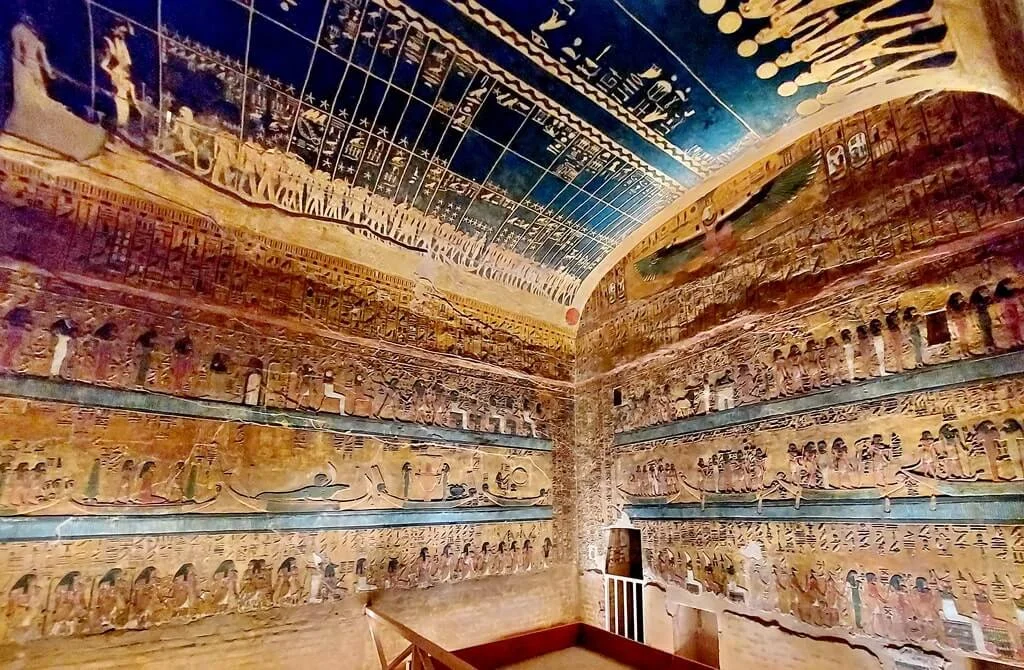
The art inside KV17 is breathtaking. Hieroglyphs and scenes from the Book of Gates and the Amduat (guides to the afterlife) cover every inch of the wall. However, the burial chamber is the masterpiece. Look up. Artists painted the vaulted ceiling a deep, midnight blue.

  • The Stars: Hundreds of golden stars cover the expanse.
  • The Constellations: It features detailed astronomical charts, showing the constellations (like the Hippopotamus and the Crocodile) that the Egyptians used to track time and the seasons.

It represents the night sky that King Seti I would travel through eternally.

The Alabaster Sarcophagus

In the center of this golden hall, Belzoni found the king’s sarcophagus. It was unique. Artisans carved it from a single block of translucent alabaster.

  • The Detail: Sculptors incised scenes from the Book of Gates inside and out, filling the lines with blue pigment.
  • The Location Today: Strangely, it is not in Egypt. Belzoni sold it. Today, it sits in the Sir John Soane’s Museum in London.

Why is this tomb so important? KV17 defined the style for all future tombs. King Seti I established the layout that his son, Ramesses II, and later kings would try (and fail) to surpass. It remains the standard of perfection in the Valley.

Tutankhamun: The Complete Story of the Boy King and the Golden Tomb

Tutankhamun is the most famous face of Ancient Egypt, yet in his own time, he...
Related post
FUN

The Succession (Father & Son)

The Succession (Father & Son)

King Seti I had studied history. He knew that the 18th Dynasty collapsed because of weak successions and child kings (like Tutankhamun). He refused to let that happen again.

Grooming Ramesses II

Seti did not hide his heir in the nursery. He put him to work.

  • Prince Regent: When Ramesses was only about 14 years old, Seti I appointed him Prince Regent.
  • The Lesson: He took the boy on military campaigns to Libya and Syria. He showed him how to build temples at Abydos. He engraved Ramesses’s image next to his own on temple walls.

This was a public declaration: “This is your future king.” By the time Seti I died (around age 40–50), the transition was seamless. There was no civil war. There was no doubt. Ramesses II stepped onto the throne fully prepared to rule, thanks to his father’s foresight.

The Death of the King

The Death of the King - Mummy-of-King-Seti-I

Seti I was buried in his magnificent tomb (KV17). However, he did not stay there. During the decline of the New Kingdom, tomb robbers targeted the Valley of the Kings. The High Priests of Amun secretly removed Seti’s body to protect it.

  • The Journey: They moved him from tomb to tomb, finally hiding him in the “Royal Cache” (DB320) in the cliffs above Deir el-Bahri.
  • The Discovery: When archaeologists unwrapped his mummy in 1881, they were shocked. His face was serene. The head of the Cairo Museum famously said Seti looked as if he would “acknowledge a greeting with a smile.”

Kamose: The Warrior Pharaoh Who Dared to Reunite Egypt

Pharaoh Kamose was the defiant last king of Egypt's 17th Dynasty, who refused to accept...
Related post
FUN

The Quiet Savior

History is often loud. It remembers the biggest statues and the longest reigns. That is why Ramesses II gets the headlines. However, without King Seti I, there would be no Ramesses. Seti inherited a broken empire and fixed it.

  • He reopened the trade routes.
  • He secured the borders.
  • He restored the artistic soul of the nation at Abydos.
  • He built the finest tomb in the Valley of the Kings.

He was the bridge between the chaos of Akhenaten and the glory of the Ramesside period. He was the “Restorer,” and arguably, the most successful pharaoh of the New Kingdom.

Frequently Asked Questions (FAQ)

Here are quick answers to the most common questions about King Seti I.

Who was the father of King Seti I?

Seti I was the son of Ramesses I, the founder of the 19th Dynasty. Ramesses I ruled for only about two years before Seti took the throne.

Where is the tomb of Seti I?

His tomb is located in the Valley of the Kings in Luxor. It is designated as KV17. It is widely considered the deepest and most beautifully decorated tomb in the valley, famous for its astronomical ceiling.

What is the Abydos King List?

The Abydos King List is a relief carving in the Temple of Seti I. It lists 76 kings of Egypt, from the first dynasty to Seti himself. It is historically significant because Seti intentionally omitted “heretic” rulers like Hatshepsut and Akhenaten.

Did Seti I fight in the Battle of Kadesh?

Yes. Seti I led a successful campaign to capture the city of Kadesh early in his reign. This occurred years before the more famous (and inconclusive) Battle of Kadesh fought by his son, Ramesses II.

Current weather in Egypt

Stunning Cairo tours and Western desert safari adventure....
Experience Egypt in 10 days honeymoon holiday, it's your chance to achieve the ideal honeymoon in the core of this piece of Heaven. Book Now!!...
Tailored Services for Corporate Business Transportation Needs

On time, adaptable, and fun!

My friend and I planned a whirlwind trip to Dubai, the Dead Sea, Petra, Cairo, Luxor, and Sharm el Sheikh for early November 2011 – 6 cities in 10 days! We allotted one afternoon and evening for Cairo, and we wanted to see as much as we could! We drove

More »
Memnon colossi of king amenophis III 4 min

Book with them, they are Professionals

It has always been my dream to visit Egypt. This was a beautiful tour, almost two years later, I can’t stop thinking about my time in Egypt, Valley of the Kings, Temple of Kom Ombo, Edfu, Luxor! I was able to add an eighth day to see Abu Simbel (a

More »

Day Trip to Alexandria

An enjoyable drive from Cairo to Alexandria. It was an enriching trip. I learnt so much history about the ancient civilisation. The tour guide explained the history of each site we visited. There is so much to see. I would definitely highly recommend visiting Alexandria. It’s rich in history. The

More »

Great one day tour in Cairo

My husband and I had a long layover in Cairo on our way to Kenya in 2010. Since we had never been to Egypt, we decided to sign up for a one-day tour with Egypt Fun Tours Day Trips. Our guide was there when we arrived and quickly guided us

More »
Isis with wings

Top-rated Tour Packages

Isis with wings