
The Tomb of Princess Idut: Saqqara’s Masterpiece of Old Kingdom Art
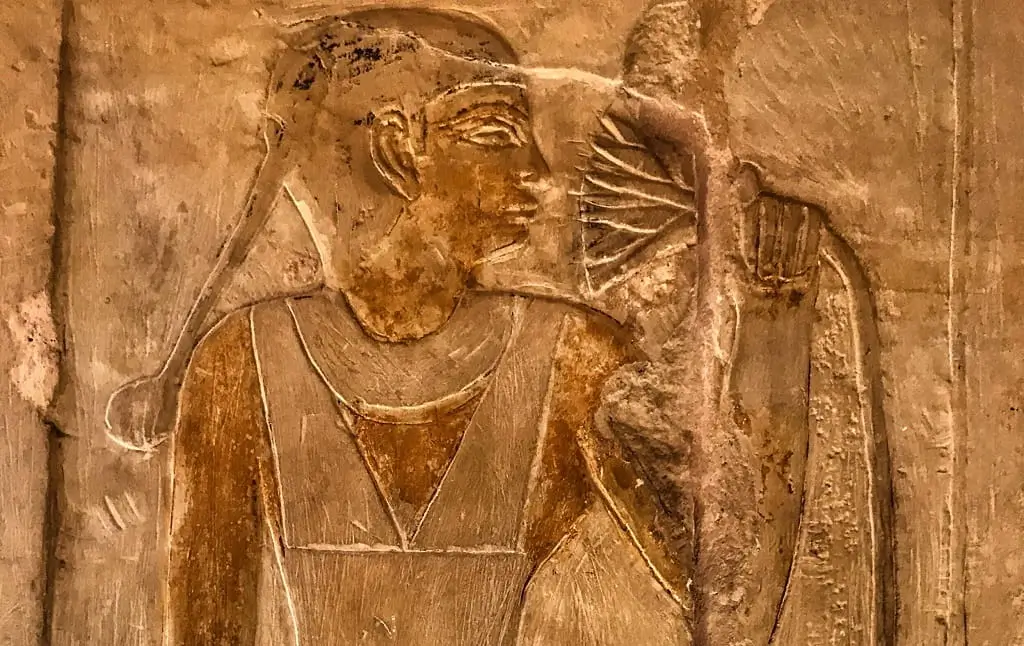
The Tomb of Princess Idut remains one of the most significant artistic treasures in the Saqqara Necropolis. This Old Kingdom mastaba provides a unique look at the transition between the 5th and 6th Dynasties, featuring some of the best-preserved pigments in ancient Egypt. While it stands out for its vibrant scenes of Nile life and the famous “crocodile birth,” the tomb also tells a story of political change. Originally built for Vizier Ihy, the monument was later repurposed for the Princess, leaving behind fascinating “ghost” reliefs that bridge the gap between bureaucratic and royal history. Today, it serves as a vital pillar for anyone exploring the technical mastery and daily life of the Pharaonic era.
The Mastaba of Ti: A Masterpiece of Old Kingdom Art and Life
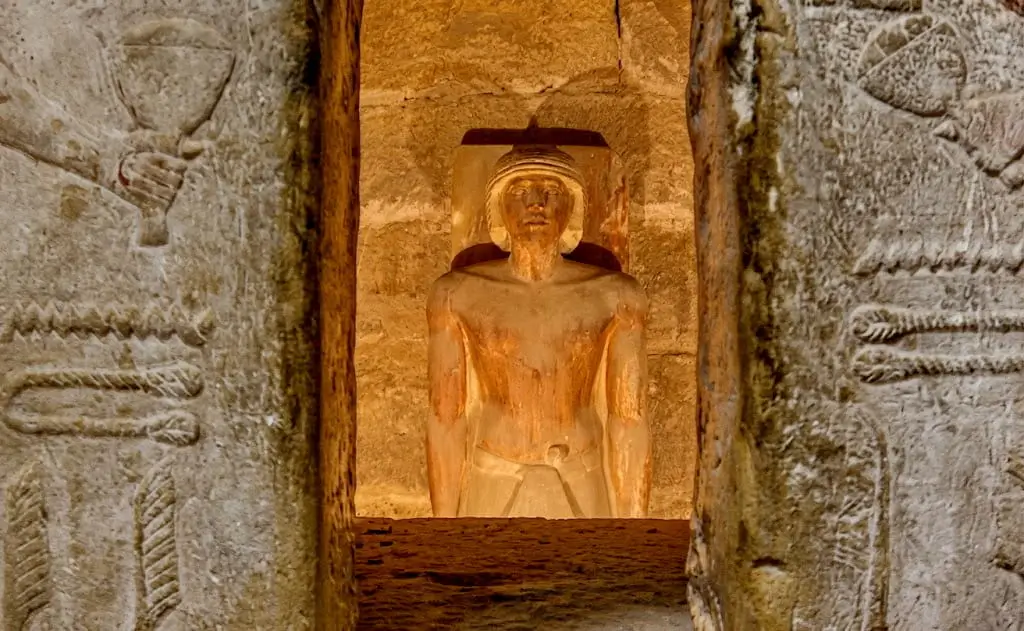
The Mastaba of Ti is an architectural and artistic masterpiece of the Old Kingdom, serving as a vital window into the 5th Dynasty. As the tomb of a high-ranking official, it shifts the focus from royal grandeur to the intricate details of ancient Egyptian daily life. Its world-class reliefs—ranging from bustling agricultural scenes to the famous hippopotamus hunt—represent the pinnacle of non-royal funerary art. Ultimately, the site remains an essential anchor for understanding the cultural, religious, and economic rhythms of the Memphite Necropolis.
The Mastaba of Shepseskaf: A Deep Dive into Egypt’s Most Unique Royal Monument
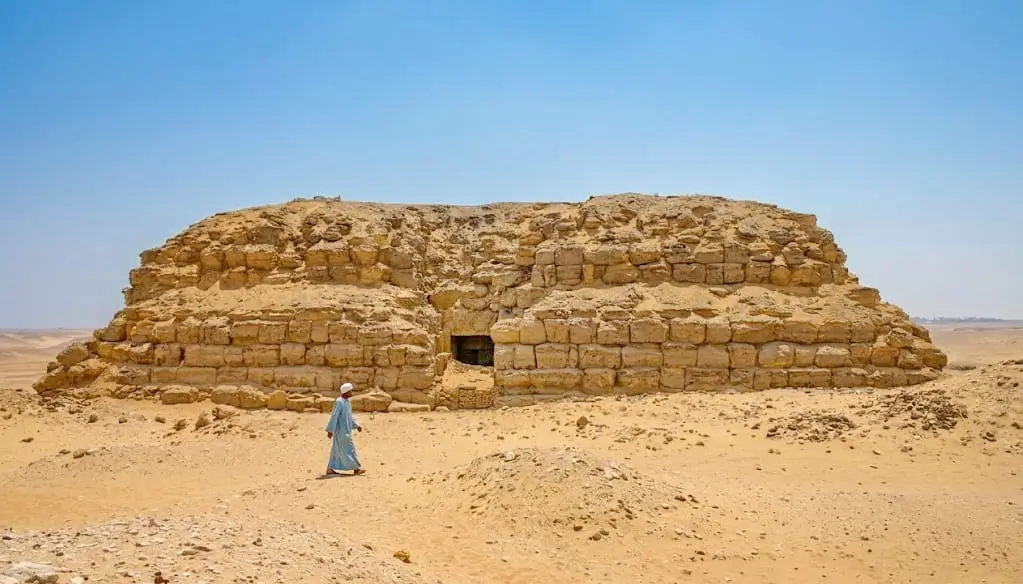
The Mastaba of Shepseskaf is a unique royal monument in South Saqqara that marks the end of the 4th Dynasty. By rejecting the traditional pyramid shape for a massive, sarcophagus-style mastaba, King Shepseskaf signaled a major shift in Old Kingdom religion and politics. This colossal structure combines Giza-style engineering with archaic traditions, serving as a powerful architectural bridge between the age of the great pyramid builders and the dynasties that followed.
The Tomb of the Butchers: A Masterpiece of Daily Life in Saqqara
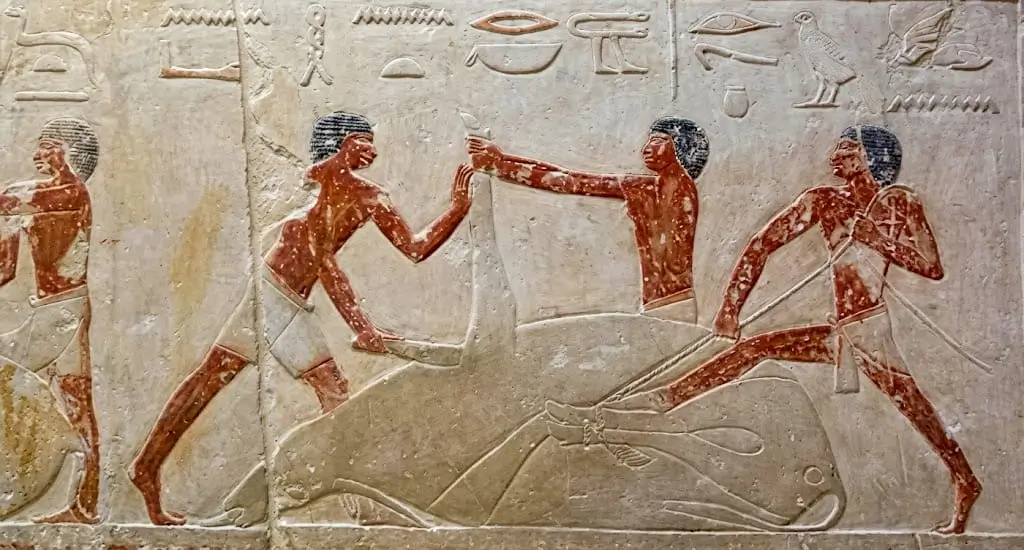
The Tomb of the Butchers stands as a vibrant masterpiece of 5th Dynasty art, offering an unparalleled glimpse into the professional elite of the Old Kingdom. Carved directly into the Saqqara cliffs, the mastaba of Irukaptah is world-renowned for its row of 14 colorful, rock-cut statues and remarkably preserved reliefs of ancient slaughterhouses and market trade. Its sheltered location has protected the original pigments for over 4,000 years, making it an essential destination for those seeking to understand the daily life, economic logistics, and artistic brilliance of Egypt’s royal meat industry.
The Pyramid of Teti: A Gateway to the Pyramid Texts of Saqqara
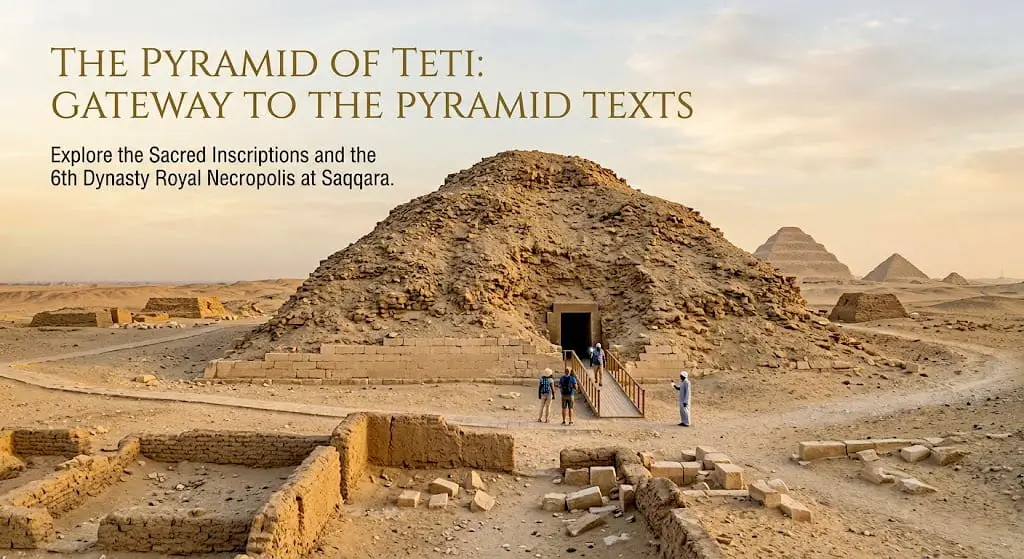
The Pyramid of Teti serves as the spiritual gateway to Egypt’s 6th Dynasty and a cornerstone of the North Saqqara necropolis. While its exterior has weathered into a humble mound of limestone, the interior remains a pristine sanctuary of Old Kingdom belief. It houses the world’s second-oldest collection of Pyramid Texts, which are sacred spells designed to launch the Pharaoh’s soul into the celestial realm. Surrounded by a “city” of elite mastabas and queenly pyramids, Teti’s monument stands as a powerful testament to a king who sought eternal life through the revolutionary power of the written word.
El Lisht: The Middle Kingdom Necropolis and the Pyramids of Amenemhat I & Senusret I
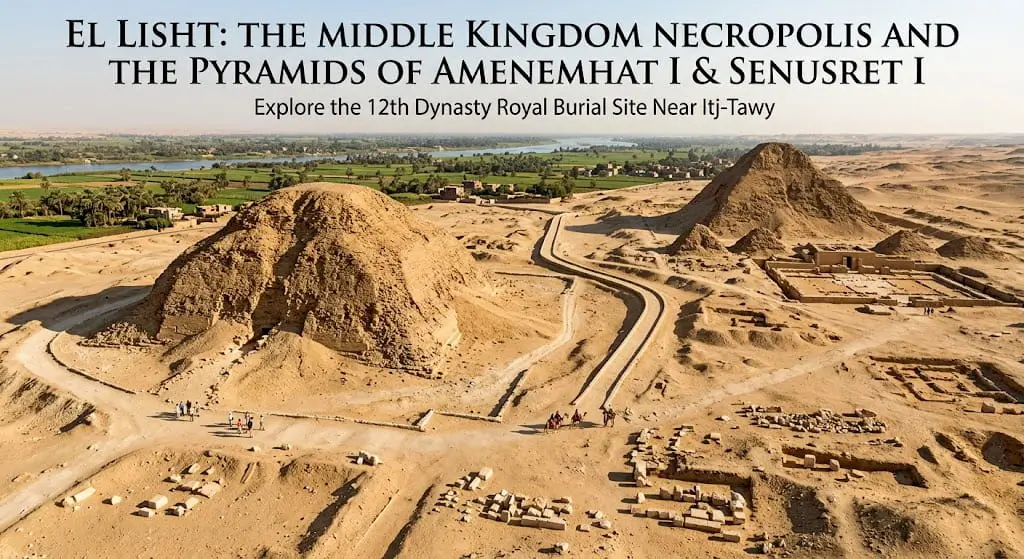
The El Lisht Ancient Site serves as the monumental heart of Egypt’s Middle Kingdom, marking the triumphant return of the Pyramid Age during the 12th Dynasty. Located near the royal capital of Itj-tawy, the site is defined by the innovative pyramids of Amenemhat I and Senusret I, which introduced revolutionary “skeleton wall” engineering and mudbrick cores. Beyond its royal structures, El Lisht remains a critical archaeological link, preserving the transition from Old Kingdom traditions to the refined art and centralized power of Egypt’s classical era.
The Mastaba of Kagemni: The Ultimate Guide to Saqqara’s Artistic Masterpiece
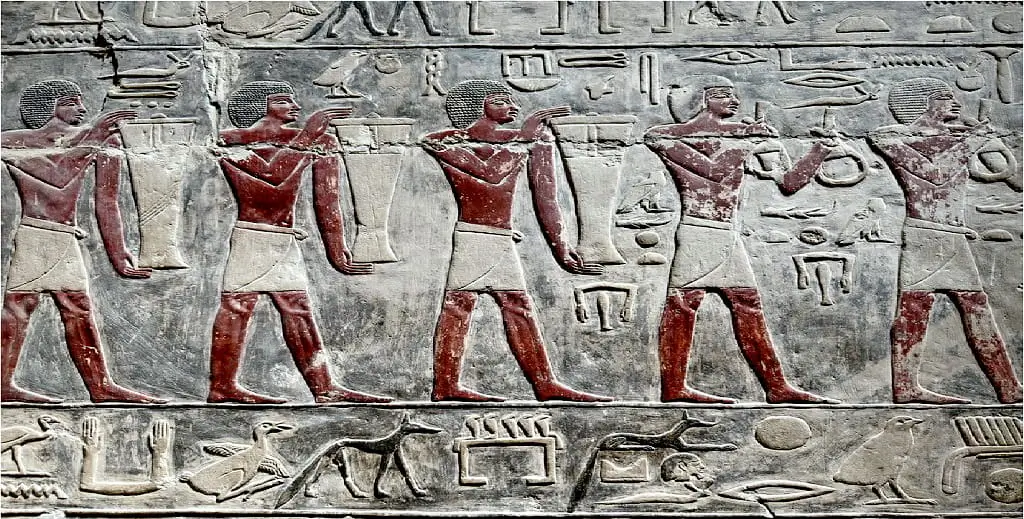
The Mastaba of Kagemni is Saqqara’s premier example of 6th Dynasty artistic mastery, featuring the finest high-relief carvings in the Old Kingdom. As Vizier to King Teti, Kagemni commissioned a massive 32-room complex renowned for its lifelike marshland scenes and detailed records of daily life. Today, it remains a vital historical archive, offering a perfectly preserved window into the political power and sophisticated craftsmanship of Egypt’s final “Pyramid Age” before the First Intermediate Period.
The Pyramid of Pepi II: The Twilight of the Old Kingdom
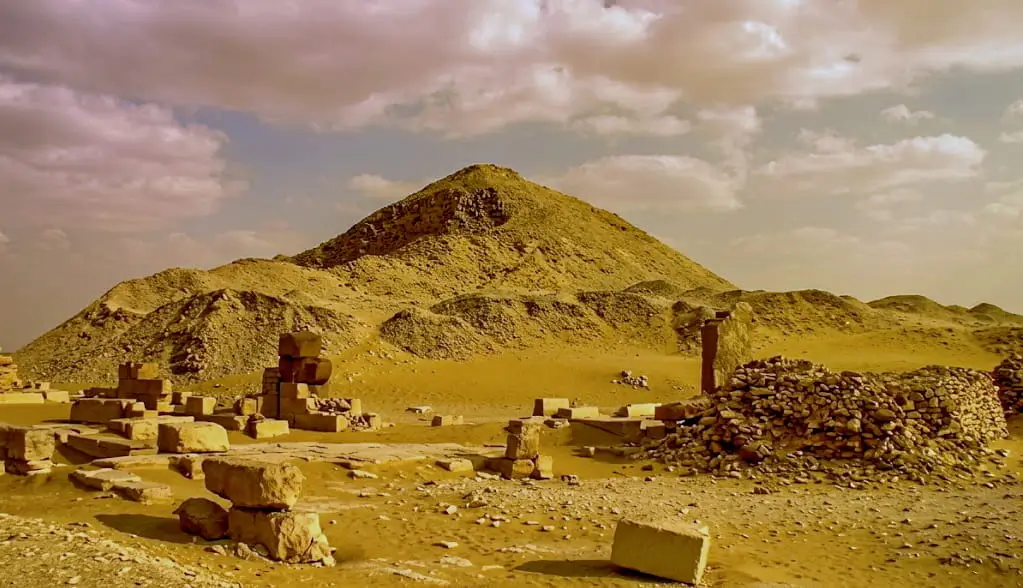
The Pyramid of Pepi II represents the final architectural masterpiece of Egypt’s Old Kingdom, marking the transition from centralized power to regional decentralization. During his legendary 94-year reign, Pepi II standardized the Pyramid Texts, filling his burial chamber with nearly 700 blue-pigmented spells to ensure his celestial resurrection. Although environmental shifts and economic strain eventually caused the empire to decline, the complex remains a technical triumph, featuring innovative satellite pyramids for his queens and a sprawling mortuary temple that preserved the sacred traditions of the 6th Dynasty.
The Pyramid of Unas: The Birthplace of the Pyramid Texts
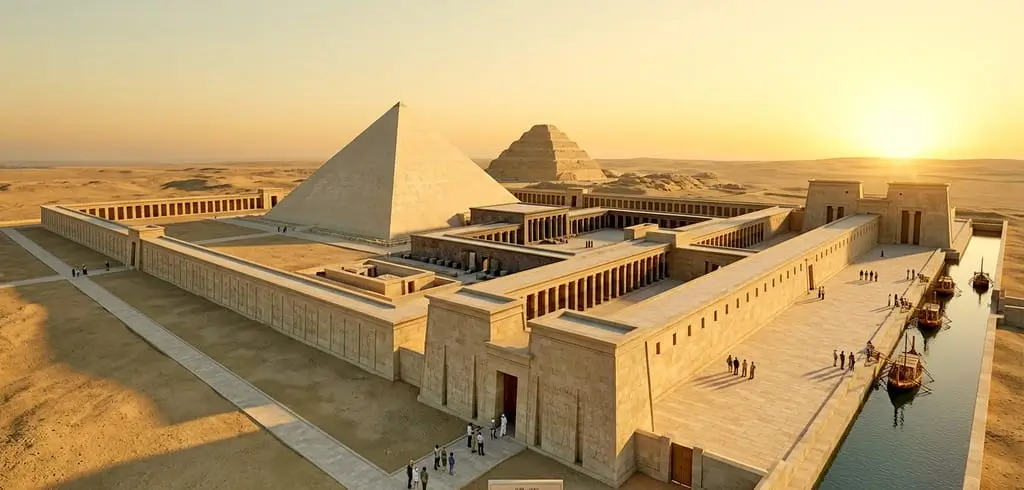
The Pyramid of Unas is a revolutionary landmark in Saqqara, marking the first time in history that a Pharaoh inscribed the walls of his tomb with sacred literature. These Pyramid Texts, carved in vibrant blue hieroglyphs, provided King Unas with the magical spells and passwords needed to navigate the afterlife. While the exterior is modest, the interior remains a masterpiece of 5th Dynasty theology, featuring a magnificent ceiling decorated with stars and a massive sarcophagus of dark greywacke. Today, it stands as the birthplace of the world’s oldest religious corpus, offering a direct window into the spiritual transformation of the Pharaoh into an immortal being.
The Mastaba of Mereruka: A Guide to Saqqara’s Grandest Noble Tomb
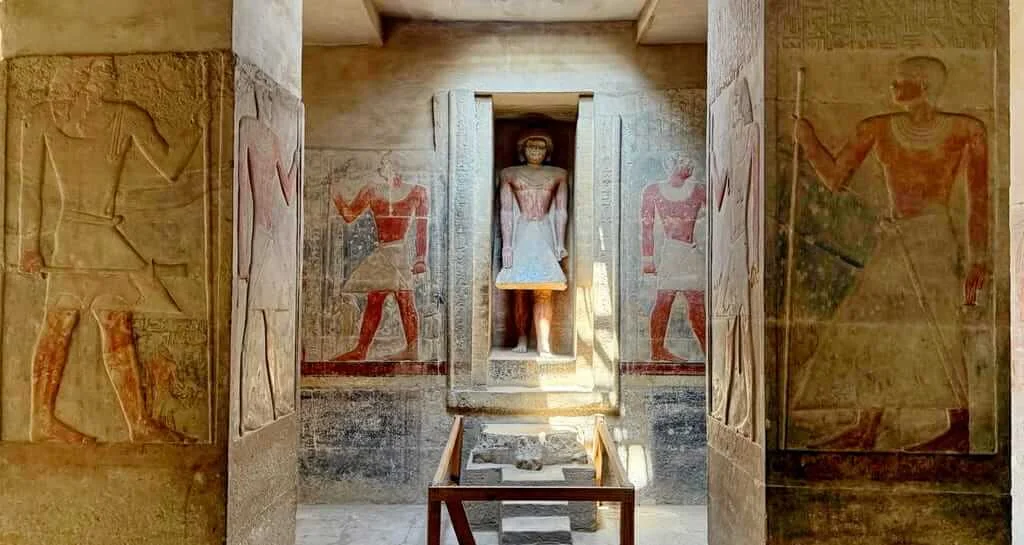
The Mastaba of Mereruka is the largest and most complex noble tomb in Saqqara, featuring a sprawling 32-chamber layout built for King Teti’s powerful Vizier. As a “palace for the afterlife,” its energetic 6th-century reliefs provide a vivid documentary of Old Kingdom life, including famous scenes of hippopotamus hunts, tax collection, and craftsmanship. Today, it remains an architectural masterpiece, best known for the iconic life-sized statue of Mereruka stepping through a false door to join the living.
The Tomb of Queen Meresankh III: A Masterpiece of Old Kingdom Art
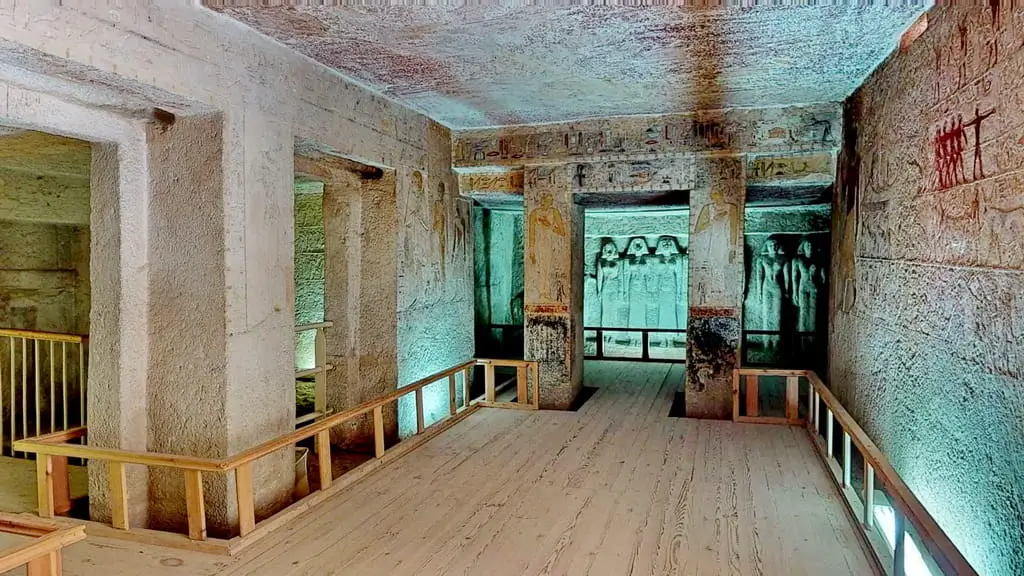
The Tomb of Queen Meresankh III represents the artistic peak of the Fourth Dynasty, shifting Giza’s funerary style from massive stone exteriors to intricate, subterranean mastery. While her mother, Hetepheres II, adhered to traditional mastaba construction, Meresankh’s architects carved a vibrant rock-cut chapel directly into the plateau. This monument is defined by its exceptionally preserved reliefs of Old Kingdom industry and its iconic row of ten life-sized female statues. Consequently, the tomb serves as an authoritative record of royal female power and the high-status artistic evolution that occurred in the shadow of the Great Pyramid.
The Pyramid of Senusret I: Engineering the Middle Kingdom’s Greatest Wonder
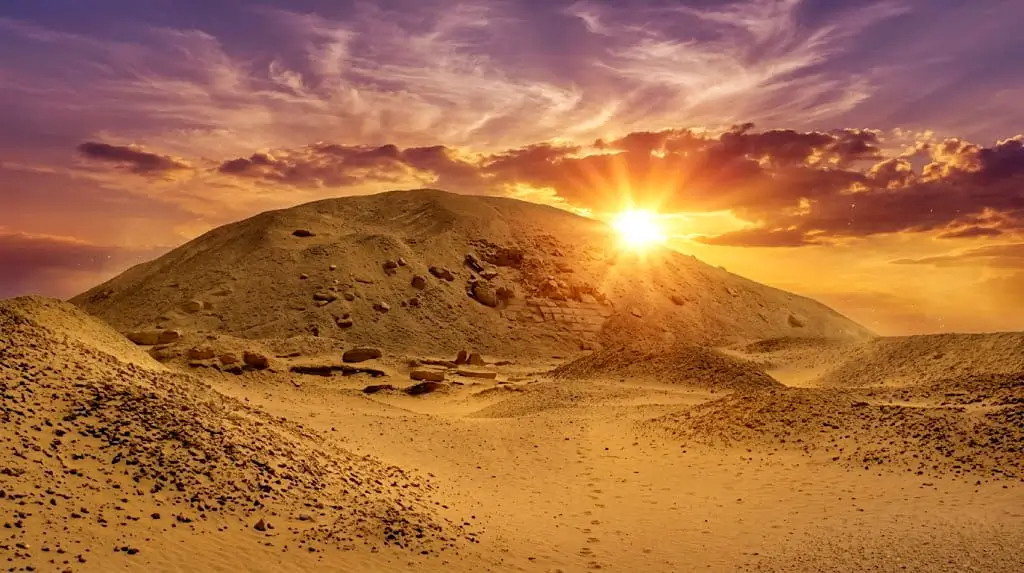
The Pyramid of Senusret I at Lisht marks the architectural peak of the 12th Dynasty. By introducing a revolutionary “grid-wall” skeleton of radiating stone walls, architects solved the structural instabilities of earlier mud-brick cores. This internal frame supported a massive volume of limestone rubble, all encased in high-quality Tura limestone. With its ten satellite pyramids and a gallery of life-sized royal statues, the complex transformed the landscape into a sprawling center of political and artistic power. Ultimately, the monument stands as an authoritative example of the Middle Kingdom “Renaissance,” successfully blending Old Kingdom grandeur with sophisticated, forward-thinking engineering.