The Mountain of the Dead: A Legacy of the Western Desert

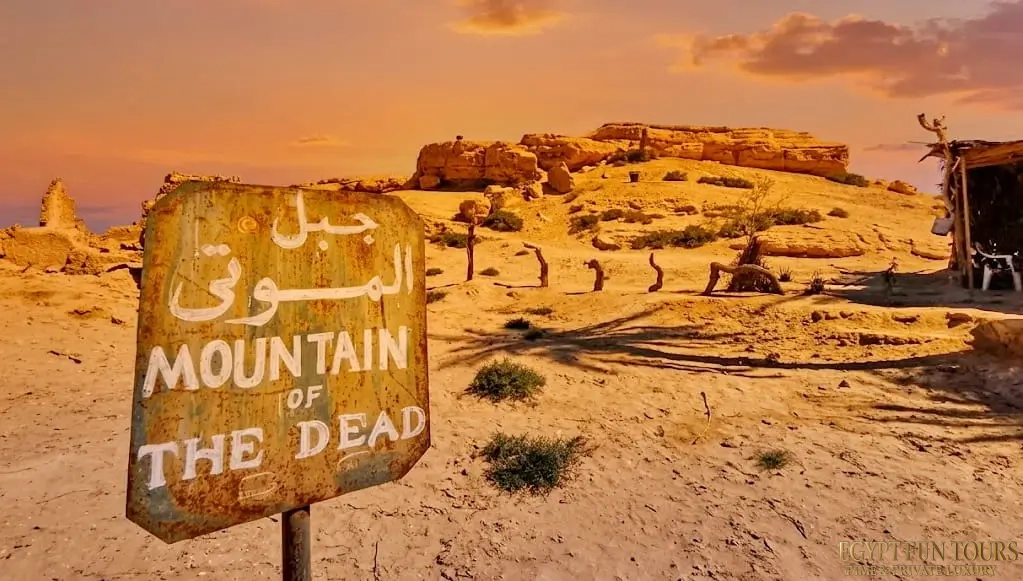
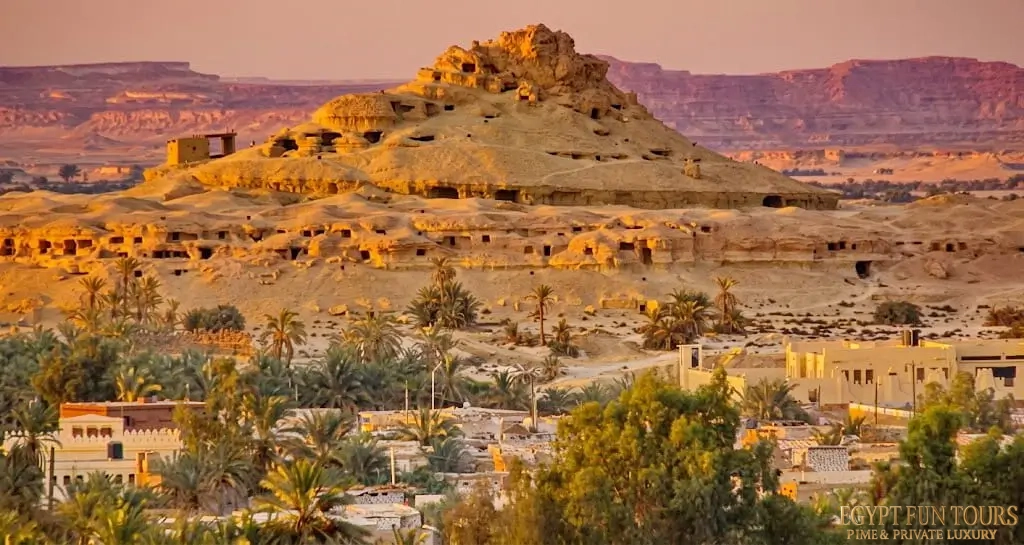
The Mountain of the Dead, or Gabal al-Mawta, stands as a monumental testament to the enduring history of the Siwa Oasis. Rising from the desert floor, this limestone inselberg served as the primary necropolis for Siwa’s elite for over a millennium, housing thousands of intricately carved rock-cut tombs. Spanning from the 26th Dynasty through the Greco-Roman period, the site offers an unparalleled look at the cultural syncretism that defined this isolated frontier, where Pharaonic traditions merged seamlessly with Hellenistic art. Today, these silent, subterranean chambers remain a vital archaeological archive, preserving the physical and spiritual legacy of a civilization shaped by the unique, harsh beauty of the Sahara.

Mountain of the Dead (Gabal al-Mawta)

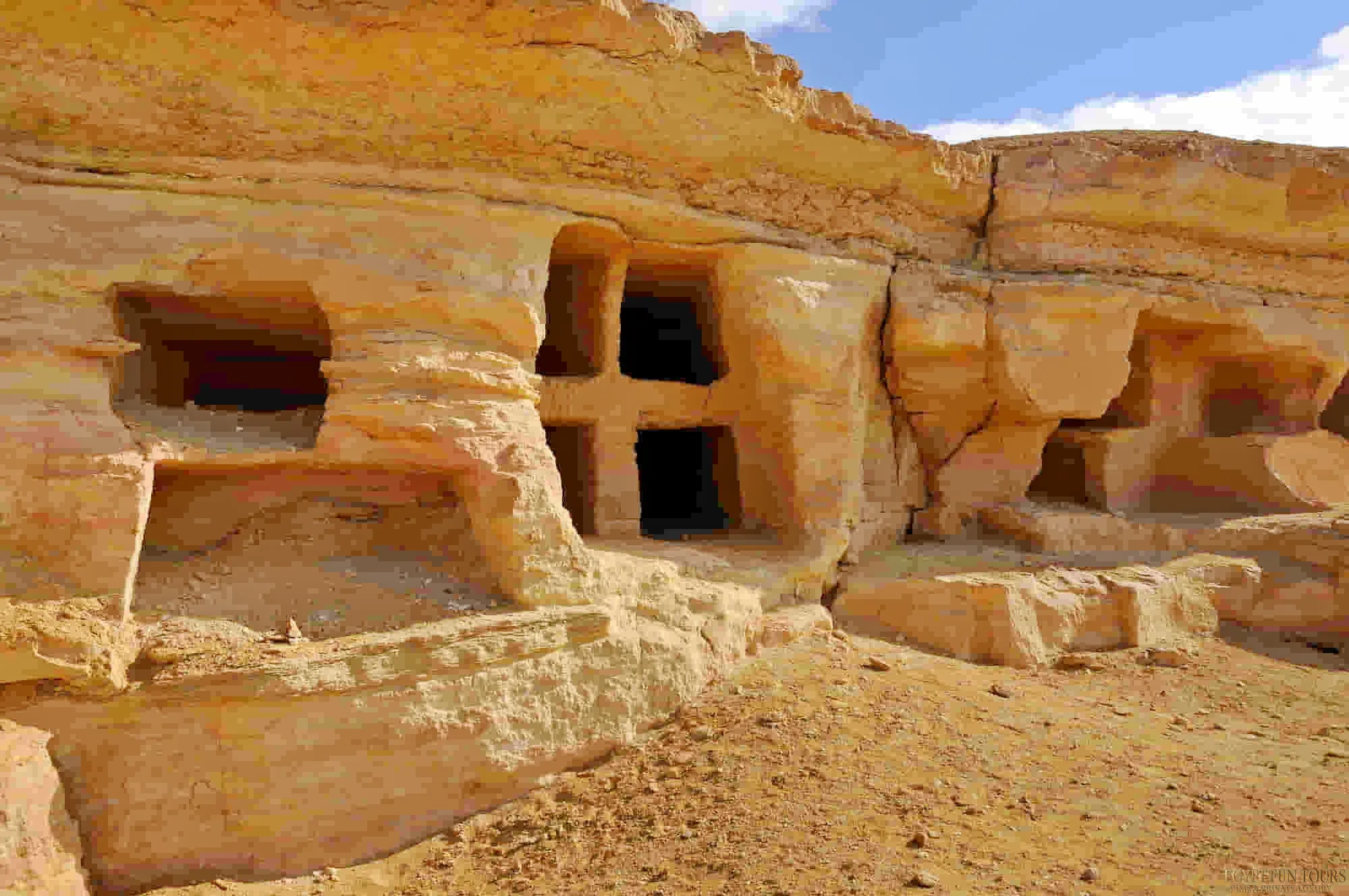
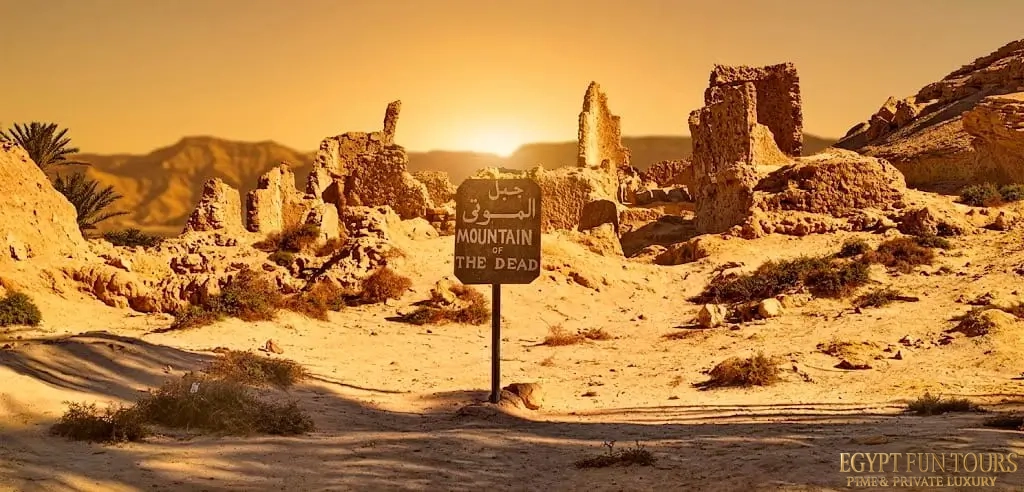
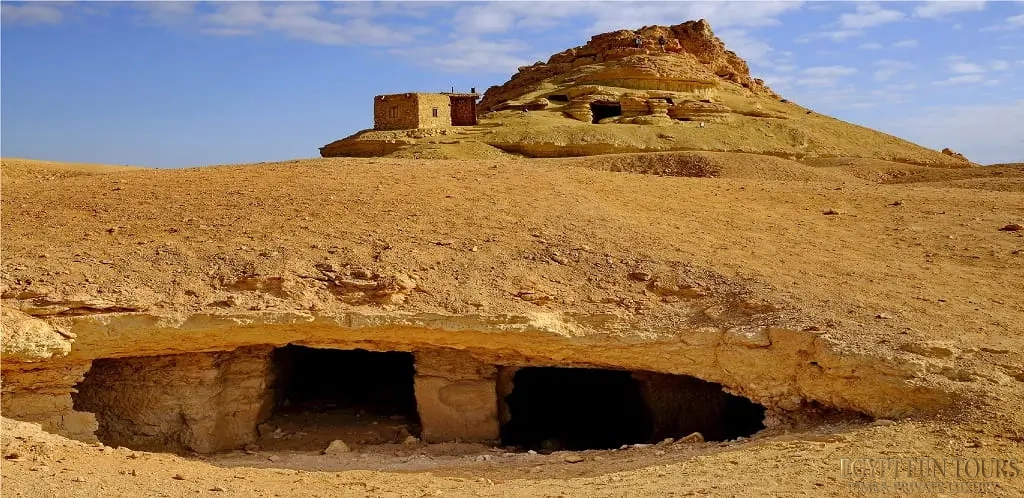
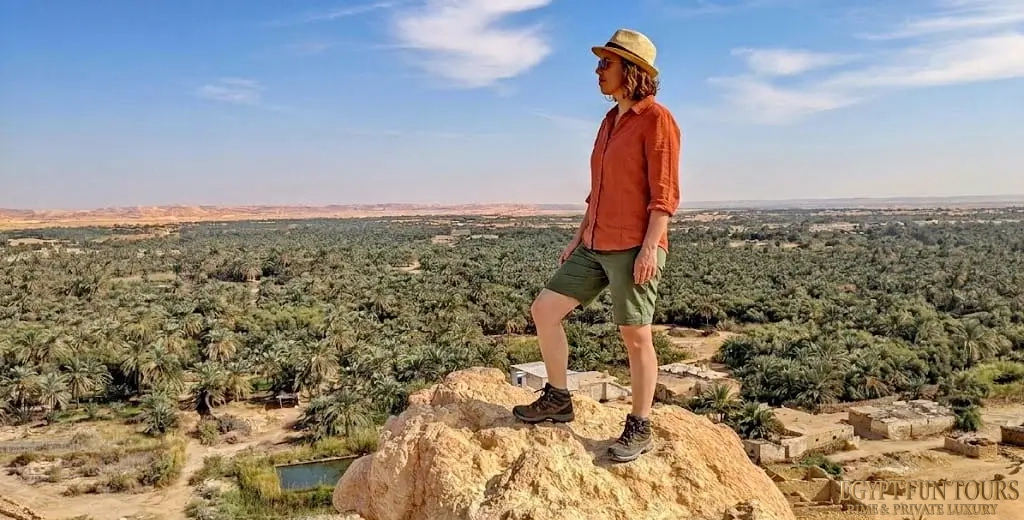
The Mountain of the Dead, known locally as Gabal al-Mawta, rises sharply above the Siwa Oasis. This limestone hill features thousands of rock-cut tombs. It acts as a major archive for the history of Siwa. Most of these tombs date back to the 26th Dynasty and the Greco-Roman period. They offer a rare glimpse into ancient funerary customs.

For many travelers, the site represents more than just a cemetery. It highlights how the Siwan people respected their desert home. People often group this site with Egyptian monasteries because both share a lonely, desert landscape. However, these sites serve different purposes. The monasteries act as living communities for active prayer. In contrast, this mountain served as a final, silent sanctuary for ancestors.

Understanding the Mountain of the Dead helps you grasp the full scope of Egypt’s heritage. It shows how the silence of the Sahara has shaped human faith for millennia. Furthermore, it clarifies how ancient traditions differ from later monastic movements.

FUN

A Geological Sentinel: The Origins of Gebal al-Mawta

A Geological Sentinel The Origins of Gebal al-Mawta - Mountain of the Dead

You must understand the geology of the Siwa Oasis to grasp why ancient people chose this site for their necropolis. Gabal al-Mawta, or the “Mountain of the Dead,” rises abruptly from the desert floor. It is not a traditional mountain. Instead, it is an isolated limestone hill that wind erosion shaped over millions of years.

Gabal al-Mawta: The Anatomy of the Oasis

The hill consists of limestone, marl, and clay. These materials provided the perfect medium for ancient builders. The soft clay and marl allowed workers to carve tomb chambers with ease. Meanwhile, the hard limestone caps acted as a protective roof. This design kept the structures stable for over two millennia. The hill effectively became a vertical city. Here, social status determined the elevation and complexity of a tomb.

Mountain of the Dead: The Historical Emergence

People have lived in the Siwa Oasis since prehistoric times. However, the systematic use of Gabal al-Mawta began during the 26th Dynasty (c. 664–525 BCE). During this era, Egypt sought to reclaim its cultural identity. The oasis became a vital outpost of Pharaonic culture.

The site served as the primary burial ground for elite Siwan families. Local governors, priests, and wealthy merchants chose this prominent height for their final resting place. By choosing this location, they secured a dry, safe area for their dead. They also made a symbolic statement. Their ancestors would act as guardians, watching over the community of Siwa below.

The “Mountain of the Embalmed”

Locals sometimes call the site Gabal al-Musabbarin, or the “Mountain of the Embalmed.” This name highlights the preservation practices of the area. The arid, stable climate inside the hill kept the remains in excellent condition. Furthermore, traditional mummification techniques from the Nile Valley played a key role. For the ancient Siwans, this was a theological necessity. The body served as an essential vessel for the Ka, or soul, in the afterlife. Thus, the geology of the mountain supported their faith. It helped them preserve both the physical body and the colorful art on the tomb walls.

FUN

A Fusion of Worlds: Art and Culture

A Fusion of Worlds Art and Culture

The Mountain of the Dead tells a unique story. It shows how two great civilizations met in the desert. Egyptian traditions met Greek influences here. This blend of styles created a special form of art known as syncretism.

Mountain of the Dead: The Pharaonic Influence

Ancient Egyptians shaped the foundation of these tombs. The builders followed classic architectural rules from the Nile Valley. They carved narrow doorways and deep, rectangular chambers. You will see classic Egyptian motifs everywhere. These include the ankh symbol for life and the djed pillar for stability. Artists often painted the walls with traditional earth tones. They depicted gods like Osiris, the ruler of the underworld, and Anubis, the protector of the dead.

Mountain of the Dead: The Greek Impact

The arrival of Greek settlers changed the artistic landscape. These newcomers brought their own cultural identity to the oasis. They did not abandon Egyptian customs. Instead, they adapted them. You can see this shift in the tomb decorations. Greek artists began to paint figures with more fluid, realistic movements. They introduced new details to the clothing and facial features.

A Unique Desert Style

This mix of cultures produced something entirely new. You will find scenes that look Egyptian at first glance. However, a closer look reveals Greek technical skills. The tomb owners often commissioned portraits that honored both traditions. They requested prayers in Egyptian hieroglyphs. At the same time, they used Greek artistic themes to decorate the space.

This blend was not accidental. It was a deliberate choice by the elite. They wanted to connect with the ancient power of Egypt. Yet, they also wanted to show their place in the modern Greek-speaking world. This site serves as a physical record of that connection. It proves that the desert was a bridge between cultures, not a barrier.

The Catacombs of Kom Esh-Shokafa: Roman-Egyptian Underworld

Descend into one of the "Seven Wonders of the Middle Ages" at the Catacombs of...
Related post
FUN

The “Big Four”: Exceptional Tombs

The Big Four Exceptional Tombs

Most of the thousands of tombs at the site remain simple. However, four tombs stand out from the rest. These graves belonged to the wealthiest residents. Today, they provide the best evidence of the high status and artistic skill present in ancient Siwa.

The Tomb of Si-Amun

This is the most famous tomb at the site. It dates back to the 3rd century BCE. When you enter, you see the influence of Greek art clearly. A stunning painting of the goddess Nut adorns the ceiling. She stretches across the sky, a classic Egyptian theme. Yet, the artist painted her with the fluid style of the Hellenistic world. It is a masterpiece of cultural fusion.

The Tomb of Niperpathot

Niperpathot was a powerful man. He served as a “Prophet of Osiris” and a “Scribe of Divine Documents.” His tomb dates back to the 26th Dynasty. The walls contain many inscriptions in red ink. These texts offer a rare look at the titles and responsibilities of the local elite. They show how deeply the Siwan leadership respected the traditions of the Nile Valley.

The Tomb of Mesu-Isis

You will recognize this tomb by its entrance. Two vibrant cobras guard the doorway. The artist painted them in bold red and blue colors. The tomb remains unfinished, but this actually helps us. It shows the technique of the ancient artists. You can see how they drafted the designs before they added the final details. It is a window into the daily work of a tomb decorator.

The Tomb of the Crocodile

This tomb honors the connection between the desert and the water. It features depictions of the god Sobek. Often, the artist placed Sobek alongside Osiris and Hathor. This grouping highlights the importance of protection and rebirth. The tomb reminds visitors that the ancient people of Siwa viewed the crocodile not just as a creature, but as a divine force.

This section covers the modern history and conservation of the site. It bridges the gap between ancient history and the present day.

Saqqara: Guide to Egypt’s Eternal Necropolis and the Evolution of the Pyramid

Saqqara is a vast ancient necropolis near Cairo, serving as the burial ground for the...
Related post
FUN

Modern Challenges and Preservation

Modern Challenges and Preservation - Mountain of the Dead

The Mountain of the Dead faces many threats today. Wind, sand, and human activity take a heavy toll on the site. Conservationists work hard to protect these fragile chambers. They aim to preserve the site for future generations to explore.

Environmental Threats

The Siwa desert environment is harsh. Strong winds blow sand into the tomb chambers. This sand acts like sandpaper, wearing down the delicate limestone walls. It slowly erases the ancient paintings and inscriptions. Moisture also poses a danger. It weakens the rock and causes the salt to crystallize. This process can cause entire sections of painted plaster to peel away.

Human Impact

History tells a story of both discovery and destruction. Looters damaged many tombs in the 18th and 19th centuries. They sought treasures, but they often destroyed the art in the process. During World War II, residents used the tomb chambers as shelters. They sought protection from Italian aerial bombings. This use provided safety for the people, but it also damaged the interior walls and the original tomb contents.

Current Conservation Efforts

Experts now focus on site management. They prioritize stabilization over major reconstruction. They use modern techniques to seal cracks and monitor environmental changes. The local community also plays a vital role. They recognize the value of their heritage. They work with government agencies to limit foot traffic in the most fragile areas.

These efforts ensure that the “Mountain of the Dead” remains a standing archive. The site survives because of this careful balance. It remains a testament to the past, even as the desert winds continue their work. Protecting this treasure requires constant vigilance. It is a necessary task to keep the history of Siwa alive.

The Step Pyramid Complex: A Revolution in Stone

The Step Pyramid Complex of King Djoser, built around 2670 BCE by the architect Imhotep,...
Related post
FUN

Practical Advice for Your Visit

Practical Advice for Your Visit - Mountain of the Dead

Visiting the Mountain of the Dead offers a profound experience. However, because the site is an active archaeological zone, you should plan your trip carefully. Consequently, you will have a more respectful and rewarding visit.

Mountain of the Dead: Best Time to Visit

First and foremost, timing is essential. The desert heat can be intense. Therefore, try to arrive early in the morning. During these hours, the light is perfect for photography, and the temperature remains comfortable. Additionally, you will avoid the midday crowds, which allows for a more contemplative experience.

Mountain of the Dead: Exploring the Tombs

Once you arrive, you will find that some tombs are open to the public while others remain closed for protection. As a general rule, always follow the guidance of your local tour manager. Moreover, please remember to stay on designated paths. Because the limestone is fragile, walking off-trail can cause irreversible damage to the surrounding structure. In fact, even a small touch can disturb the remaining pigments.

Mountain of the Dead: What to Bring

To prepare properly, bring a high-quality flashlight. Although some tombs have lighting, a personal torch helps you see the fine details of the carvings. Furthermore, wear sturdy, comfortable footwear. The paths around the mountain are rocky and uneven. Lastly, bring plenty of water. Even though the site is near the town of Shali, the dry desert air causes rapid dehydration.

Mountain of the Dead: Respecting the Site

Mountain of the Dead Respecting the Site - Mountain of the Dead

Ultimately, remember that this location is a sacred necropolis. Although it is a major tourist attraction, it remains a place of rest for the ancient people of Siwa. By maintaining a quiet and respectful demeanor, you contribute to the atmosphere of the site. As a result, every visitor who follows these steps ensures that Gabal al-Mawta survives for the next century of exploration.

FUN
God_Anubis_Icon
Memnon colossi of king amenophis III 4 min

Book with them, they are Professionals

It has always been my dream to visit Egypt. This was a beautiful tour, almost two years later, I can’t stop thinking about my time in Egypt, Valley of the Kings, Temple of Kom Ombo, Edfu, Luxor! I was able to add an eighth day to see Abu Simbel (a

More »
6 Days Elegence of Egypt Group Tour - Cairo and nile cruise affordable tour

Superbly organized

I can’t recommend them enough. I got into Cairo on a 12-hour layover at 2:00 AM. By 3:15 Hani and his driver were meeting me at the airport. For the next five hours we strolled through lovely downtown Cairo & over the Nile, wandered through (friendly, well-organized) Tahrir Square, toured

More »

Egypt Fun Tours makes the most out of your layover!

I had a really short layover in Cairo and didn’t want to be stuck in the Cairo Airport for several hours. It was like Mission Impossible: Egypt Fun Tours’ mission was to show me around Cairo during my short 5 hour layover which was made even shorter because my plane

More »

Big tick off our bucket list!

Booked the evening before and were able to do everything we hoped to in a day, with a knowledgeable guide & at a reasonable price! Lunch was included and absolutely delicious! Learnt about the history of Egypt, which was the most important part of sightseeing in Cairo/Giza. Hamada also gave

More »
God_Anubis_Icon

Top-rated Tour Packages

God_Anubis_Icon