Sham El Nessim Spring Festival: History & Traditions

Sham El Nessim is one of the world's oldest Egyptian Festivals, dating back to the Pharaonic era (2700 BCE). This secular national holiday translates to "smelling the breeze" and unites all Egyptians as they flock outdoors. Families celebrate with picnics, enjoying symbolic foods like decorated eggs and the traditional, pungent fish called feseekh. This powerful holiday actively affirms cultural unity and the promise of spring.

Sham El Nessim: Egypt’s Enduring Spring Festival

For thousands of years, long before the establishment of Christianity or Islam in the region, Egyptians have celebrated the rejuvenating arrival of spring with a festival of picnics, ancient customs, and pungent delicacies. This is Sham El Nessim (pronounced Shem el Nes-seem), a beloved national holiday that unites Egyptians of all faiths in a shared observance of nature’s annual rebirth.

A Heritage Spanning Millennia
Egypt Easter Tours Egypt Fun Tours

Ancient Origins:

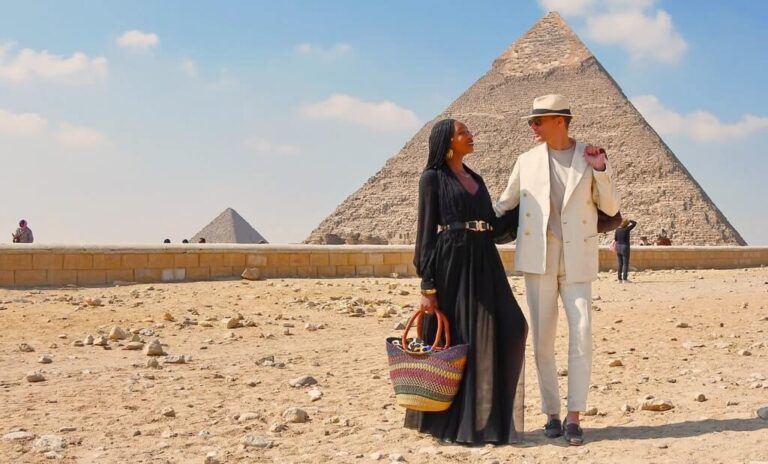
In ancient times, the Egyptian festival was called “Shemu,” and marked the beginning of the harvest season and the renewal of life. Ancient Egyptians determined the date by observing the sun’s alignment over the Great Pyramid at Giza, and they offered symbolic foods to their deities—such as salted fish, lettuce, and onions—which represented fertility and prosperity.

The Name’s Evolution:

Experts believe the modern name, Sham El Nessim, interprets the ancient Egyptian or Coptic phrase Tshom Ni Sime (meaning “garden meadows” or “renewal of life”). This phrase coincidentally sounds like the Arabic for “smelling the breeze.”

A National, Secular Holiday:

Although the festival occurs on the Monday following Coptic Orthodox Easter, its traditions precede the Christian faith and remain secular. This fixed date, which ties the celebration to the Christian lunar calendar, allowed the tradition to continue across successive eras. Today, the festival unites all Egyptians, Muslims and Christians alike.

Sham El Nessim: The Day’s Delight
egypt easter holidays tours

The essence of Sham El Nessim lies in its celebration of the outdoors. The tradition requires Egyptians to leave their homes and spend the entire day outside, embracing the pleasant spring air and greenery.

Family Gatherings:

On Sham El Nessim, Egyptians flock outdoors. Families and friends pack parks, gardens, zoos, and the scenic banks of the Nile River, transforming public spaces into lively picnic grounds. Enthusiastic children’s laughter and the sounds of music and games fill the air as people relish the mild spring weather. Everyone actively seeks the sun and the refreshing breeze, laying out large blankets and spreading feasts. Whole communities share joyous moments and create unforgettable memories, wholeheartedly embracing the national mandate to celebrate spring’s renewal in the open air. This energetic gathering perfectly captures the holiday’s spirit and its deeply social nature.

Embracing the Breeze:

The very name of the holiday, “smelling the breeze,” issues a literal invitation to all Egyptians. They actively inhale the fresh, fragrant air, and this simple act signifies a collective and heartfelt welcoming of spring’s vitality. The nation participates in a shared, sensory experience that deeply connects them to the cyclical renewal of life. By stepping outside and breathing in the new season, Egyptians embrace the promise of growth and prosperity the mild weather brings.

Sham El Nessim: The Symbolic Feast

No Sham El Nessim picnic is complete without its specific, historically-loaded traditional foods. These dishes are not merely meals; they are enduring symbols of life, fertility, and the cycle of nature.

Traditional Food Significance in Ancient Egypt Modern Role
Feseekh Salted, fermented grey mullet (or ringa, smoked herring) was an offering to the gods, symbolizing fertility and abundance. The pungent star of the picnic, eaten with lemon and bread.
Green Onions Revered as symbols of eternity and used in ancient rituals; they are believed to ward off the evil eye. Eaten raw alongside the fish to complement the strong flavor.
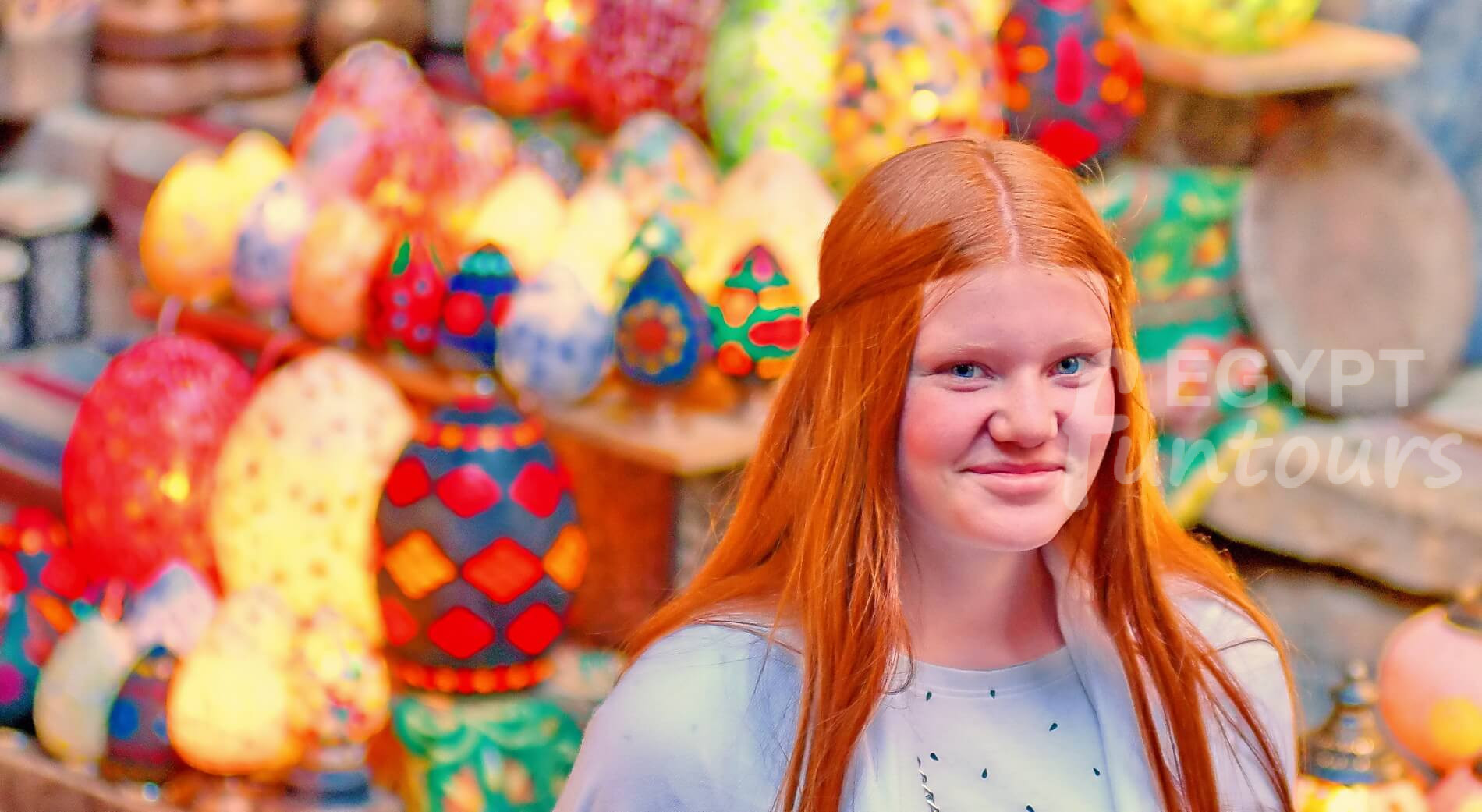
Colored Eggs Eggs were viewed as symbols of new life and the creation of the world. Wishes were often inscribed on them and hung from trees. Boiled, decorated, and eaten on the day, much like other global spring festivals.
Lettuce A sacred plant associated with Min, the god of fertility and reproduction. Served whole as a crisp, fresh accompaniment to the salted fish.

Feseekh defines the day, marking the quintessential flavor of these enduring Egyptian Festivals. This heavily salted and aged fish is notoriously pungent. Although health authorities issue annual warnings, many Egyptians still consider the celebration incomplete without this controversial, time-honored dish.

Sham El Nessim offers more than a simple public holiday; it actively bridges Egypt’s ancient past with the present. It powerfully affirms the culture. Traditions rooted in the land’s rhythms easily transcend religious and political change, allowing this festival to continue uniting a diverse nation under spring’s warm promise.

FUN
FUN

Best Time to Visit Egypt and Jordan

Best Time to Visit Egypt and Jordan: Seasonal Travel Tips Is summertime here too hot?...

Related post
FUN

Egypt Travel Info and Tips

Egypt Travel Info and Tips Egypt, a land steeped in ancient history and breathtaking landscapes,...

Related post
FUN

Top Fun Places for Kids In Egypt: A Comprehensive Family Travel Guide

Planning a family trip to Egypt? Discover the best attractions that expertly blend historical wonder...
Related post
FUN
8 Days Tour to the Treasures of Egypt in Cairo and Luxor...
Magical tours in Cairo before starting the desert safari adventure....
Top 10 restaurants in cairo Egypt Fun Tours 2

Tour & Overnight camping with Mohamed

The breathtaking views and the isolation with a night under the stars! The trip was memorable with Mohamed, our tour guide, who drove us to all the sites on the way to the White Desert, and is clearly someone who knows the desert inside out. He also cooked a delicious

More »

Early Layover Tour in Cairo

My husband, 2 sons – aged 9 & 11 – and I landed in Cairo at 5:15am on Saturday 12 January 2013. We had booked an early layover tour with Egypt Fun Tours after reading the great reviews in TripAdvisor. As promised he and his driver awaited us in a

More »
group tour of wonders

Solid Tour Company

Last year (2010) my wife and I did a 20 day trip in Egypt, mostly Do-It-Yourself. However, one of the first things we did was a trip to Bahariya oasis and to the White Desert — not so easy to do yourself, so we needed an agency. After e-mail back-and-forths

More »

Day trip to Wadi el Hitan and Wadi el Rayan

We went on a full-day trip to Wadi el Hitan and Wadi el Rayan with Mohamed (Hamada). Mohamed was a wonderful guide, always making sure we had plenty of water and enough to eat, and providing us with information about the area and Egypt more generally. He also gave us

More »

Excellent Egypt Adventure – All To Ourselves

Excellent trip to historic sites with no one else around. We came to see Egypt while most places still had COVID-19 fears. The staff at Egypt Fun Tours were professional, safe, and great to deal with. Very helpful, knowledgeable, and entertaining. I feel like I just got a year of

More »
Isis with wings

Top-rated Tour Packages

Isis with wings