Pharaoh Hakor: The Great Builder of the Twenty-Ninth Dynasty of Egypt
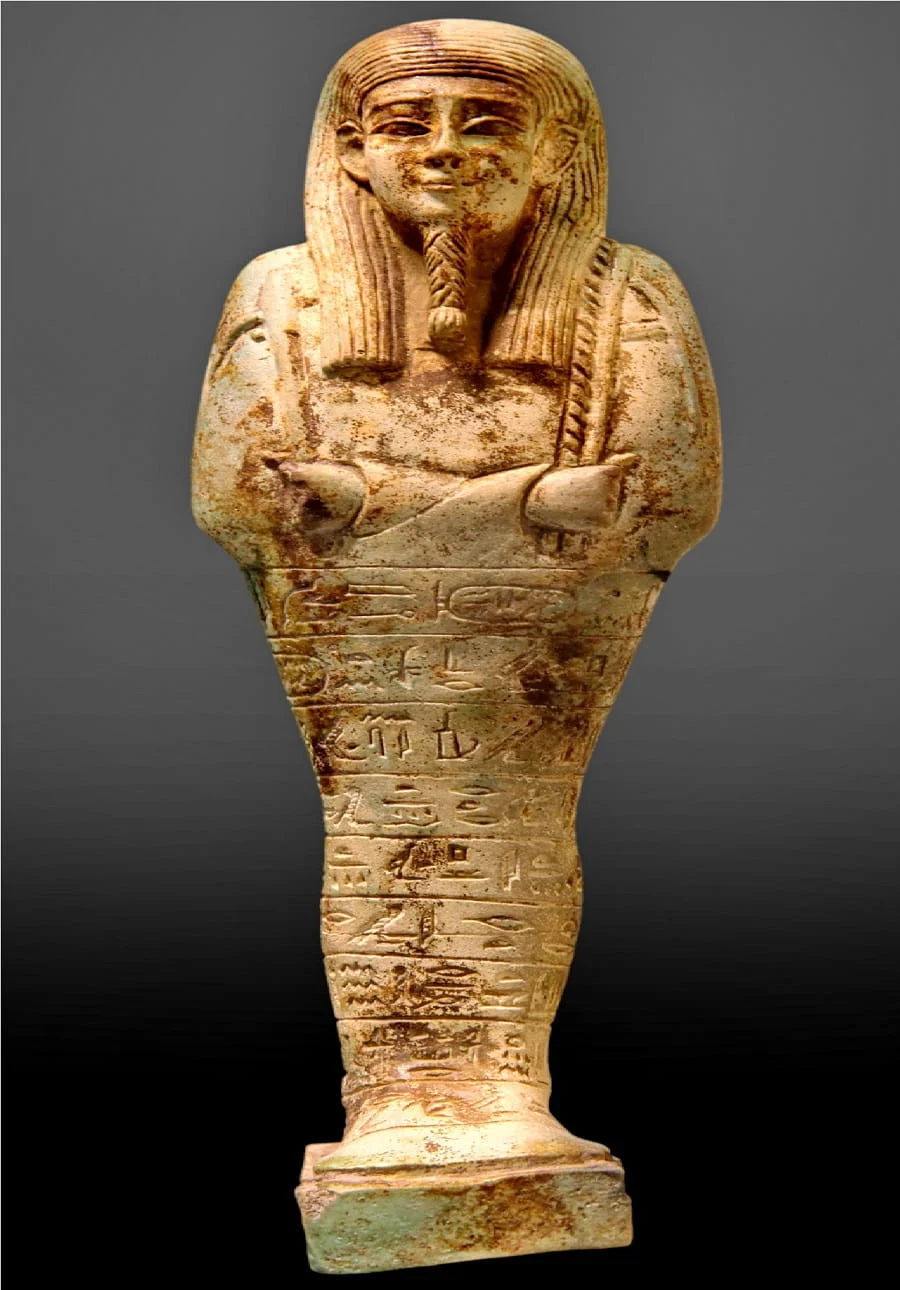
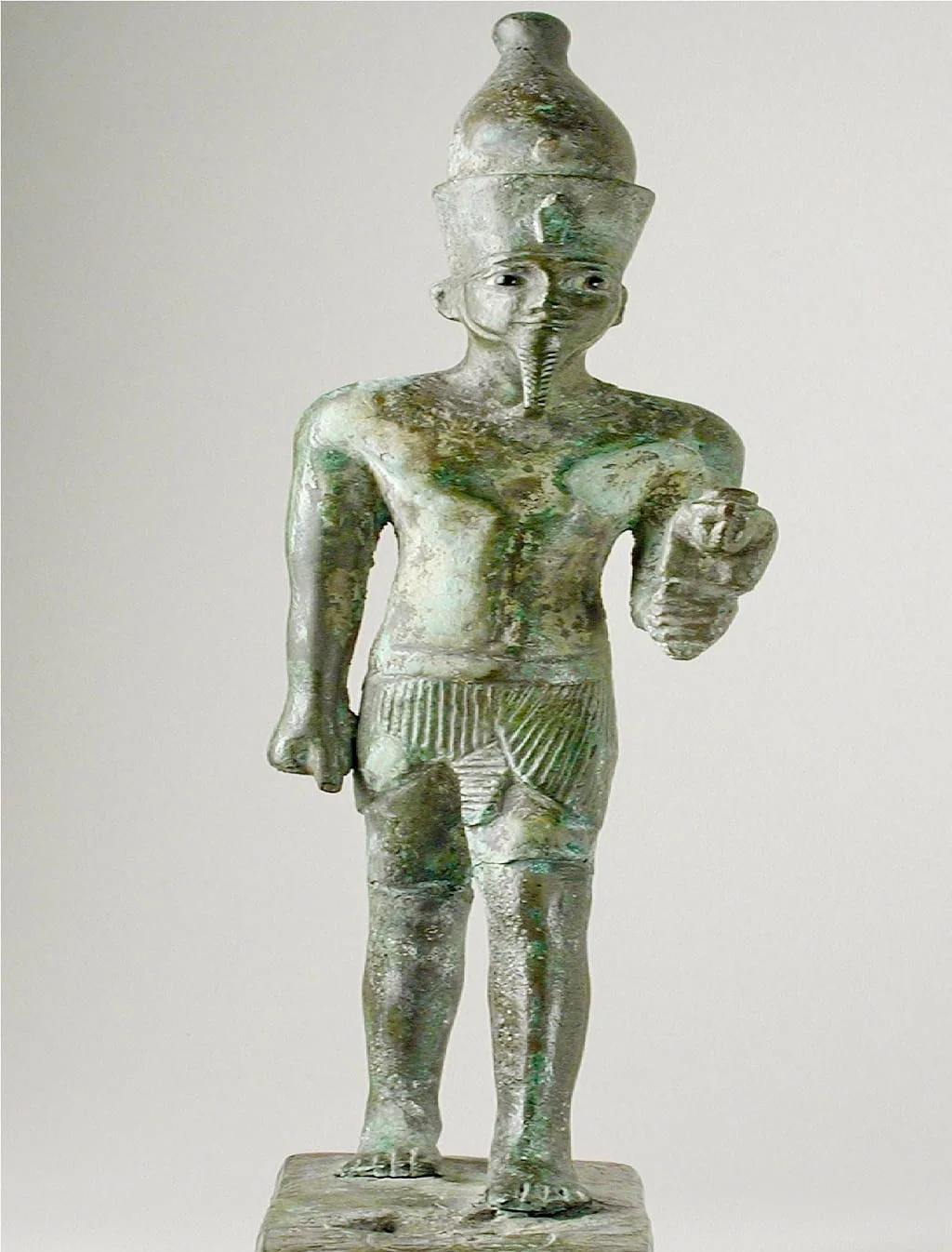
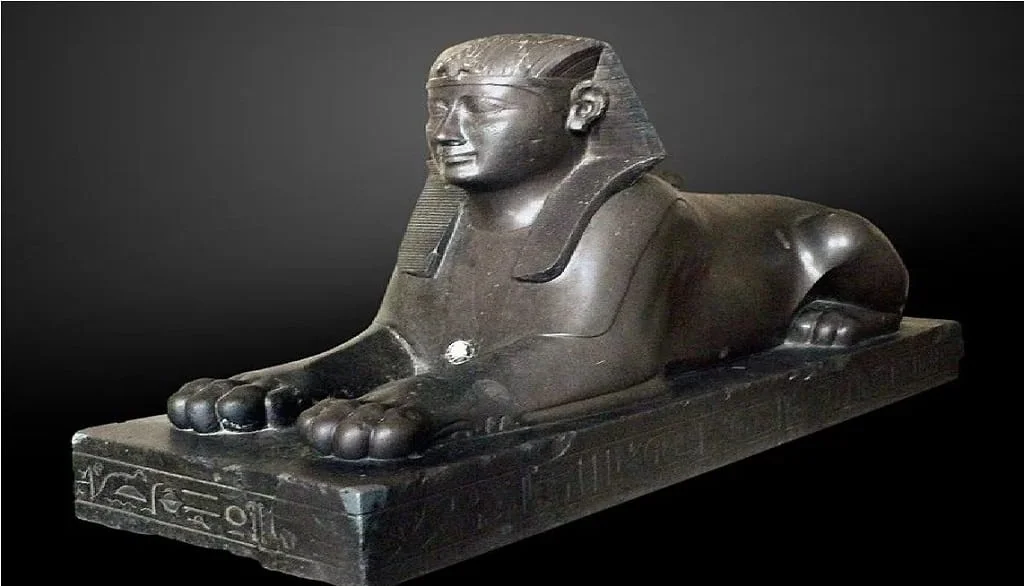
Once Pharaoh Hakor secured his position on the throne, he turned his focus toward domestic renewal. The short-lived Twenty-eighth Dynasty and the early years of the Mendesian line had been defined by constant warfare and internal coups. This meant that previous kings had very little time or wealth to dedicate to traditional pharaonic architecture. Hakor changed this entirely, leaving behind the most significant archaeological footprint of the Late Period.
Hakor realized that building grand monuments was the ultimate way to project power and divine legitimacy. He launched an aggressive, nationwide building campaign that focused heavily on the traditional religious centers of Upper Egypt.
His most notable architectural achievements included:
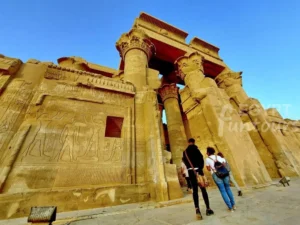
- The Karnak Temple Complex: Hakor constructed a magnificent, standalone chapel near the first pylon at Karnak. This chapel served as a sacred resting place for the divine barque of the god Amun-Ra during religious festivals.
- Medinet Habu: He directed extensive restoration projects and added fine decorative elements to the small temple of Amun at this historic site on the West Bank of Luxor.
- The El-Kab Temple: Hakor built a beautifully decorated kiosk temple deep in Upper Egypt, dedicated to Nekhbet, the protective vulture goddess of the south.
- The Quarries of Turah: He reopened the famous limestone and sandstone quarries near Memphis. This provided a steady supply of premium building materials for projects throughout the Nile Valley.
A Renaissance of Stone: By filling Egypt’s historic sanctuaries with his name and image, Hakor successfully convinced the powerful priesthood that the Twenty-Ninth Dynasty of Egypt was fully committed to honoring the traditional gods.
The Athenian Alliance and the Persian Invasions
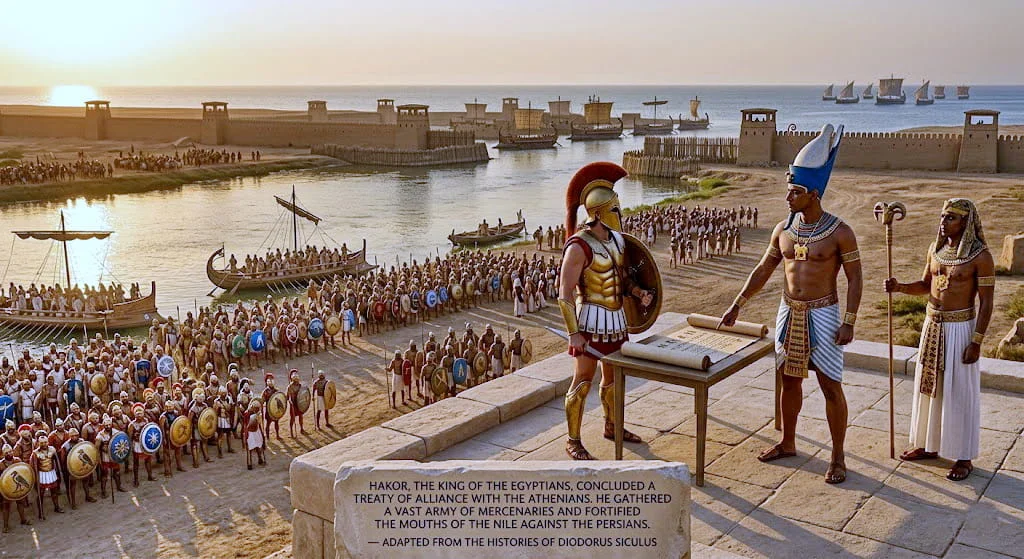
While Hakor spent massive amounts of wealth on temples, his primary challenge remained the looming military threat of the Achaemenid Persian Empire. By 389 BCE, the Persian King Artaxerxes II had finally stabilized his own borders. He was now fully prepared to launch a massive, coordinated invasion to crush Egyptian independence once and for all.
To prepare for this onslaught, Hakor enacted a brilliant, aggressive foreign policy. He realized that the Spartan alliance had faded, so he turned his attention to their bitter rivals: Athens.
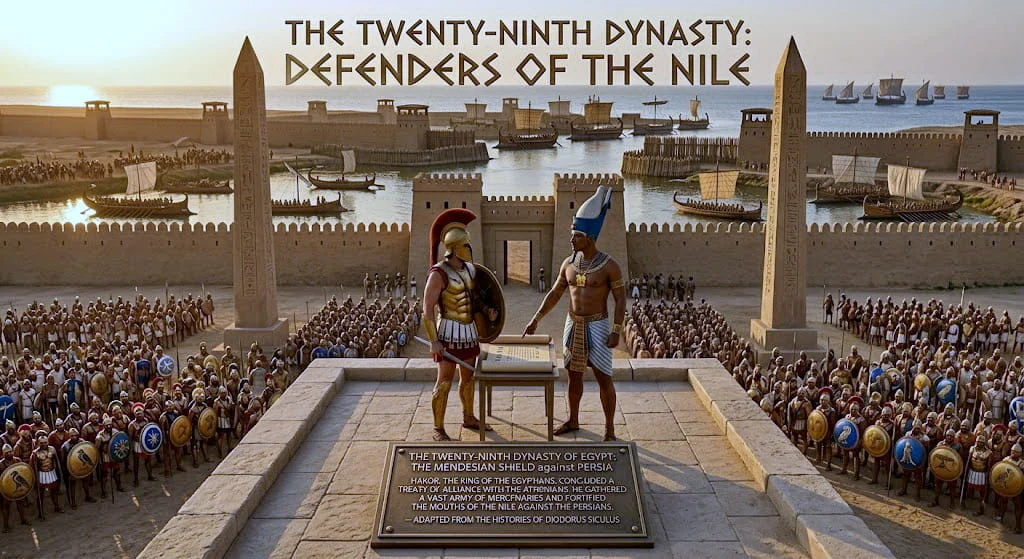
Hakor signed a comprehensive mutual defense treaty with the Athenian assembly. This alliance changed the entire dynamic of the war. Athens sent their most brilliant military mind, the legendary general Chabrias, along with thousands of elite Greek hoplite mercenaries, to serve directly under Hakor’s command.
Between 385 and 383 BCE, the Persian Empire launched a relentless, three-year military offensive against Egypt. The Persian forces attacked with an army of over 200,000 soldiers and a massive naval fleet.
However, Hakor and General Chabrias were fully prepared. They used a masterful joint defense strategy to repel the invasion:
The Delta Fortifications
Chabrias designed a highly sophisticated network of earthworks, deep trenches, and stone forts along every major branch of the Nile Delta. These defensive barriers completely blocked the Persian land columns and protected the northern coast.
Naval Interception
Hakor used Egypt’s wealth to build a powerful navy. The Egyptian and Athenian fleets worked together in the Mediterranean Sea, aggressively cutting off the Persian supply ships and isolating the enemy on the beaches.
The Great Repulsion
Because of these brilliant tactical maneuvers, the Persian army suffered massive casualties, ran out of vital food supplies, and collapsed into internal arguments. After three grueling years of fighting, the imperial forces were forced to retreat in utter disgrace. Hakor had achieved the impossible: he had successfully defended the sovereignty of the Twenty-Ninth Dynasty of Egypt against the largest empire on Earth.