

The Twilight of the Old Kingdom: Unmasking the Eighth Dynasty
History often celebrates Egypt’s grand achievements. We marvel at the Giza pyramids and the vast wealth of the New Kingdom. However, the “lost” periods offer the deepest insights into how a civilization survives. The Eighth Dynasty of Egypt is one of these enigmatic thresholds. It was a brief, ghostly succession of rulers who clung to Memphite traditions as their world began to fracture.
Pepi II reigned for an exceptionally long time, which destabilized the nation. Following his death, the divine pharaoh’s absolute authority began to wane. By the start of the Eighth Dynasty, Memphis had lost its centralized power. For modern historians, this period serves as a vital case study in the struggle for continuity. These leaders wore the crown as a heavy burden while they watched their state decentralize.
A Struggle for Stability
Why did this dynasty fail to hold control? Was it the inevitable collapse of the Sixth Dynasty‘s structure? Perhaps a combination of climate shifts, administrative decay, and the rising power of local governors caused the downfall.
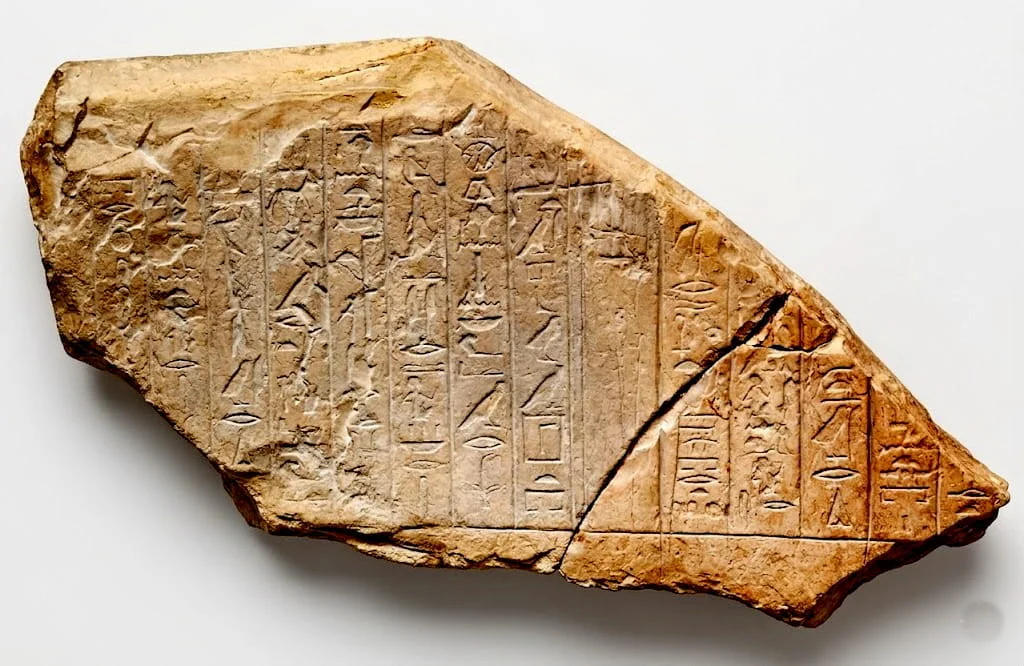
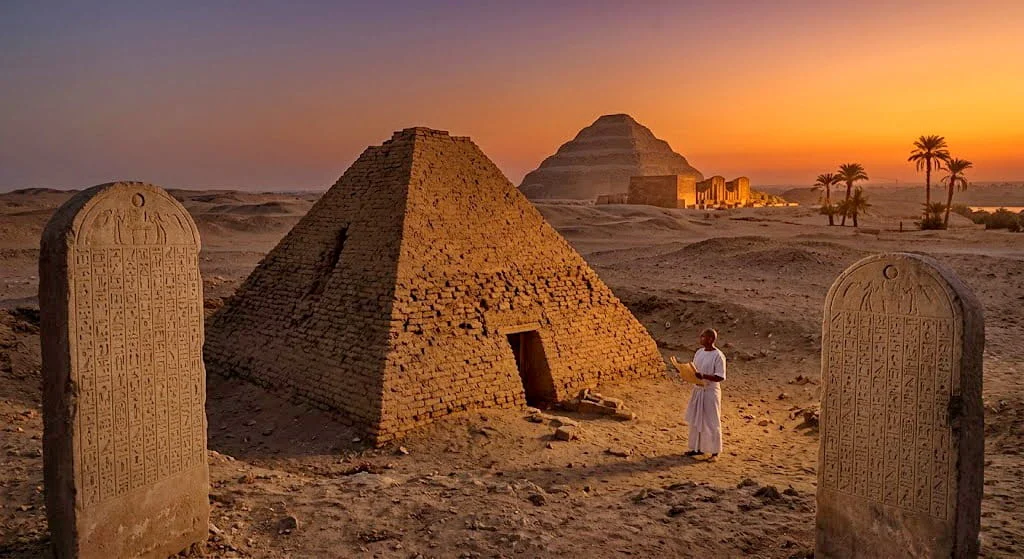
This article views the Eighth Dynasty as a final, desperate attempt to preserve the Old Kingdom. We will examine the scattered archaeological evidence and the royal decrees found at Coptos. We will also analyze the austere, final pyramids built at Saqqara. Join us as we uncover the story of these forgotten rulers. They stood at the precipice of the First Intermediate Period, fighting to keep the old traditions alive as the shadows of fragmentation gathered.
The Context: A Kingdom in Flux
To understand the Eighth Dynasty, we must look at the years preceding it. The stability of the Old Kingdom did not vanish overnight. Instead, it eroded through a combination of environmental changes, economic exhaustion, and a significant shift in political power.
The Shadow of Pepi II
The long reign of Pepi II is often blamed for the structural decline of the Sixth Dynasty. While his rule lasted for decades, the latter years of his life saw the central government lose its grip on the distant provinces. As the aging monarch became increasingly isolated in Memphis, local officials—known as nomarchs—began to consolidate power in their own regions. By the time Pepi II died, the administrative machinery that had built the pyramids was already creaking under the weight of its own bureaucracy.
Environmental and Economic Pressures
Recent paleoclimatic studies suggest that Egypt faced a series of severe droughts during this transition. A drying Nile meant lower agricultural yields, directly threatening the state’s food security. Because the economy relied entirely on the surplus generated by the Nile’s annual flooding, these poor harvests stripped the pharaoh of the resources needed to pay the army and maintain a massive civil service. With the grain stores empty, the loyalty of the provincial governors became a commodity that the throne could no longer afford to buy.
The Rise of the Nomarchs
As the central authority weakened, the role of the nomarch transformed. Originally, these governors were royal appointees who served at the king’s pleasure. During the transition to the Eighth Dynasty, they evolved into hereditary rulers of their own territories. They stopped looking to Memphis for guidance and began acting as independent lords.
They built their own tombs, managed their own local economies, and commanded their own militias. This shift effectively ended the absolute monarchy of the Old Kingdom. The Eighth Dynasty pharaohs, therefore, found themselves in a precarious position. They were kings in title, but they were effectively trapped in Memphis, ruling over a kingdom that was rapidly shrinking in all but name.