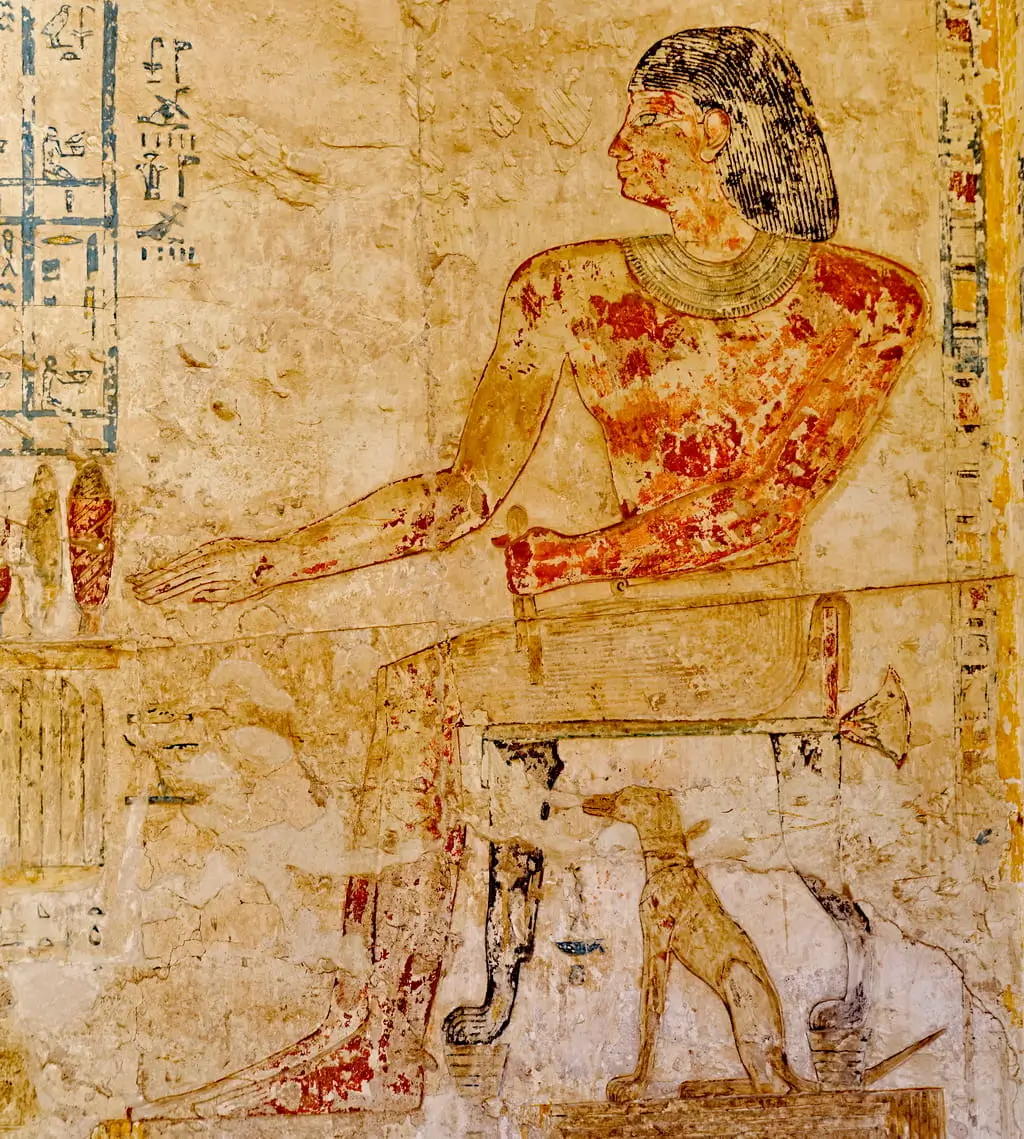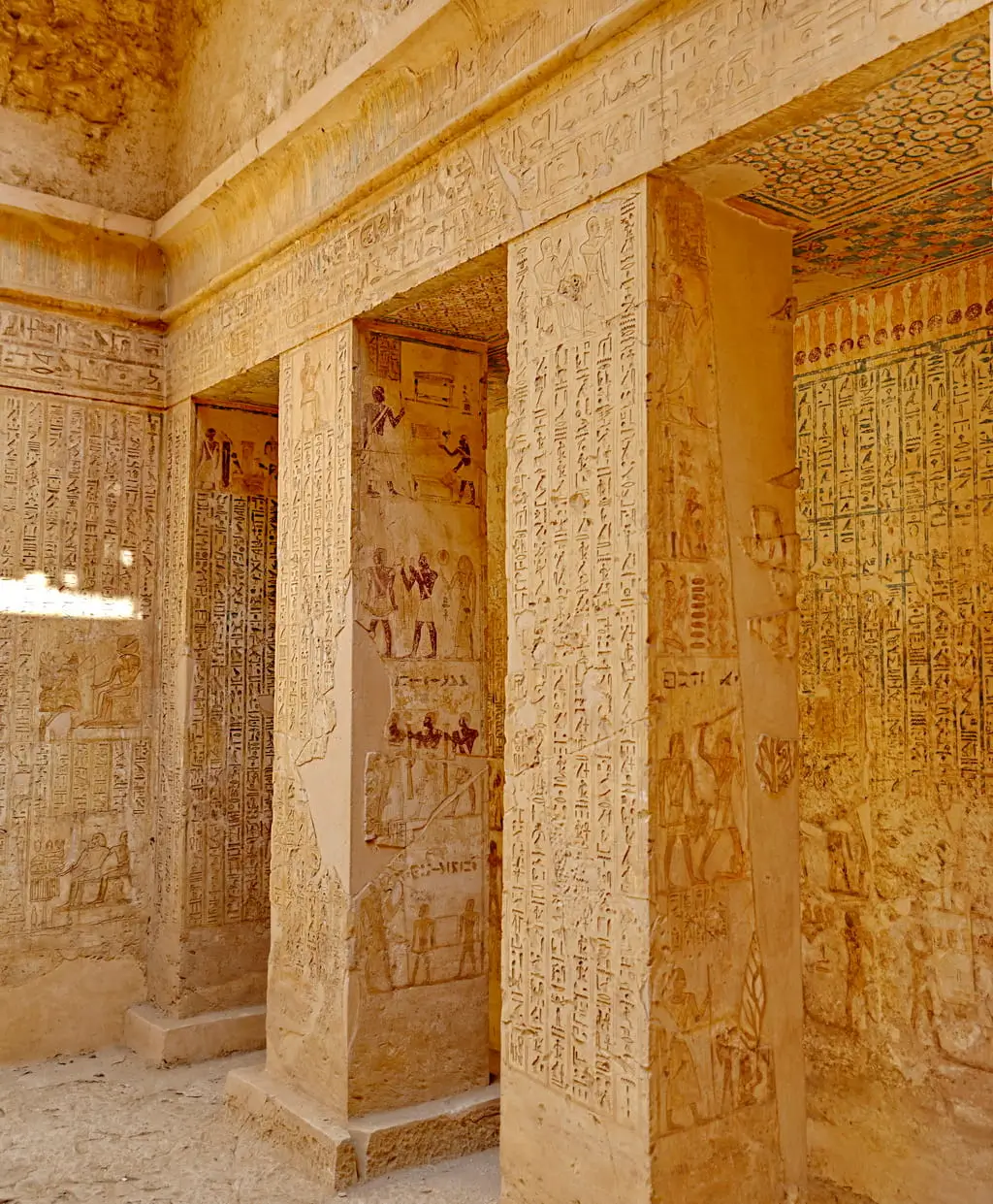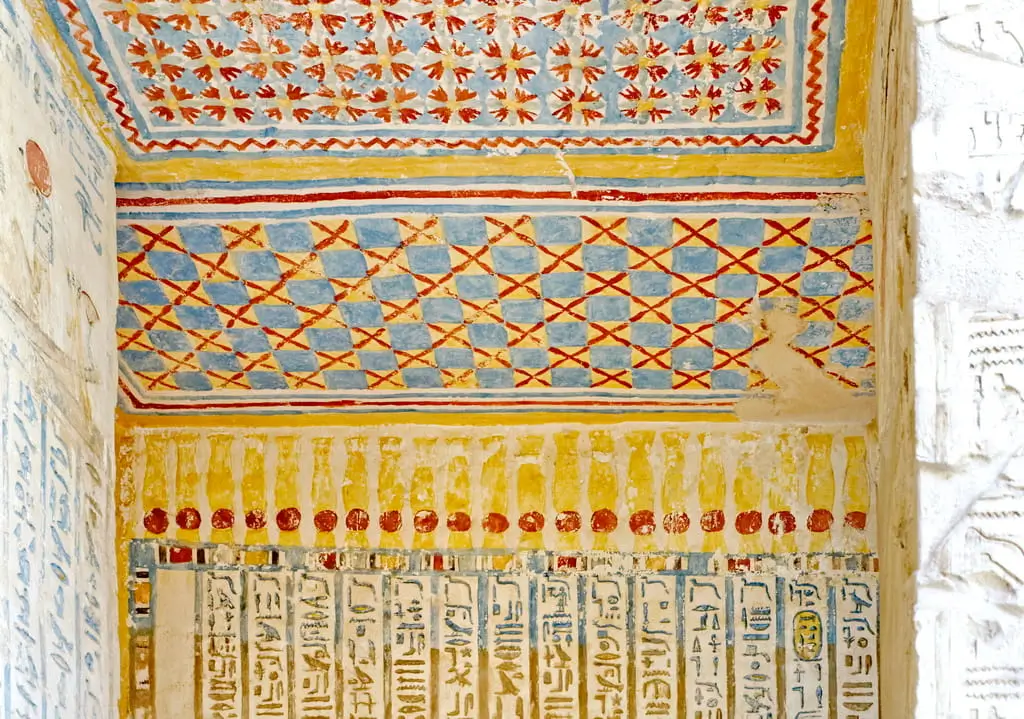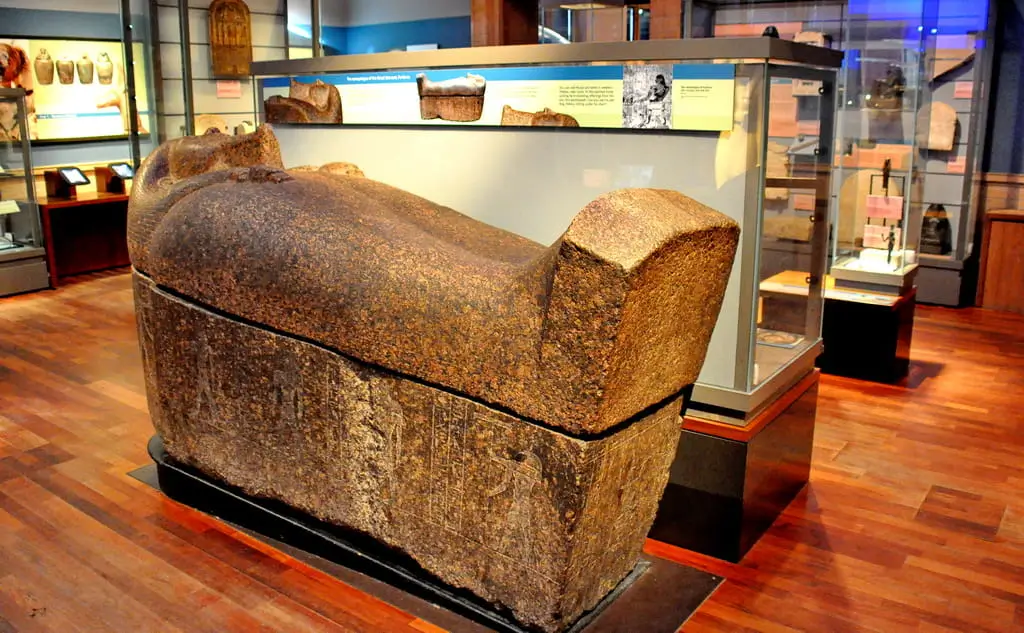
Tucked away in the shadow of the cliffs at El-Asasif, just steps from the majestic Temple of Hatshepsut, lies one of the most intellectually fascinating monuments of the Theban Necropolis: The Tomb of Pabasa (TT279). While the grand royal valleys nearby often steal the spotlight, this 26th Dynasty treasure offers something the golden masks of kings cannot—a vivid, detailed window into the sophisticated daily life and industrial ingenuity of the Saite Period.
Pabasa was no ordinary official. As the Chief Steward of the God’s Wife of Amun, Nitocris I, he held the keys to the most powerful religious and economic institution in Upper Egypt. His final resting place is a testament to that status, blending architectural grandeur with a rare artistic movement known as “archaism.”
Why TT279 is a Must-Visit for Historians
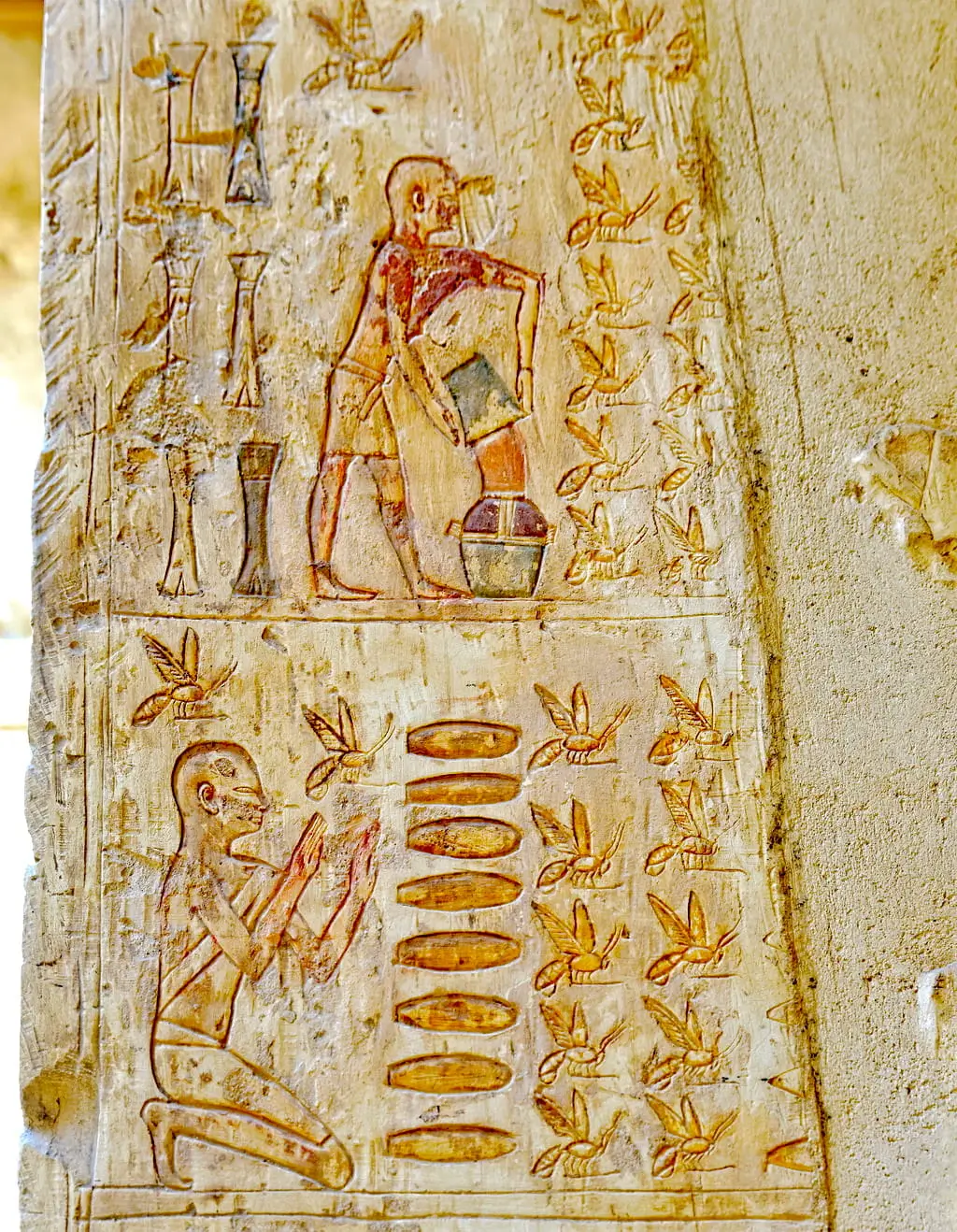
The Tomb of Pabasa is most famously recognized for a single, delicate relief that has captivated archaeologists for decades: the Beekeeping Scene. This rare depiction of ancient honey production is one of the few pieces of evidence showing how the Egyptians managed apiculture nearly 2,600 years ago. But beyond the bees, the tomb reveals a wealth of information about:
- Ancient Egyptian Logistics: From winemaking to fishing and weaving.
- The Saite Renaissance: A period where artists looked back 2,000 years to the Old Kingdom for inspiration.
- Political Powerhouses: The unique role of the “God’s Wife of Amun” during the 26th Dynasty.
In this comprehensive guide, we will journey through the sun-drenched courtyards of TT279, decode the intricate reliefs of the pillared halls, and explore the legacy of the man who managed the wealth of Thebes. Whether you are an armchair Egyptologist or planning a private tour of Luxor’s West Bank, this deep dive into the Tomb of Pabasa will reveal the hidden layers of Egypt’s last great indigenous dynasty.