
The Chief Scribe and the Architectural Echoes of Karnak
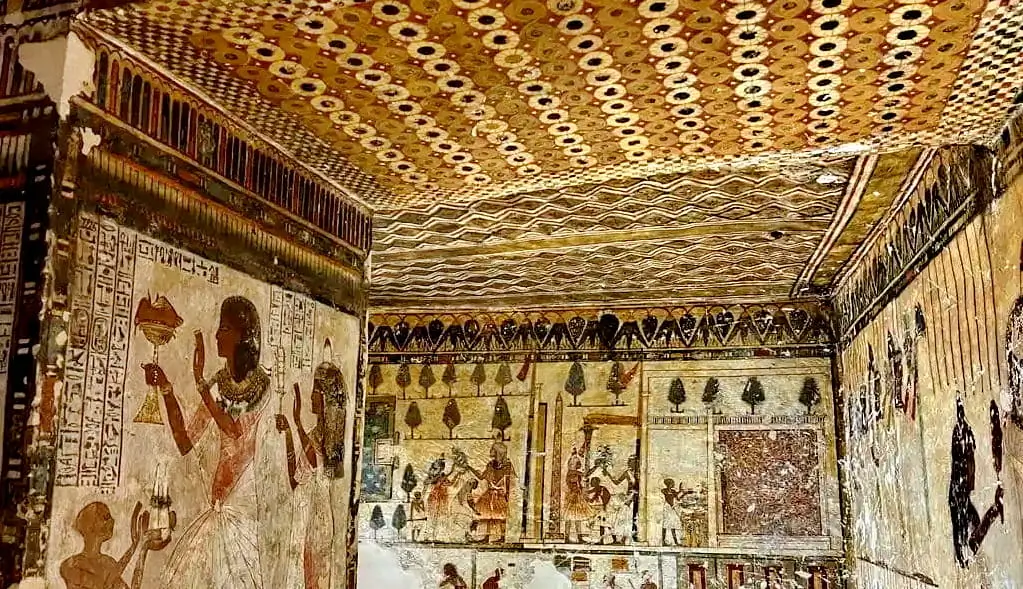
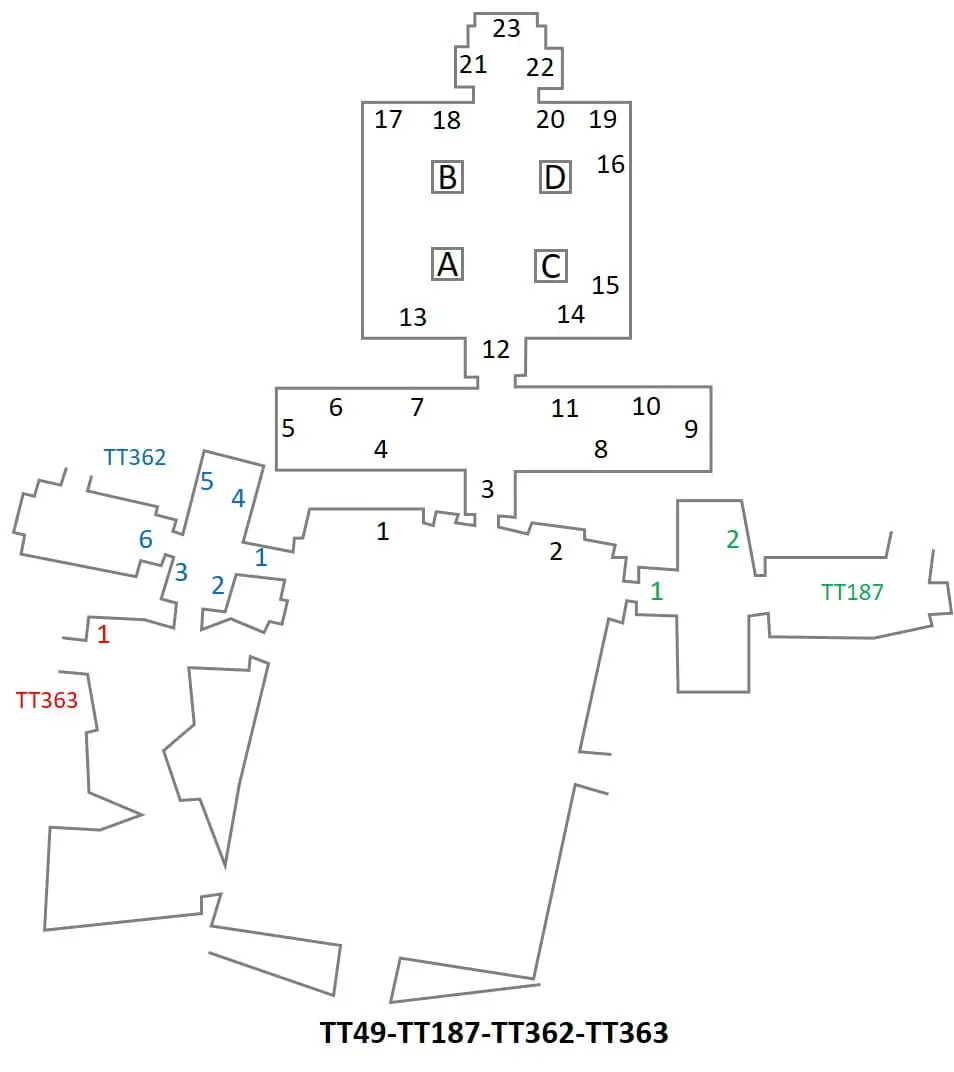
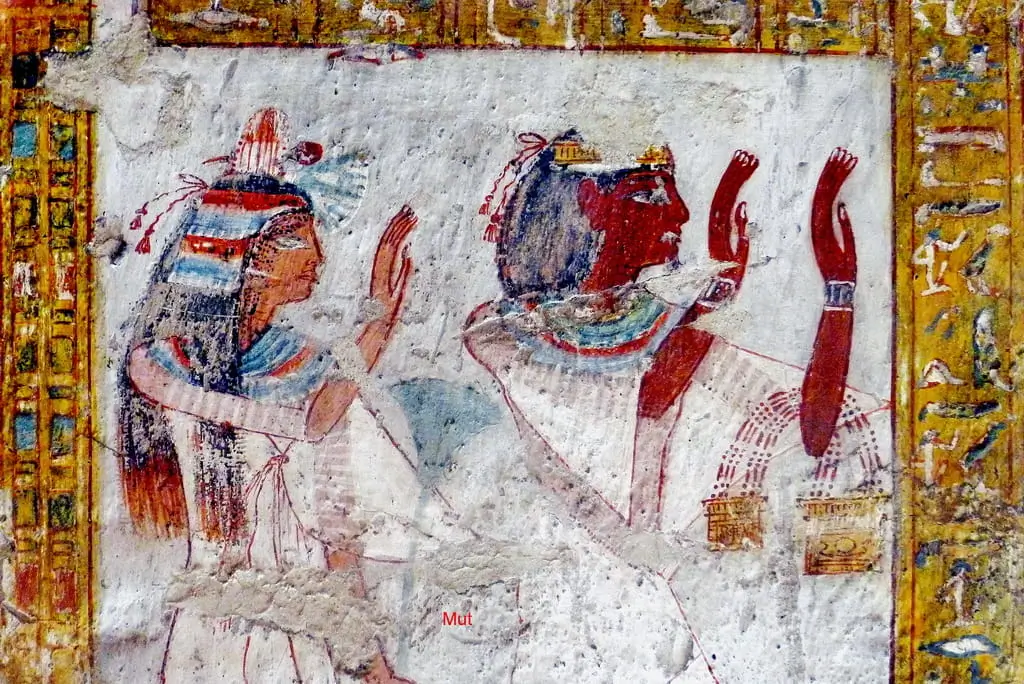
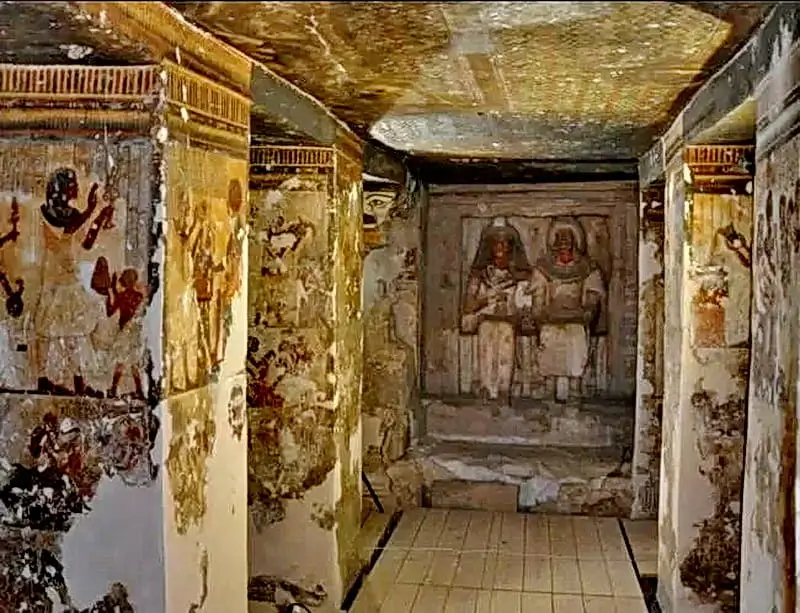
While the nearby tombs of the West Bank often focus on the mystery of the afterlife, the Tomb of Neferhotep (TT49) serves as a vibrant, panoramic record of the world of the living. Situated in the El-Khokha district, this tomb belonged to the “Chief Scribe of Amun” during the short but pivotal reign of King Ay, the immediate successor to Tutankhamun. Neferhotep was not merely a clerk; rather, he was a high-ranking administrator responsible for the documentation and spiritual integrity of the greatest religious institution on earth: the Temple of Amun at Karnak.
Tomb of Neferhotep (TT49): A Visual Blueprint of the Ancient World
Incredible architectural fidelity distinguishes TT49 from its neighbors. Since Neferhotep centered his career at Karnak, his tomb features one of the most detailed ancient illustrations of the temple complex that archaeologists have ever discovered. Consequently, historians treat the walls of TT49 as a primary architectural blueprint. Through these paintings, we view the temple as it stood over 3,300 years ago, complete with its soaring pylons, colossal statues, and bustling magazines.
Tomb of Neferhotep (TT49): Witness to a Post-Amarna Restoration
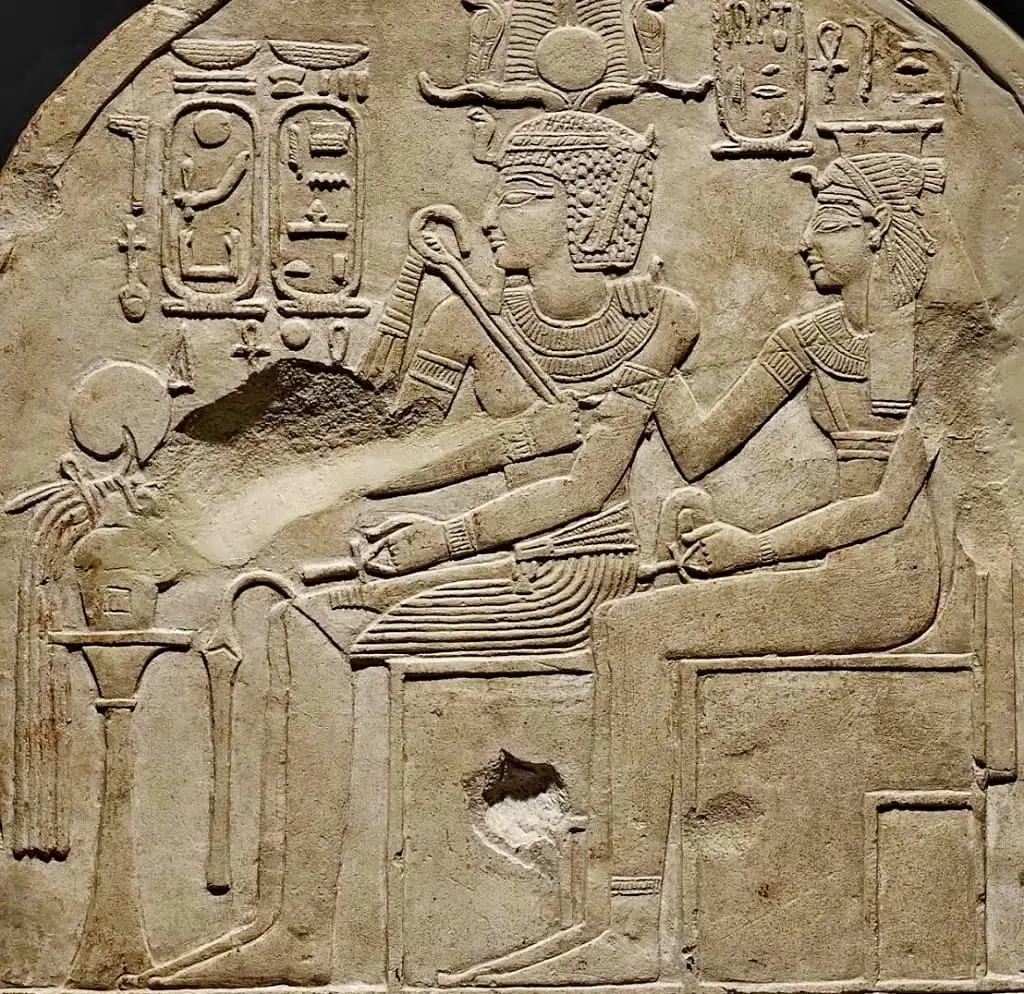
Furthermore, the Tomb of Neferhotep offers a unique perspective on a civilization in transition. Following the death of Tutankhamun, King Ay continued the massive task of restoring the traditional cults that the Amarna Period had suppressed. In this context, Neferhotep played a vital role as Chief Scribe. He took on the task of “re-writing” the temple’s order, and his tomb reflects this renewed devotion to Amun-Re with a grandeur that rivals the royal monuments of the era.
Tomb of Neferhotep (TT49): The “Gold of Honor” and Royal Favor
In addition to its religious significance, the tomb documents the height of Neferhotep’s social standing. One of the most famous scenes depicts him being rewarded by King Ay and Queen Ty from the “Window of Appearance.” This moment—the public bestowal of the Gold of Honor—serves as a testament to his loyalty and his influence at court. By exploring TT49, we do not just see a burial site; instead, we witness the life of a man who stood at the intersection of royal power and divine service.