Unlocking the Secrets of the Tomb of Huy (TT40)
Nestled in the hillside of Qurnet Murai on the West Bank of Luxor, the Tomb of Huy (TT40) stands as one of the most significant historical landmarks of the New Kingdom. While the world focuses on the golden treasures of Tutankhamun, this private tomb reveals the administrative backbone that made such wealth possible. It is the final resting place of Amenhotep, also known as Huy, the powerful Viceroy of Kush who served during the reign of the famous boy-king. As the “King’s Son of Kush,” Huy was far more than a court official; he was the supreme governor of Egypt’s southern empire. From the gold mines of the Eastern Desert to the deep trade routes of modern-day Sudan, Huy managed the logistics, taxes, and diplomacy that fueled the 18th Dynasty’s economy.
Why the Tomb of Huy (TT40) is Historically Unique
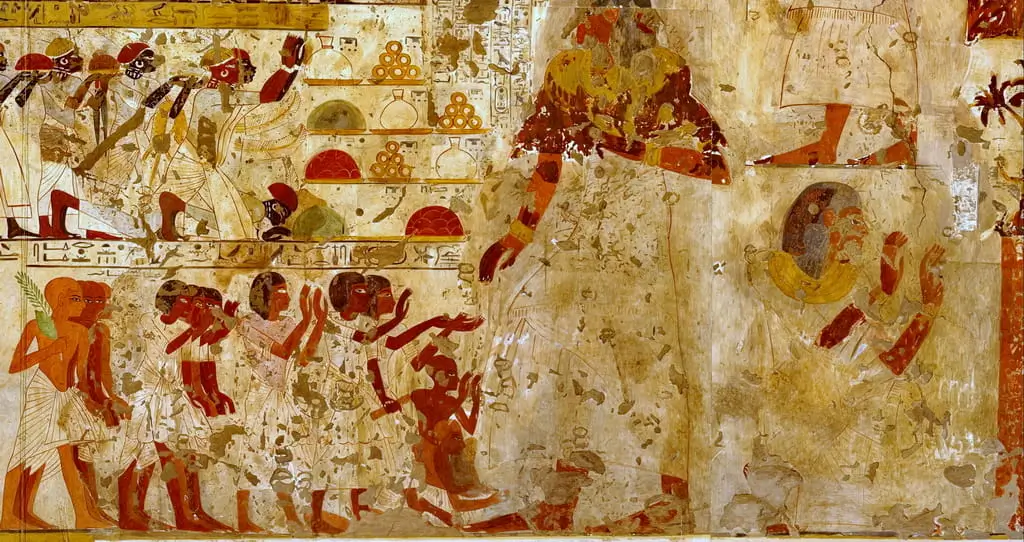
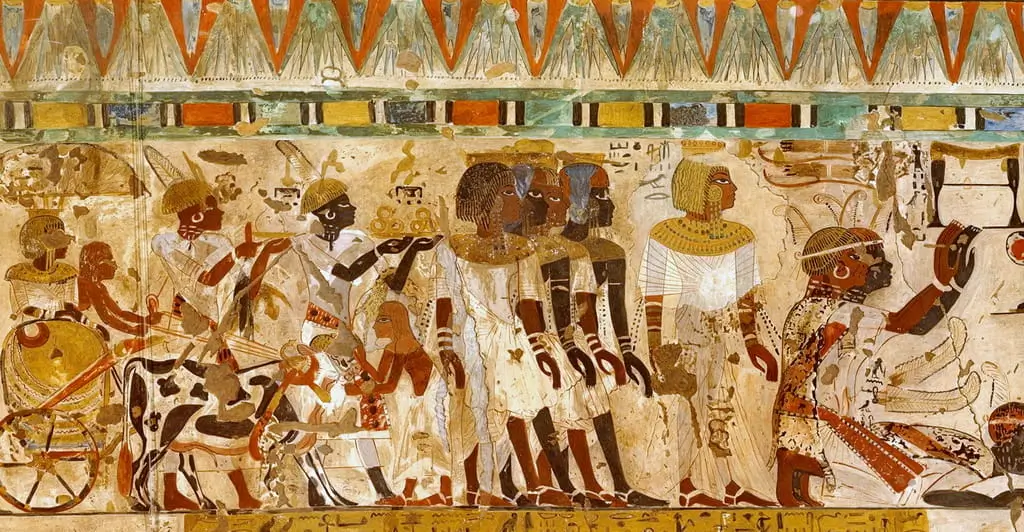
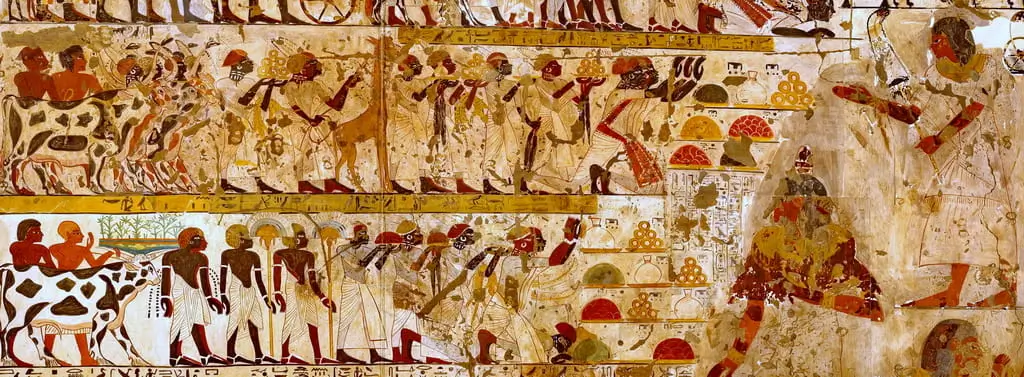
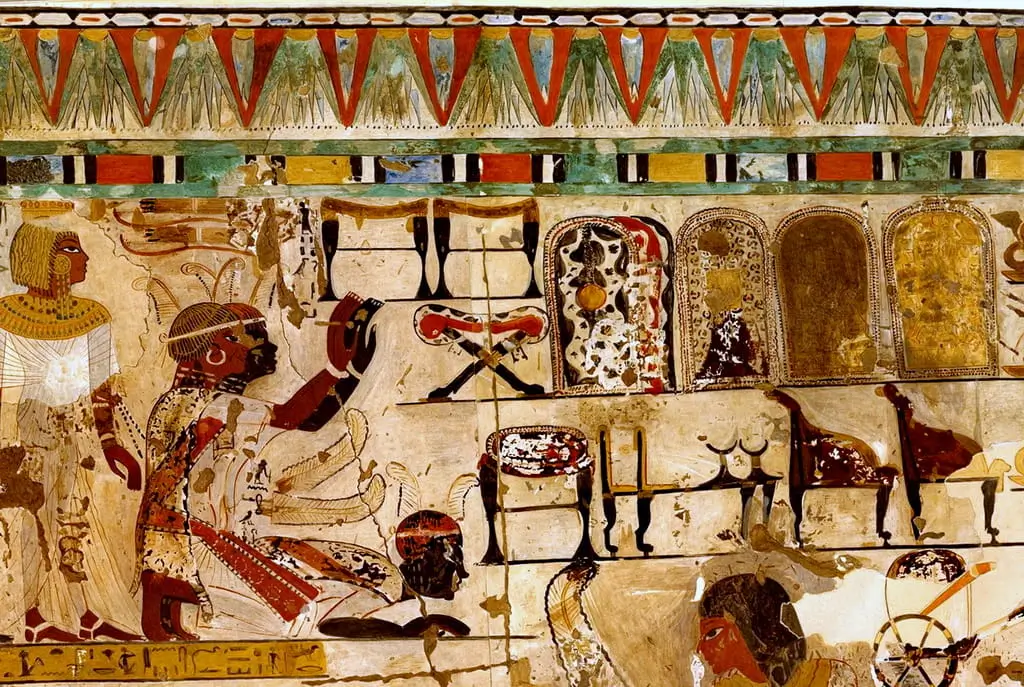
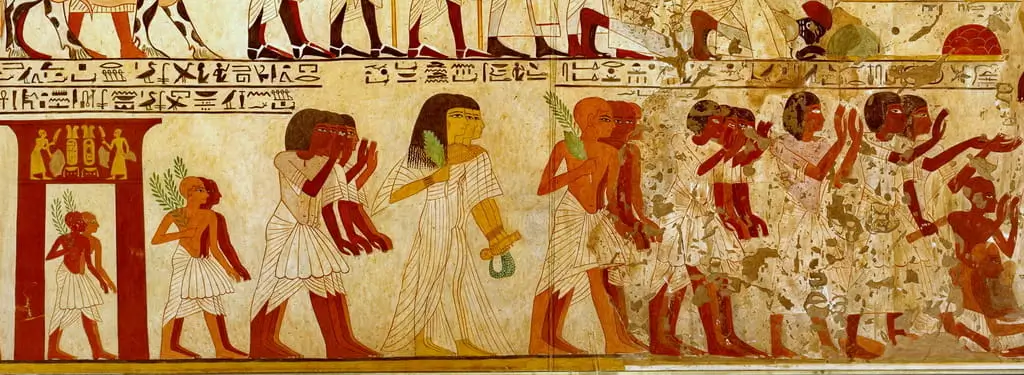
What makes Theban Tomb 40 a “must-see” for historians and travelers is its role as a vivid, colorful record of ancient international relations. Unlike typical religious tombs, TT40 functions as a diplomatic gallery. The wall paintings offer an unparalleled look at:
- Unfamiliar African Tributes: Rare depictions of wildlife, including giraffes, cheetahs, and monkeys, brought from the heart of Africa.
- The Wealth of Kush: Scenes showing massive rings of Nubian gold, ebony wood, and intricately decorated shields.
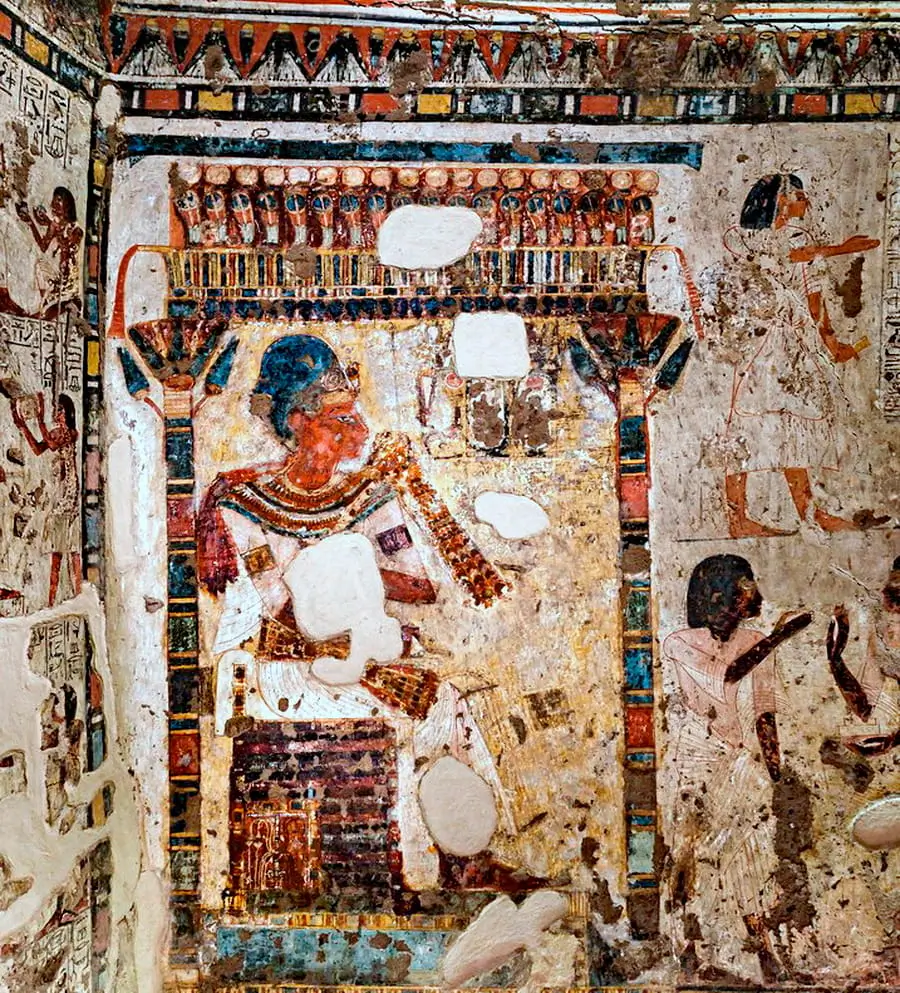
- Ancient Diplomacy: Visual evidence of foreign princes and delegations arriving in Thebes to pay homage to Pharaoh Tutankhamun.
The Tomb of Huy: A Bridge Between Two Eras
Beyond its historical data, the tomb is an artistic masterpiece of the Post-Amarna Period. It captures a unique transition in Egyptian art—blending the traditional grandeur of Thebes with the fluid, expressive lines influenced by the era of Akhenaten.
For anyone seeking to understand the true reach of Tutankhamun’s Empire, the Tomb of Huy is an essential piece of the puzzle. It illustrates a time when Egypt was the undisputed center of the ancient world, commanding respect from the Mediterranean to the African interior. In this guide, we will dive deep into the life of the Viceroy, the meaning behind the famous tribute scenes, and the architectural secrets of this hidden gem in the Theban Necropolis.
Section Highlights: What You Will Learn
- The Life of Huy: A biography of the Viceroy of Kush.
- Visual Analysis: Decoding the giraffe and gold tribute scenes.
- The Tutankhamun Connection: How Huy’s work supported the boy-king’s reign.
- Artistic Style: The evolution of painting in the late 18th Dynasty.