Wadi Al-Natrun: The Living Legacy of Egypt’s Monasteries

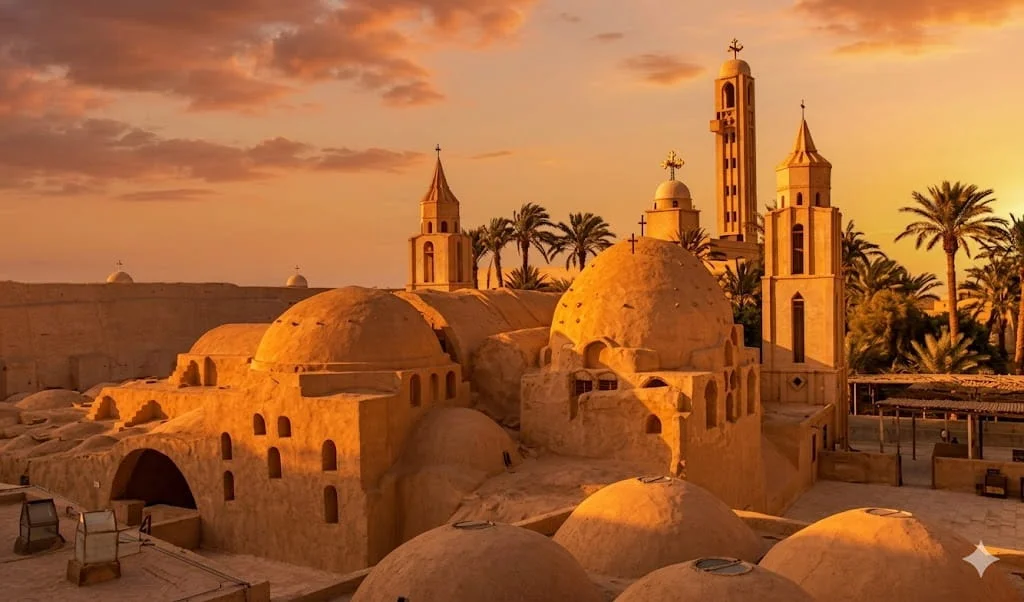
The monasteries of Wadi El-Natrun stand as silent, profound witnesses to an enduring legacy of human devotion. From their origins as humble hermitages in the harsh desert landscape to their evolution into world-renowned centers of theology and manuscript preservation, these sites have remained a vital bridge to the ancient world. They represent more than just stone and mortar; they are living repositories of the Coptic tradition, safeguarding a wisdom that has transcended centuries of change. As you conclude your journey through the history, architecture, and daily life of this sacred valley, the true significance of Scetis becomes clear. It is a place where silence fosters clarity, where tradition honors the past, and where the relentless pursuit of the divine continues to shape the spiritual landscape of the modern world.

The Valley of Salt and the Birth of a Spiritual Revolution

Deep in the Western Desert, located between Cairo and Alexandria, lies a depression that has held secrets of the earth and the human spirit for millennia. Known today as Wadi Al-Natrun, this region was once the center of the ancient world’s natural resources. It provided the essential salt compounds used by the Pharaohs for the sacred rites of mummification. Beginning in the 4th century AD, the valley underwent a profound transformation that echoed far beyond the borders of Egypt. It ceased to be merely a site of mineral extraction and became “Scetis,” the crucible of Christian monasticism.

The Call of the Desert

The Call of the Desert

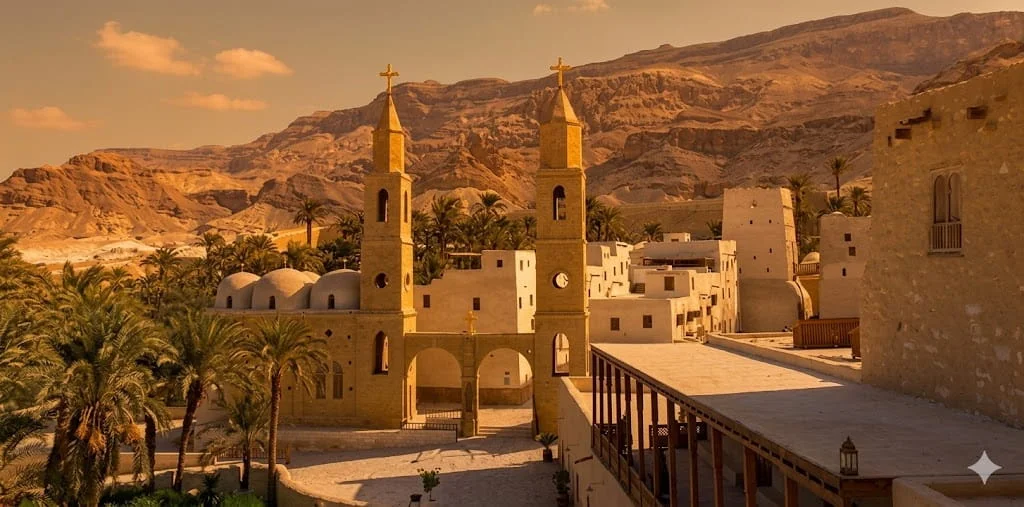
Amidst the stark beauty of the dunes and the saline lakes of Wadi Al-Natrun, early hermits sought to escape the distractions of the material world. These individuals arrived to carve their cells into the rock. They were driven by a singular purpose: to find silence, to embrace asceticism, and to encounter the divine in the utter emptiness of the desert. What began as a scattered collection of hermit caves rapidly evolved into a sophisticated, communal way of life. This movement defined the foundational structure of monasteries across the globe for the next 1,700 years.

Wadi Al-Natrun: A Living Legacy of Faith

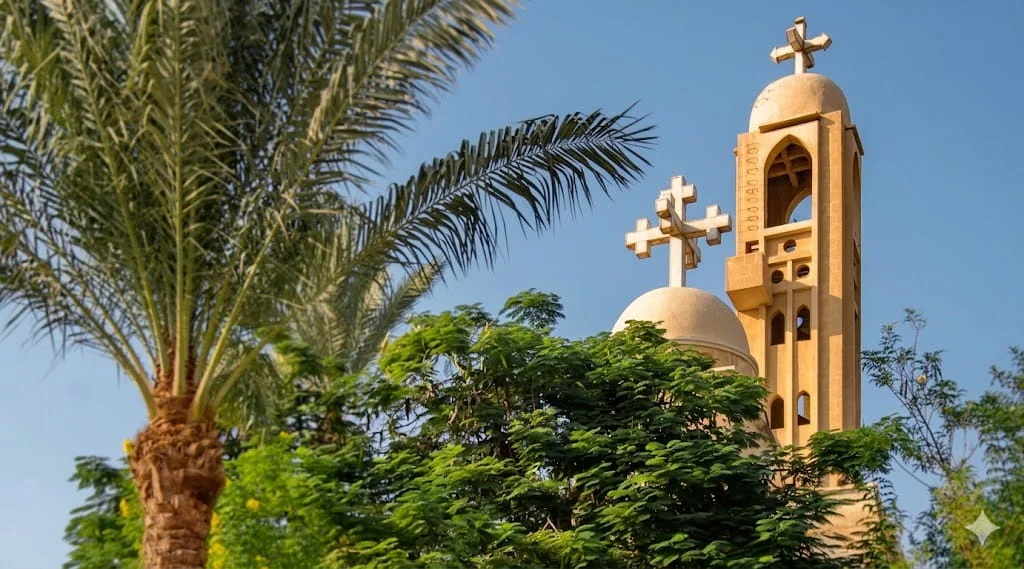
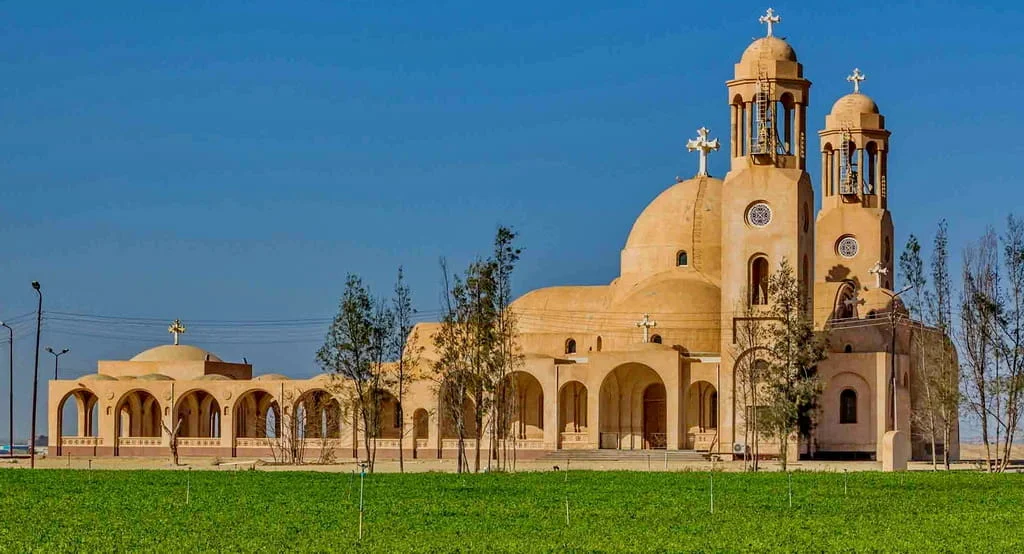
Today, the four surviving monastic pillars of the valley stand as vibrant, living testaments to an enduring faith. Deir al-Baramus, Deir Anba Bishoi, Deir el-Suryani, and Deir Abu Makar remain profound repositories of Coptic heritage. These sites house ancient manuscripts, priceless frescoes, and the relics of saints who shaped the theology of the early Church. For the traveler and the historian, Wadi Al-Natrun offers more than just an architectural tour. It provides a rare, contemplative window into a tradition that has survived invasion, isolation, and the relentless passage of time.

Exploring the Sacred Geography

Exploring the Sacred Geography

In this guide, we will journey through the spiritual geography of Scetis and the monasteries of Wadi Al-Natrun. We will explore the historical milestones of its four great monasteries and the rigorous daily discipline of the monks who call them home. We will also examine the architectural ingenuity required to defend this sacred heritage through the ages. Whether you are seeking to understand the deep roots of Egyptian history or embarking on a pilgrimage, the story of Wadi Al-Natrun is an essential chapter in the history of human devotion.

FUN

The Historical Significance of Scetis: How the Desert Transformed the World

The Historical Significance of Scetis How the Desert Transformed the World

To understand the global impact of the monasteries, one must first understand the unique environment of Scetis. The valley provided the physical isolation necessary for a radical shift in religious practice.

The Role of Natural Resources

Before it became a spiritual haven, the valley was a vital industrial hub. The unique chemical composition of the saline lakes produced natron, a natural salt mixture. This substance was essential for the pharaonic process of mummification. Thousands of workers and merchants frequented the area for centuries to harvest this “salt of the earth.” This history of human presence meant that the region was not entirely unknown, yet its harsh climate ensured it remained a frontier.

Wadi Al-Natrun: The Great Migration to the Desert

In the 4th century AD, the tide of human activity changed. The first ascetics arrived from the Nile Valley, seeking to leave behind the complexities of urban life. They felt the cities had become distracted by politics and luxury. The desert offered a clean slate. Here, the landscape stripped away all societal pressures, forcing a direct encounter with one’s own soul and the divine.

The Evolution from Hermit to Community

The Evolution from Hermit to Community

Initially, these early pioneers lived as solitary hermits in small, scattered caves. They practiced extreme forms of prayer and fasting. However, the movement grew rapidly. As more people arrived, the need for order became clear. The transition from isolated hermitages to organized, communal living—known as cenobitic monasticism—began to take shape.

This shift was revolutionary. It created the blueprint for the monastery as we recognize it today. The community allowed for a structured life that balanced manual labor, shared prayer, and scholarly work. This model ensured that the wisdom of the early teachers was not lost but preserved and passed down to future generations. The monasteries of Wadi Al-Natrun became the university of the spirit, shaping the very foundation of the Christian monastic movement that eventually spread throughout Europe and the East.

The Four Great Monasteries of Wadi Al-Natrun

The Four Great Monasteries of Wadi Al-Natrun

The spiritual heart of Scetis comprises four distinct monastic communities. Each monastery maintains its own unique history, architectural character, and scholarly contribution to the Coptic Church.

Deir al-Baramus: The Ancient Roots

Deir al-Baramus is often cited as the oldest site in the valley. The name translates to “The Monastery of the Romans.” It honors two brothers of royal Roman descent who arrived here in the 4th century. Their presence established a tradition of international connection that continues today. The site serves as a vital link between the early hermit period and the later communal era.

Deir Anba Bishoi: Architecture and Leadership

Deir Anba Bishoi is the largest and perhaps most recognizable of the four sites. It houses the relics of its founder, Saint Bishoy. The complex is noted for its impressive architectural scale and its role in modern church life. It frequently serves as a residence for the Pope of the Coptic Orthodox Church. The monastery remains a beacon for pilgrims who travel from across the globe to witness its historic churches and quiet courtyards.

Deir el-Suryani: A Treasury of Art

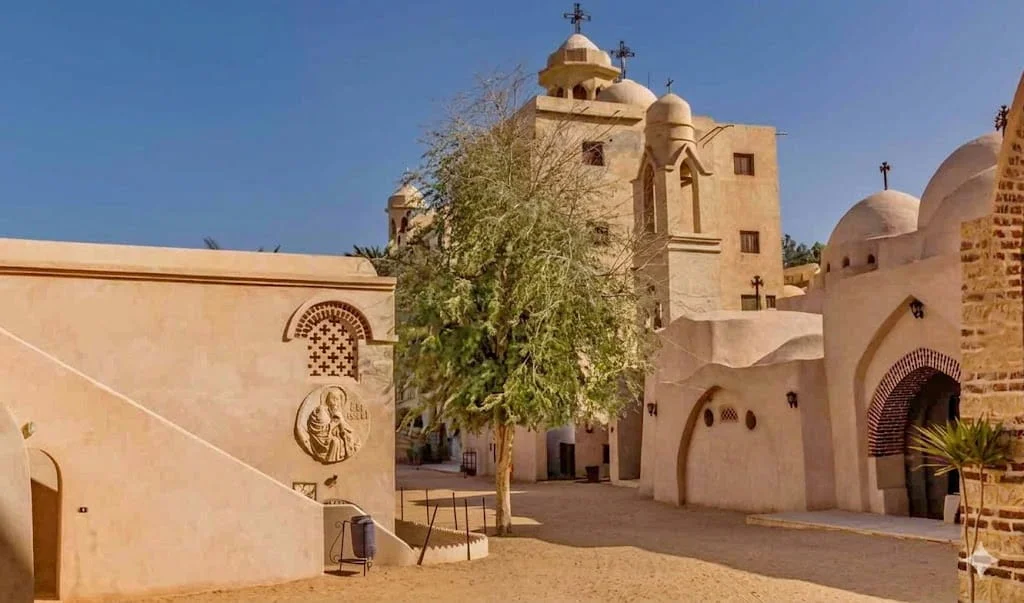
Deir el-Suryani, the “Monastery of the Syrians,” offers a unique window into medieval history. During the 8th century, it became a refuge for monks traveling from the Levant. This multicultural influence is still visible in the architecture and the exquisite murals that adorn the walls. These paintings, dating from the 7th to the 18th century, represent some of the most significant examples of Coptic ecclesiastical art.

Deir Abu Makar: The Legacy of Saint Macarius

Deir Abu Makar is dedicated to Saint Macarius the Great, who was a pivotal figure in the development of the monastic movement. The monastery has seen a remarkable revitalization over the past several decades. It is widely respected for its focus on manuscript preservation and modern theological study. Beyond its spiritual walls, the community manages extensive agricultural projects. These farms help support the monastery while providing a model for sustainable desert land management.

FUN

The Life of the Desert Fathers in Wadi Al-Natrun

The Life of the Desert Fathers in Wadi Al-Natrun

The monastic life within Wadi Al-Natrun is defined by a rigorous daily rhythm that has evolved over 17 centuries. This existence is not merely about withdrawal from society; it is a disciplined journey toward spiritual clarity.

The Daily Routine of Monks in Wadi Al-Natrun

Each day begins well before dawn. A typical schedule balances communal worship, silent meditation, and physical labor. The monks engage in extended periods of liturgical prayer, which anchor their identity within the Coptic Orthodox tradition. Between these services, they undertake various tasks that sustain the monastery’s functionality. This balance of prayer and work, known as ora et labora, ensures the spiritual health of the community while fostering a deep connection to the land.

Embracing the Vocation in Wadi Al-Natrun

Embracing the Vocation in Wadi Al-Natrun

Entering the monastic life is a profound transition. Candidates undergo a period of intense testing before taking their final vows. Many who join today come from professional backgrounds, bringing skills in engineering, medicine, or law to the service of the community. Once they commit to the monastery, they leave behind personal ambitions and wealth. They adopt a life of simplicity, where the community provides everything necessary for a humble existence.

The Role of Silence in Wadi Al-Natrun

Silence is not just an absence of noise; it is a spiritual practice. Within the walls of these monasteries, monks use silence to sharpen their internal focus. It acts as a shield against the chaotic nature of the outside world. This disciplined quiet allows for deep reflection and an intense focus on the divine. By minimizing external distractions, the monks aim to cultivate a state of constant inner prayer that remains unbroken even during daily chores.

Community and Hospitality in Wadi Al-Natrun

Despite their focus on solitude, these monasteries maintain a tradition of hospitality. Visitors often find a warm welcome, as the monks view the care of pilgrims as a sacred duty. This interaction provides a bridge between the spiritual life of the desert and the concerns of the modern world. The monasteries serve as sanctuaries where any person can find a moment of peace, listen to ancient chants, and witness a way of life that remains largely unchanged by time.

A Visitor’s Guide to St. George’s Church in Coptic Cairo

Discover the Church of St. George (Mar Girgis), the principal Greek Orthodox church in Coptic...
Related post
FUN

Architectural Wonders and Defenses in Wadi Al-Natrun

Architectural Wonders and Defenses in Wadi Al-Natrun

The architecture of the monasteries in Wadi Al-Natrun tells a story of survival and structural genius. These buildings were designed to be both spiritual sanctuaries and fortified strongholds.

The Design of the Qasr in Wadi Al-Natrun

The most iconic feature of any monastery here is the Qasr, or keep. In the medieval period, the desert was not always a peaceful refuge. Monks faced frequent raids from nomadic groups and other external threats. The Qasr provided a secure haven. It was typically a multi-story tower with a drawbridge, accessible only from a higher level. Inside, the design prioritized defense, including grain storage, water cisterns, and a chapel, allowing the monastic community to survive a siege for weeks or even months.

Sacred Spaces and Churches in Wadi Al-Natrun

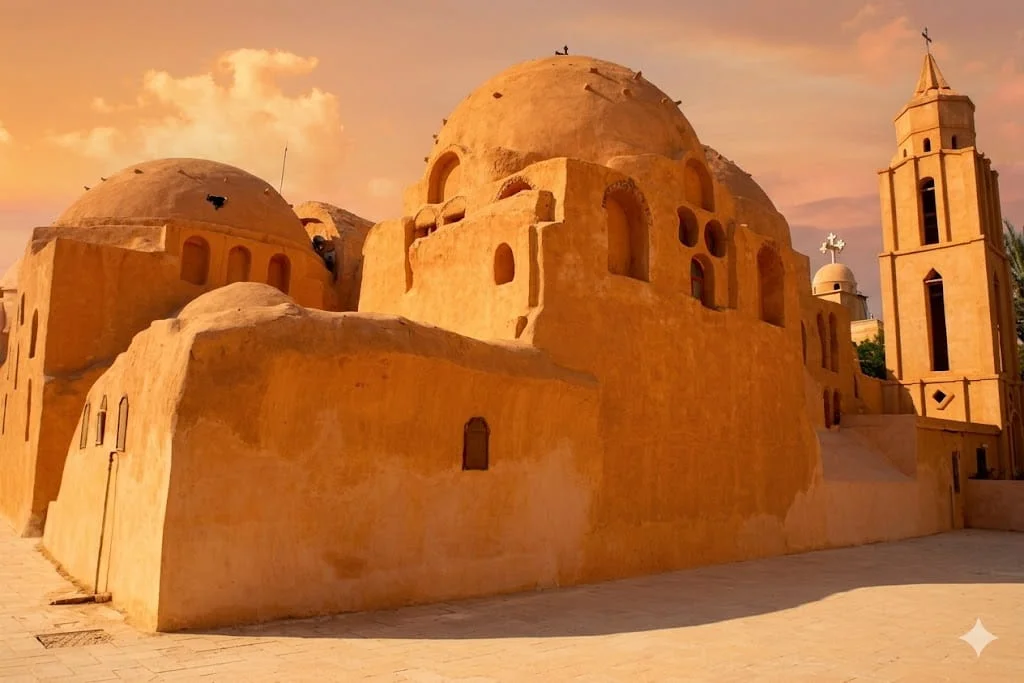
Beyond the defensive walls, the internal layout centers on the churches. These buildings are often small but dense with historical significance. The architecture reflects the Coptic style, characterized by sturdy, thick walls and intimate interiors. These spaces are illuminated by the soft light filtering through small, high windows. This design keeps the interior cool during the harsh desert summer while creating a somber, meditative atmosphere. The woodwork, particularly the intricately carved heikonostasis or screen, divides the sanctuary from the nave and represents centuries of master craftsmanship.

Adaptive Reuse and Evolution in Wadi Al-Natrun

Adaptive Reuse and Evolution in Wadi Al-Natrun

The structures have evolved significantly over time. While the core layouts remain faithful to ancient traditions, many areas have been renovated to serve modern needs. You will find that these monasteries are not static monuments. They are living, breathing spaces that have adapted to accommodate larger groups of pilgrims and the requirements of modern technology, such as climate control for sensitive manuscript collections. This delicate balance of preservation and functionality is a hallmark of the architectural management in the valley.

The Landscape of Faith in Wadi Al-Natrun

The surrounding landscape plays a crucial role in the architectural experience. High, imposing exterior walls provide a sharp contrast to the lush, verdant gardens found inside. These gardens serve as a symbol of life flourishing in the arid desert. They rely on sophisticated irrigation systems that have been refined over generations. The transition from the blinding heat of the dunes to the cool, fragrant courtyard of a monastery is a profound architectural statement, marking the boundary between the chaos of the world and the tranquility of the spirit.

The Ultimate Guide to Monasteries in Egypt: History & Heritage

This guide serves as a comprehensive resource exploring the rich history, unique architecture, and enduring...
Related post
FUN

Manuscript Treasures and Intellectual Heritage in Wadi Al-Natrun

Manuscript Treasures and Intellectual Heritage in Wadi Al-Natrun

The monasteries of Wadi Al-Natrun function as one of the world’s most significant repositories of ancient knowledge. These desert walls have protected fragile documents for over a millennium, preserving a wealth of information that shaped the theology, literature, and history of the Christian world.

The Role of Scribes in Wadi Al-Natrun

For centuries, the scriptorium was the intellectual engine of the valley of Wadi Al-Natrun. Monks dedicated their lives to the meticulous task of copying sacred texts. They transcribed works in Coptic, Greek, Syriac, and Arabic, ensuring that essential philosophical and religious teachings survived. This dedication turned the valley into a bridge between the ancient world and the Middle Ages. The manuscripts produced here provided the foundation for much of the scholarly tradition that later spread to Europe and the wider Mediterranean.

Treasures of the Libraries in Wadi Al-Natrun

The libraries within these monasteries house a staggering collection of codices and papyri. Many of these texts were rediscovered by European scholars in the 18th and 19th centuries, leading to a global surge of interest in Coptic history. The collections contain not only religious hymns and biblical texts but also early medical treatises, botanical studies, and linguistic guides. Today, the preservation of these paper and parchment artifacts is a high priority. Monasteries have invested in climate-controlled environments and digital scanning to protect these fragile treasures from humidity, heat, and age.

Preserving Ancient Languages in Wadi Al-Natrun

A major part of the intellectual legacy is the preservation of the Coptic language. As the final stage of the ancient Egyptian language, Coptic is a vital link to the country’s Pharaonic past. The monks serve as the primary guardians of this linguistic heritage. By using Coptic in their daily liturgy and study, they keep the language alive. These monasteries are essentially living museums where the language of the ancients is still read, spoken, and understood.

Global Significance of the Records in Wadi Al-Natrun

The importance of these manuscripts extends far beyond the Coptic Church. Researchers from prestigious universities across the globe regularly visit these sites to study the collections. The documents offer unique insights into the social and intellectual climate of the Byzantine and early Islamic periods. They reveal how diverse cultures interacted, traded ideas, and influenced one another in the heart of the Egyptian desert. The scholarly work continues today, as modern experts collaborate with the monastic communities to catalog and study these invaluable historical records.

Challenges and Modern Preservation in Wadi Al-Natrun

Challenges and Modern Preservation in Wadi Al-Natrun

Preserving the ancient monasteries of Wadi Al-Natrun in the modern era presents a complex set of challenges. As the world changes, these isolated sanctuaries must navigate the pressure of development, environmental shifts, and the need to protect delicate structures from the impact of time.

Navigating Development and Access in Wadi Al-Natrun

The construction of the Cairo-Alexandria desert highway transformed the region from a remote refuge into an easily accessible destination. While this allows pilgrims and tourists to visit with ease, it also exposes the sites to increased foot traffic and potential urban encroachment. The monasteries now face the challenge of maintaining their atmosphere of deep silence and seclusion amidst the noise of a major transit corridor. Striking a balance between welcoming visitors and protecting the meditative nature of the life within is a constant, ongoing effort.

Environmental Impact on Structures in Wadi Al-Natrun

The unique geology of the valley creates persistent environmental difficulties. The fluctuation of the water table, caused by agricultural expansion and climate shifts, poses a serious threat to the foundations of ancient churches and towers. Salt crystallization within the masonry can cause structural degradation over time. Specialized engineering teams and restoration experts work in tandem with the monastic communities to monitor these changes. They employ sophisticated techniques to manage moisture levels and reinforce weakened walls without altering the original historical character of the buildings.

The Push for UNESCO Recognition in Wadi Al-Natrun

There is a growing, collective drive to have the Wadi Al-Natrun region officially inscribed as a UNESCO World Heritage site. Such a designation would provide international recognition, increased protection, and access to global expertise in conservation. Proponents argue that the cultural and spiritual value of these sites is comparable to that of any other major historical monument globally. Achieving this status would assist in securing long-term funding for the preservation of frescoes, manuscripts, and crumbling defensive walls that remain vulnerable to environmental decay.

Sustainable Stewardship in Wadi Al-Natrun

True to their history of self-reliance, the monasteries are leading their own preservation initiatives. By implementing sustainable farming practices on their surrounding lands, they are mitigating local environmental stress. Furthermore, they are actively upgrading their internal infrastructure to include better waste management and energy-efficient lighting. These efforts demonstrate a forward-looking approach to stewardship. They prove that these ancient institutions are capable of adapting to the demands of the 21st century while remaining steadfastly dedicated to their ancestral mission.


The Church of the Blessed Virgin Mary at Gebel el-Teir: A Sacred Ascent

The Church of the Blessed Virgin Mary Gebel el-Teir represents a unique intersection of faith,...
Related post
FUN

FAQs About Visiting Wadi Al-Natrun

FAQs About Visiting Wadi Al-Natrun

Planning a pilgrimage or a historical tour to the monasteries of Wadi Al-Natrun requires a degree of preparation to ensure a respectful and rewarding experience. Here are the most common questions regarding your visit.

How do I get to the monasteries in Wadi Al-Natrun?

The most reliable method is to hire a private car or book a guided day trip from Cairo or Giza, which takes approximately 90 minutes. While public microbuses travel between Cairo and Alexandria, they do not provide direct access to the specific monastery gates. Hiring a private vehicle or a professional tour service allows for a flexible schedule and comfortable transit through the desert environment.

What should I wear when visiting the sites in Wadi Al-Natrun?

Modesty is essential when entering these sacred spaces. All visitors, regardless of background, should wear clothing that covers the shoulders and knees. Long sleeves and trousers are standard for all guests. It is also recommended that visitors carry a light scarf, as some church areas may require head coverings for a more traditional presentation of respect.

Are there specific visiting hours for the monasteries in Wadi Al-Natrun?

Are there specific visiting hours for the monasteries in Wadi Al-Natrun

Most monastic communities welcome visitors between 9:00 AM and 5:00 PM. However, these times can shift significantly during major Coptic Orthodox holidays or private religious retreats. It is always wise to confirm your travel dates with a local guide or tour operator ahead of time. Some monasteries may temporarily close their gates to tourists during intense periods of prayer or seasonal fasts.

Can I take photographs inside the buildings in Wadi Al-Natrun?

Photography policies vary from one monastery to another. While many sites allow non-flash photography in the exterior courtyards and gardens, the interior of the ancient churches often restricts the use of cameras to preserve the sanctity of the space and protect fragile icons. Always seek permission from the monastic gatekeepers or your guide before taking any photos inside the buildings.

Is it possible to stay overnight in Wadi Al-Natrun?

While the monasteries are primarily intended for the monks and ordained pilgrims, some may offer simple, guest-style accommodation for those seeking a deeper retreat. These arrangements are not standard for general tourism and usually require prior coordination. If you wish to stay in the area, most visitors opt for nearby towns like Sadat City, which provide a broader range of lodging facilities.

FUN
God_Anubis_Icon

Transit Stopover in Cairo

We have just returned from a two week holiday in Cape Town. On the way out our airline schedule meant that we had a 15 hour stop in Cairo. We decided to arrange a tour of the city and after asking for quotes/itineraries we chose Egypt Fun Tours. This worked

More »

Good but did not get what I paid for…

I had an 11 hour layover in Cairo. I wrote to them based on recent reviews for them on this site. After a few email exchanges with Hati, who I think is one of the owners, I was ready to get there. I was greeted by Hatem, a very good

More »

Well Done

All aspects of the experience were considered and well taken care of. Knowledgeable and friendly guide and organized itinerary.

More »
God_Anubis_Icon

Top-rated Tour Packages

God_Anubis_Icon