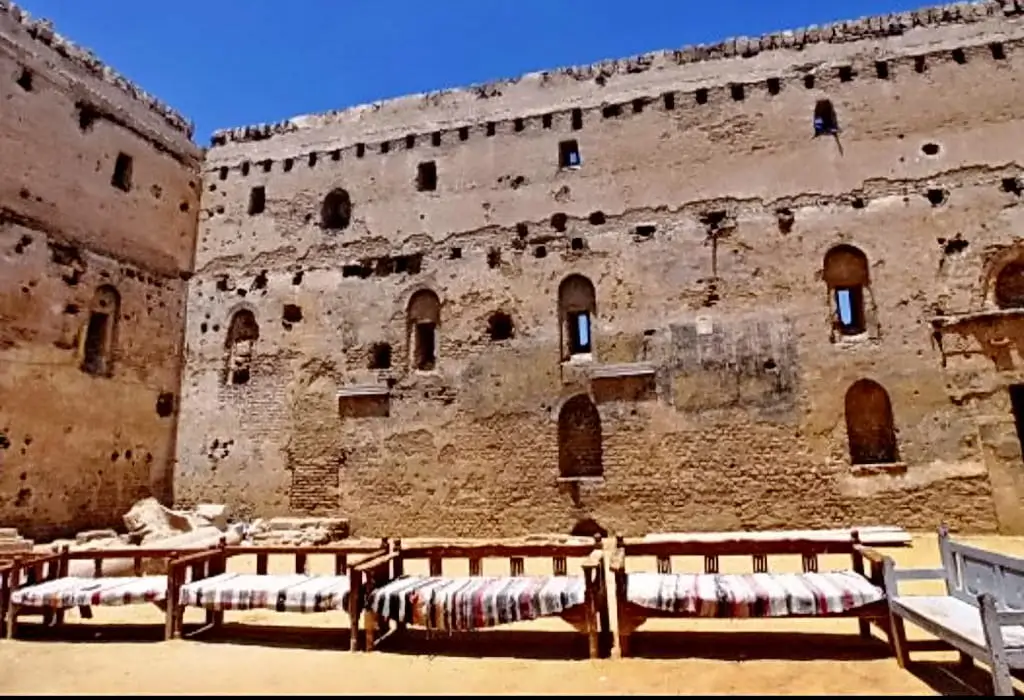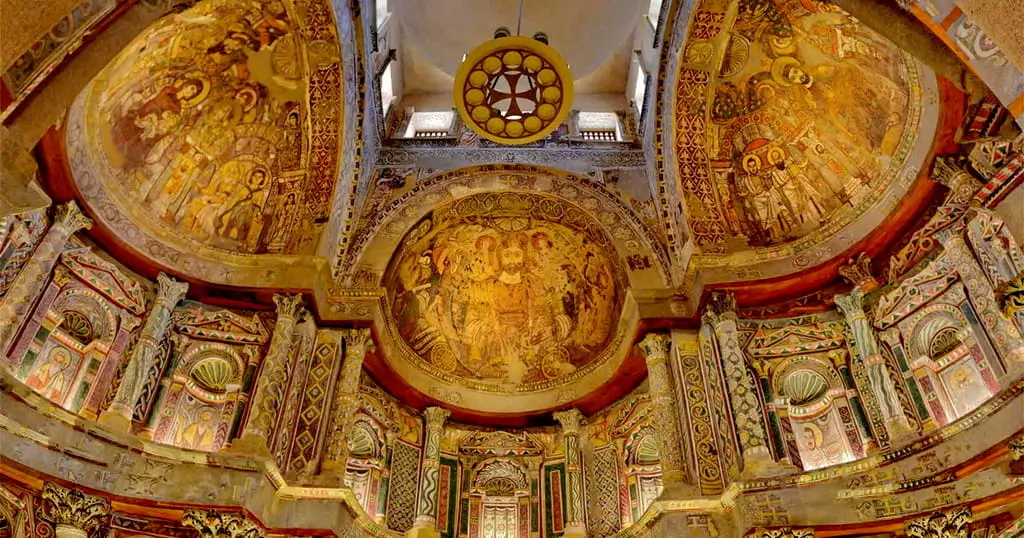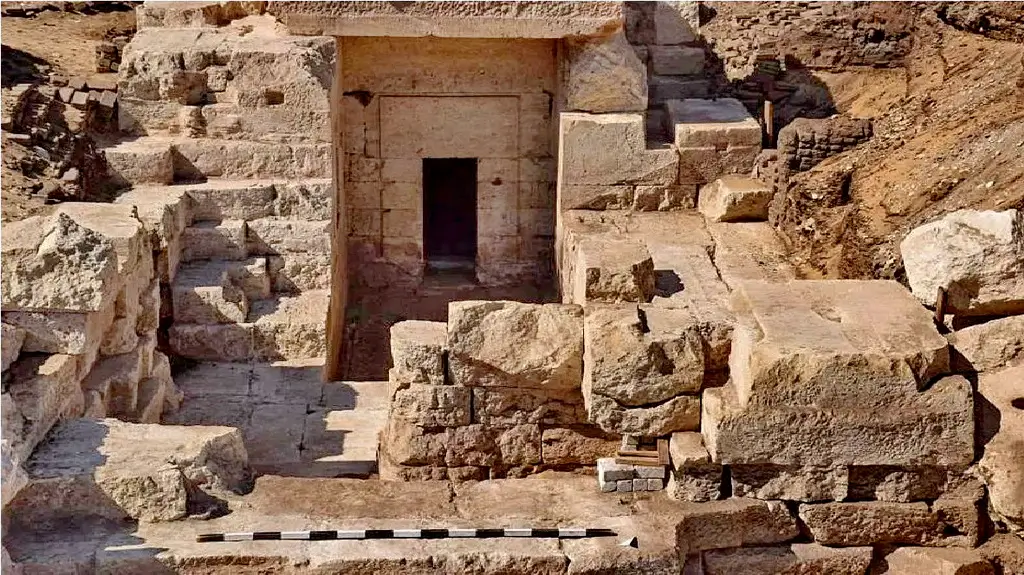

The White and Red Monasteries of Sohag represent the absolute pinnacle of early Christian monasticism in Egypt. Situated on the edge of the desert near the ancient city of Athribis, these “twin” sanctuaries offer a profound physical record of the transition from Pharaonic traditions to Byzantine spirituality. Because the White Monastery (Deir el-Abiad) reflects the architectural scale of an ancient temple and the Red Monastery (Deir el-Ahmar) houses the world-renowned “Sistine Chapel of Egypt” frescoes, they are inseparable in the historical narrative of Upper Egypt. Consequently, this guide provides the authoritative context needed to appreciate these masterpieces of stone and color.
For the modern traveler, these sites serve as a masterclass in cultural synthesis. Specifically, the reuse of Pharaonic limestone in the White Monastery and the sophisticated polychrome paintings in the Red Monastery prove that Coptic Egypt was a period of intense artistic innovation. Because Saint Shenouda the Archimandrite—the father of Coptic literature—transformed this community into a spiritual powerhouse in the 5th century, the region remains a vital center for scholarly study. Therefore, the White and Red Monasteries of Sohag stand as the definitive gateway to understanding the enduring soul of Christian Egypt.